Categories
Science
9429 articles
Science
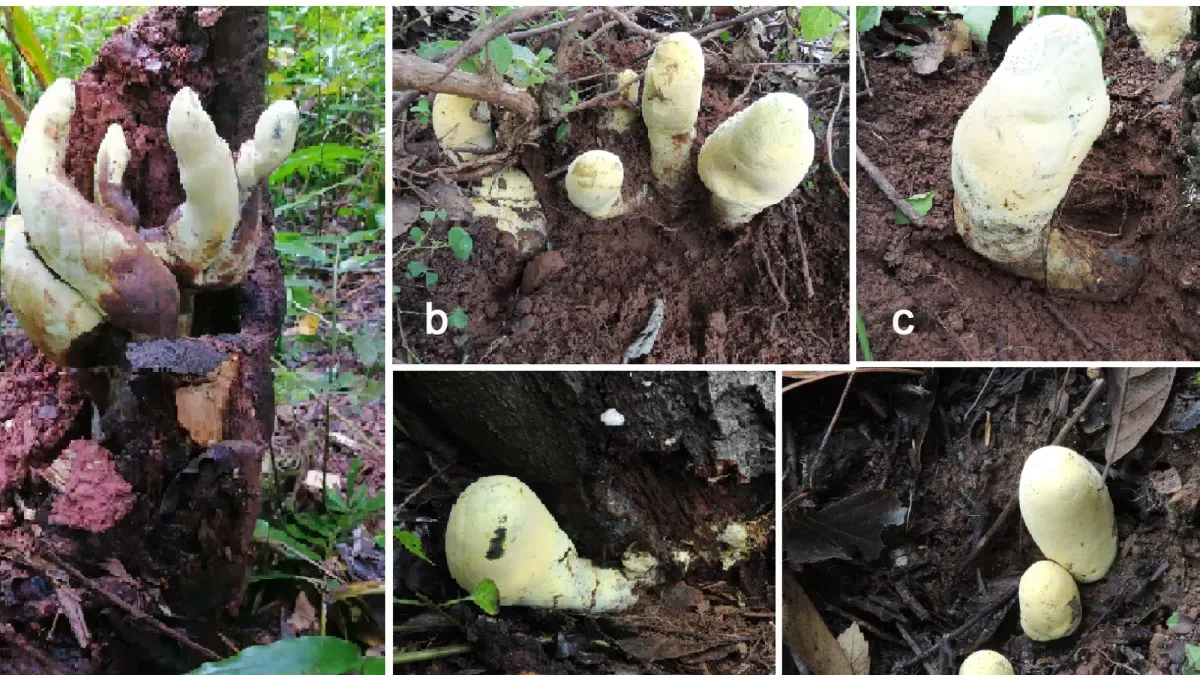
When ‘T. rex’ died, a new giant fungus named ‘D-rex’ took over - Popular Science
Image: Song et. al ‘Frontiers in Fungal Biology,’ 2026 It’s a fungi-filled world and we are just living in it. There are roughly 150,000 to 157,000 known species of fungi, and now there is a new giant species to add to that tally.
Popular Science·
Science
The science behind the world’s fastest autonomous racing drone - EurekAlert!
video: Watch the development and the science behind the world's fastest autonomous racing drone. What does it take for an autonomous robot to be faster around a course than human drone-pilots? At these dizzying speeds, humans need lightning-fast reflexes. Researchers at Delft University of Technology (The Netherlands) have developed an AI system that enables a racing drone to navigate demanding courses at extreme speed using only a single camera. It outperformed even former world champion human drone-pilots in a race. Now published in Science Robotics, the scientific work behind this accomplishment shows how compact, efficient neural-network-based control can achieve high-performance autonomous flight under real-world conditions. The underlying principles could help advance a much broader class of autonomous robots, from vehicles to mobile and humanoid systems.
EurekAlert!·
Science
Want more muscle? Erectile dysfunction drug may be where it’s at - Toronto Sun
Skip to Content Subscribe FAQ My Account News Toronto & GTA Ontario Canada World Crime True Crime Weird Money Technology Tech Essentials Gaming Gadgets Weather Podcasts Opinion Editorials Columnists Editorial Cartoons Letters Send Letter to the Editor Sports Hockey PWHL Toronto Maple Leafs NHL Soccer Toronto FC MLS Baseball Toronto Blue Jays MLB Basketball Toronto Raptors NBA WNBA Football Toronto Argonauts CFL NFL Golf Other Sports Olympics Curling Tennis Horse Racing Wrestling Entertainment Celebrity Movies Music Television TV Listings Life Eat Fashion & Beauty Relationships Advice Sex Files Health Healthing Diet & Fitness Homes Travel Travel International Travel USA Travel Canada Ontario Travel Travel Essentials Contests Lives Told Tails Told Shopping Savings Toronto Sun Store Driving Vehicle Research Reviews News Gear Guide Obituaries Place an Obituary Place an In Memoriam Advertising Advertising With Us Advertising Solutions Postmedia Ad Manager Sponsorship Requests Classifieds Place an Ad Business Card Directory Celebrations Working Business Ads This Week's Flyers ePaper SUNShine Girls Become a Sunshine Girl Puzzmo Diversions Comics Puzzles Horoscopes Newsletters Manage Print
Toronto Sun·

Science
The science and engineering behind NTT DATA AI for Insurance - NTT Data
Today, NTT DATA launched AI for Insurance, an enhanced service-as-software solution powered by the NTT DATA AIVista platform. Service-as-software solutions give carriers an ongoing, managed way to deploy AI agents that perform defined insurance work, integrate with existing systems and improve over time without requiring the carrier to build and operate the full technology stack itself. Our solution transforms complex insurance workflows into governed, repeatable AI-delivered agents. It is built for operationalizing the last mile of enterprise AI, where a general-purpose model has to be specialized to a client’s own policies, rules and systems before it can be deployed in production. Insurance is one of the most complex use cases for AI deployment. Every decision, whether it’s pricing a risk, approving a claim or servicing a policy, carries regulatory weight and financial consequences. This complexity compounds globally: Requirements vary across regions, product lines, distribution models, languages and regulatory frameworks. The knowledge that drives those decisions is rarely straightforward or centralized.
NTT Data·
Science
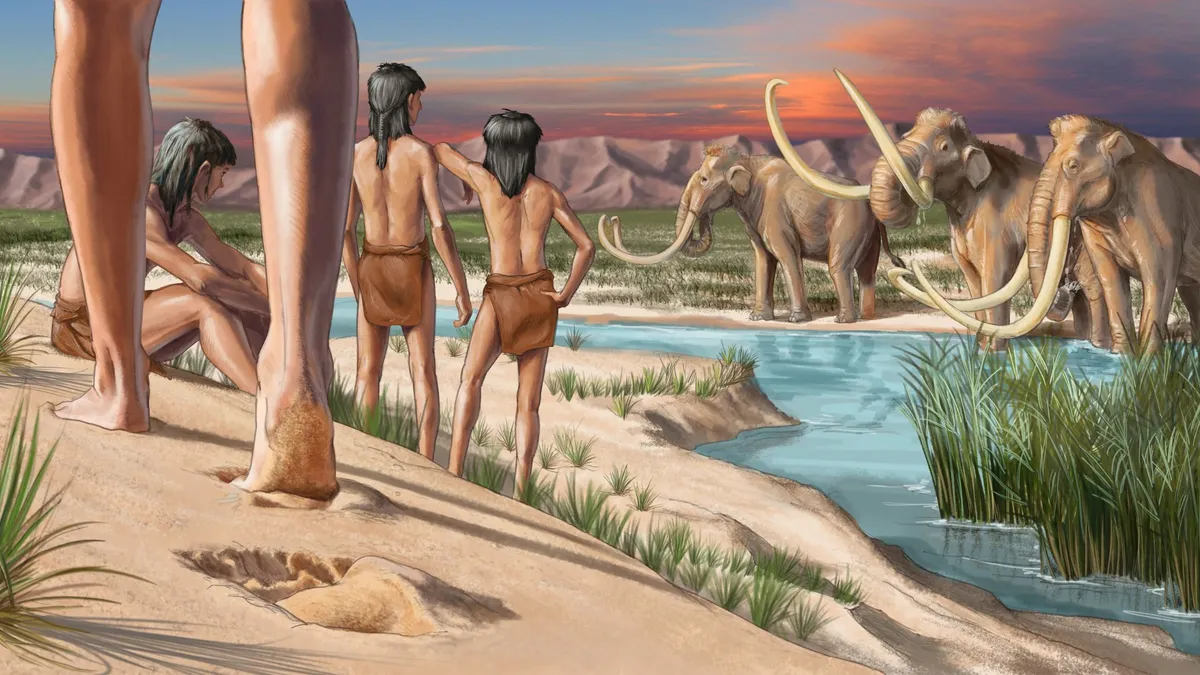
Ancient Indigenous people in New Mexico lived through extreme climate change 23,000 years ago, study suggests - Live Science
Researchers have revealed the climate that some of the first people in North America experienced around 23,000 years ago, during the Last Glacial Maximum.
Live Science·
Science
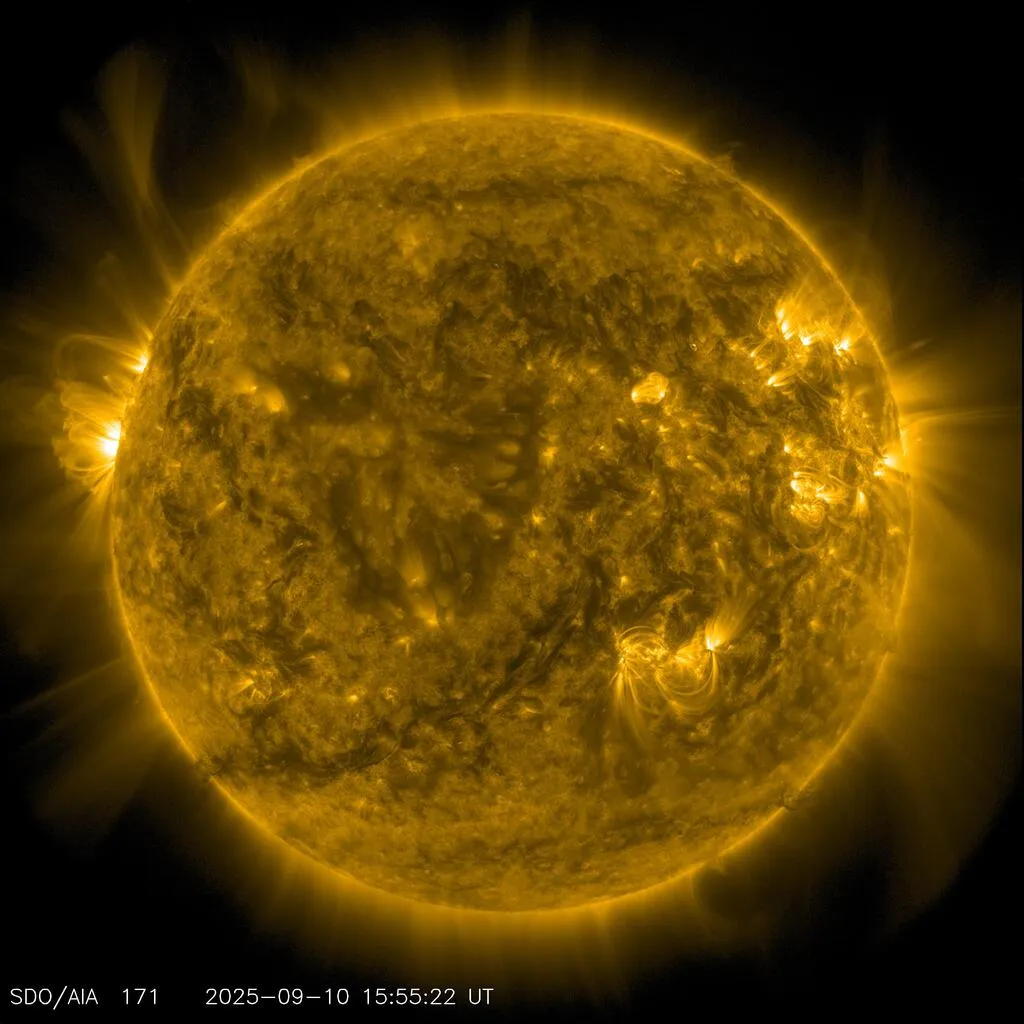
SwRI Solar Model Upgrades Maps by Reading Sun's Far Side - Labroots
What new methods can be developed to improve mapping the entire Sun, as opposed to just the observable side? This is what a recent study published in The A | Space
Labroots·
Science
AI Came for Math. Now It’s Chasing the Rest of Science - WIRED
Last week, I attended a talk at MIT by Neil Thompson, who studies progress in computing and artificial intelligence. Over the course of just half an hour, Thompson made a convincing case that several scientific fields are about to be upended by AI. As mathematicians reel from the way AI is automating their field, Thompson’s latest study suggests that probability, statistics theory, economic theory, high-energy theory, gravitation and cosmology, and quantum physics may be next, thanks to the rapidly evolving capabilities of frontier models. Between mid-2024 and mid-2026, the study shows, the best AI models went from being able to correctly solve about 2 percent of theoretical problems in these fields to about 35 percent of such problems. And there are no signs that this progress will slow down. “Within just a few years, we expect a lot of theory questions to be totally transformed in terms of AI's ability to do them,” says Thompson. Broadly, Thompson’s lab digs into how advances in computer science impact society and affect innovation.
WIRED·
Science
Stanford scientists discover a way to reverse coral bleaching at record speed - Stanford Doerr School of Sustainability
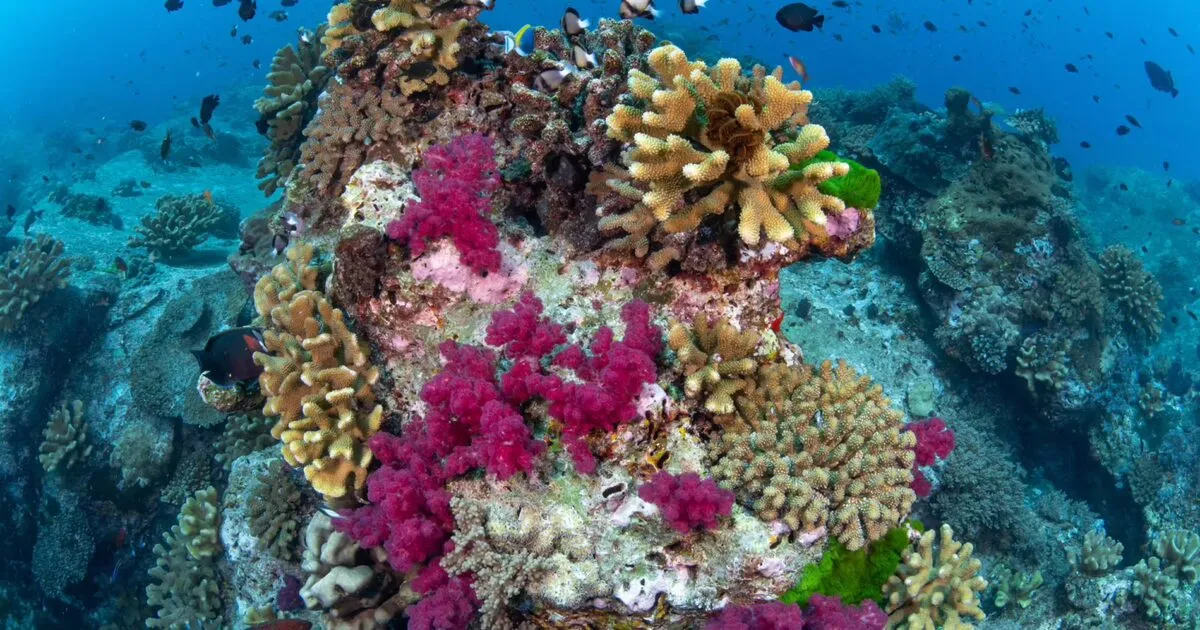
Bleached corals can fully recover within a few weeks through brief contact with healthy corals, opening new possibilities for restoration. Corals provide food and livelihoods to hundreds of millions of people globally through fisheries, tourism, and other benefits. (Image credit: Zephyr 18/Getty)
Stanford Doerr School of Sustainability·
Science
NIH appears to shut down public comments on science peer-review rule change ahead of schedule - Scientific American
October 14, 20262 min read Add Us On GoogleAdd SciAmThe proposed change to how the National Institutes of Health handles grant applications has been criticized by scientists as reducing transparencyBy Adam Kovac edited by Claire Cameron Shutterstock/DCStockPhotographyJoin Our Community of Science Lovers! Members of the public who tried to submit their views on a proposed change to the National Institutes of Health’s grant funding system say they found themselves locked out after the system shut down ahead of schedule. The proposed change has been criticized as potentially reducing transparency. It seeks to revise how grant application scores—averaged measures of a research project's predicted outcomes—are communicated to both funding applicants and NIH program officers. Under the change, applications would be sorted into three broad categories of merit, while their overall score, as determined by a panel of experts, would remain a secret. Some researchers have said this could open up the grant approval process to undue political influence. On supporting science journalismIf you're enjoying this article, consider supporting our award-winning journalism by subscribing.
Scientific American·
Science
Deep-sea mining faces surprise risk of rocks catching fire - Mining.com
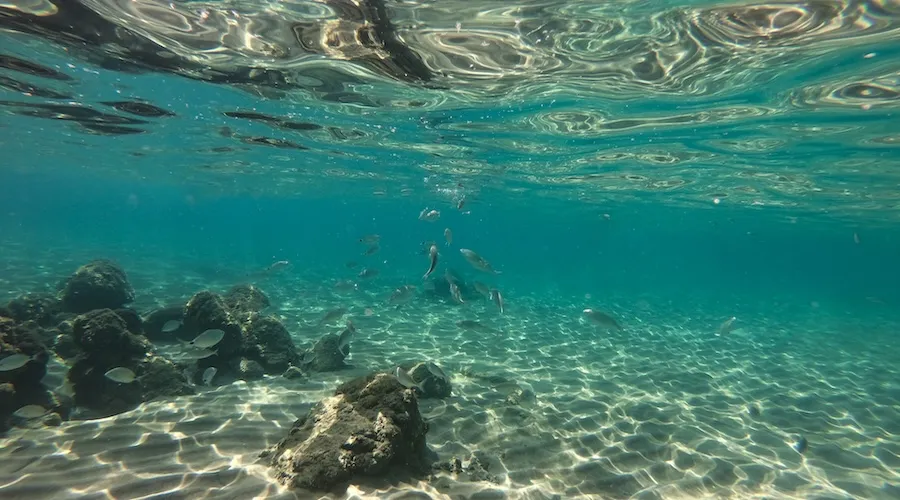
Environmental groups warn seabed mining may harm fragile marine habitats and disrupt ecosystems. (Stock image by magdal3na.) Scientists at the United States Geological Survey (USGS) have discovered that some metal-rich rocks recovered from the deep ocean can spontaneously combust when exposed to air and processed, raising unexpected safety concerns for a potential new mining industry.
Mining.com·
Science
Find connection in the stars with Indigenous Science Night at the Spark Centre - Windspeaker.com
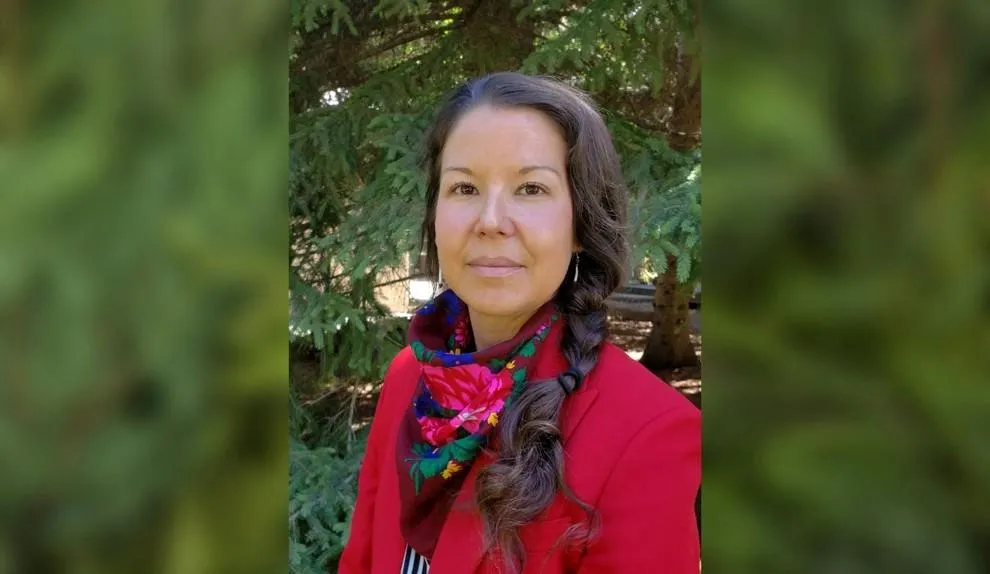
Calgary’s TELUS Spark Science Centre is bringing Indigenous scientists, astronomers, researchers and knowledge keepers together for Indigenous Science Night: Stones, Stories & Stars. The evening of Oct. 16 will feature hands-on activities, telescope observations and community conversations that highlight Indigenous relationships to astronomy, mathematics and the natural world. From 5 p.m. to 11 p.m. at 220 St. George's Drive NE, the centre will “share the depth of knowledge and science within stories that connect land with the cosmos,” said Kori Czuy, director and special advisor for Indigenous science connections. The event is free to First Nations, Métis and Inuit guests, and for non-Indigenous visitors, the centre is offering reduced rates of $10 for adults and $5 for children. Czuy (Cree/Métis/Polish) was born in Treaty 8 territory by the banks of the Peace River. She is focused on bringing together multiple ways of understanding scientific knowledge. Her Ph. D is in storying mathematics. Through her research, she has worked with Treaty 7 Elders to explore the depth of mathematics within Indigenous stories.
Windspeaker.com·

Science
Microplastics are linked to inflammation—scientists might have finally worked out why - Scientific American
Microplastics are a source of extreme concern for health: the presence of these tiny pieces of plastic has been linked to heart attacks, stroke, dementia and brain tumors. But what drives these associations is unclear. Now a study published in Nature offers a tantalizing clue: microplastics interact with water, generating highly reactive molecules. When microplastics come into contact with water, the water near their surface can become chemically active, generating highly reactive species that can modify nearby substances, including biologically important molecules. As plastics wear down to microscopic sizes, their surface-to-volume ratio increases dramatically. For example, when a credit card is fragmented into particles some 10 microns in diameter, there is a more than 200-fold increase in its surface area, says Wei Min, a chemist at Columbia University and one of the senior authors of the study. As a result, any chemical activity is amplified. On supporting science journalismIf you're enjoying this article, consider supporting our award-winning journalism by subscribing.
Scientific American·
Science
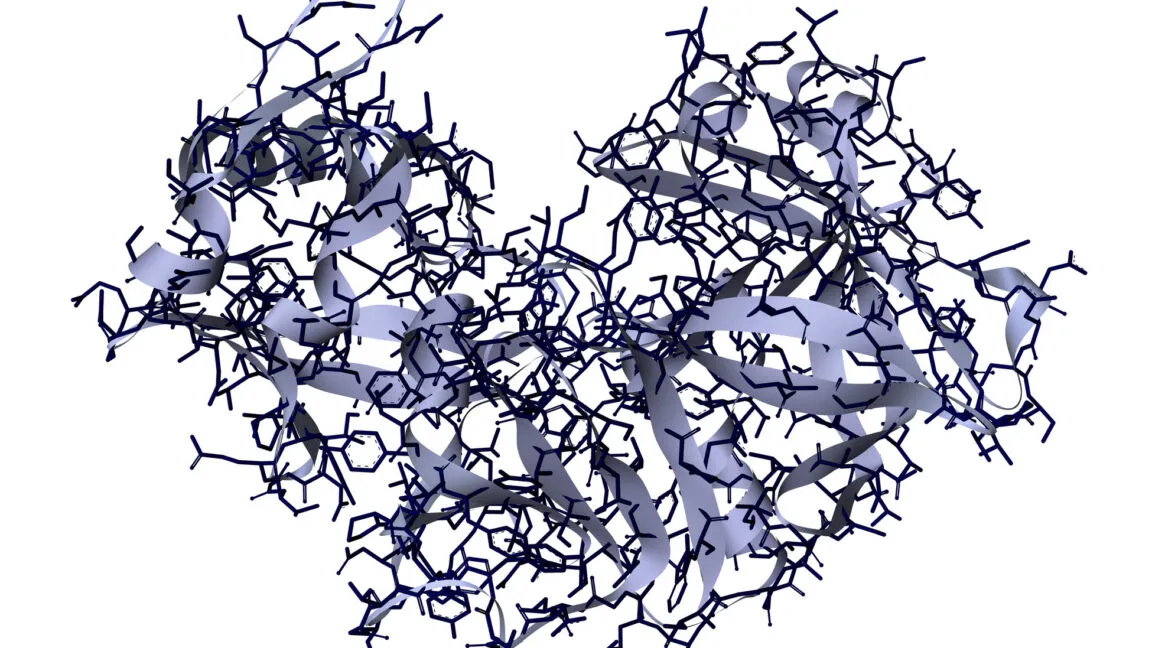
Researchers use AI to design proteins that cut up other proteins - Ars Technica
AI design tools make proteins that break bonds that are stable for hundreds of years. A protein is a chain of amino acids held together by what are called peptide bonds. On their own, those bonds are extremely stable; they’re estimated to have a half-life of several hundred years. But in Earth’s environment, most proteins don’t last nearly that long. That’s because organisms have evolved a handful of ways to catalyze the break-up of peptide bonds, which have diversified into countless specialized protein-digesting enzymes. Proteases are everywhere and generally make short work of any proteins that find their way into the environment.
Ars Technica·
Science
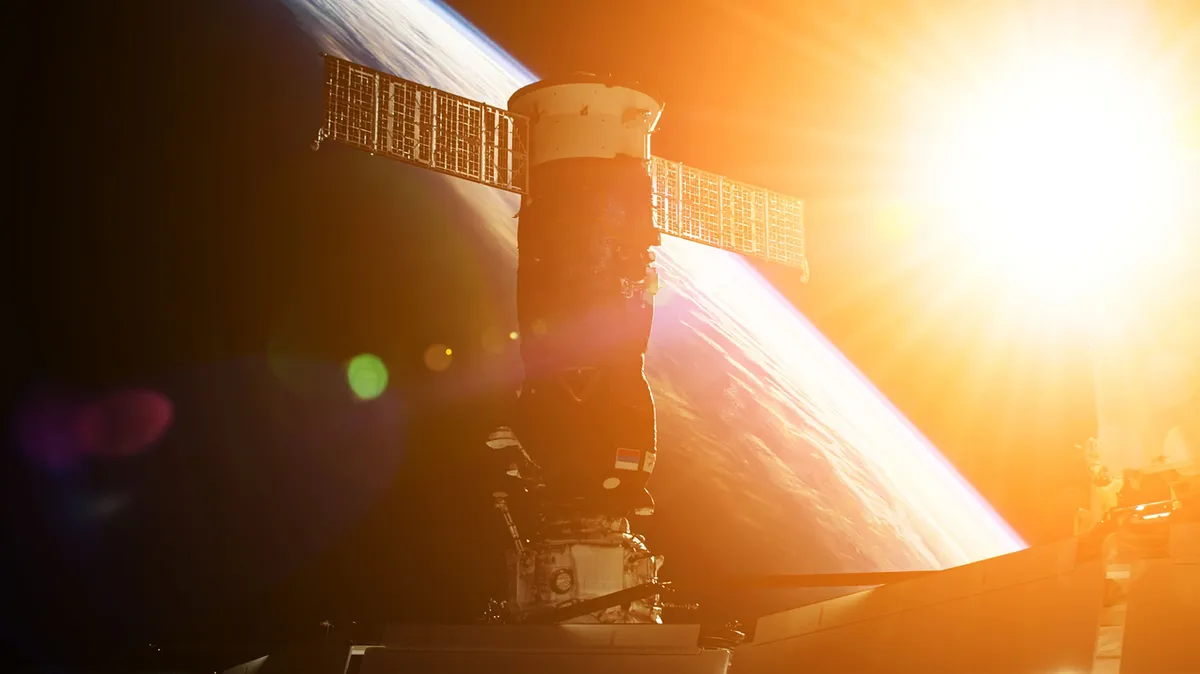
NASA’s SpaceX resupply mission delivers science experiments and solar arrays to space station - Open Access Government
NASA’s latest resupply mission has successfully launched towards the International Space Station (ISS), carrying thousands of pounds of supplies, scientific equipment and new technology to support research in orbit The SpaceX Falcon 9 rocket lifted off at 6:33 a.m. EDT on Tuesday, October 13, from Space Launch Complex 40 at Cape Canaveral Space Force Station in Florida.
Open Access Government·