Stanford scientists discover a way to reverse coral bleaching at record speed - Stanford Doerr School of Sustainability
This story deserves to be shared
Send it to someone who'd care, or post it on your networks.
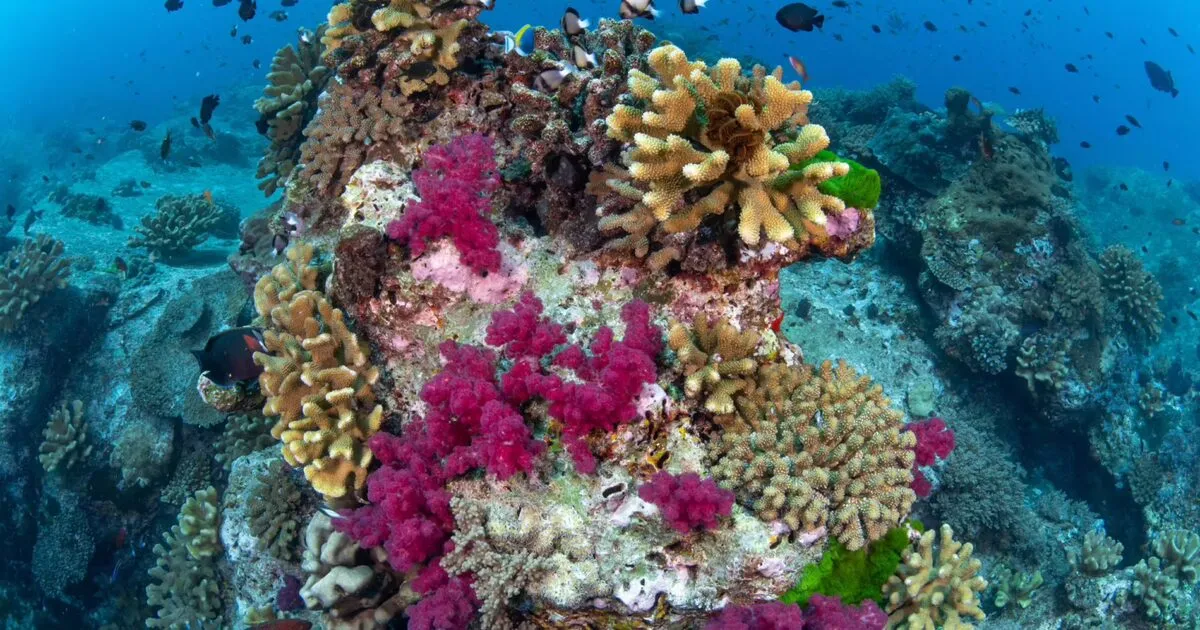
Bleached corals can fully recover within a few weeks through brief contact with healthy corals, opening new possibilities for restoration.
Corals provide food and livelihoods to hundreds of millions of people globally through fisheries, tourism, and other benefits. (Image credit: Zephyr 18/Getty)
This article is an excerpt. To read the full content, visit the original source. Stanford Doerr School of Sustainability
Related articles
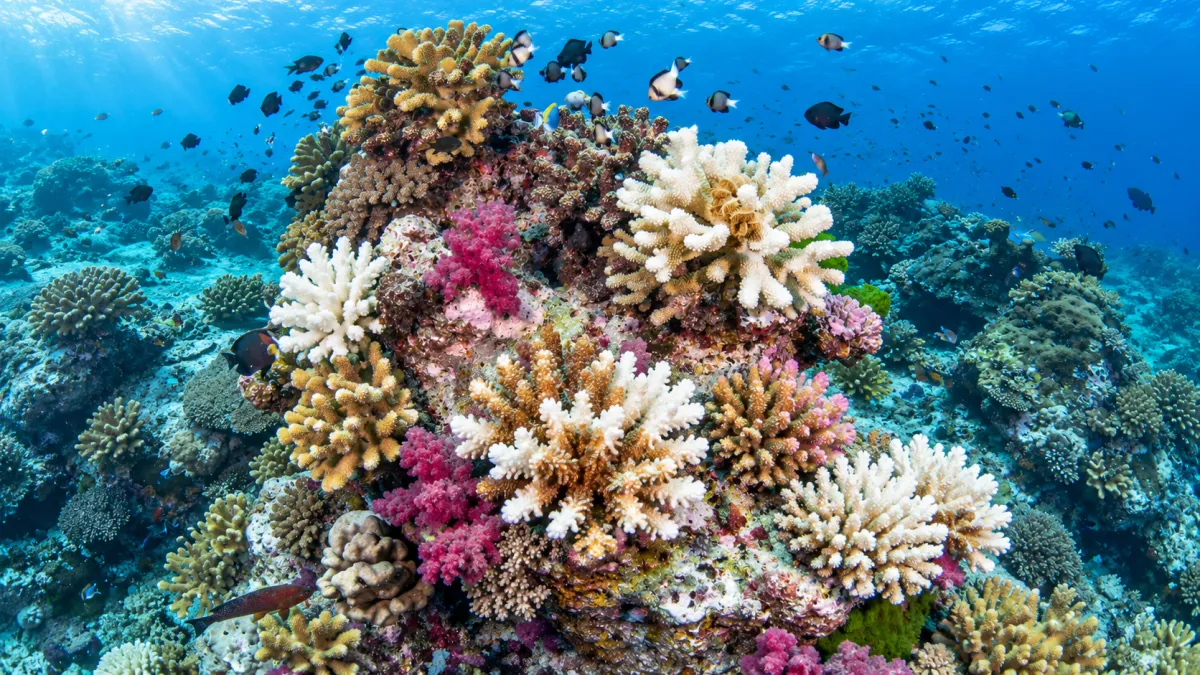
Scientists discover a way to reverse coral bleaching, one of the ocean’s biggest environmental threats - The Brighter Side of News
Bleached coral fragments recovered after touching healthy genetic clones in laboratory experiments involving one species and two genotypes. A week of contact supplied enough beneficial algae for fragments to continue recovering after separation. Tissue fusion appears to enable rapid transfer, but mismatched corals competed instead, and reef-scale restoration remains untested. A few millimeters separated recovery from severe decline in tanks of bleached coral. Fragments touching healthy genetic clones regained their beneficial algae and resumed growth. Fragments held nearby without contact largely succumbed to invasive algae and tissue loss. The laboratory findings, published in Science Advances, reveal a route to rapid recovery after bleaching. Stanford University researchers found that about a week of contact could provide enough algae for recovery to continue independently. The results identify a biological mechanism, rather than a method already demonstrated to restore natural reefs. Danny Collins, an oceans doctoral student at the Stanford Doerr School of Sustainability, led the study with colleagues including Steve Palumbi.
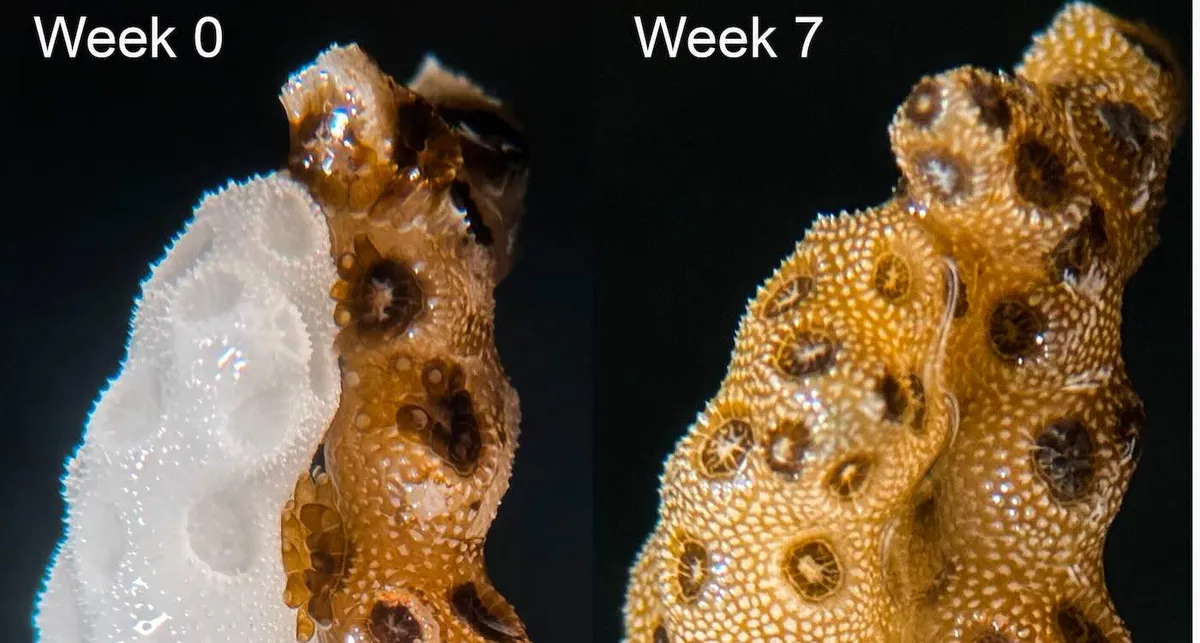
Coral Bleaching Reversed at Record Speed Using New Stanford Method: ‘Not a Lost Cause, at All’ - Good News Network
Coral bleaching restoration at Stanford – by Dan Griffin / GG Films (via SWNS, cropped) Coral bleaching has been reversed at record speed using a new method developed at Stanford University.

7 simple habits that could reverse diabetes - BBC Science Focus Magazine
Just 20 years ago, type 2 diabetes was a lifelong diagnosis. When doctors spoke with their patients, the focus was on treating symptoms and managing complications with pharmaceuticals. Thoughts of eradicating the disease itself seemed far-fetched. Now, though, thousands of people are successfully pushing back the disease.
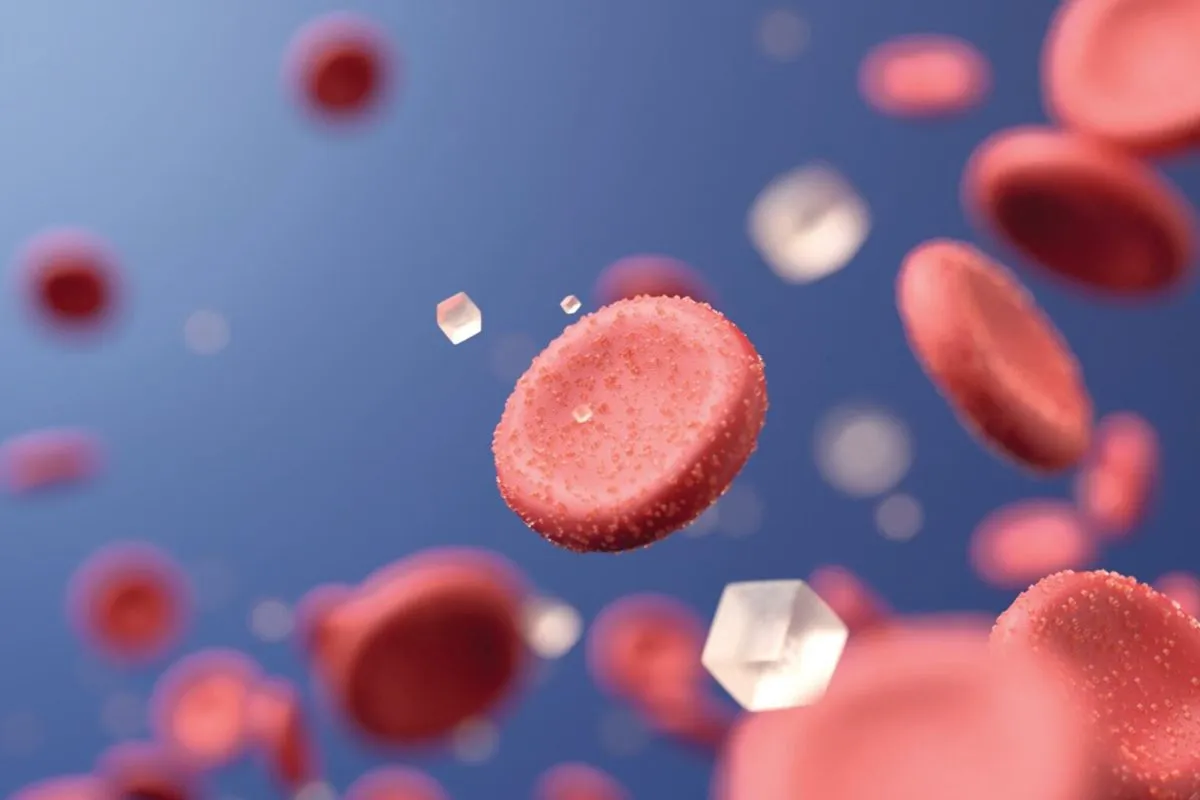
The surprising real cause of prediabetes (and how to reverse it) - BBC Science Focus Magazine
The American TV presenter and producer Oprah Winfrey’s long-term battle with her weight is well documented. Her struggles went on for years and saw her yo-yo wildly between a low of 145lbs and a high of 237lbs (65-107kg). But a medical diagnosis that came in 2015 encouraged her to swap the crash dieting for lasting lifestyle changes.
0 comments
No comments yet. Be the first to share your thoughts!