New knee arthritis treatment delivers lasting pain relief without surgery - Science Daily
This story deserves to be shared
Send it to someone who'd care, or post it on your networks.
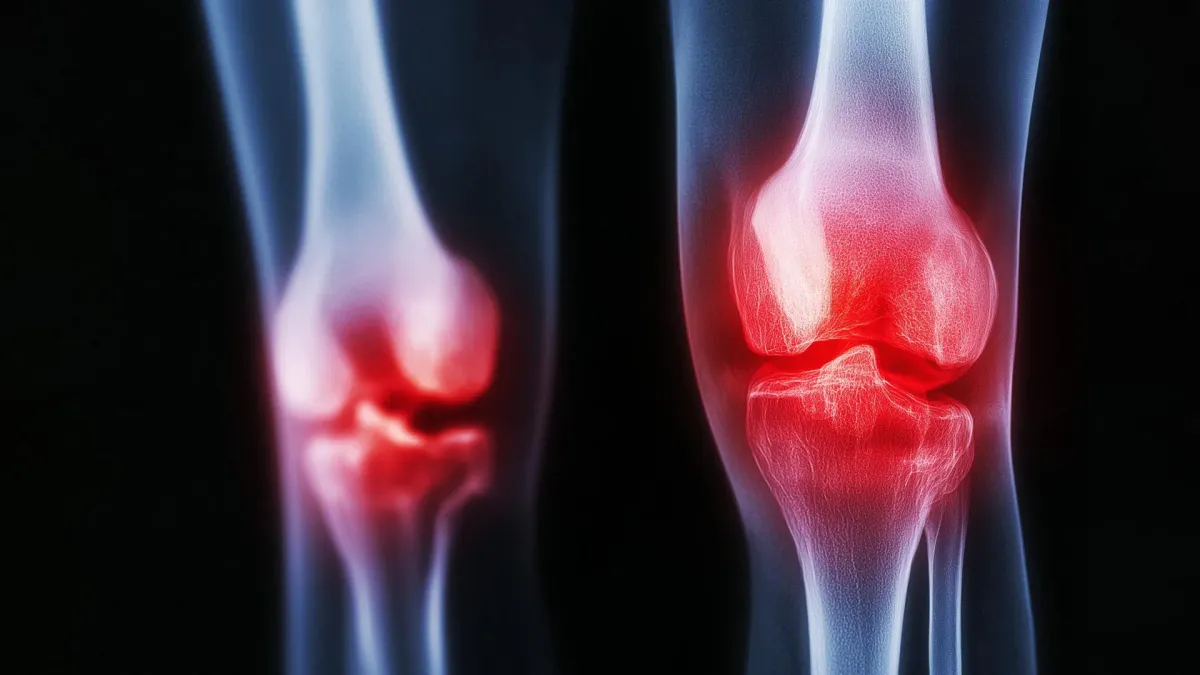
A minimally invasive procedure that targets abnormal blood vessels in the knee could provide lasting relief for people struggling with osteoarthritis, offering a potential alternative to joint replacement surgery.
In a study involving 194 patients, researchers found that a treatment using tiny particles that dissolve within hours was associated with substantial reductions in knee pain and improvements in mobility. The benefits persisted for at least 12 months, with 80% of patients assessed at the one-year follow-up reporting clinically meaningful pain relief.
This article is an excerpt. To read the full content, visit the original source. Science Daily
Related articles
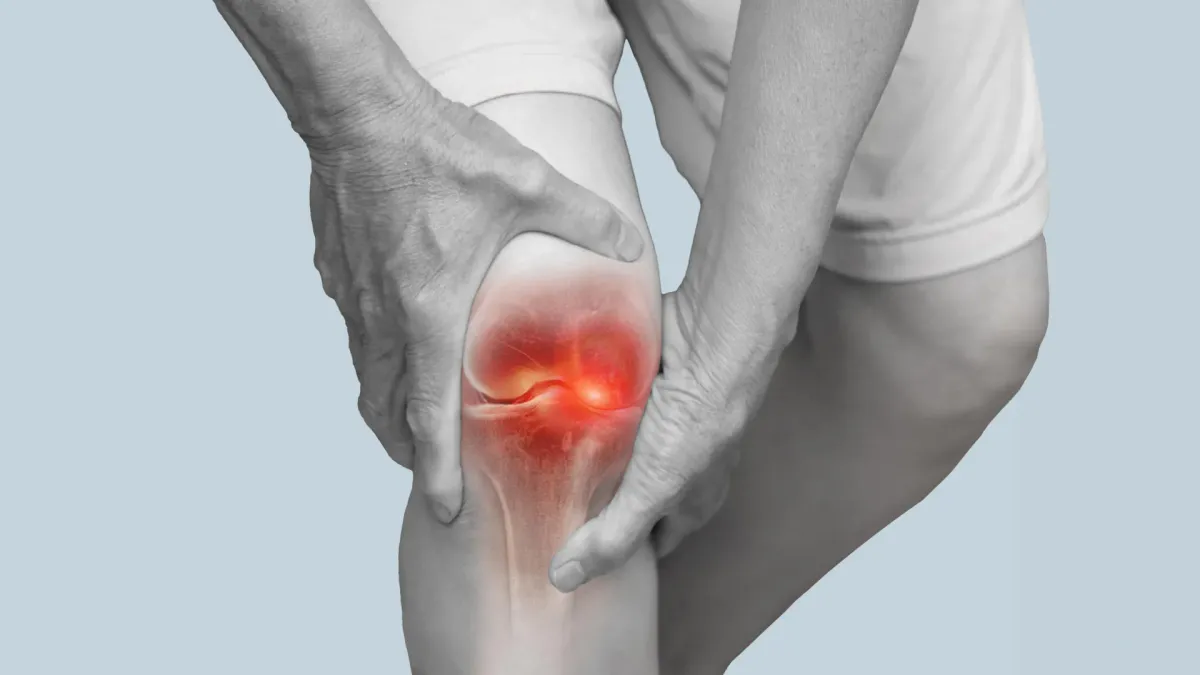
A surprisingly simple way to relieve knee arthritis pain without pills or surgery - Science Daily
What if easing knee arthritis pain did not require another pill, an injection, or surgery, but simply changing how you walk? A clinical trial published in The Lancet Rheumatology suggests that a small, carefully chosen adjustment to the angle of your feet could make a meaningful difference. After one year, participants who learned to walk with a personalized foot position reported significantly less knee pain than those receiving a placebo treatment. They also showed encouraging signs of slower deterioration in their knee cartilage.
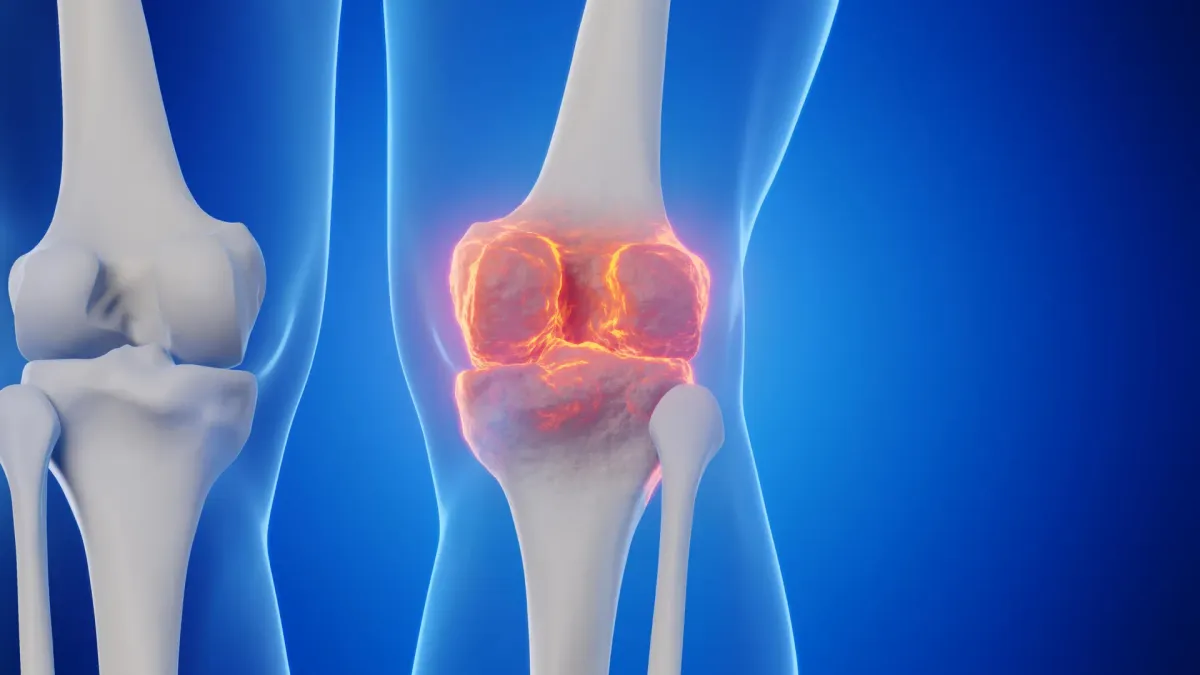
Goodbye joint replacements? Stanford scientists found a way to regrow cartilage and stop arthritis - Science Daily
Scientists have identified a way to restore cartilage in aging knee joints, at least in mice, by blocking a protein whose levels rise with age. The approach not only reversed naturally occurring cartilage loss in older animals, but also protected mice from developing arthritis after knee injuries similar to ACL tears in people. The findings also showed promise in human tissue. Cartilage samples collected during knee replacement surgeries responded to the treatment by beginning to produce new, functional cartilage.

Ancient mud reveals a surprising secret about Greenland’s ice - Earth.com
Mud from a fjord shows an Atlantic air pattern brought wetter, colder spells to southern Greenland, a clue to how its ice may fare. Greenland’s ice is shrinking as the planet warms. But in the island’s southwest, rainfall and snowfall have been influenced by the same North Atlantic air-pressure pattern for at least 5,000 years. When that pattern tipped one way, the region turned wetter and colder. The record comes from mud on the floor of a Greenland fjord, and it suggests snowfall, not only temperature, shaped how the area’s ice grew and shrank. It doesn’t yet show how glaciers there will respond to the warming ahead. Johan Faust, a researcher at MARUM, the Center for Marine Environmental Sciences at the University of Bremen in Germany, led the work with colleagues in Germany, Norway, Denmark and Canada. A seesaw in the airThe pattern is called the North Atlantic Oscillation. It’s the difference in air pressure between a low that sits near Iceland and a high near the Azores, and it’s strongest in winter. When that difference is large, the pattern is in its positive phase. Northwestern Europe and southwestern Greenland both get more rain and snow.
0 comments
No comments yet. Be the first to share your thoughts!