BBlogFlow

Categories

Science

10850 articles

Science

Two High Courts Grapple With Climate Accountability - The Equation - Union of Concerned Scientists

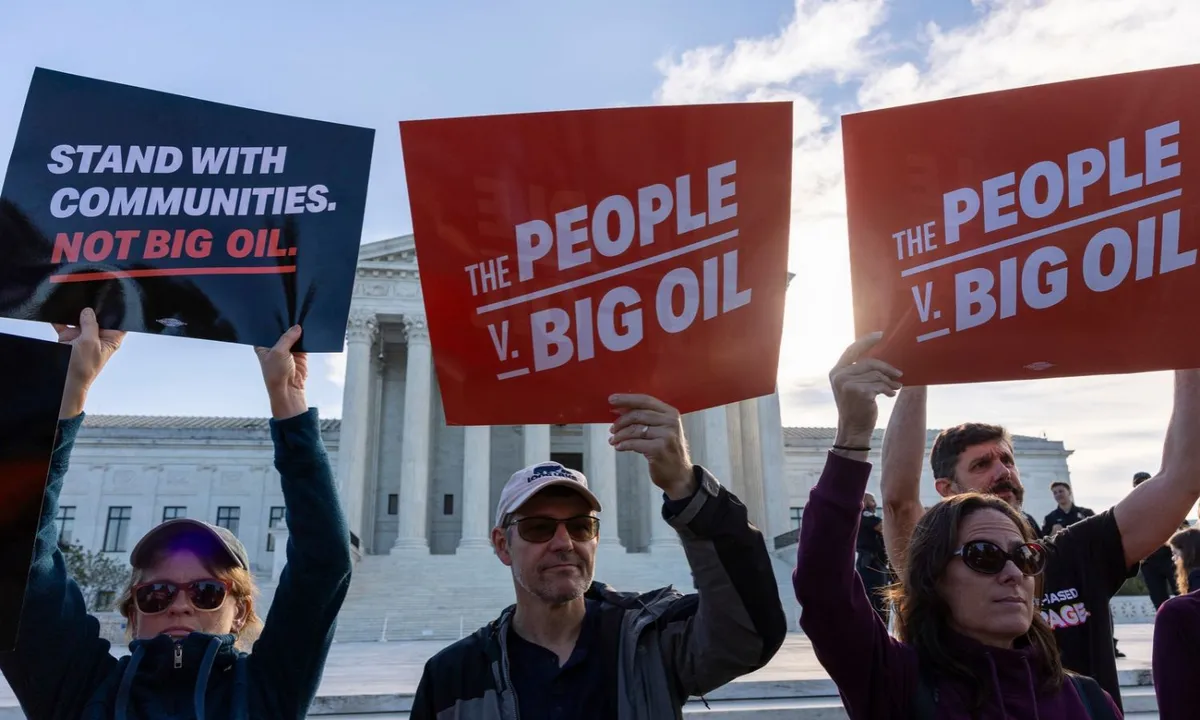
Last week marked a watershed moment for climate accountability in two country’s highest courtrooms. In a landmark decision, the High Court of Australia ruled in favor of climate action in MACH Energy Australia v. Denman. Simultaneously, across the Pacific, the United States Supreme Court convened to hear oral arguments in Suncor Energy (USA) Inc. v. County Commissioners of Boulder County. For those of us working at the intersection of science, law, and policy, this convergence is not a coincidence, but evidence of a maturing field. Since 2015, over 215 climate cases against governments have reached these apex courts, with more than half resulting in outcomes positive for climate action. Together, these cases illustrate two increasingly important fronts in climate accountability: whether decision-makers must confront the full emissions consequences of fossil fuel extraction, and whether fossil fuel companies can be held responsible for the financial costs of climate harms linked to their conduct. For each of these, scientific evidence is helping define the questions courts can meaningfully answer.


The Equation - Union of Concerned Scientists·
Science

What Is a Tipping Point, Exactly? Gregory Barber on Covering Climate Models - The Open Notebook

The prediction, although uncertain, was terrifying: A vast system of Atlantic currents called the Atlantic Meridional Overturning Circulation (AMOC) that shapes weather around the world could collapse around 2057. Behind this theory were two sibling scientists, Susanne and Peter Ditlevsen, and their work had kindled an international debate about one of the planet’s most feared tipping points. When San Francisco–based journalist Gregory Barber first read about their startling prediction, he thought he had found a character-driven climate story. But as Barber reported a piece for Quanta Magazine, he became intrigued by a more basic and unsettling question: What, exactly, is a tipping point? He realized that although the phrase “tipping point” seems intuitive to most of us (think of tipping over a chair), we don’t actually know what a tipping point is. He decided to turn his story into an explanatory one—taking us deep into the math of tipping points and showing us how important they are and how uncertain they can be.

The Open Notebook·
Science

Scientists Tried to Find a Logical Cause of Ghostly Presences. They Found Something Even Scarier. - Popular Mechanics

Here’s what you’ll learn when you read this story:While many people have experienced encounters with what they think might be a ghost, studies trying to make sense of this scientifically have never found an explanation. Researchers compared accounts from three very different groups, looking for overlap. Spiritualists, extreme athletes, and psychiatric patients described strikingly similar ghosts, but no definitive cause emerged. Ghosts haunt our subconscious every Halloween. The living often wonder whether a hazy apparition, a sudden chill out of nowhere, or the echo of a disembodied voice might be coming from the spirit realm. Paranormal investigation shows aside, there has been no scientific way to prove this so far. They could be vestiges of the dead—or maybe they only exist in our imaginations. Perceiving ghosts is a phenomenon known as felt presence. Psychologists, neurologists, and neuropsychologists have tried to explain why people sense someone who isn’t there. Results are usually inconclusive. Sometimes, felt presence could be a side effect of bereavement or a hypnagogic illusion, which is experienced on the edge of falling asleep.

Popular Mechanics·
Science

AI hacking will be more common if changes aren’t made, scientists warn - Global News

AI agent tried to hack Canadian government website, researchers say The concerns about rogue artificial intelligence (AI) are coming home to roost for Canada. A San Francisco-based lab that monitors AI activity, reports that an agent attempted to hack a Government of Canada website earlier this year. Authorities in Ottawa are investigating, but as Jillian Piper reports, their concerns don't seem to be shared by the administration south of the border – Oct 1, 2026

Global News·
Science

Scientists worry AI is stealing their ideas - Scientific American

October 13, 20263 min read Add Us On GoogleAdd SciAmScientists wonder: Is my AI stealing my ideas? Researchers are using AI as a sounding board throughout their work. But concerns are growing that companies may present users’ ideas as those of their modelsBy Peter Hall edited by Joseph HowlettScientists are becoming increasingly concerned about the privacy of their manuscripts in the wake of high-profile accusations that AI companies harvested uploaded documents. Who is Danny/ShutterstockRecently, controversy and accusations have followed artificial intelligence companies flexing their models’ research capabilities. When OpenAI claimed an internal model had solved one of math’s seven million-dollar problems, a mathematician at New York University insinuated that the company had stolen his progress, which he had shared with one of its chatbots. Weeks later the New York Times reported a similar story unfolding between Anthropic and a biologist at the University of Copenhagen regarding a group of enzymes. Despite this, scientists from all disciplines are opting to use these companies’ large language models.

Scientific American·
Science

SBTN Releases New Framework for Corporate Science-Based Nature Target Setting - ESG Today

The Science Based Targets Network (SBTN) announced today the release of Science-Based Targets for Nature 2.0, marking a major update of its methods and guidance for corporate nature-focused sustainability target setting and implementation across areas including land, freshwater and oceans. The new release follows the SBTN’s inaugural corporate science-based targets for nature, launched in 2023, aimed at guiding companies in assessing and prioritizing their environmental impacts and setting a standard for targets to address these issues. According to the SBTN, the release responds to challenges identified by companies in pursuing nature-related work, including imperfect data, limited traceability and complex value chains, with updated methods, guidance and tools, and with an increased emphasis on implementation.

ESG Today·
Science

James Webb reveals a massive cosmic structure that challenges our understanding of the Universe - Science Daily

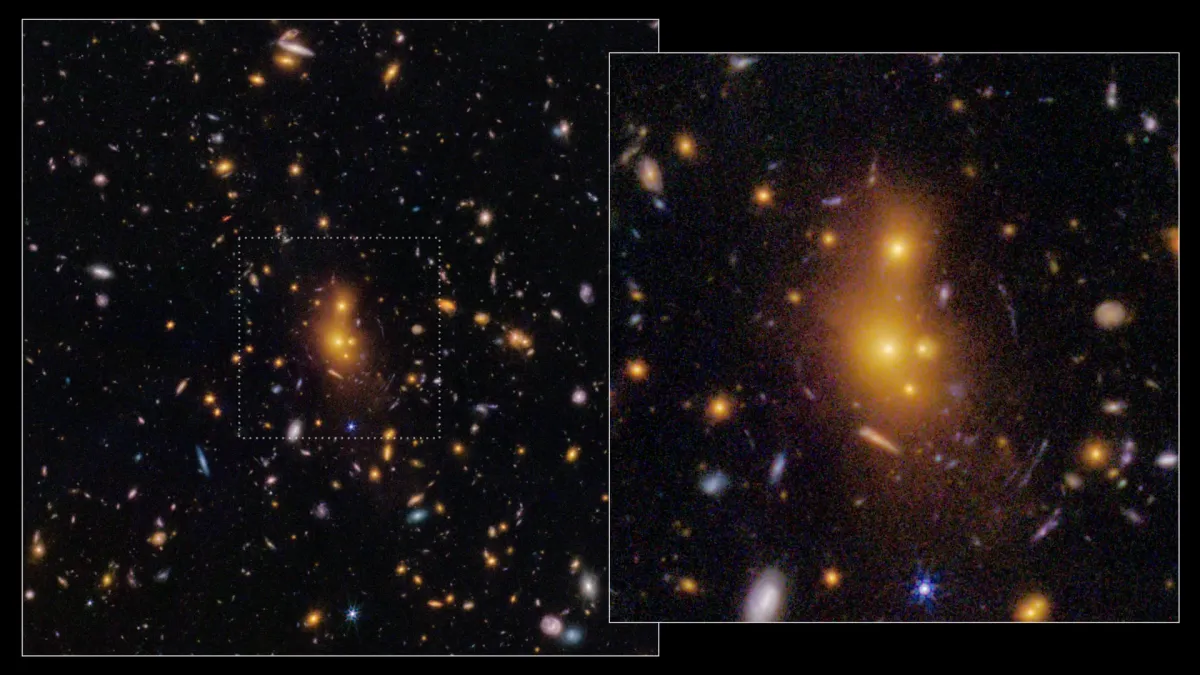
A massive galaxy cluster dating back to an era when such enormous structures were only beginning to take shape is challenging scientists' understanding of how the universe evolved. New observations from NASA's James Webb Space Telescope (JWST) reveal that the cluster contains an unusually dense concentration of matter, suggesting that some cosmic structures may have developed much faster than current models predict. The galaxy cluster, known as XLSSC 122, has become the focus of three recent studies led by researchers at IPAC, Caltech's science and data center for astrophysics and planetary science. Their findings establish XLSSC 122 as the most distant galaxy cluster known to exhibit strong gravitational lensing, a phenomenon that allows astronomers to measure the mass of otherwise invisible matter. The research was presented at a press conference on June 17, 2026, during the 248th meeting of the American Astronomical Society.

Science Daily·
Science

Vector Science and Therapeutics Corp. Announces Collaboration and SAFE Investment in Whoopi Wellness, Inc. - PR Newswire Canada

Investment advances collaboration on peptide-based products for women's wellness , /CNW/ -- Vector Science and Therapeutics Corp. (TSXV: PAIN) ("Vector" or the "Company") today announced that it has entered into a strategic relationship with Whoopi Wellness, Inc. ("Whoopi Wellness"), a subsidiary of WhoopFam LLC and co-founded by Whoopi Goldberg.

PR Newswire Canada·
Science

NASA Science, Cargo Launch on 35th SpaceX Resupply Mission to Station - NASA (.gov)

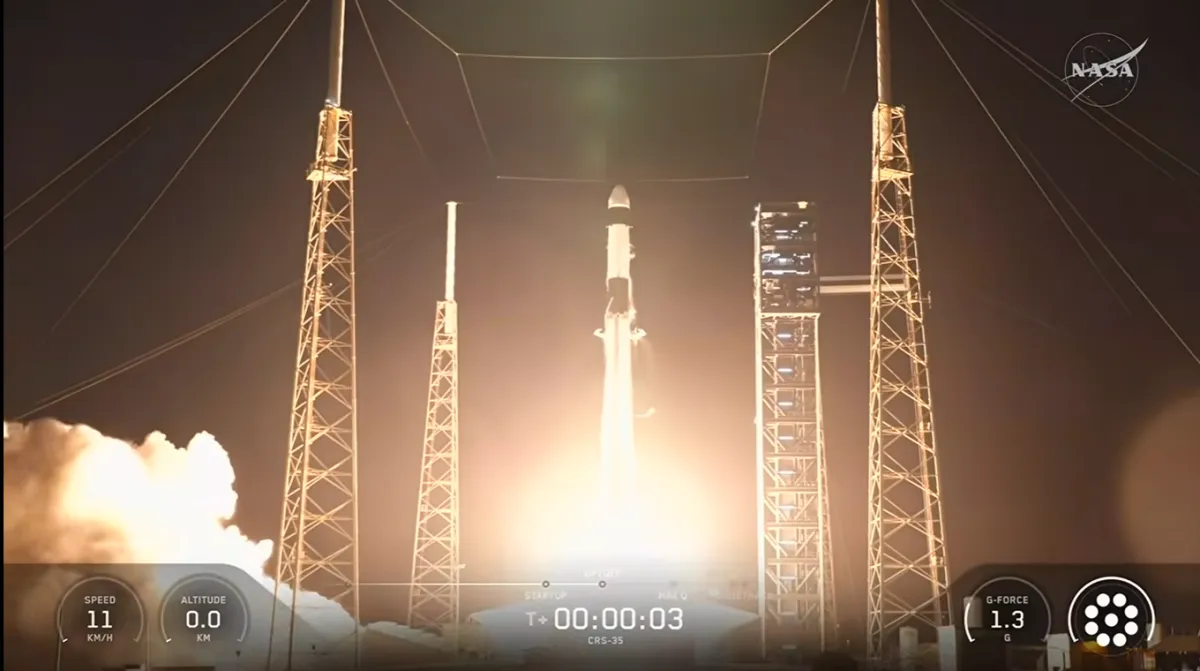
NASA’s SpaceX 35th commercial resupply mission lifted off at 6:33 a.m. EDT Tuesday aboard a Falcon 9 rocket from Space Launch Complex 40 at Cape Canaveral Space Force Station in Florida, carrying more than 6,300 pounds of supplies and hardware, bound for the International Space Station. Following its successful launch, the SpaceX Dragon spacecraft will carry new scientific experiments, cargo, and the final pair of International Space Station Roll-Out Solar Arrays to the orbiting laboratory. Dragon is scheduled to autonomously dock at 11 a.m., Thursday, Oct. 15, to the space-facing port of the space station’s Harmony module. NASA will stream rendezvous and docking coverage beginning at 9:15 a.m., through a variety of platforms. Learn where to watch online:

NASA (.gov)·
Science

NASA commercial space station proposal timeline set - SpaceQ

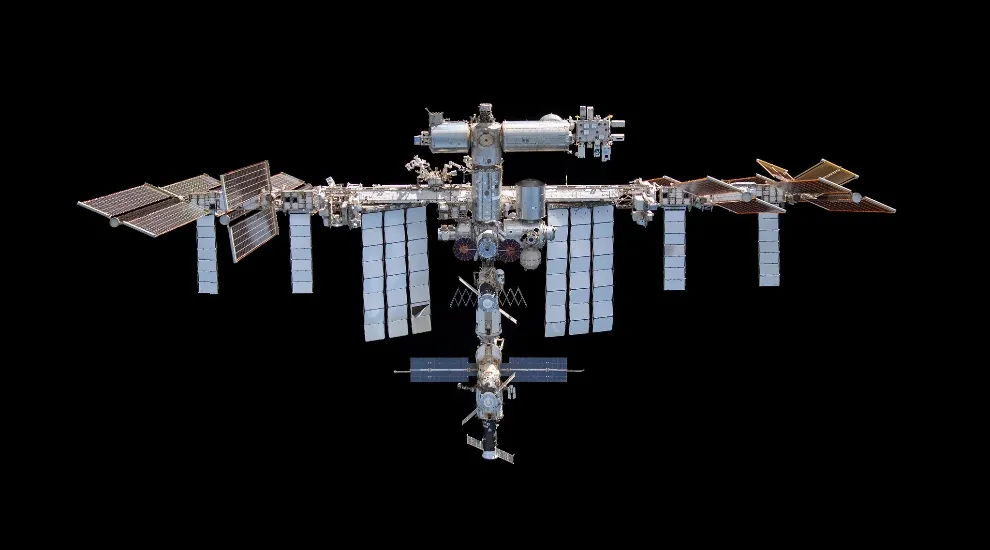
This mosaic depicts the International Space Station pictured from the SpaceX Crew Dragon Endeavour during a fly around of the orbiting lab that took place following its undocking from the Harmony module’s space-facing port on Nov. 8, 2021. Credit: NASA. Credit: NASA NASA released its final request for proposals (RFP) Friday for the commercial space stations meant to replace the International Space Station (ISS), setting a Dec. 8 deadline for bids and saying it expects to award contracts in spring 2027.

SpaceQ·
Science

Scientists discover a surprising paradox in how our cells age - Science Daily

Cells rely on a natural cleanup system to prevent damaged materials from accumulating inside them. Known as autophagy, this process collects defective proteins and other cellular waste, packages them into specialized compartments, and breaks them down into basic molecular components that can be reused. This recycling system helps protect cells from damage. Scientists have long considered declining autophagy a hallmark of aging, and problems with the process have been linked to numerous diseases, including cancer, cardiovascular disease, diabetes, and neurodegenerative disorders.

Science Daily·
Science

Scientists Had Mice Eat Olive Oil Before Carbs, And It Changed Their Blood Sugar Response - ScienceAlert

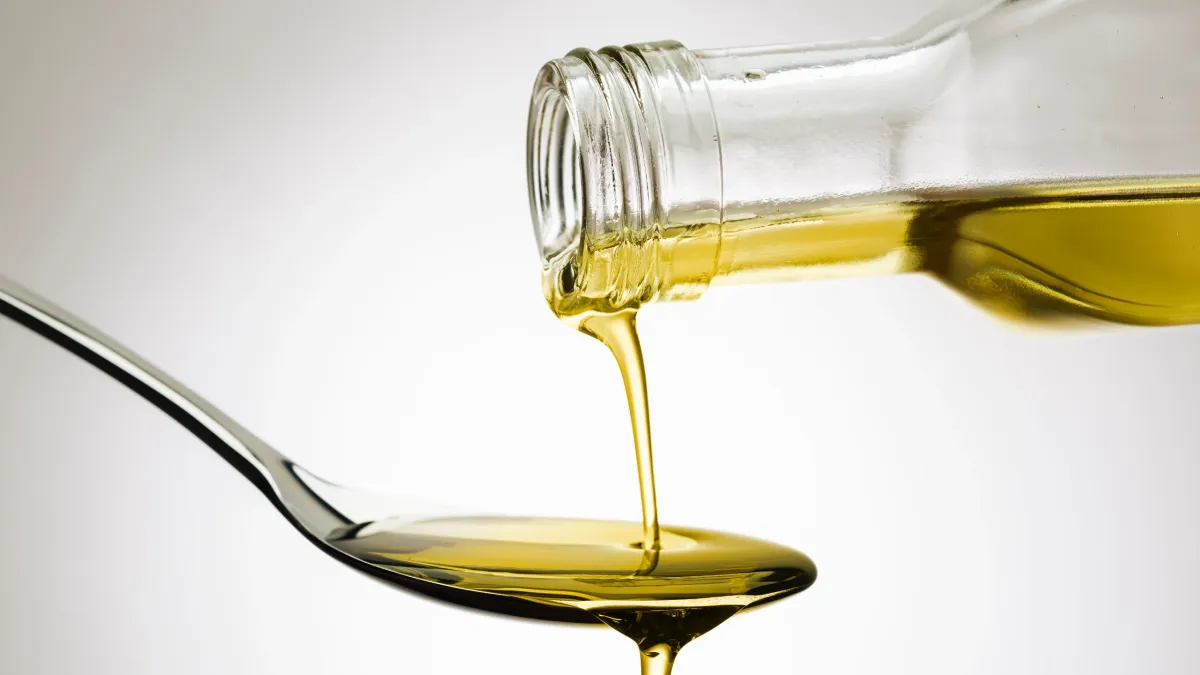
One of the core challenges in diabetes is controlling your blood sugar after eating, particularly when carbohydrates are involved. But new findings give further evidence that it's not just what you eat that matters when it comes to controlling blood glucose – when you eat is also an important factor. In a study published in Diabetes, researchers found that mice fed olive oil before consuming glucose saw a reduced increase in blood sugar afterward. "Our findings suggest that the order in which nutrients reach the gut can engage a coordinated hormone-nerve response that changes how quickly the stomach delivers glucose to the intestine," says endocrinologist Daisuke Yabe from Kyoto University. While the new findings have only been demonstrated in mice for now, it's not the first time we've seen evidence that the order foods are eaten can affect how blood sugar levels respond after a meal. Meal-sequencing is an emerging dietary approach to help treat and manage diabetes and obesity, with evidence showing that eating vegetables or foods rich in protein or in fat prior to eating carbohydrates helps to keep people's blood sugar lower. A visual breakdown of some of the key findings.

ScienceAlert·
Science

Quantum Design Oxford Announces Winner of the 2026 Nicholas Kurti Science Prize - The Quantum Insider

Dr. Chunyu Guo, a research group leader at the Max Planck Institute for the Structure and Dynamics of Matter, has received the 2026 Nicholas Kurti Science Prize for his research on quantum materials. Guo’s work examines quantum behaviour in kagome metals, including many-body quantum interference, long-range coherent charge transport, and electronic order under extreme conditions.

The Quantum Insider·
Science

Can NAD+ supplements help us age more healthily? Here’s what the science shows - The Conversation

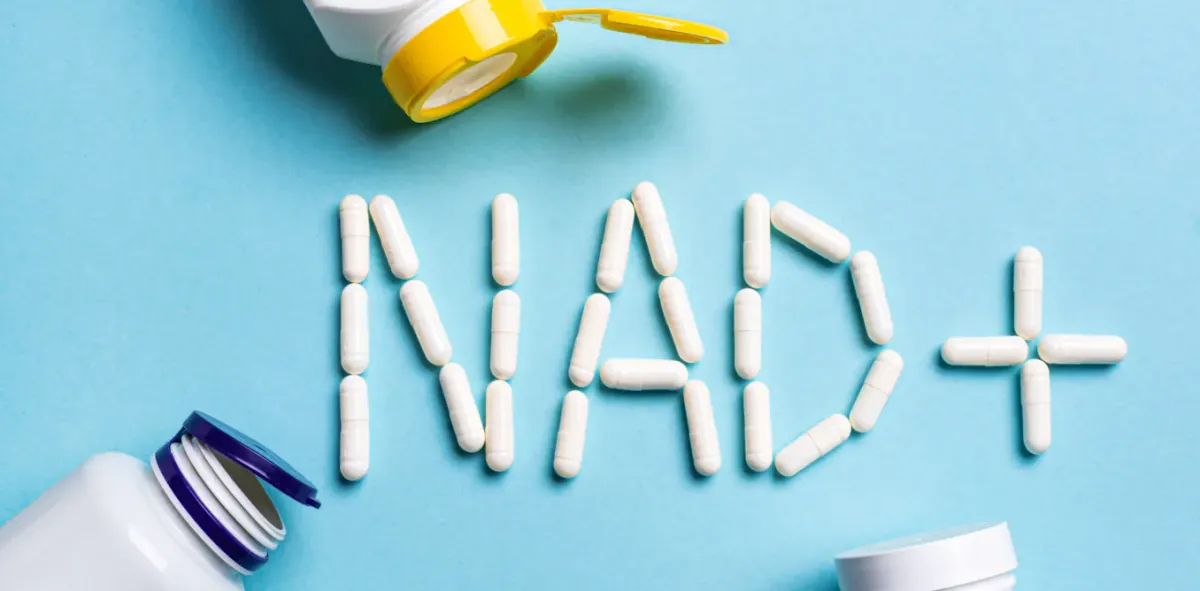
Anti-ageing supplements are everywhere, from advertising campaigns to social media feeds. Promising everything from increased energy to a longer life, they come in many forms, from powders containing multiple ingredients to single-nutrient capsules. One molecule in particular, NAD+, has attracted growing interest, with claims it can boost energy, improve vitality, slow ageing and even help us live longer.

The Conversation·
Science

Educators Should Embrace the 'Science of Math.' Here's Why (Opinion) - Education Week

The science of reading boom has created a groundswell of interest in whether there’s an analog for math. One of the more interesting thinkers on this count is Daniel Ansari, a professor of psychology and education at Western University in Ontario, where he directs the Numerical Cognition Laboratory. Daniel’s research focuses on how children develop mathematical and numerical skills, and he thinks there’s a lot of popular confusion regarding the “science of math.” I reached out to hear what he thinks we’re getting right and wrong. Here’s what he had to say.—RickRick: You study how young children learn math. How’d you get into that? Daniel: It happened rather accidentally. When applying to Ph. D. programs in psychology, I came across a position that involved investigating the numerical abilities of children with Williams syndrome, a rare genetic developmental disorder. The relationship between the two sounded interesting, so I applied and was accepted. Rick: There’s been much recent attention to the science of reading. Is there an analogous science of math? Daniel: Yes, there is.

Education Week·