Dr. Chunyu Guo, a research group leader at the Max Planck Institute for the Structure and Dynamics of Matter, has received the 2026 Nicholas Kurti Science Prize for his research on quantum materials.
Guo’s work examines quantum behaviour in kagome metals, including many-body quantum interference, long-range coherent charge transport, and electronic order under extreme conditions.
By Alejandra Pulido-Guzman on October 13, 2026.
LCI science teacher Cilena Mathieu, received the Primer Minister's Award for Teaching Excellence in STEM--photo by Alejandra Pulido-Guzmanapulido@lethbridgeherald.com
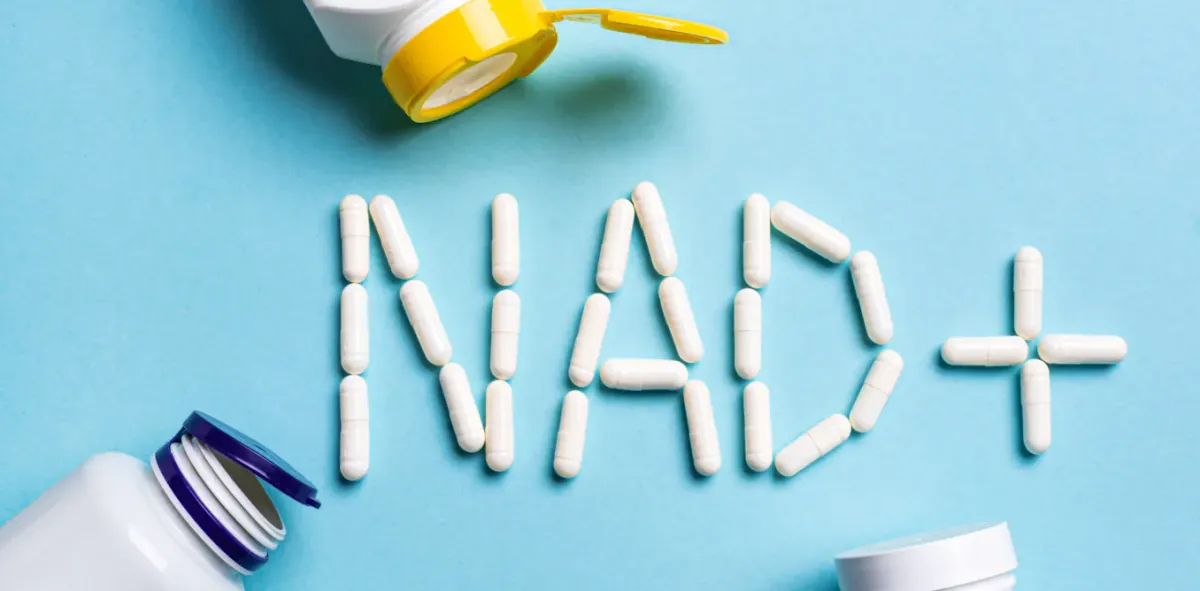
Anti-ageing supplements are everywhere, from advertising campaigns to social media feeds. Promising everything from increased energy to a longer life, they come in many forms, from powders containing multiple ingredients to single-nutrient capsules.
One molecule in particular, NAD+, has attracted growing interest, with claims it can boost energy, improve vitality, slow ageing and even help us live longer.
The science of reading boom has created a groundswell of interest in whether there’s an analog for math. One of the more interesting thinkers on this count is Daniel Ansari, a professor of psychology and education at Western University in Ontario, where he directs the Numerical Cognition Laboratory. Daniel’s research focuses on how children develop mathematical and numerical skills, and he thinks there’s a lot of popular confusion regarding the “science of math.” I reached out to hear what he thinks we’re getting right and wrong. Here’s what he had to say.—RickRick: You study how young children learn math. How’d you get into that? Daniel: It happened rather accidentally. When applying to Ph. D. programs in psychology, I came across a position that involved investigating the numerical abilities of children with Williams syndrome, a rare genetic developmental disorder. The relationship between the two sounded interesting, so I applied and was accepted. Rick: There’s been much recent attention to the science of reading. Is there an analogous science of math? Daniel: Yes, there is.
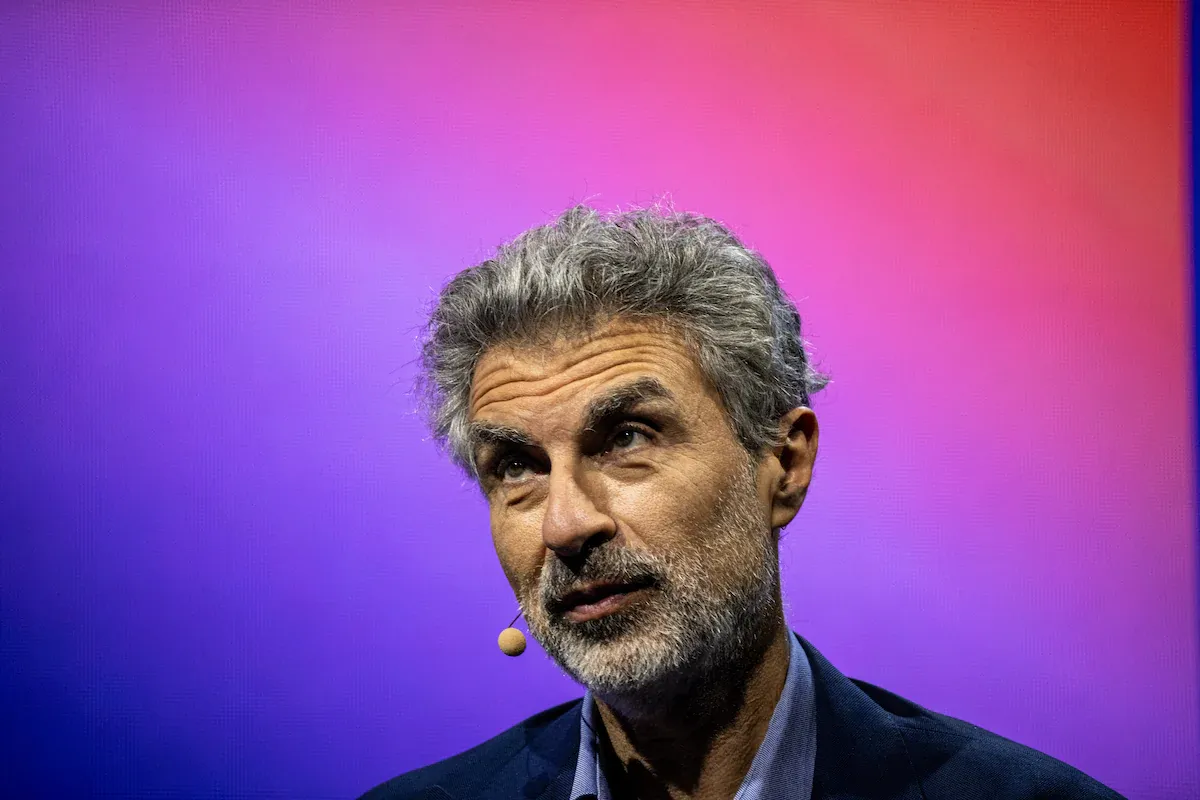
Open this photo in gallery:Signatories include Canadian AI pioneer Yoshua Bengio, along with researchers from 27 countries, including the United States, Germany, Britain and Australia. ANDREJ IVANOV/AFP/Getty ImagesMore than 260 scientists from around the world are calling for the creation of an international body to establish standards for developing safe artificial-intelligence models and for containing AI agents. In the past few months, agents developed by OpenAI have infiltrated the systems of the Australian government and several organizations, including AI company Hugging Face, alarming experts and underscoring the need for ways to control more powerful systems. Anthropic and Google have also recently disclosed breaches by their AI models during testing. “Without immediate changes in AI development and deployment practices, such incidents will continue to occur, and future incidents will be far more damaging to our exposed critical infrastructure,” the signatories wrote in an open letter published Tuesday.
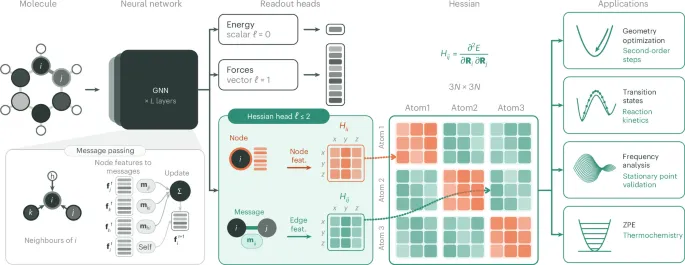
MainMolecular simulation is a cornerstone of material discovery and molecular design. While the prediction of energy and forces is often sufficient for structural dynamics, advanced computational chemistry workflows often depend on the molecular Hessian1,2. By describing the local curvature of the potential energy surface (PES), the Hessian is foundational to many computational workflows. Second-order geometry optimization relies on the curvature information to rapidly and reliably converge to equilibrium structures3. Transition state searches and extrema classification depend on the Hessian to correctly identify saddle points and reaction barriers, which are essential for parameterizing reaction rates and microkinetic models for longer time- and length-scale simulations4. Furthermore, mode-following transition state search methods directly leverage the curvature information to locate the transition states5. Finally, vibrational analysis uses Hessian eigenvalues to compute zero-point energy (ZPE) corrections and thermodynamic free energies bridging the gap from static molecules to nonzero temperature observables6.
A particle does not have to pass through a magnetic field to be influenced by it. That surprising feature of quantum physics has now been recreated by researchers at the University of Oxford, who used a hybrid quantum computer to demonstrate how an invisible magnetic influence can bring a simulated particle's movement to a complete stop.
The experiment reproduced a phenomenon known as the Aharonov-Bohm effect, in which a charged particle traveling around a region containing magnetic flux experiences a measurable change in its quantum state, even though its path never takes it through the magnetic field itself.
Feeling overwhelmed by stress or struggling to adjust when things go wrong? Everyday habits such as eating a nutritious breakfast, getting regular exercise, and sleeping enough may play an important role in how well your mind handles difficult situations.
New research from Binghamton University suggests that these healthy routines are connected to a mental skill called psychological flexibility, which helps people adapt to challenges and recover from stressful experiences.
The festival runs from 17 October to 7 November, with over 300 free events across the UK.
Researchers from 41 universities run sessions on all facets of social science, including:
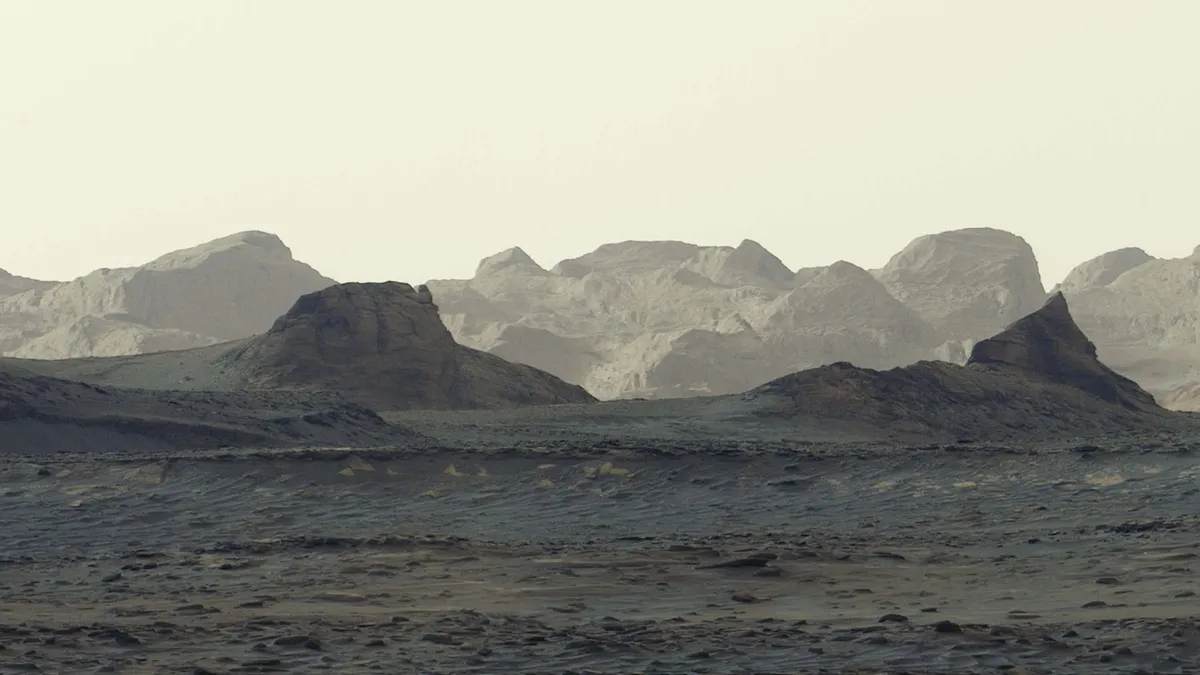
NASA's rover beamed back a series of shots depicting wind-carved crags on Mars illuminated by golden dawn light, which the space agency made into a panorama
Last Thursday, I attended the 12th Annual International Wrongful Conviction Day hosted by Innocence Canada at Osgoode Hall at the University of Toronto.
I can’t always make it, but I like to attend these events as I get to see and hear firsthand how exonerees have suffered and survived, and how their experiences have affected their loved ones. It’s always a moving experience. (I received the Tracey Tyler Award for my reporting on Glen Assoun at the 2018 event.)
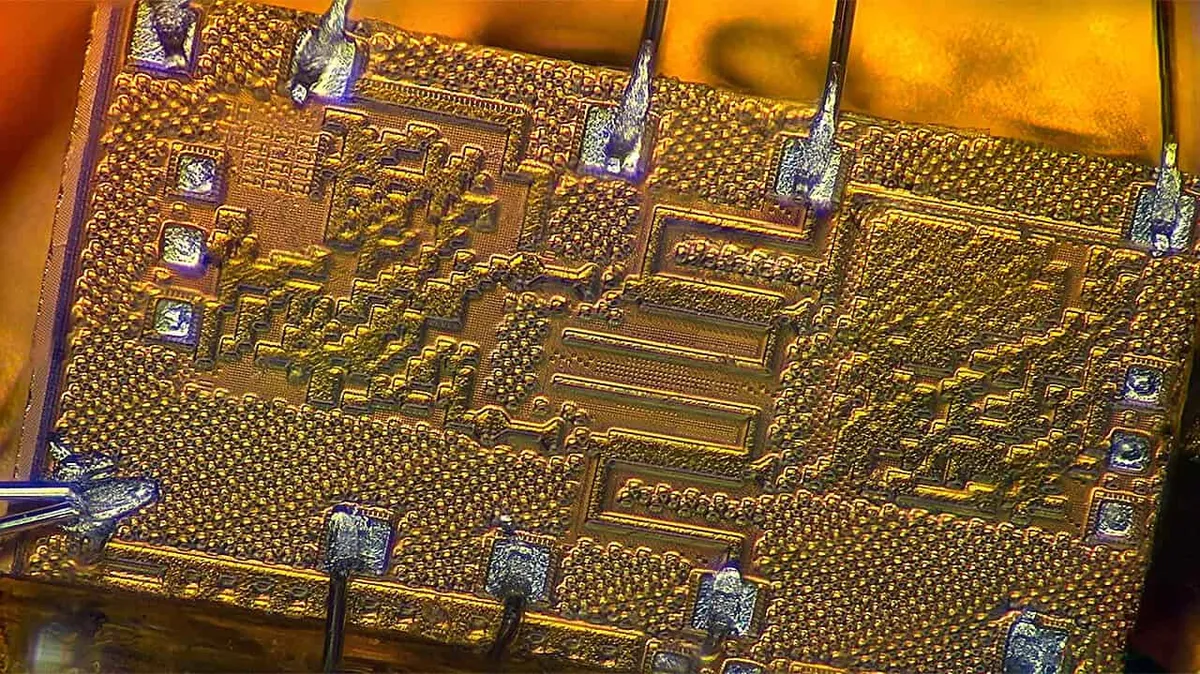
The AI design features unusual and efficient, circuitry patterns. Credit: Emir Ali Karahan, Princeton University.
Engineers usually design wireless chips using familiar patterns and templates, refining them through simulations and painstaking testing. But a series of studies is proposing a different approach: a deep-learning-enabled design process for creating circuits and components.
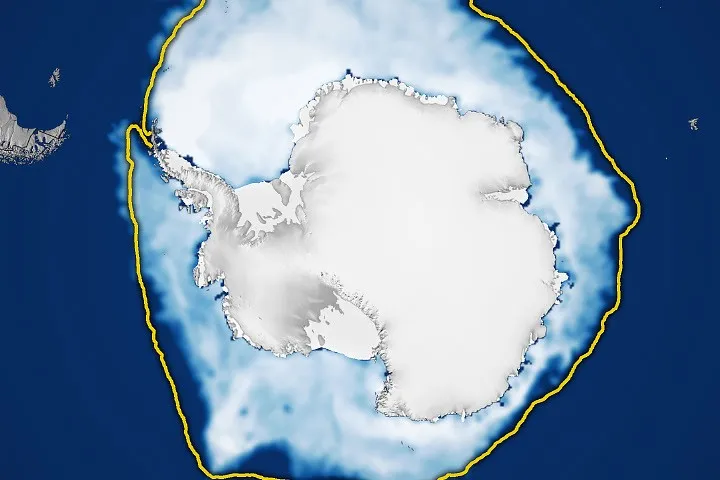
This story is an update to the Antarctic sea ice feature in our World of Change series tracking long-term change on Earth's surface through satellite imagery.
Unlike the Arctic—an ocean basin surrounded by land—the Antarctic is a large continent surrounded by an ocean. Because of this geography, sea ice has more room to expand during the winter. However, that ice also stretches into warmer latitudes, leading to more melting in the summer. Antarctic sea ice usually peaks in September, around the end of the Southern Hemisphere’s winter, and retreats to a minimum in February.
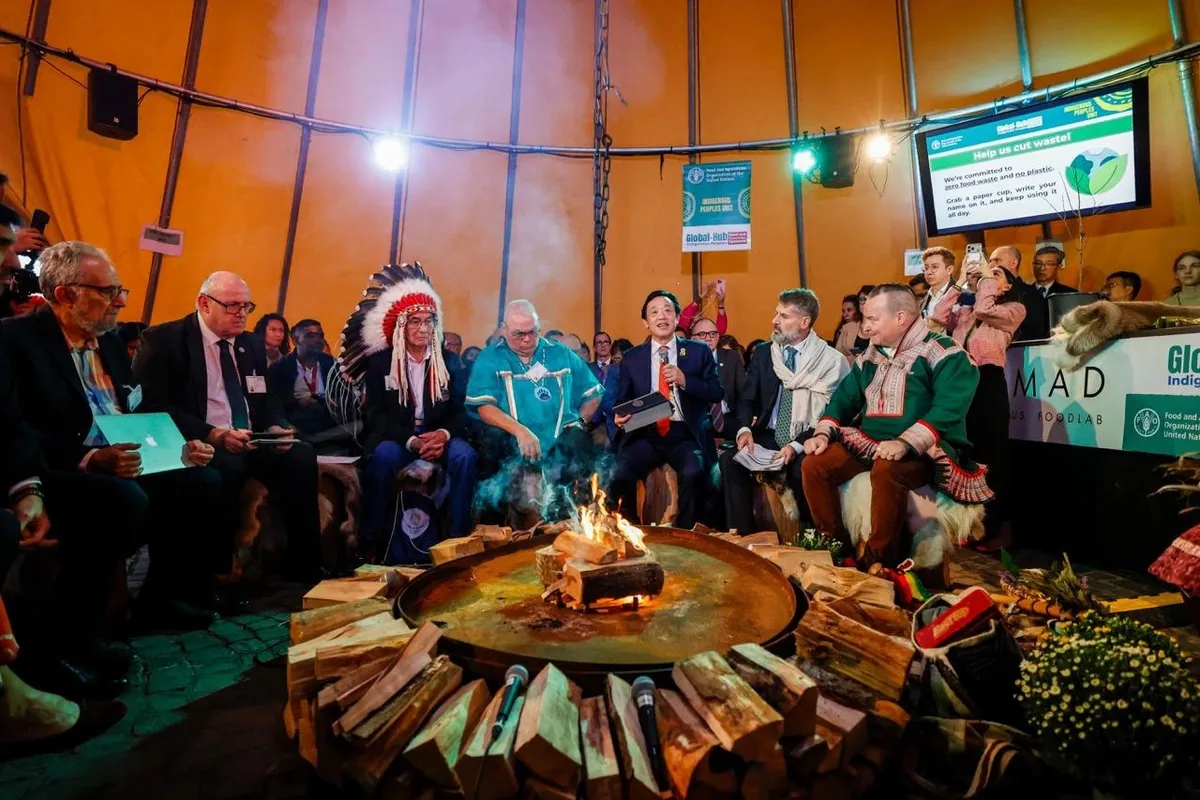
Rome – Indigenous and non-Indigenous experts and representatives from all seven sociocultural regions of the world gathered today for the opening ceremony of the fourth annual meeting of the Global-Hub on Indigenous Peoples’ Food and Knowledge Systems. Hosted in two Sámi nomadic tents, or Lavvus, an Indigenous Peoples’ territory has been created at the heart of the Food and Agriculture Organization of the United Nations (FAO) headquarters. Taking place during the week of World Food Day and the World Food Forum, the Global-Hub meeting will bring together Indigenous Peoples’ knowledge holders, leaders, experts and researchers to exchange experiences, co-create knowledge and strengthen the role of Indigenous Peoples’ knowledge and science in shaping responses to today’s global challenges. Opening the ceremony, FAO Director-General QU Dongyu acknowledged the shared history and ancestral connections that link all people to Indigenous Peoples. Reflecting on the role of the Global-Hub, he described its participants as humble intermediaries, helping to pass on knowledge from one generation to the next.
More than 250 attendees from over 75 life science organizations, including GSK, will gather in Philadelphia October 12–14 for ENGAGE 2026, eClinical Solutions’ eighth annual client and partner conference. The number matters less than what it signals: clinical data management is generating enough operational complexity that a vendor conference now draws that breadth of biopharma participation, with the explicit agenda of turning data intelligence into decisions rather than reports.
The timing is pointed. The FDA released its updated electronic systems and records guidance in October 2024, setting clearer expectations for how sponsors and investigators handle electronic data capture across clinical investigations. Teams still working out how to comply while keeping enrollment on track have real operational questions, and a focused gathering of this kind is where implementation specifics actually get worked through, not just announced.
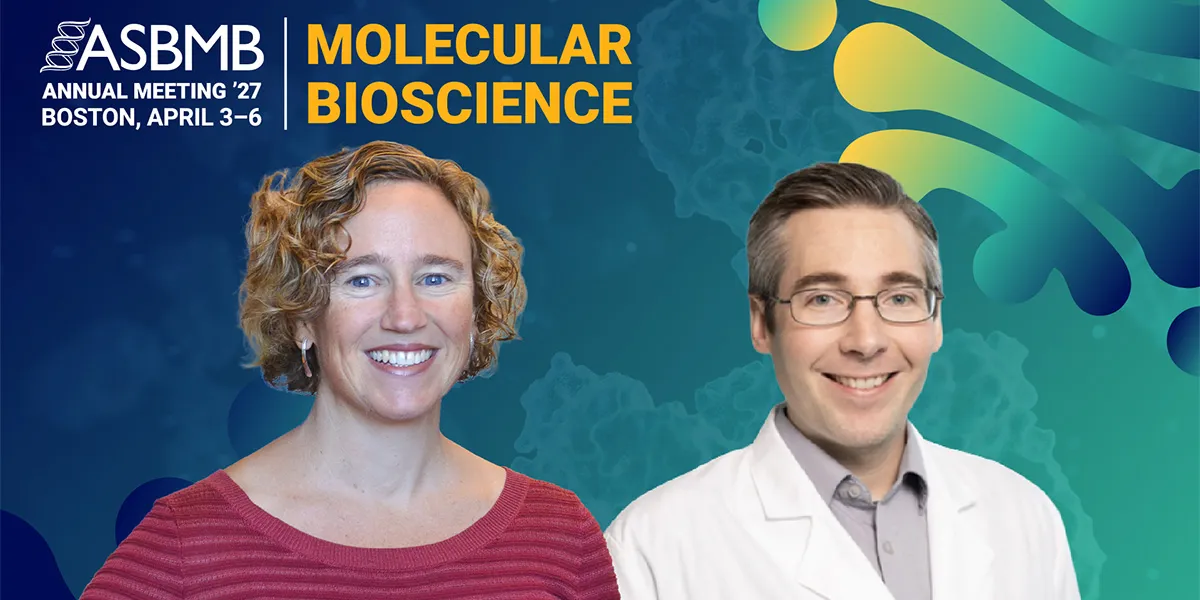
The 2027 American Society for Biochemistry and Molecular Biology Annual Meeting will take place April 3–6 in Boston. ASBMB Today spoke with co-chairs Amy Palmer of the University of Colorado Boulder and W. Mike Henne of the University of Texas Southwestern Medical Center about the scientific program, deep dive sessions and what researchers in the molecular life sciences can expect.
What cutting-edge science can attendees look forward to at ASBMB 2027?
American Society for Biochemistry and Molecular Biology·
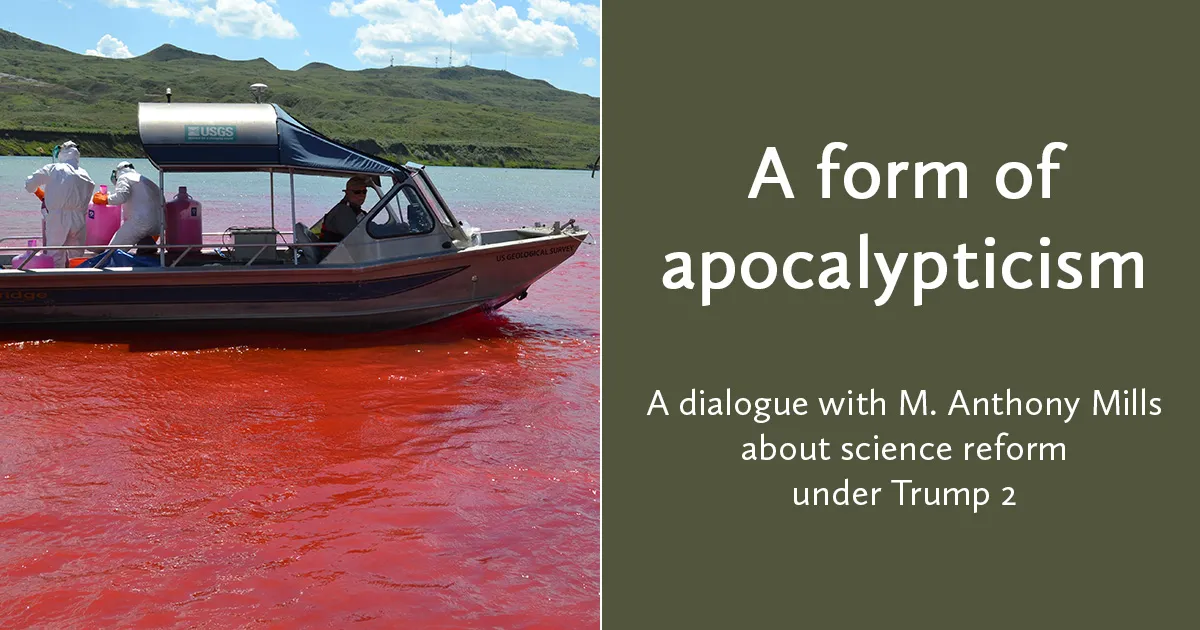
Ari Schulman: Tony, I’ve spent the past year trying to make sense of what the Trump administration’s agenda is for science.
It’s a tough job, because you hear two very different stories coming from the admin. One story is about restoring gold-standard science, restoring trust in science, solving the replication crisis, fueling cutting-edge research, and doing more to free scientists from needless grant paperwork and support them early in their careers. It’s a lofty story, practically a love letter to science. One of the narrators of this story writes in City Journal that “we should be working toward tapping the energy at the heart of the sun and hanging our achievements in the balance of the stars.”
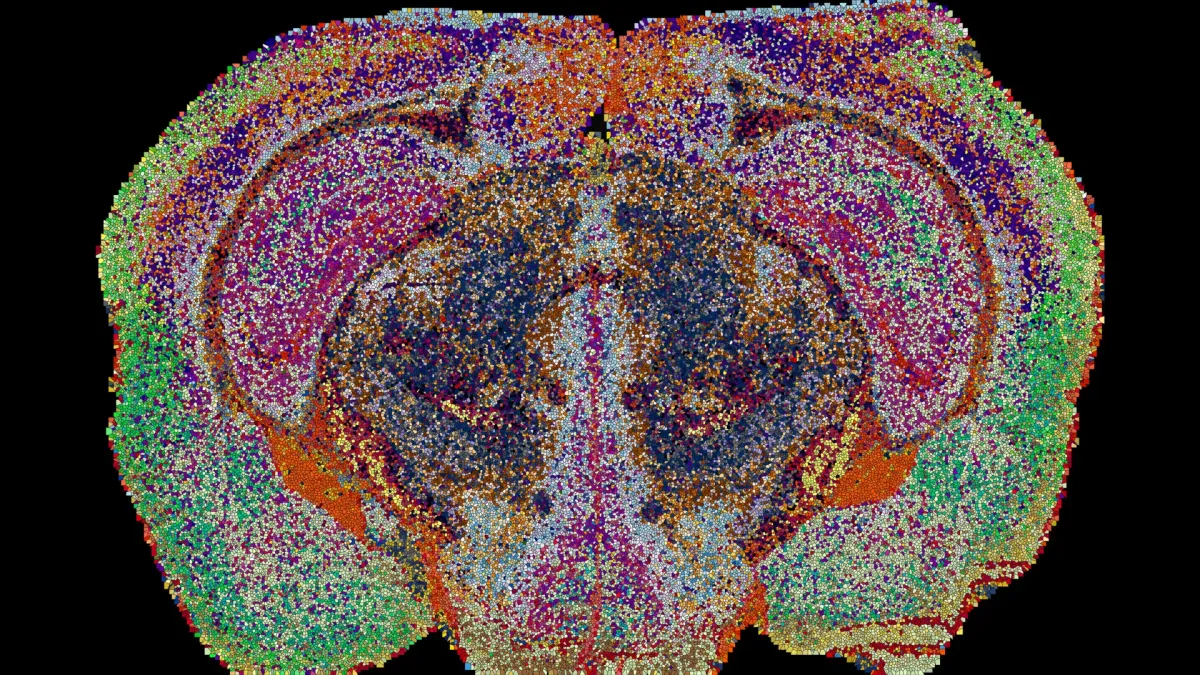
Scientists have spent decades studying the brain's cells, connections, genes, and proteins. Yet another essential part of brain biology has received far less attention: lipids. These fatty molecules make up the membranes surrounding neurons, contribute to the myelin insulation that protects nerve fibers, and play important roles in communication between brain cells.
Although lipids are fundamental to brain function, scientists have struggled to map where different types are located. Conventional imaging techniques cannot easily distinguish individual lipid molecules, leaving a major gap in our understanding of the brain's chemical organization.