BBlogFlow

Categories

Science

7008 articles

Science

Russian researchers map out water hotspots on Mars - Global Times

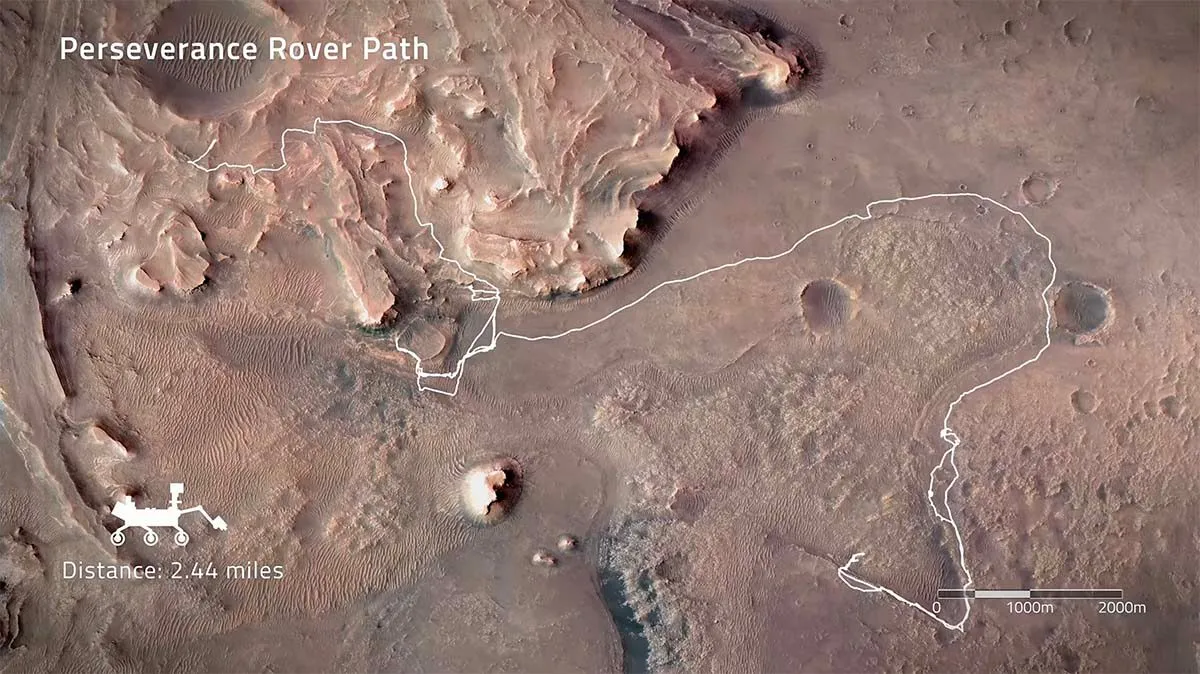
A team of Russian scientists has charted water-rich deposits on Mars in unprecedented detail, uncovering around 30 "water oases" after analyzing eight years of data from the FREND neutron detector aboard the ExoMars Trace Gas Orbiter. Two new concentrations of water-bearing minerals were identified, with estimated water content reaching 30 percent, up from 20 percent in the latest mappingScientists detected readings suggesting water content approaching 100 percent, though this does not confirm the presence of pure ice on the surface. The area explored by NASA's Curiosity rover is among the promising locations highlighted in the new mapThe number of known water-rich zones has risen from 23 to roughly 30. The new map could help future human missions locate water on Mars — both to produce oxygen for breathing and to generate hydrogen for rocket fuel. The findings were presented at the 17th Moscow Solar System Symposium.

Global Times·
Science

In a Huge First, Physicists May Have Found a Shortcut to Fusion Energy - ScienceAlert

The Sun at the center of our own Solar System is a great advert for nuclear fusion: ultra-high temperatures and pressures combining to fuse hydrogen nuclei together into helium nuclei, releasing a huge amount of energy along the way. If we can get the same reactions happening on Earth, nuclear fusion has the potential to drive a revolution in abundant, carbon-free energy – but replicating a star inside a science lab is proving as challenging as you might expect. Now, researchers from Princeton University have published a study in Physical Review Letters that details how we might get to nuclear fusion more quickly. It outlines what is effectively a shortcut to something called ignition, where plasma can maintain the necessary heat levels through its own fusion reactions. Thankfully for the non-physicists amongst us, the researchers provide an analogy. If ignition is a valley behind a mountain range, then their new idea is to circumvent the mountains, rather than trying to get over the top of them. "A lot of companies want to climb the mountain head-on and spend enormous energy to get there," says physicist Luis Delgado-Aparicio. "Go around the peak instead.

ScienceAlert·
Science

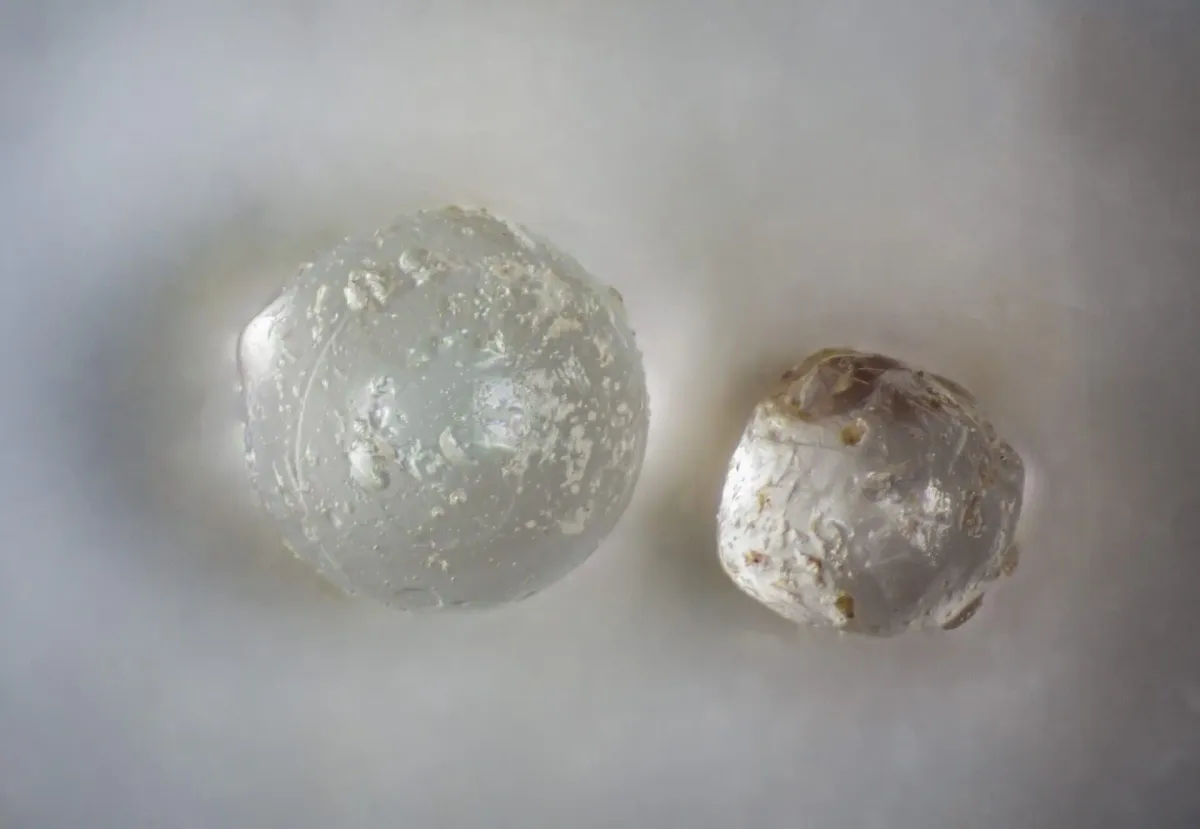
In 2006, A Florida Man Sifting Mud Out Of Fossil Clams Found 83 Tiny Glass Beads Inside. They Had Been Blasted Out By A Meteorite Impact - Futura, le média qui explore le monde

He was looking for microscopic shells in a Sarasota County quarry. What he found sat in a drawer for years before anyone understood where it came from. In the summer of 2006, Mike Meyer was doing the kind of work that never makes the news. An undergraduate at the University of South Florida, he had joined a fieldwork project in a quarry in Sarasota County, on Florida’s Gulf Coast, led by Roger Portell of the Florida Museum of Natural History. The students were collecting fossil clams, and Meyer’s job was to sieve the sediment packed inside them.

Futura, le média qui explore le monde·
Science

Scientists alarmed as Super El Niño collides with ‘strange uptick’ in Galapagos iguana trafficking - Simon Fraser University

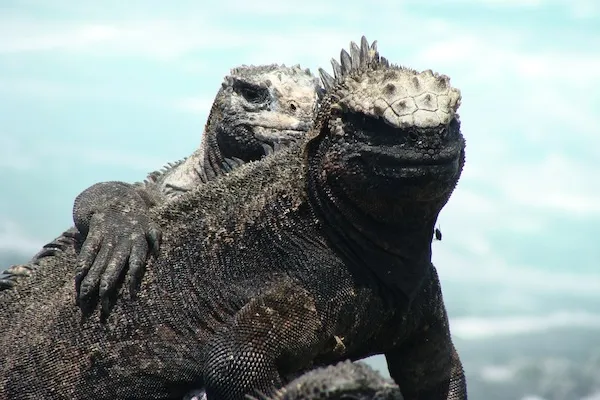
A pair of Galapagos marine iguanas soak up the sun on Marchena Island in the Galapagos Archipelago. Photo by Juan José Alava. The only lizard in the world that can live and forage at sea may now be in a fight for survival. International scientists warn black-market trafficking of Galapagos marine iguanas is peaking just as the Super El Niño decimates their natural food source.

Simon Fraser University·
Science

Artemis III Scientist Shares What to Expect From NASA’s Next Lunar Mission - WIRED

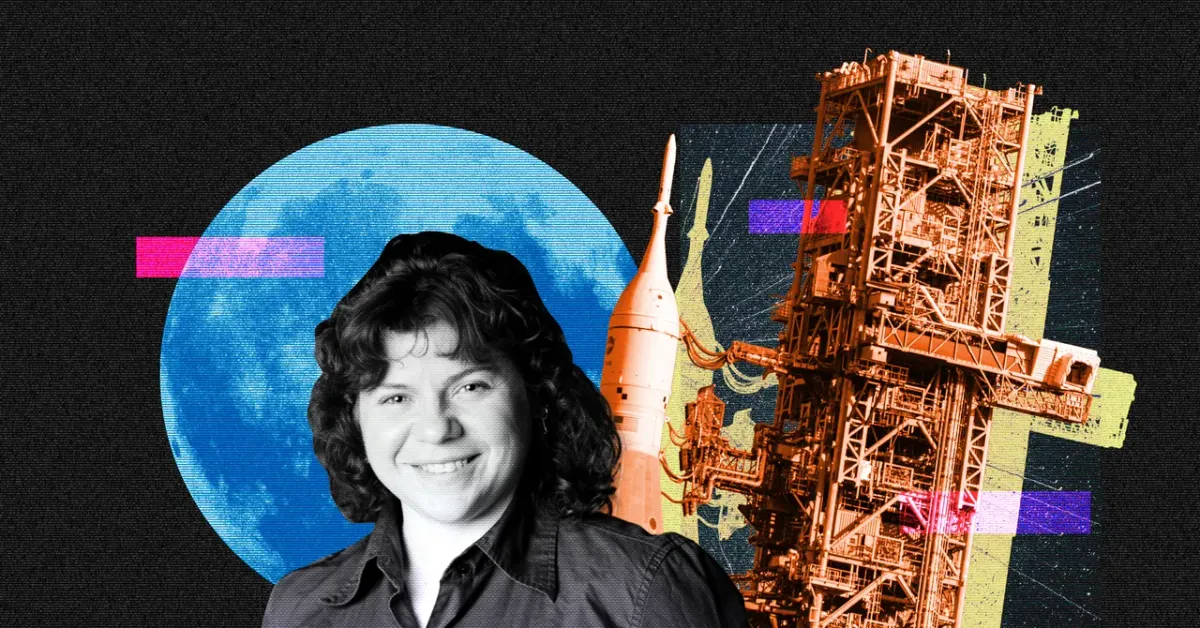
Oct 15, 2026 5:15 AMThough scaled back from initial plans of landing, the voyage will serve as a dress rehearsal for when humans return to the moon’s surface. “If you just want to take pictures, you do that with robots. With the Artemis missions, we’re trying to use the humans to their best capability,” says Artemis III scientist Barbara Cohen. Photo-Illustration: Rodrigo Meade; Courtesy of NASAFor years, NASA hoped to bring humans back to the moon’s surface, and Artemis III was going to be the mission to accomplish this feat. That will no longer be the case. Following the successful Artemis II flyby last April, the program’s schedule was revised. According to the most recent announcements, the next mission will have to wait until 2028, and while the new plans are admittedly less spectacular than a lunar landing, they’re hardly dispensable. In 2027, NASA plans to test in Earth orbit whether the Orion capsule can safely rendezvous and operate with commercial lunar landing systems from SpaceX and Blue Origin before attempting those same maneuvers around the moon.

WIRED·
Science

A New Way To Spot Excitonic Order Could Unlock Quantum Materials - Quantum Zeitgeist

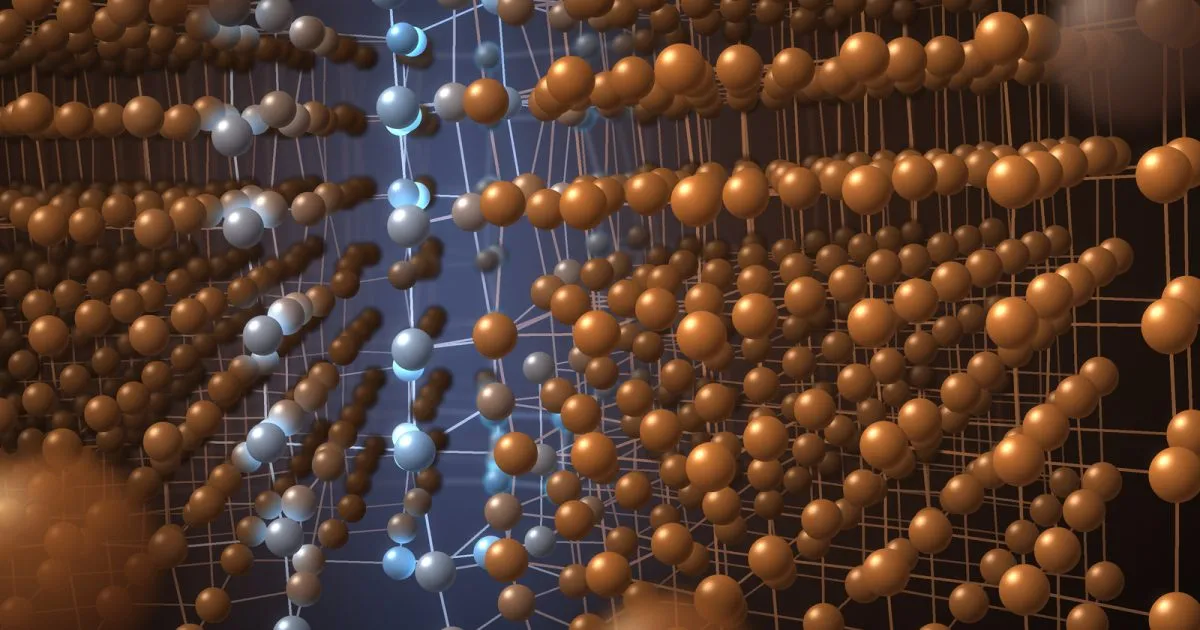
Demonstrating the existence of excitonic insulators remains a significant challenge despite improvements in materials synthesis and spectroscopic tools. These unusual materials rely on a ground state formed by spontaneously interacting electron-hole pairs, differing fundamentally from traditional insulators. Researchers are now focusing on layered chalcogenides and even artificial excitonic platforms as potential candidates for realizing this elusive state. The team outlines essential theoretical ingredients and experimental fingerprints, proposing strategies to distinguish excitonic order from competing phases and identifying frontiers for the next decade of research. Distinguishing excitonic order from other insulating states requires identifying signatures beyond standard spectroscopic techniques. Layered chalcogenides, both in two and three dimensions, are receiving increased attention as potential hosts for these excitonic states, alongside the more novel development of artificial excitonic platforms. “We survey the rapidly expanding family of candidate materials,” the review states, highlighting the growing interest in these systems.

Quantum Zeitgeist·
Science

Swarming robots to tackle space debris - European Space Agency

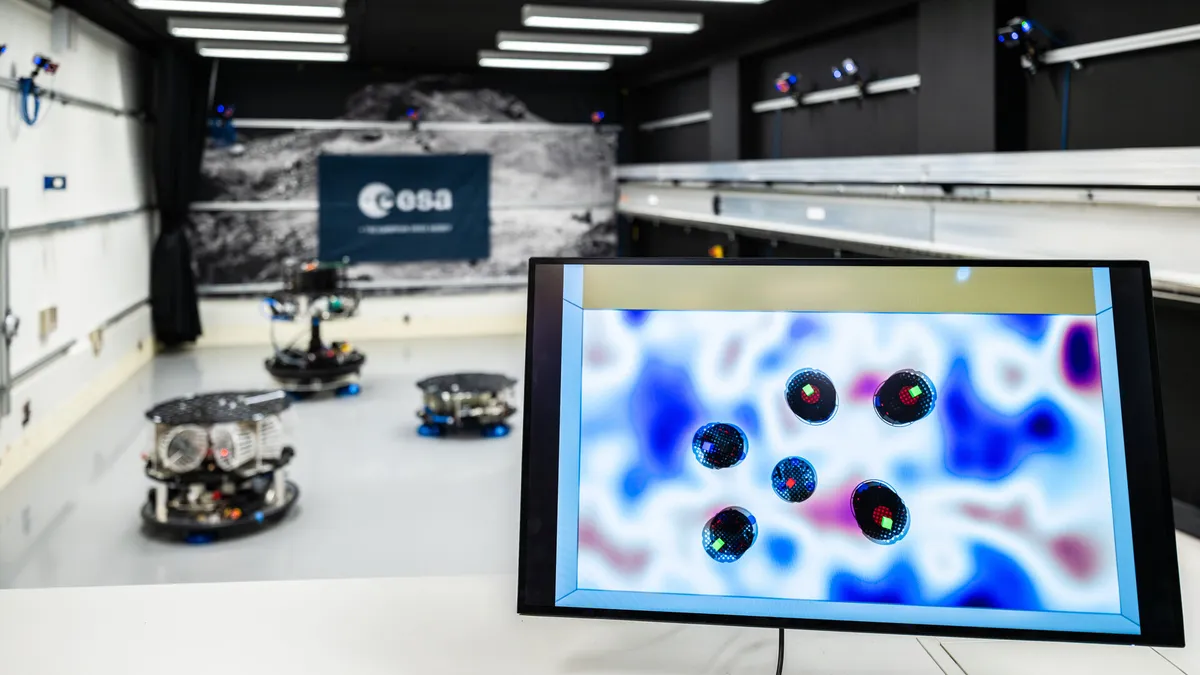
Resembling a brightly coloured artwork, a virtual environment software replicates the real-life setup shown right behind the screen – a group of robotic platforms hovering over an extremely flat floor. While the real setup includes only three objects, the screen displays three more virtual ones alongside them. The minds behind this experiment are part of Star-bots, a student team from the University of Bologna, Italy. They are one of the teams selected for this year’s edition of the ESA Academy Experiments Programme, which gives students access to testing facilities and technical guidance. The Star-bots team’s project tackles the issue of space debris. The number of non-functional objects in space is growing – some are satellites that have reached the end of their lifetime, ran out of fuel, or have collided with others and broke up into smaller pieces. The team’s experiment addresses this by testing how a swarm of autonomous robots could help with active debris removal, a process of cleaning up non-functional objects from space by grabbing onto them and changing their orbit to reenter the atmosphere and burn up.

European Space Agency·
Science

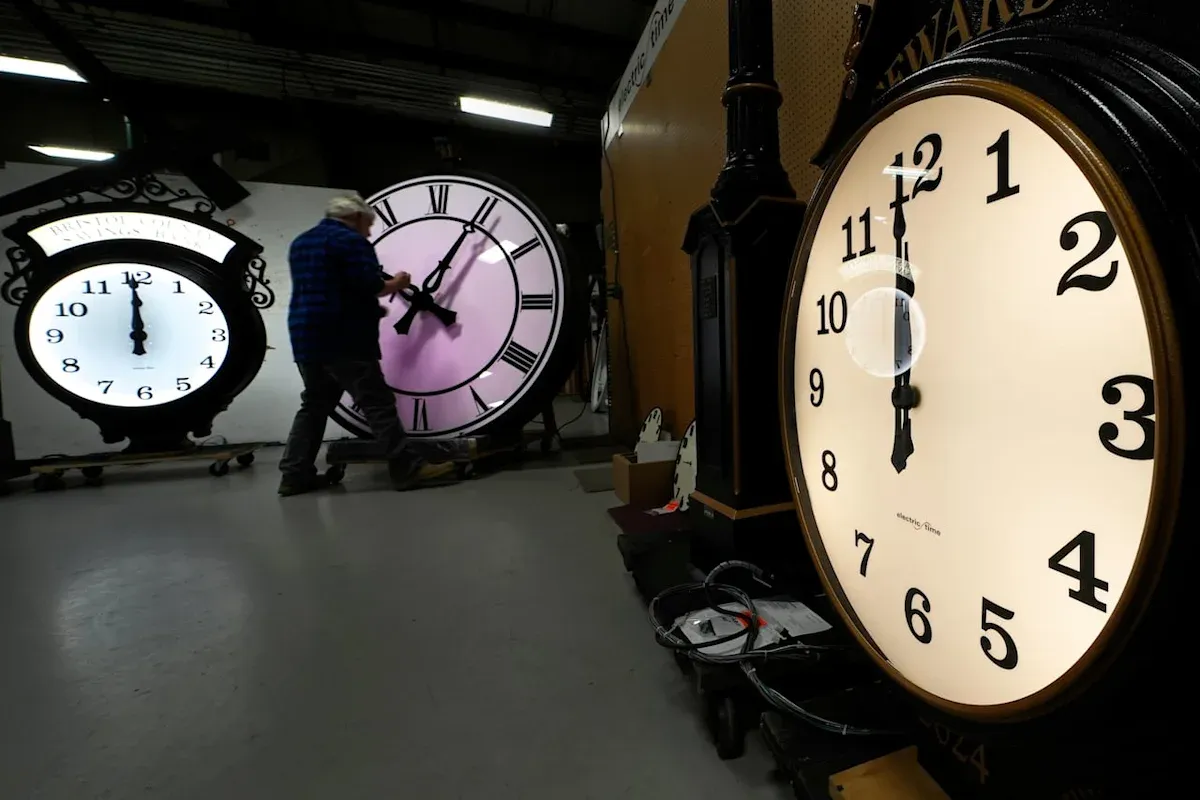
Clockmaker Scott Gow adjusts the hands of a clock at the Electric Time Company in Medfield, Mass., in 2024. An international body voted to do away with leap seconds and let the clocks slip until they're out of alignment by a full hour. - Yahoo News Canada

Skip to mainThu, October 15, 2026 at 8:00 a.m. UTCFor more than 50 years, humanity has used "leap seconds" to keep our clocks aligned with the rotation of the Earth. On Thursday, an international time-keeping body in France voted to do away with leap seconds and let the clocks slip until they're out of alignment by a full hour — meaning it could be centuries, or even millennia, before another tweak is needed.

Yahoo News Canada·
Science

Elsevier Commits to Accelerate AI-Driven Science Across Europe - PR Newswire

Commitment to the European Commission's AI in Science Enablers Initiative includes 4,000 complimentary AI product licenses, support for new research collaborations, and expanded PhD, postdoctoral, and master's training in AI-assisted research , /PRNewswire/ -- Elsevier, a global leader in advanced information and decision support in science and healthcare, today announced its pledge to the European Commission's AI in Science Enablers Initiative.

PR Newswire·
Science

Food Science Pilot Plant Internship Helps Student Find Passion and Gain Experience | Newswise - Newswise

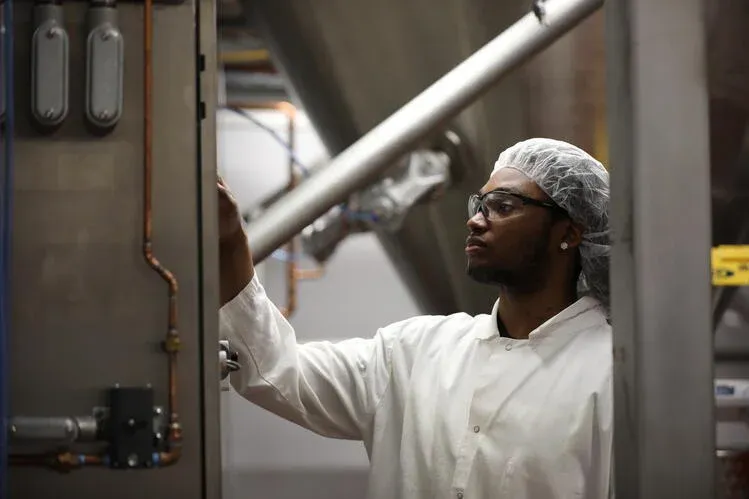
Newswise — Tucked away in the far southern part of the University of Illinois Urbana-Champaign campus is the Food Science Pilot Plant, a flexible, state-of-the-art space for food processing. As part of the Department of Food Science and Human Nutrition and working alongside the Integrated Bioprocessing Research Laboratory, the Pilot Plant includes a food analysis laboratory, product development kitchen, and the pilot plant itself, which features an array of food processing equipment that allows scientists and external clients in food manufacturing to develop and test novel products at scales well beyond the lab bench. “We develop foods made from crops grown on University of Illinois farms, produce products for University Dining, test new ingredients and processing methods, and scale products such as extruded cereals, snacks, powders, beverages, and other foods,” said Jedi Brown, a Senior Pilot Plant specialist. The plant is also an educational asset for future food science leaders.

Newswise·
Science

SENDING SYDNEY’S SCIENCE HOME | Why You Should Watch International Headlines - The Hoya

Science has always been an international discipline at its heart. Global collaborations are the crux of many noteworthy innovations, as the recent Nobel Prizes indicate. This semester, I have been lucky enough to live on Australia’s east coast, where I can study science and explore the country’s natural beauty. In my time abroad, this topic has been at the forefront of my mind — and the recent Eureka Prizes, which celebrate exciting new Australian scientific discoveries, demonstrate why science studies must remain up-to-date with international headlines. As Georgetown University science students, the work that makes headlines today is essential to our futures. First, it is simply exciting; remembering the global scientific community’s ingenuity is inspiring. Second, today’s news will shape the research landscape as we transition into graduate schools, research positions or science-related careers. Third, staying informed across international borders sets the foundation for informed collaboration and international collaboration.

The Hoya·
Science

5,000 years ago, these forests drowned. Now they're thriving reefs – home to oysters, sponges, sharks, rays and turtles - BBC Wildlife Magazine

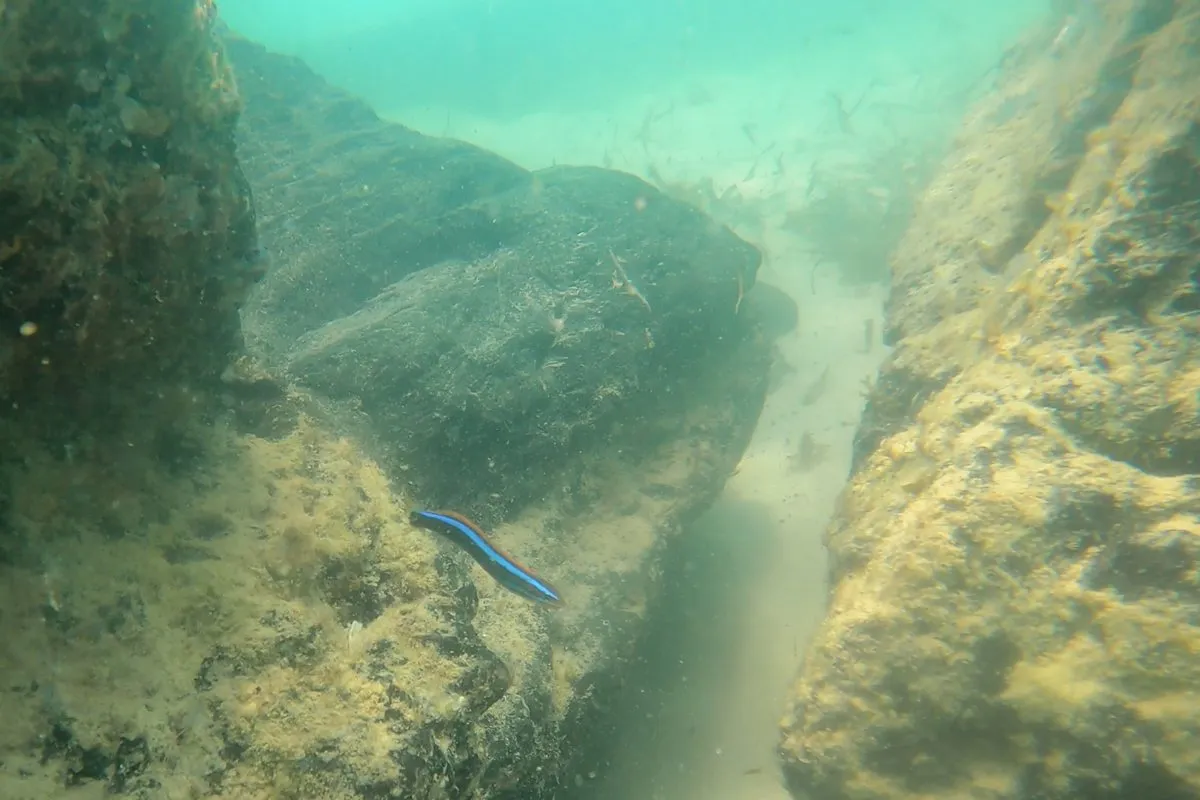
Researchers in Bazaruto, Mozambique, have discovered the underwater remains of forests that were submerged by rising seas thousands of years ago – and they were surprised by the amount of biodiversity living on these so-called ‘peat reefs’. Using radiocarbon dating, the scientists found that the reefs formed between around 300 and 5,000 years ago. Published in the journal Scientific Reports, the paper is believed to be the first ecological study of tropical peat reefs.

BBC Wildlife Magazine·
Science

Saudi researchers launch landmark space mission to study aging and brain disorders - アラブニュース

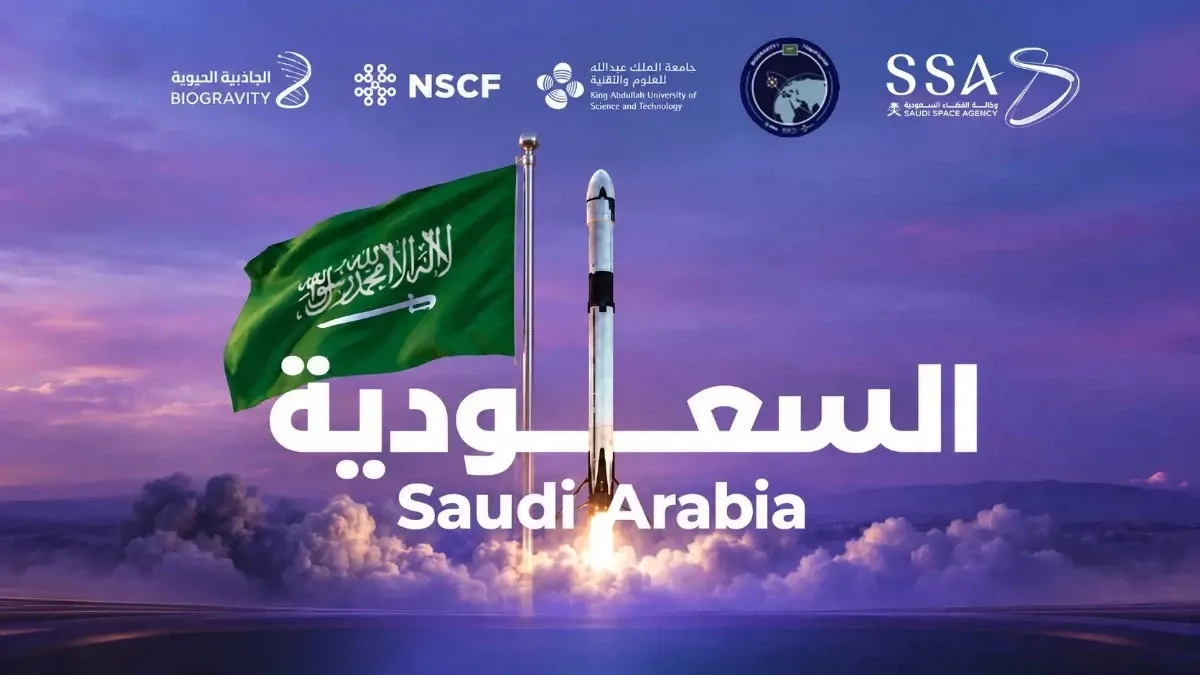
RIYADH: The Kingdom has launched the first biological samples from the Middle East to space as part of the BioGravity-1 mission aboard a SpaceX resupply flight to the International Space Station, the Saudi Press Agency reported recently. The launch, led by the Saudi Space Agency and the King Abdullah University of Science and Technology, marks the first phase of a long-term research program aimed at advancing studies into Alzheimer’s disease, multiple sclerosis and other neurodegenerative conditions. The mission was carried into orbit aboard the SpaceX CRS-35 mission to the International Space Station with support from NASA. BioGravity-1 is designed to establish a scientific baseline for future research by sending biological samples from healthy donors into the microgravity environment of space. Researchers will study how cells respond to conditions that cannot be replicated on Earth and examine biological changes linked to aging and neurological diseases. The mission includes two experiments, SSA-1 and SSA-2, developed by KAUST.

アラブニュース·