BBlogFlow

Categories

Science

8048 articles

Science

Food Science Pilot Plant Internship Helps Student Find Passion and Gain Experience | Newswise - Newswise

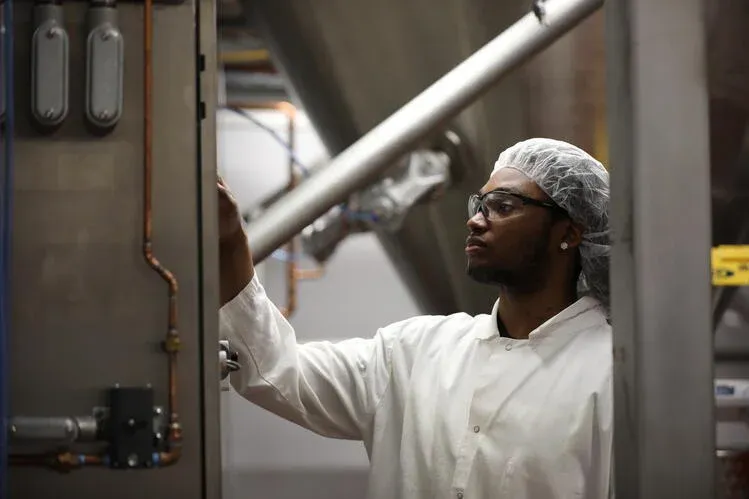
Newswise — Tucked away in the far southern part of the University of Illinois Urbana-Champaign campus is the Food Science Pilot Plant, a flexible, state-of-the-art space for food processing. As part of the Department of Food Science and Human Nutrition and working alongside the Integrated Bioprocessing Research Laboratory, the Pilot Plant includes a food analysis laboratory, product development kitchen, and the pilot plant itself, which features an array of food processing equipment that allows scientists and external clients in food manufacturing to develop and test novel products at scales well beyond the lab bench. “We develop foods made from crops grown on University of Illinois farms, produce products for University Dining, test new ingredients and processing methods, and scale products such as extruded cereals, snacks, powders, beverages, and other foods,” said Jedi Brown, a Senior Pilot Plant specialist. The plant is also an educational asset for future food science leaders.
Newswise·
Science

SENDING SYDNEY’S SCIENCE HOME | Why You Should Watch International Headlines - The Hoya

Science has always been an international discipline at its heart. Global collaborations are the crux of many noteworthy innovations, as the recent Nobel Prizes indicate. This semester, I have been lucky enough to live on Australia’s east coast, where I can study science and explore the country’s natural beauty. In my time abroad, this topic has been at the forefront of my mind — and the recent Eureka Prizes, which celebrate exciting new Australian scientific discoveries, demonstrate why science studies must remain up-to-date with international headlines. As Georgetown University science students, the work that makes headlines today is essential to our futures. First, it is simply exciting; remembering the global scientific community’s ingenuity is inspiring. Second, today’s news will shape the research landscape as we transition into graduate schools, research positions or science-related careers. Third, staying informed across international borders sets the foundation for informed collaboration and international collaboration.

The Hoya·
Science

5,000 years ago, these forests drowned. Now they're thriving reefs – home to oysters, sponges, sharks, rays and turtles - BBC Wildlife Magazine

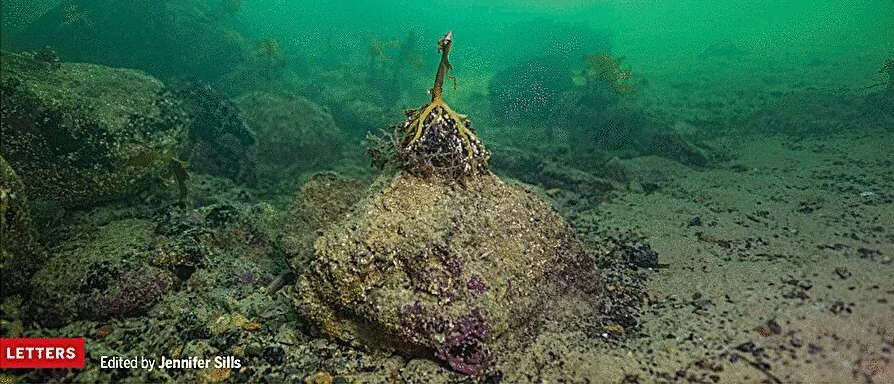
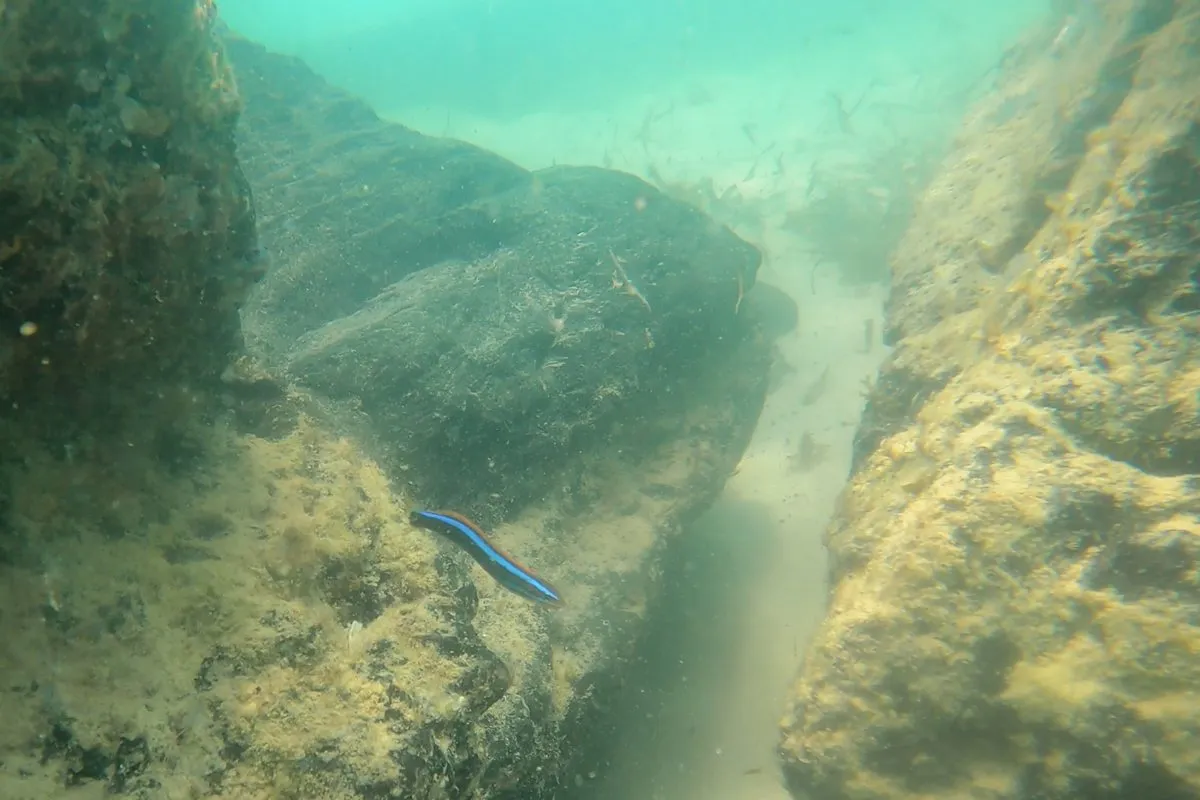
Researchers in Bazaruto, Mozambique, have discovered the underwater remains of forests that were submerged by rising seas thousands of years ago – and they were surprised by the amount of biodiversity living on these so-called ‘peat reefs’. Using radiocarbon dating, the scientists found that the reefs formed between around 300 and 5,000 years ago. Published in the journal Scientific Reports, the paper is believed to be the first ecological study of tropical peat reefs.

BBC Wildlife Magazine·
Science

Saudi researchers launch landmark space mission to study aging and brain disorders - アラブニュース

RIYADH: The Kingdom has launched the first biological samples from the Middle East to space as part of the BioGravity-1 mission aboard a SpaceX resupply flight to the International Space Station, the Saudi Press Agency reported recently. The launch, led by the Saudi Space Agency and the King Abdullah University of Science and Technology, marks the first phase of a long-term research program aimed at advancing studies into Alzheimer’s disease, multiple sclerosis and other neurodegenerative conditions. The mission was carried into orbit aboard the SpaceX CRS-35 mission to the International Space Station with support from NASA. BioGravity-1 is designed to establish a scientific baseline for future research by sending biological samples from healthy donors into the microgravity environment of space. Researchers will study how cells respond to conditions that cannot be replicated on Earth and examine biological changes linked to aging and neurological diseases. The mission includes two experiments, SSA-1 and SSA-2, developed by KAUST.

アラブニュース·
Science

AI is changing who we are as humans, says science pioneer - thenationalnews.com

NewsExpand News submenuChevronCollapse News submenuChevronBusinessExpand Business submenuChevronCollapse Business submenuChevronOpinionExpand Opinion submenuChevronCollapse Opinion submenuChevronFutureExpand Future submenuChevronCollapse Future submenuChevronClimateExpand Climate submenuChevronCollapse Climate submenuChevronCultureExpand Culture submenuChevronCollapse Culture submenuChevronLifestyleExpand Lifestyle submenuChevronCollapse Lifestyle submenuChevronSportExpand Sport submenuChevronCollapse Sport submenuChevronSticky Menu SearchVideoPlay01:39Latest videosClose

thenationalnews.com·
Science

Strokes have nearly doubled among younger adults, and scientists aren't sure why - Science Daily

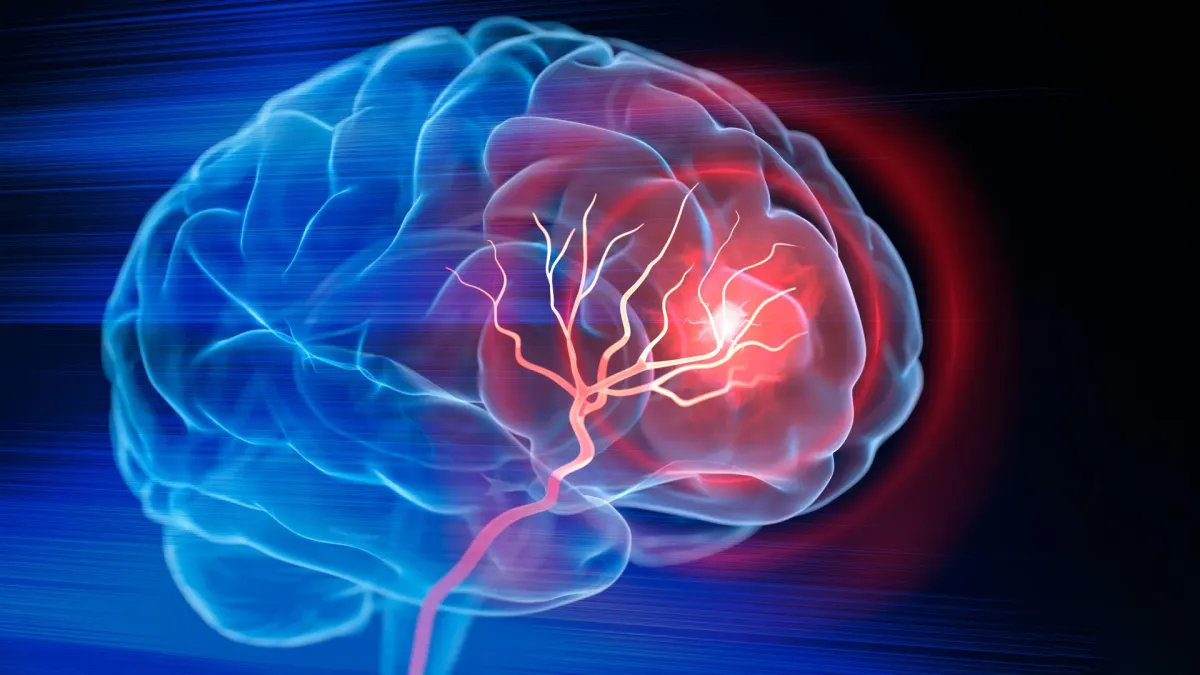
Strokes are becoming increasingly common among younger adults, challenging the long-held belief that they primarily affect older people. A study examining nearly three decades of medical data found that stroke rates among adults ages 20 to 54 nearly doubled, even as the chances of surviving a stroke improved. The findings, published September 23, 2026, in Neurology, the medical journal of the American Academy of Neurology, reveal a concerning trend in the Greater Cincinnati and Northern Kentucky region. Although more people are surviving strokes, the growing number of cases means that more younger adults could face lasting health complications.

Science Daily·
Science

‘More dangerous than T-rex’: Tiger-sized dinosaur discovered in 100-year-old fossil - Ynetnews

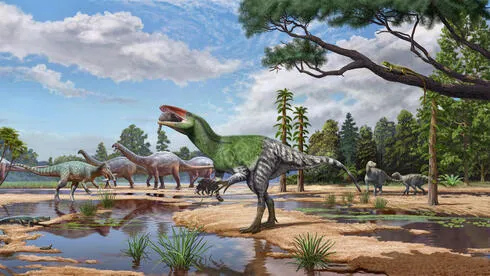
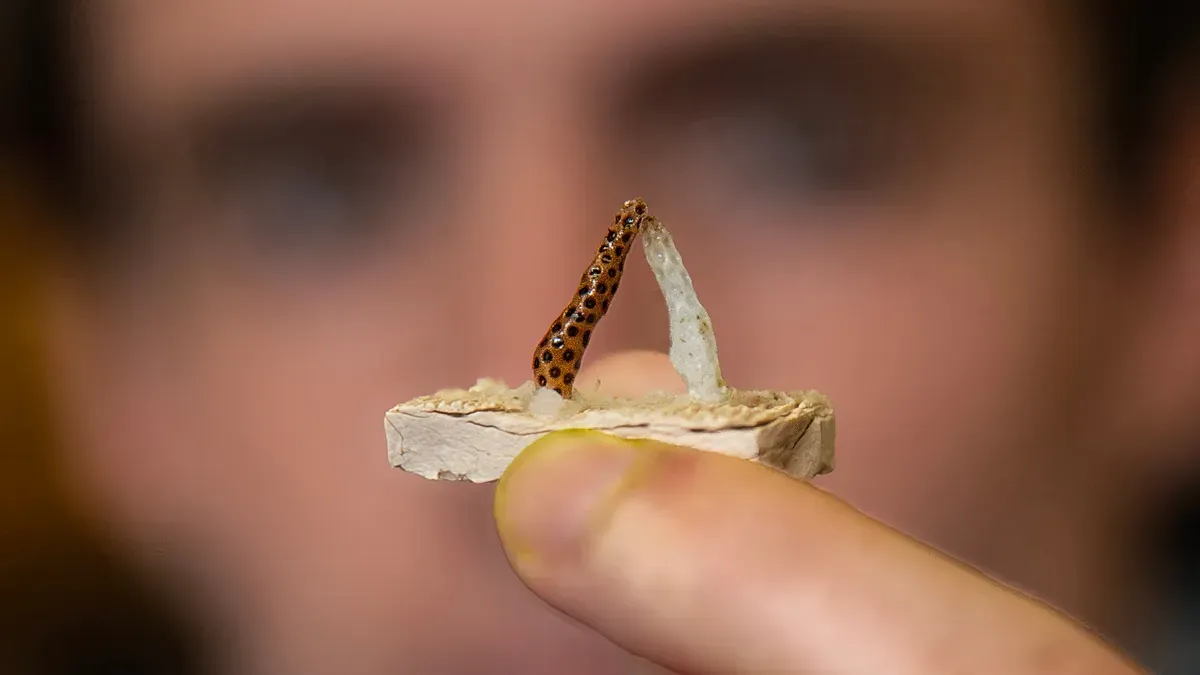
A skull fragment stored at London's Natural History Museum since 1924 has revealed a previously unknown predator with claws up to 20 centimeters long; the discovery provides the first evidence of megaraptorans in Europe and helps explain how they spread across the prehistoric worldA new species of predatory dinosaur, roughly the size of a large tiger and armed with long, curved claws, has been identified from a fossil that spent more than a century in the collections of London's Natural History Museum. Originally discovered on the Isle of Wight off England's southern coast, the fossil belongs to a previously unknown member of the megaraptoran group, providing the first evidence that these formidable hunters once roamed Europe. The dinosaur, named Invictibellatrix amberina, is described in a study published in the journal Royal Society Open Science. It belonged to a group of agile, two-legged carnivores known as megaraptorans, which were related to tyrannosaurs, including the famous Tyrannosaurus rex. Gallery Invictibellatrix amberina (Photo: Sergey Krasovskiy and Pedro Salas)Unlike T.

Ynetnews·
Science

Ozempic and Wegovy linked to rare risk of sudden vision loss - Science Daily

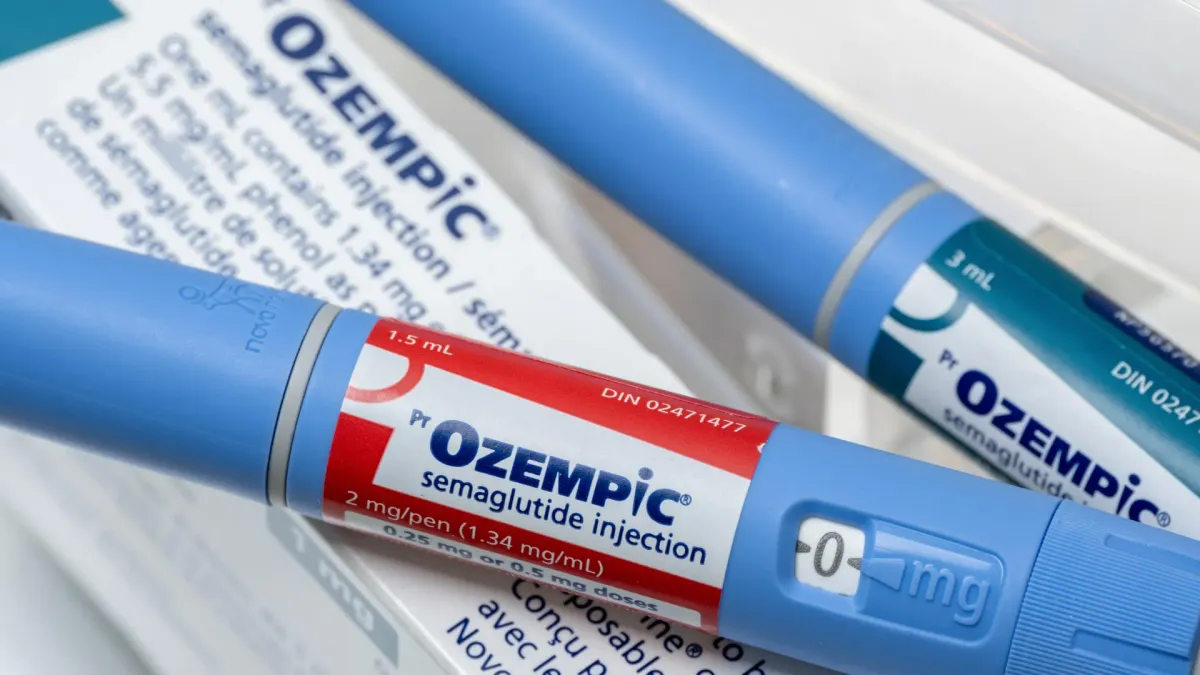
A large study led by Rutgers researchers has identified a possible vision risk associated with widely used diabetes and weight loss medications, including Ozempic and Wegovy. The findings suggest that people taking these drugs may face a slightly higher risk of developing a rare eye condition that can cause sudden and potentially permanent vision loss. The condition, known as ischemic optic neuropathy, occurs when blood flow to the optic nerve is reduced. Because the optic nerve carries visual information from the eye to the brain, damage to it can lead to significant vision problems.

Science Daily·
Science

Fires Arrive in the Amazon Rainforest - NASA Science (.gov)

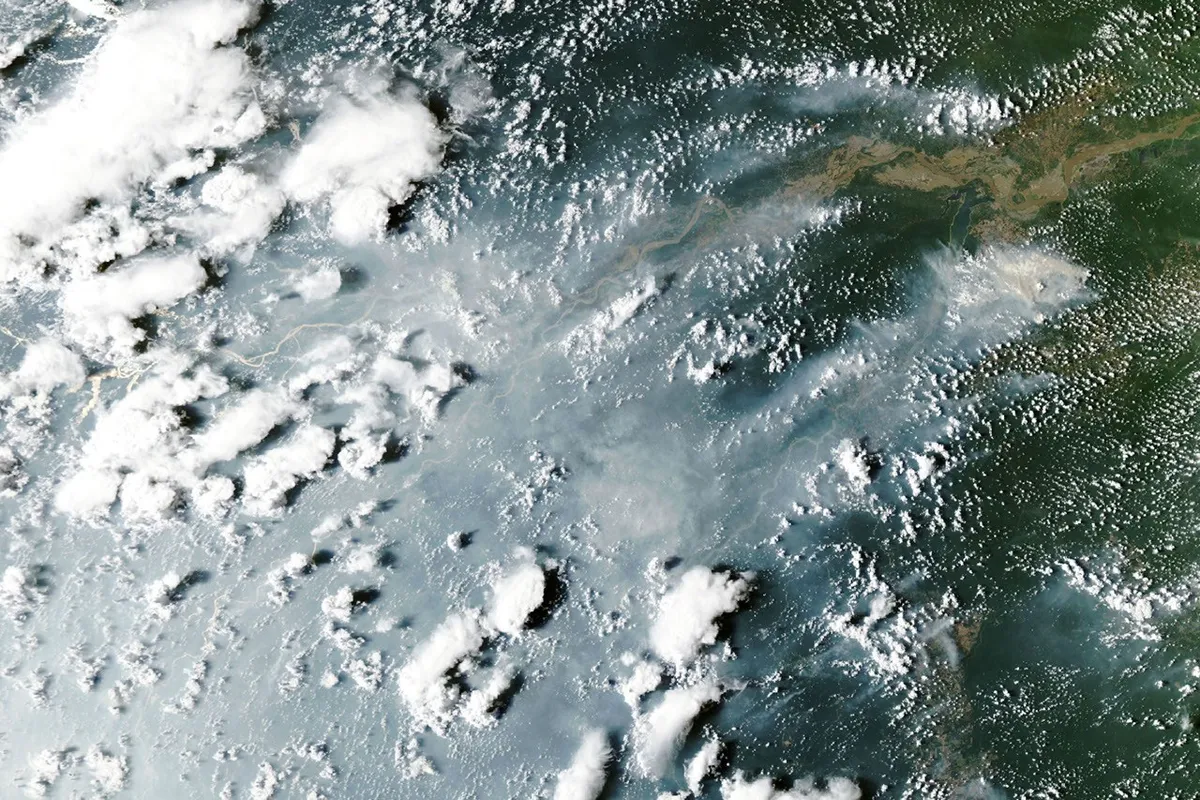
6 min readImage of the Day for October 15, 2026During El Niño, a cascade of fires across the tropics begins in equatorial Asia and continues in the central and eastern Amazon. NASA Earth ObservatoryOct 15, 2026 Article Unlike a tornado or thunderstorm that can deliver destruction in minutes, El Niño exerts its influence over many months. This year, a drought accompanying El Niño has left the Amazon rainforest primed to burn, and scientists say the region has entered the early stages of what they think will be a long and severe fire season.

NASA Science (.gov)·
Science

The 8 best science fantasy books of the 21st century, so far - Polygon.com

Break genre barriers with spacefaring necromancers and aliens employing goblins The legendary science fiction writer Arthur C. Clarke once said, “Any sufficiently advanced technology is indistinguishable from magic.” The lines between sci-fi and fantasy blur in some of the most popular entertainment franchises like Star Wars, Warhammer 40,000, and the Marvel Cinematic Universe, along with classic book series like Dune and Dragonriders of Pern. If you’re looking for a new world to explore and can’t decide if you want it filled with spaceships or dragons, you don’t necessarily have to choose. Just pick something from this list of the best science fantasy books of the 21st century.

Polygon.com·
Science

US intel pause, Starlink outages leave Ukraine vulnerable to Russian attack - The Christian Science Monitor

Typically, when Russian missiles and drones are about to strike, Kyiv receives advance warning from the U. S. military. But for two nights this week, it did not – dramatically raising the risk to residents who had no time to seek shelter. “Everything was very fast,” Maksym, a local, told the Kyiv Independent newspaper. “We didn’t even understand anything.” Windows were blown out by an initial blast overnight on Tuesday, he said, after which he and his partner evacuated to their corridor, then to a bomb shelter. The two-day stoppage of early warnings raised alarm bells in Ukraine, where Russia has been increasing bombardments of power plants and, that night, hit a nine-story building in Kyiv and other civilian sites, killing five people. The lack of alerts in Kyiv was just one facet of a spate of broader restrictions on U. S. support implemented over the past week, underscoring Ukraine’s continued dependence on Washington and on Elon Musk’s SpaceX company. SpaceX operates Starlink satellites critical to Ukraine’s defense against Russia’s jet-powered drones, as well as to Ukraine’s own drone attacks against Russia.

The Christian Science Monitor·
Science

Trump’s diesel deal is causing concerns among European allies - The Christian Science Monitor

Shocking. But not surprising. That best sums up the response from Ukraine and America’s longtime allies in Europe to President Donald Trump’s announcement that he’s waiving U. S. sanctions and has arranged to buy millions of tons of diesel fuel from Russia. The “shocking” part was the suddenness, timing, and extent of Mr. Trump’s policy swerve. It came as U. S., Ukrainian, and European negotiators had been meeting to discuss a framework for ending the war, and only weeks after he signed a unanimous Senate bill endorsing tighter sanctions on Russian oil exports. It also came at a time when the Iran war had left Ukraine desperately short of the U. S.-made Patriot interceptors it needs to defend itself against Russia’s air assault. Ukraine now faces the prospect of punishing winter barrages on its electricity and other energy installations by an emboldened Russian President Vladimir Putin.

The Christian Science Monitor·
Science

Mad about Science: Oakville blobs - Sandpoint Reader

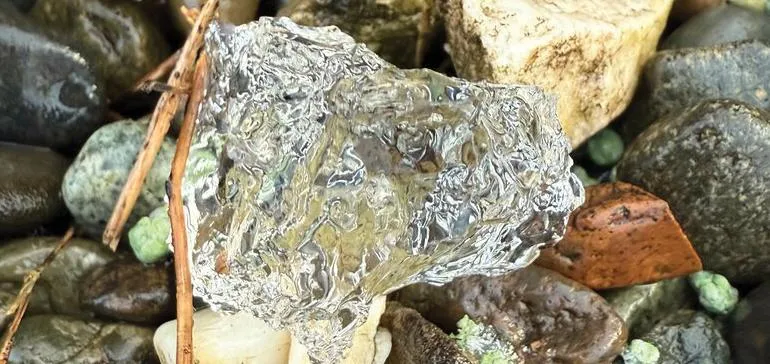
We continue through October with another instance of unsolved mysteries. This is a story with twists and turns, and the potential of a massive government cover-up happening right in the Pacific Northwest. It could also be a big fat nothing burger, but it’s a lot of fun to speculate and explore.

Sandpoint Reader·
Science

Scientists alarmed as super El Niño collides with 'strange uptick' in Galapagos iguana trafficking - Phys.org

Extreme events, such as this South Australian algal bloom that lasted from 2025 to 2026, have devastating effects on marine ecosystems. The only lizard in the world that can live and forage at sea may now be in a fight for survival. International scientists warn black-market trafficking of Galapagos marine iguanas is peaking just as the super El Niño decimates their natural food source. The 2026/27 El Niño event started warming equatorial waters in May, the same month Ecuadorian officials discovered four Galapagos iguanas being kept in a home near Guayaquil. Shortly after, they found a dozen more at a nearby airport, stuffed in handbags with their limbs bound.

Phys.org·