BBlogFlow

Categories

Science

7007 articles

Science

Future of UK's largest telescope to be 'explored' - BBC

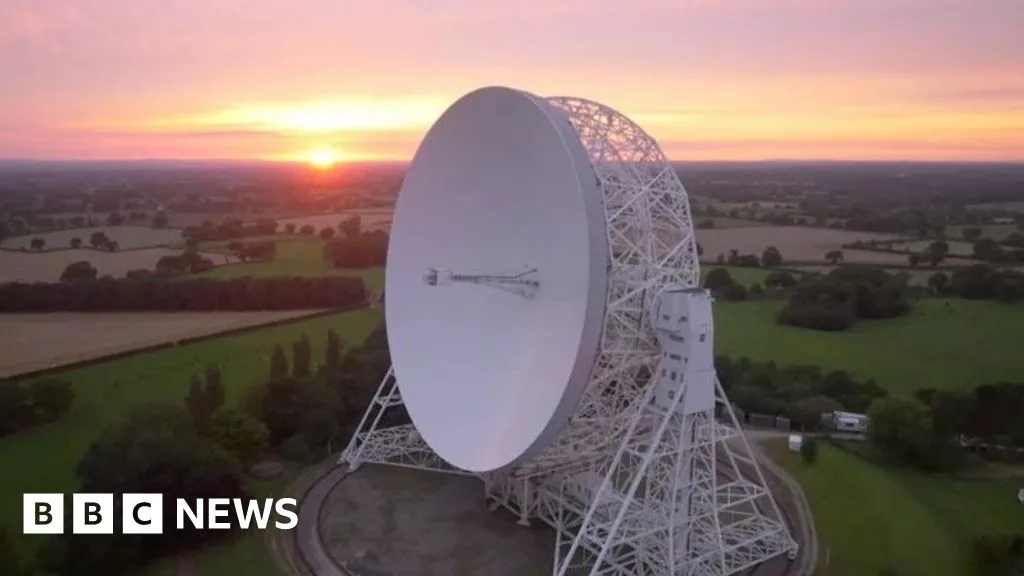
Future of UK's largest telescope to be 'explored'1 day agoJODRELL BANK/ MANCHESTER UNIVERSITYFuture funding for the site is currently uncertainThe government has said it is "exploring" long-term options for Jodrell Bank Observatory, home to the UK's largest telescope, after its future was put at risk. Business Secretary Jonathan Reynolds told the House of Commons on Thursday that the facility had a "secure future" and he had recently met staff at the University of Manchester, which runs the project, to explore potential solutions. But in September, Prime Minister Andy Burnham pledged he would find a way to save the telescope. The Lovell telescope, which has stood at the site near Knutsford since 1957, is the third largest of its kind in the world. With a diameter of 250ft (76.2m), the instrument is part of a network of telescopes called e-Merlin across the UK, which have been pivotal in the country's study of distant galaxies and training future astronomers.'Science-based decision'Addressing the Commons, Reynolds said: "The Prime Minister and I have been clear that Jodrell Bank has a secure future.


BBC·
Science

CERN and Mistral join forces to accelerate AI for science – Home - Home | CERN

CERN and Mistral sign a statement of intent to advance AI for science and strengthen Europe’s scientific and technological capabilities CERN, the European Laboratory for Particle Physics, and Mistral, a European developer of large-scale AI models, have signed a statement of intent to establish a long-term strategic partnership focused on developing foundation models for scientific discovery.

Home | CERN·
Science

Americans who go to church and trust science are also more likely to believe in ghosts and curses, new research shows - The Conversation

Americans who trust science and reason more than their churches’ teachings, but still believe in God or attend services, are also more likely to believe in magic than those who prioritize religious teachings. This was the central finding of a study my co-authors and I published in the journal Social Forces in July 2026. We analyzed the latest wave of the Baylor Religion Survey, a nationally representative survey of 1,812 American adults that Gallup fielded in early 2025.

The Conversation·
Science

AI can be a great tool, but not if you're using it for this reason - Yahoo News Canada

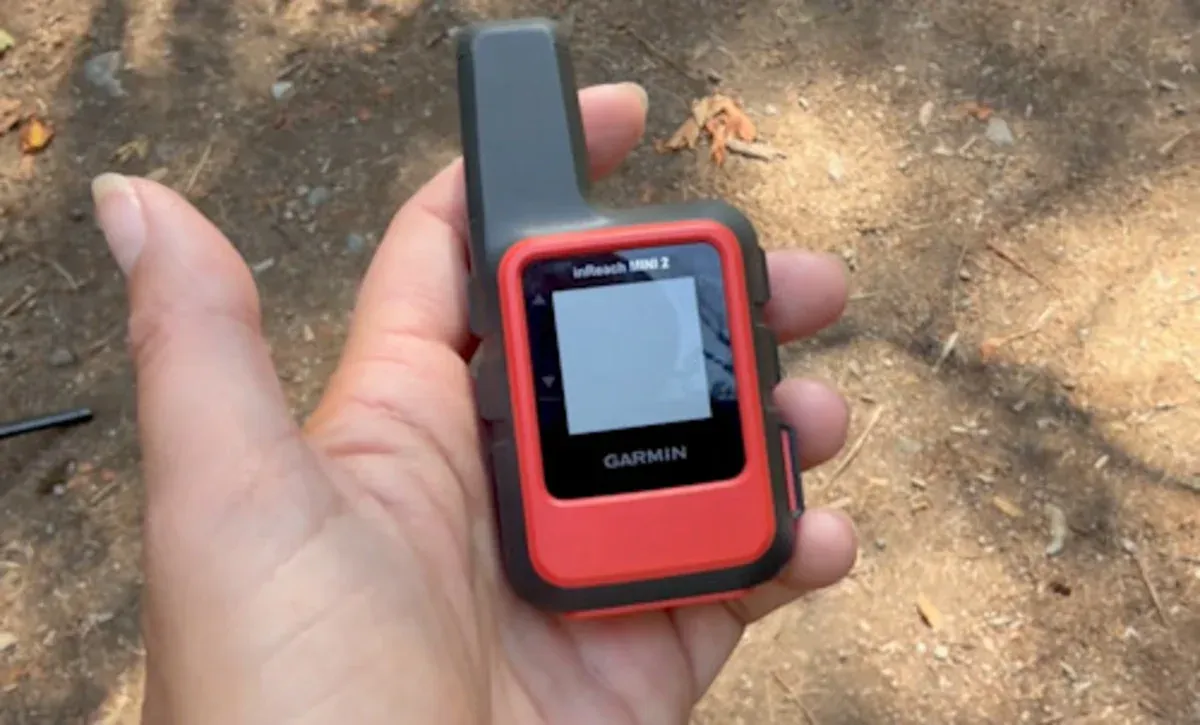
I'm not going to lie; I use AI for many of my outdoor adventures. I've found it to be a great tool for planning my marathon training schedule and finding easy hikes for my toddlers. However, one thing I would never rely on it for is planning an actual mountain route, and here's why. Recently, a 16-year-old in British Columbia had to be helicopter-rescued from a vertical cliff face on Crown Mountain in North Vancouver. He used AI to help plan his route, which led him directly into a high-risk climbing section known as the "Widowmaker. "One common misconception about AI is that it understands terrain. It can't differentiate between a scenic walking path, an unmaintained gully, or a Class 4 rock scramble. Even worse, if you lose cell service, your chatbox becomes completely useless. AI can also make mistakes. For example, it went from labeling Panorama Ridge as a strenuous hike to calling it easy terrain when questioned (demonstrated in the video above). If you're heading outdoors, it's best to skip the chatbox and use dedicated mapping tools instead. Apps like Gaia and Trailforks provide real topographic maps and elevation profiles.

Yahoo News Canada·
Science

Turning up the heat on chickpea yield - Hortidaily

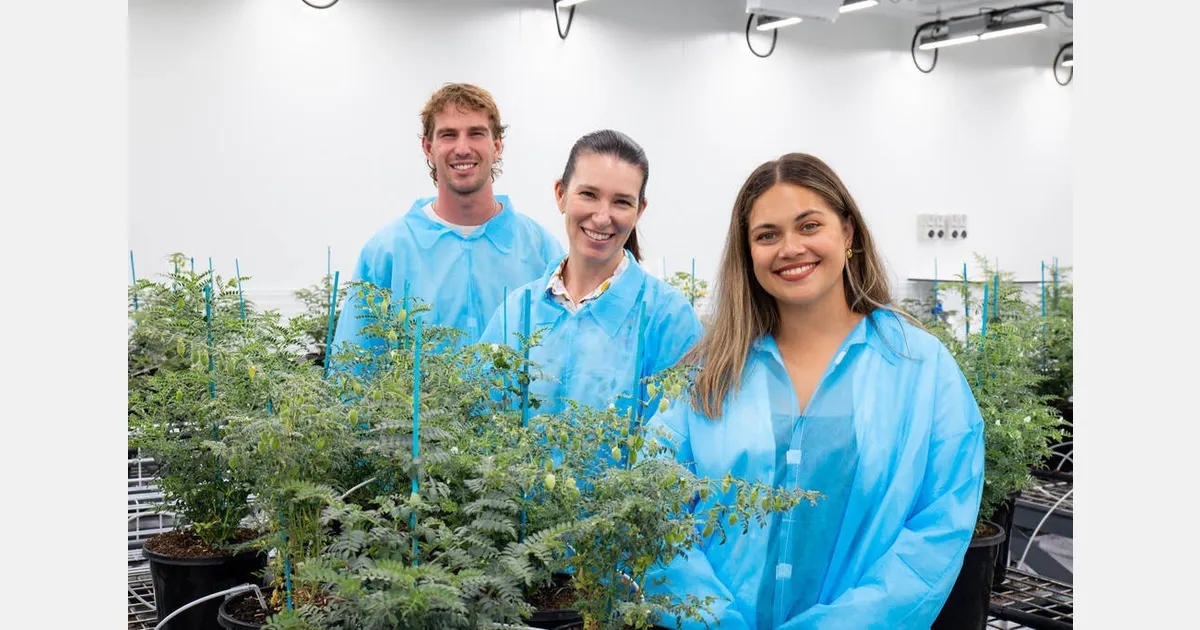
A University of Queensland study has outlined a practical pathway for accelerating the development of heat adapted chickpeas using data from new 'omic' technologies. "The narrow genetic diversity in the elite chickpea gene pool has limited conventional breeding's effectiveness for stress tolerance," Mr Jamie said. "These technologies have improved our capacity to dissect trait architecture and phenotype secondary traits but their use in chickpeas has been limited. " The technologies include genomics, epigenomics, transcriptomics, proteomics, metabolomics, phenomics and enviromics, and help provide a comprehensive picture of biological systems. © QAAFI PhD candidate Callum Jamie said the suite of technologies offered tremendous opportunities to understand how a complex trait like heat tolerance works. PhD Candidate Callum Jamie, Dr Millicent Smith and Dr Shanice Van Haeften at UQ's Plant Futures Facility. Image: QAAFI.

Hortidaily·
Science

Scientists discover a surprising danger in smaller cancer cells - Science Daily

Some cancers grow faster, spread more aggressively, and respond less effectively to treatment than others. Researchers at Virginia Tech are uncovering surprising reasons behind these differences, including how abnormal cancer cells recruit healthy tissue to support tumor growth and why the size of certain cancer cells could help predict their danger. The discoveries emerged from years of painstaking laboratory work, including the careful examination of tumors grown in mice.

Science Daily·
Science

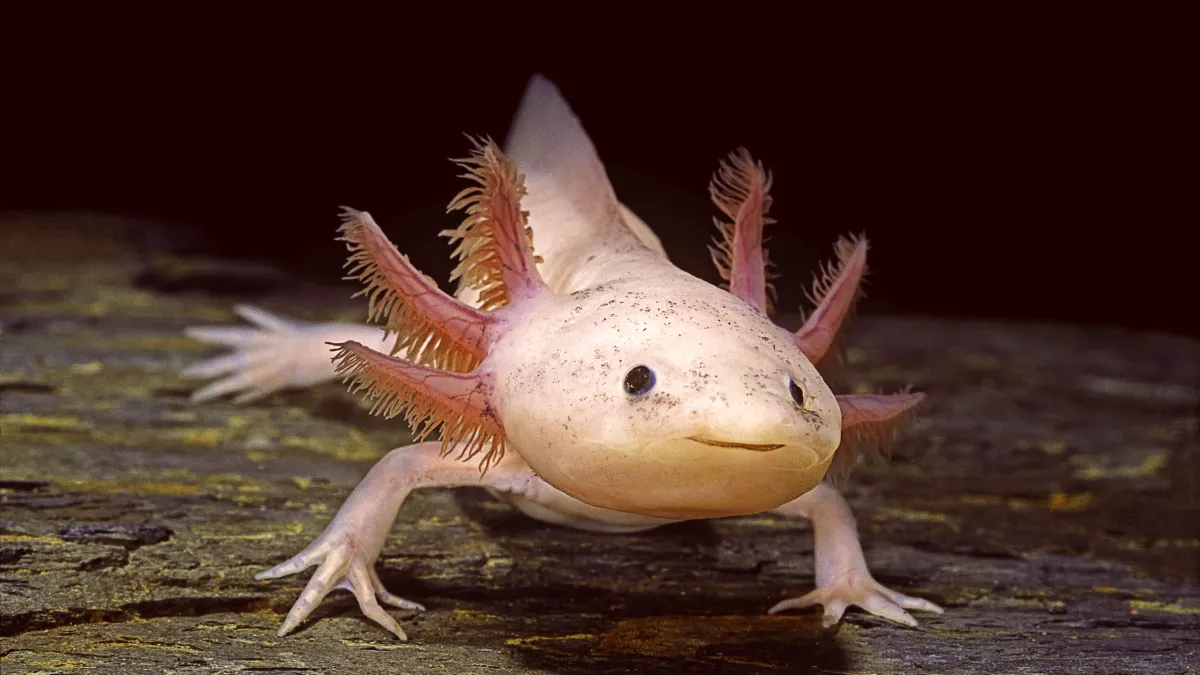
Axolotls Have a Surprisingly Clever Ability, Even in Complete Darkness - ScienceAlert

You might think axolotls don't have a lot going on. These strange amphibians seem to spend their days languidly lolling around muddy waters, only stirring when it's time for snacks – simple creatures with simple needs and simple lives. But there may be more going on in their little heads than their serene smiles suggest. In a unique test of the cognitive abilities of the Mexican axolotl (Ambystoma mexicanum), researchers have found that these enigmatic creatures can accurately assess the sizes of passage openings – an indicator of basic quantitative reasoning. But that's not all. Somehow, they retain this skill, even when shrouded in darkness. "It was initially surprising that they could distinguish between openings in complete darkness," animal behaviorists Oxána Bánszegi of the National Autonomous University of Mexico and Péter Szenczi of the National Institute of Psychiatry Ramón de la Fuente Muñiz told ScienceAlert. "This shows that vision is not always essential for such tasks, especially when it is limited for taxonomic or environmental reasons. " Axolotls are something of a rockstar in certain scientific circles, admired and studied for their incredible ability to

ScienceAlert·
Science

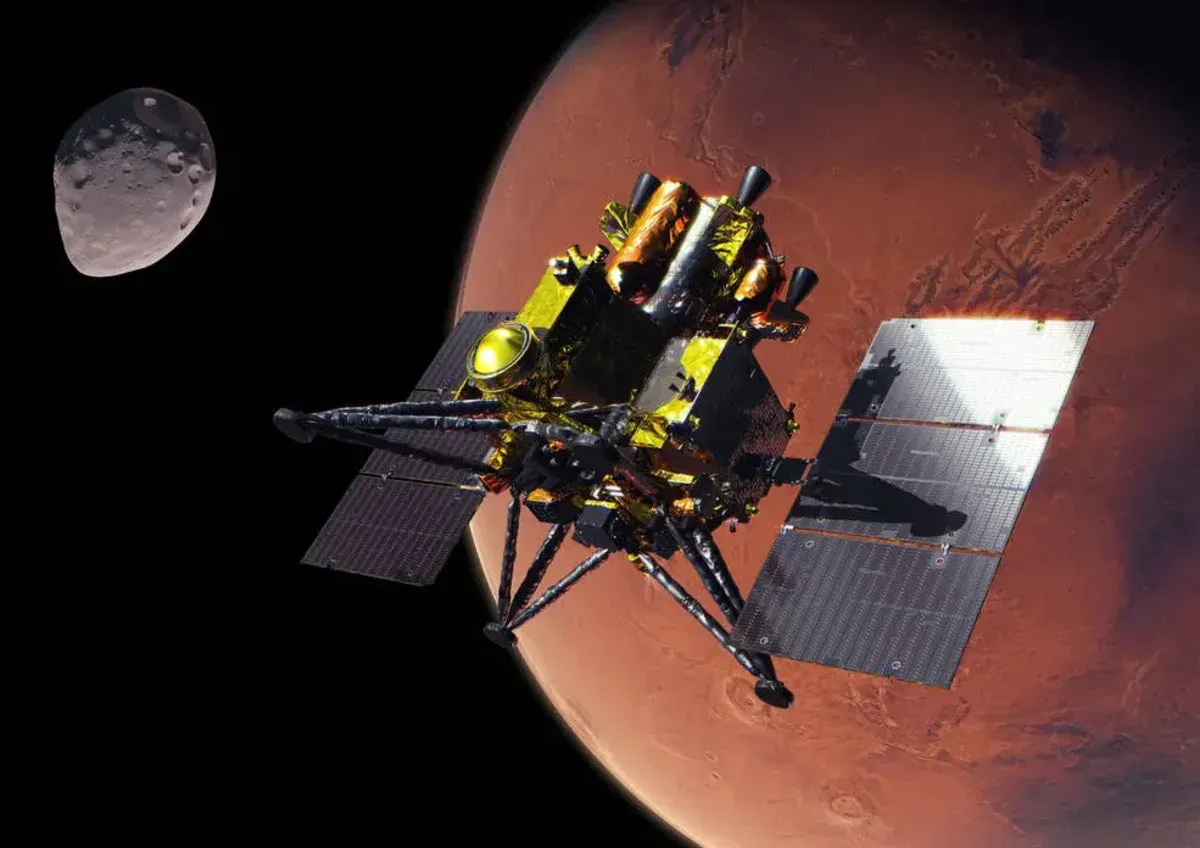
NASA-backed mission aims to land on Mars moon, bring samples home - Yahoo News Canada

NASA's ambitions to send humans to Mars to get an up-close look at Earth's planetary neighbor are no secret. But did you know the U. S. space agency also has interest in studying the red planet's dual moons? That's right, NASA is integral to a Japan-led mission that in the coming days could send an uncrewed spacecraft toward Mars with the goal of surveying both of the planet's moons – and even landing on one of them. The mission comes as NASA has set its sights firmly on Mars as it looks to send humans deeper and deeper into the solar system under its Artemis program. Here's what to know about the Mars mission and how to watch NASA officials give an update today, Oct. 15. NASA to provide update on upcoming Mars missionNASA officials will provide an update on an upcoming mission to send an uncrewed spacecraft to Mars, according to a press release. The mission, known as Martian Moons eXploration (MMX,) is headed by Japan's space agency, JAXA, with contributions from NASA. How to watch NASA livestreamAudio of the news briefing will be available to stream live at 4 p.m. Thursday, Oct. 15 on NASA's YouTube channel. What is Japan's Martian Moons eXploration (MMX) mission?

Yahoo News Canada·
Science

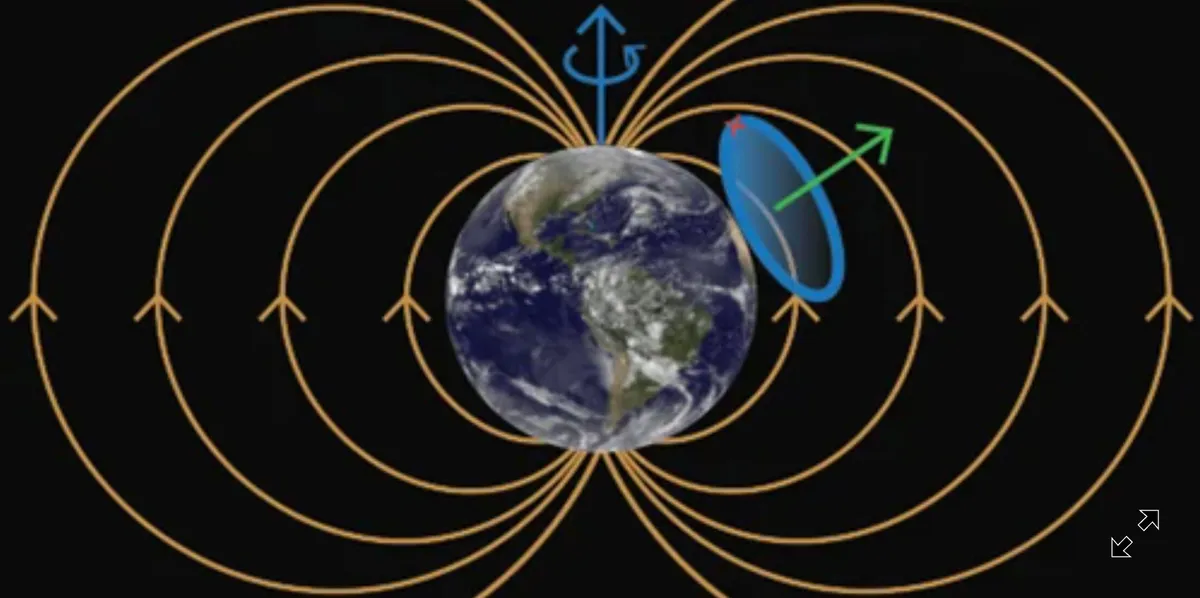
Quantum sensor could measure how Earth drags spacetime - Phys.org

Ellers/University of California, Berkeley. Einstein's theory of general relativity describes gravity as the bending of spacetime, a mathematical model that combines three-dimensional space and time into a single, four-dimensional continuum. The theory also predicts that a rotating object, such as Earth, slightly drags the surrounding spacetime as it rotates, a phenomenon known as frame-dragging. Researchers at the University of California, Berkeley (UC Berkeley), the Austrian Academy of Sciences and the California Institute of Technology (Caltech) recently introduced the idea of a quantum sensor that could measure this tiny effect in a laboratory setting.

Phys.org·
Science

The Human Advantage Conference 2026: Navigating a complex world through Behavioural Science, AI and Human Intelligence - Ipsos

The Human Advantage Conference 2026, proudly supported by Ipsos, brought together leading researchers, business leaders and experts from around the world for two days of live discussions on how behavioural science, human intelligence and artificial intelligence can help organizations navigate an increasingly complex world. Held on 1-2 October 2026, the event delivered more than 20 hours of insight and debate, exploring the major transformations shaping the future of work, leadership, innovation, democratic trust, consumer behaviour and decision-making. One of the conference’s defining strengths was the exceptional calibre of its speakers. The programme featured internationally recognised figures from academia, business, and public policy, including Nobel Prize-winning economist Philippe Aghion, alongside renowned experts such as Cass Sunstein (Harvard Law School), Iris Bohnet (Harvard Kennedy School) and Olivier Sibony (HEC).

Ipsos·
Science

ArXiv versus AI slop: will capping preprint submissions work? - Nature

Some preprint servers report being flooded with submissions. Credit: Michael Szebor/NatureIn a bid to tackle the deluge of manuscripts it now receives, the preprint server arXiv has announced a cap of two papers per month for each submitting researcher, which began on 1 October. The move follows a steep rise in submissions driven mainly by the slop generated by artificial-intelligence tools, says Steinn Sigurðsson, an astrophysicist at Pennsylvania State University in University Park and scientific director of arXiv. In September, 40,000 preprints were uploaded to arXiv, up from about 30,000 between March and July. Closing the floodgates The cap is the latest measure introduced by arXiv to prevent its nearly 300 voluntary moderators from being completely overwhelmed by submissions, says Sigurðsson. They are now collectively checking about 1,000 manuscripts per day. This step is “holding up too many legitimate papers,” Sigurðsson says, noting that nearly 4,000 submissions are currently waiting to be posted on the site. Some see the limit as entirely reasonable.

Nature·
Science

Russian researchers map out water hotspots on Mars - Global Times

A team of Russian scientists has charted water-rich deposits on Mars in unprecedented detail, uncovering around 30 "water oases" after analyzing eight years of data from the FREND neutron detector aboard the ExoMars Trace Gas Orbiter. Two new concentrations of water-bearing minerals were identified, with estimated water content reaching 30 percent, up from 20 percent in the latest mappingScientists detected readings suggesting water content approaching 100 percent, though this does not confirm the presence of pure ice on the surface. The area explored by NASA's Curiosity rover is among the promising locations highlighted in the new mapThe number of known water-rich zones has risen from 23 to roughly 30. The new map could help future human missions locate water on Mars — both to produce oxygen for breathing and to generate hydrogen for rocket fuel. The findings were presented at the 17th Moscow Solar System Symposium.

Global Times·