BBlogFlow

Categories

Science

6933 articles

Science

Dinosaur fossil hidden in London’s Natural History Museum for 100 years identified as new species - Yahoo News Canada

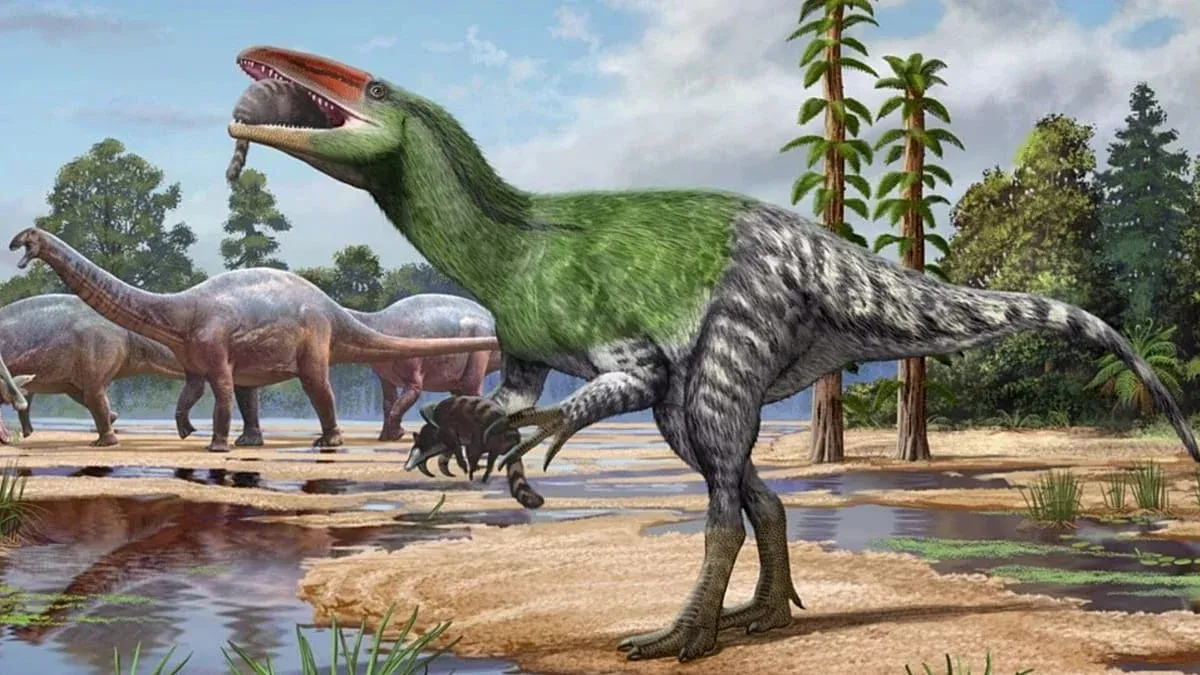
A dinosaur fossil that spent almost a century in the collections of London's Natural History Museum has been identified as a new species. The skull fragment belonged to Invictibellatrix amberina, a previously unknown carnivorous dinosaur that lived around 120 million years ago. It's also the first confirmed evidence of a megaraptoran dinosaur in Europe. The fossil was originally discovered at the foot of a cliff on the southwest coast of the Isle of Wight by amateur fossil hunter Reginald Walter Tooley. After his death in 1924, the Natural History Museum acquired more than 1,000 specimens from his collection, including the fragment. RelatedAlthough scientists knew it belonged to a dinosaur, exactly which one remained a mystery for decades. Now, researchers have taken another look at the fossil using CT scanning technology, allowing them to examine its internal structure and create a 3D model. Their full findings were published in the journal Royal Society Open Science.
Yahoo News Canada·
Science

NASA Opens the Vault on Artemis II: 800 GB of Lunar Science Now Public - thedailypost.digital

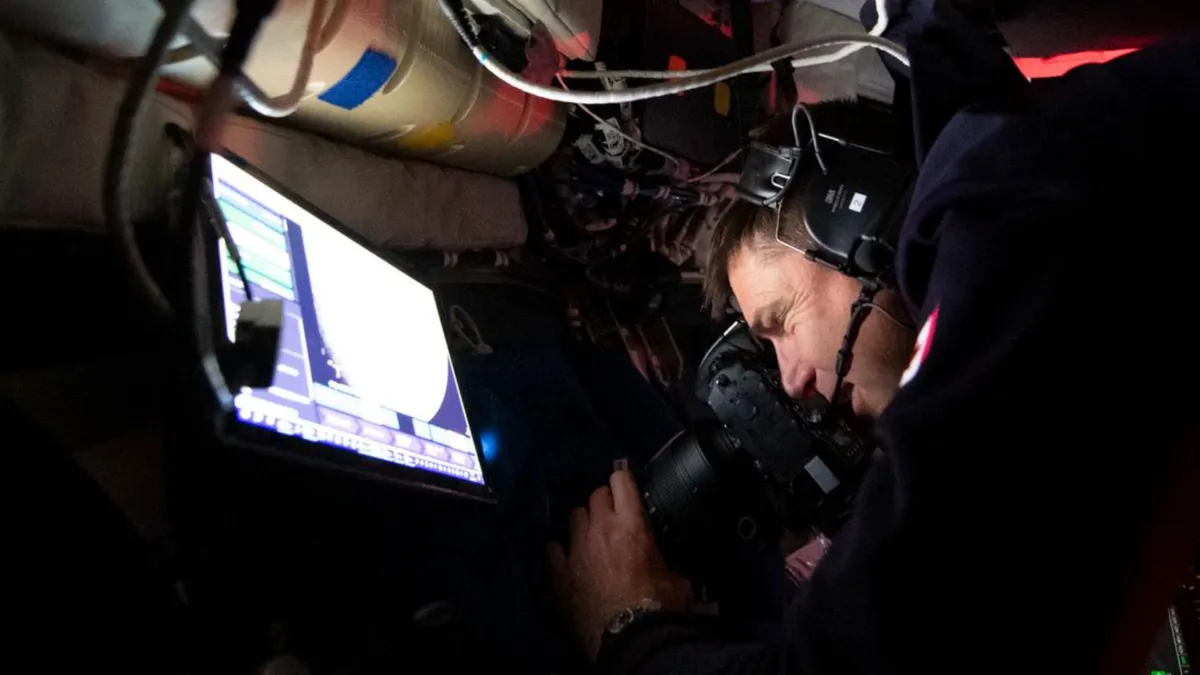
Thousands of crew photos, hours of astronaut commentary, and hand-annotated images from April’s lunar flyby are now available to anyoneSix months after four astronauts swung around the Moon, everyone can access the photographs and observations they brought home. NASA has uploaded more than 800 gigabytes of Artemis II lunar science data, including material never released before, to NASA’s Planetary Data System, the public archive for the agency’s planetary missions. NASA announced the release on October 7. The material captures lunar observations made during the Artemis II mission in April 2026. The SLS rocket carrying the Orion spacecraft launched on April 1, 2026, from Kennedy Space Center in Florida, and the mission concluded successfully on April 10. What’s in the archiveThe scale is impressive. The release includes more than 11,000 full-resolution images and videos of the Moon from the crew’s handheld cameras and Orion’s own cameras, 8.5 hours of audio recordings of the crew describing what they saw on the lunar surface, and images the crew annotated by hand.

thedailypost.digital·
Science

Winter sea ice loss may be underestimated, ancient clues from a warmer Arctic suggest - Phys.org

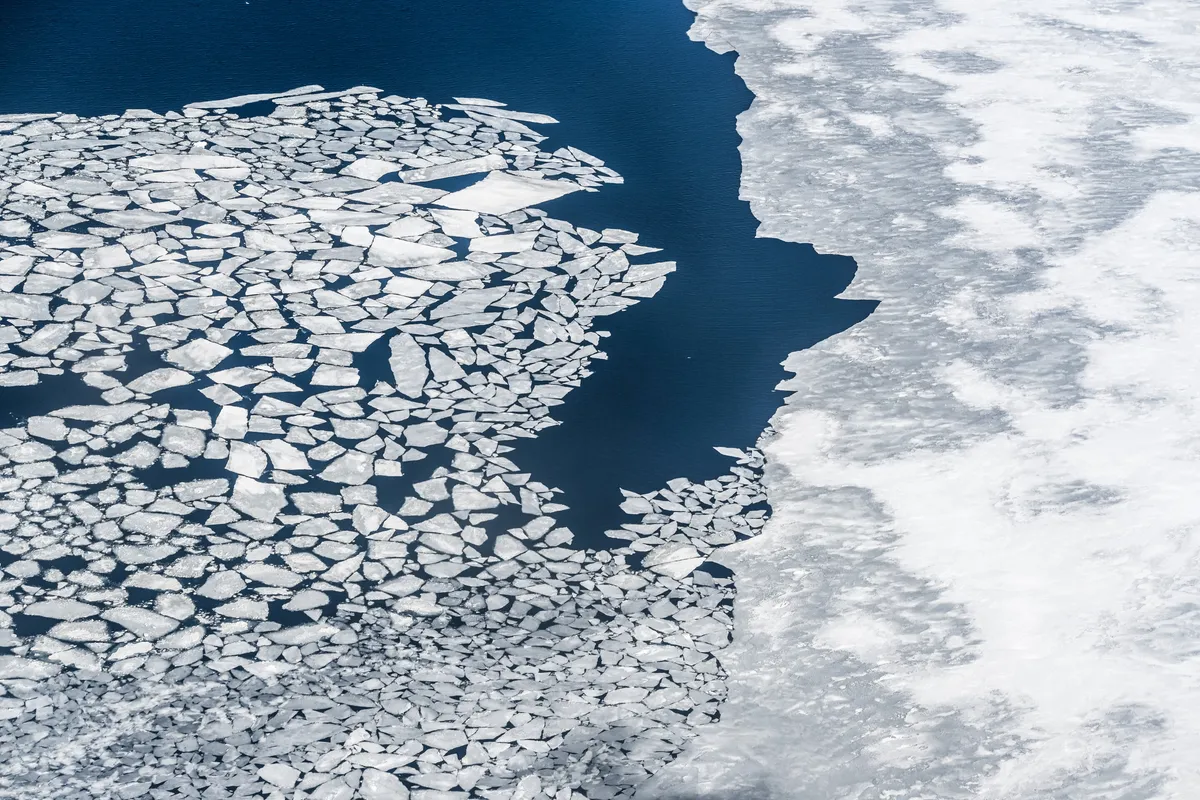
Future Arctic winter sea ice is likely to shrink by around 1 million square kilometers (386,000 square miles) more than previously thought, after researchers used clues from a warm period 6,000 years ago to improve the reliability of climate models. The results, reported in the journal Nature Geoscience, could have implications for future winter conditions in the U. The retreat of Arctic sea ice in the summer months has been widely reported. However, the loss of winter sea ice has received far less attention, despite the fact that climate models disagree with each other most during the winter months.

Phys.org·
Science

Earth from Space: West Antarctica - European Space Agency

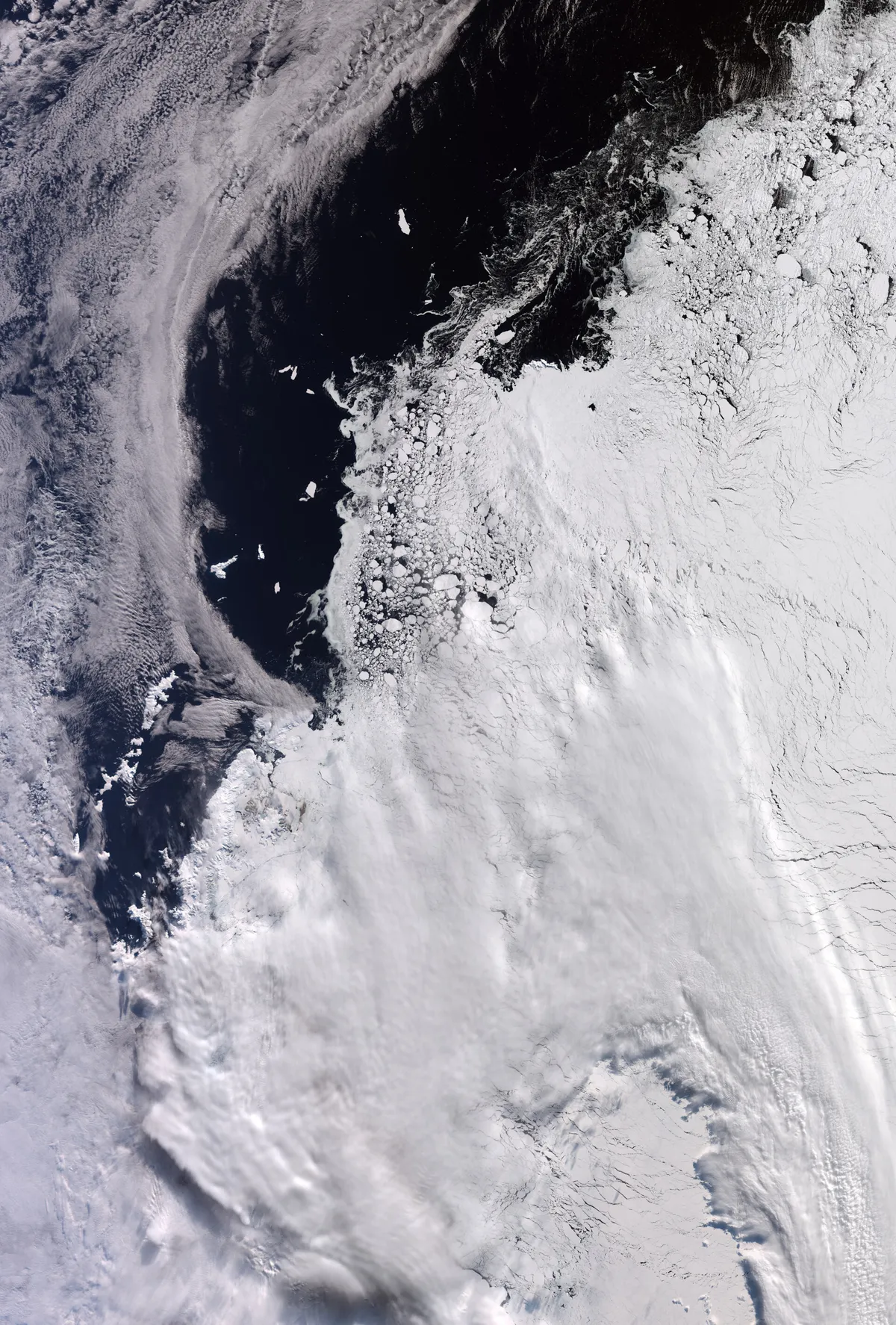
This image over part of West Antarctica was captured by Copernicus Sentinel-3 on 30 September 2026. Zoom in to explore this image at its full resolution. At this time of year, winter is coming to an end in the southern hemisphere and the sea ice is at its annual maximum extent. It reaches as far as the tip of the Antarctic Peninsula, visible in the central part of the image, where there is also some cloud coverage. An area of about 1200 km by 1700 km is shown – this area is on the periphery of the Antarctic continent, which is about 4500 km across its main landmass. Elephant Island, about 50 km in length, is clearly visible against ice-free ocean on the left-hand side of the image. It is about 930 km from the tip of Argentina’s Tierra del Fuego, which is not pictured. Sea ice for Antarctica’s winter season most likely peaked on 14 September 2026, according to the National Snow and Ice Data Center (NSIDC). This image shows sea ice engulfing the tip of the Antarctic Peninsula as well as part of the Weddell Sea, east of the peninsula. White cloud covers much of the lower part of the image but sea ice is clearly visible in the upper-right area.

European Space Agency·
Science

Scientists set up camera trap in the Amazon – and filmed “something they never dreamed of” - BBC Wildlife Magazine

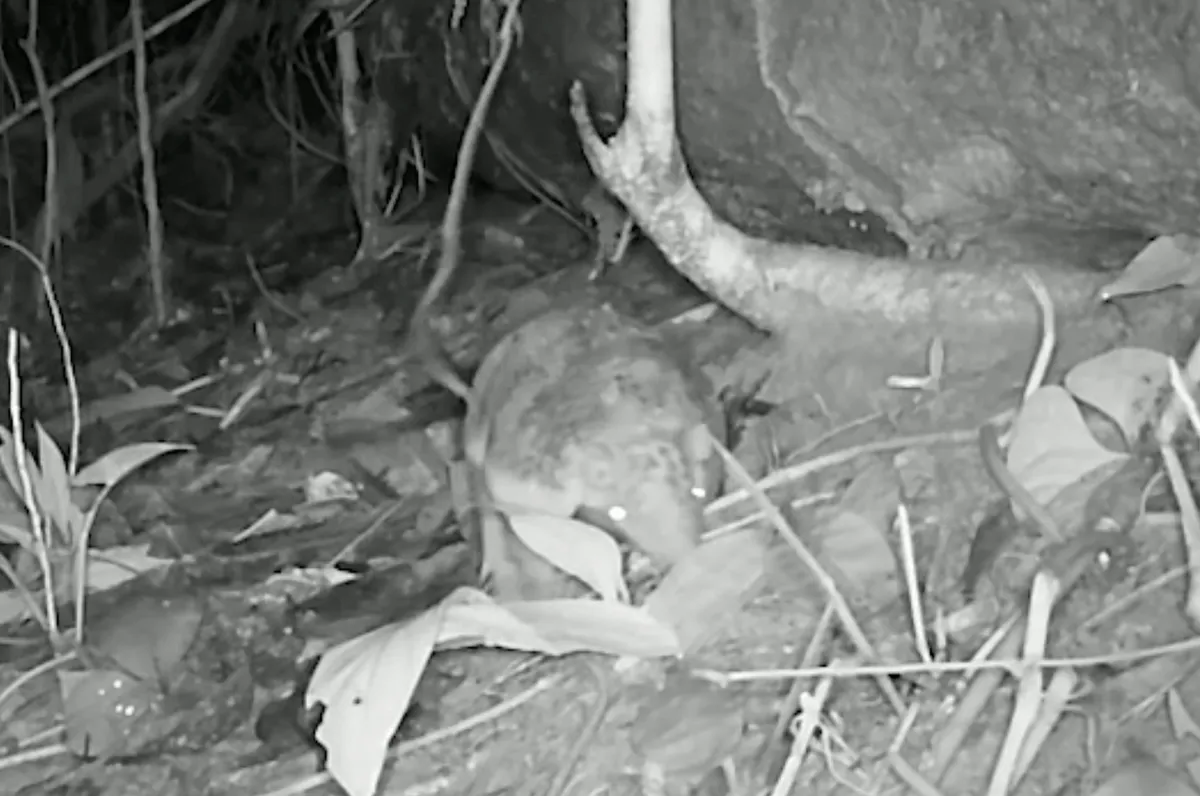
A project to document endangered mammals in the Amazon has resulted in an incredibly rare video of a baby giant armadillo in the wild. The camera trap that captured the footage was set up by Amazon Research Internacional in the Native Community of San Francisco in Loreto, in the Peruvian Amazon. “Giant armadillos are amongst the most difficult animals to see on a camera-trap,” says conservationist Rosa Vásquez Espinoza, the founder of Amazon Research Internacional, in the latest episode of the BBC Wildlife podcast Wild Lives.

BBC Wildlife Magazine·
Science

Research Reveals Aircraft Emissions Gain Toxicity Through Atmospheric Chemical Reactions - AZoCleantech

Researchers at the University of Basel have investigated how fine particles in exhaust emissions from aircraft and marine engines change in the atmosphere. Their findings show that aircraft emissions in particular become more toxic over time. Fine particulate matter consists of tiny particles with diameters in the nanometer range. They are produced, for example, by fuel combustion, remain suspended in the air and can penetrate deep into the respiratory tract. There, they can trigger what is known as oxidative stress – a process that promotes inflammation and, in the long term, can lead to serious health problems such as respiratory or cardiovascular diseases. Scientists refer to this harmful property of the particles as their oxidative potential.

AZoCleantech·
Science

🧊 Under extreme conditions, ice could become... metallic - Techno-Science

Ice subjected to unimaginable pressure could eventually conduct electricity like a metal. The ice we encounter every day has a well-known structure: water molecules assemble into a solid network. But when pressure increases enormously, atoms can change their arrangement. Researchers already know of many forms of ice, very different from the ice in our freezers.

Techno-Science·
Science

Hurricane Simon Lurks Off the Mexican Coast - NASA Science (.gov)

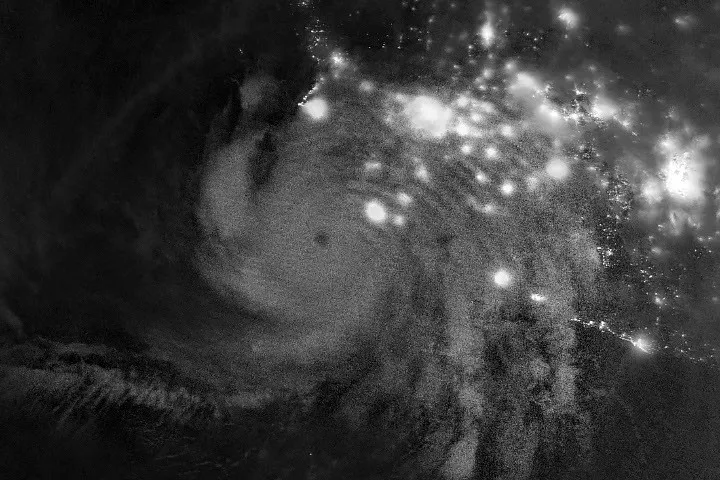
3 min readImage of the Day for October 14, 2026Though it remained offshore, the storm lashed coastal areas with high winds and flooding—and produced remarkable rippling patterns in the upper atmosphere. NASA Earth ObservatoryOct 14, 2026 Article Hurricane Simon, the latest in a long progression of tropical cyclones in the Eastern Pacific this season, passed close to the Mexican coast as a category 4 storm on October 11, 2026. Sustained winds reached 250 kilometers (155 miles) per hour as it crept north-northwest.

NASA Science (.gov)·
Science

Materials-AI Bidirectional Innovation - Nature

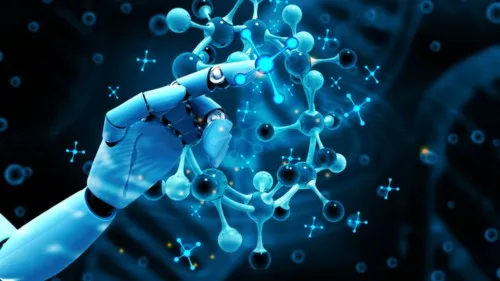
The relationship between artificial intelligence and materials science is increasingly bidirectional. AI is transforming how we discover, design, and optimize materials, while materials science is simultaneously reshaping the hardware on which AI depends. This Collection captures this bidirectional innovation through the lens of algorithms, platforms, and workflows that enable AI to accelerate materials researchand the materials that, in turn, expand what AI can achieve. Materials science is undergoing a paradigm shift driven by advances in AI and their application to autonomous materials science platforms. The advances in AI are accelerating materials discovery, design, and synthesis through predictive modeling, generative approaches, and autonomous experimentation. Key developments include AI models trained on diverse datasets from high-throughput computation and experimentation; multimodal and generative AI for novel materials and synthesis routes; and autonomous materials science that combines AI/ML with automated laboratories, real-time data analysis, robotic experimentation, and adaptive characterization.

Nature·
Science

A quantum highway just one atom high could transform superconductors - Science Daily

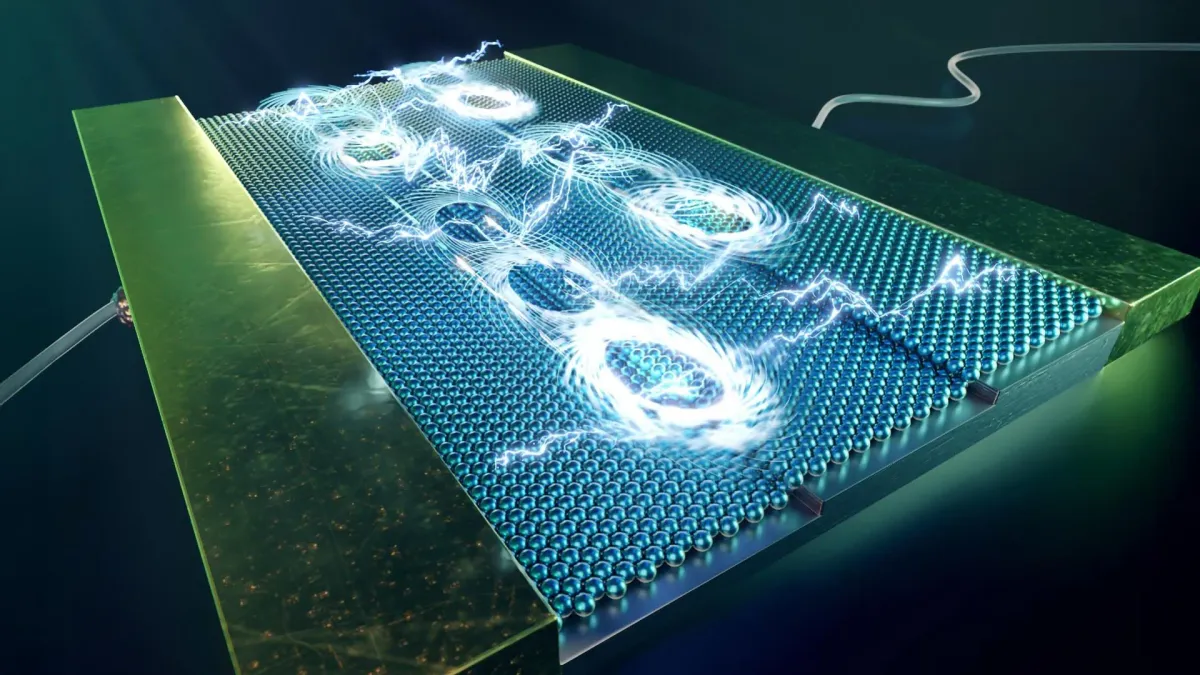
Scientists in Japan have discovered that tiny steps just one atom high can act like microscopic railroad tracks, guiding the movement of quantum vortices inside an ultrathin superconductor. Under certain conditions, these vortices moved more than 1,000 times more easily along the steps than across them. Researchers also found that they could adjust this remarkable effect simply by changing the temperature or magnetic field. The discovery was made by researchers at the Research Center for Materials Nanoarchitectonics (MANA), part of Japan's National Institute for Materials Science (NIMS). Their findings offer a promising new approach to controlling quantum behavior and could eventually help engineers develop superconducting electronics that use far less energy while processing information more efficiently.

Science Daily·