Science
Viewpoint: The price Americans pay for science denialism - Genetic Literacy Project
Genetic Literacy Project·
Categories
6934 articles

A 3-D illustration of transmitting synapsesA group of scientists have shown that brain organoids can pass on signals that correspond to Braille letters, an essential step towards developing the energy-efficient biohybrid computers of the future. The brain organoids, remotely connected to a sensor that recorded tactile signals from different Braille letters, produced signals that were different for each letter, allowing a decoder to distinguish between the different letters the organoids had been given. Although individual brain organoids provided accurately decodable signals 61% of the time, a team of three performed significantly better, producing an accurate signal 83% of the time. The team of three was also better at distinguishing the signals from artificial noise than the decoder working directly on the obscured signals, without the organoids’ involvement. Could computers include tiny brain organoids one day? The human brain is an incredibly energy-efficient computer, and silicon processors that try to imitate it achieve huge energy savings over traditional processors.
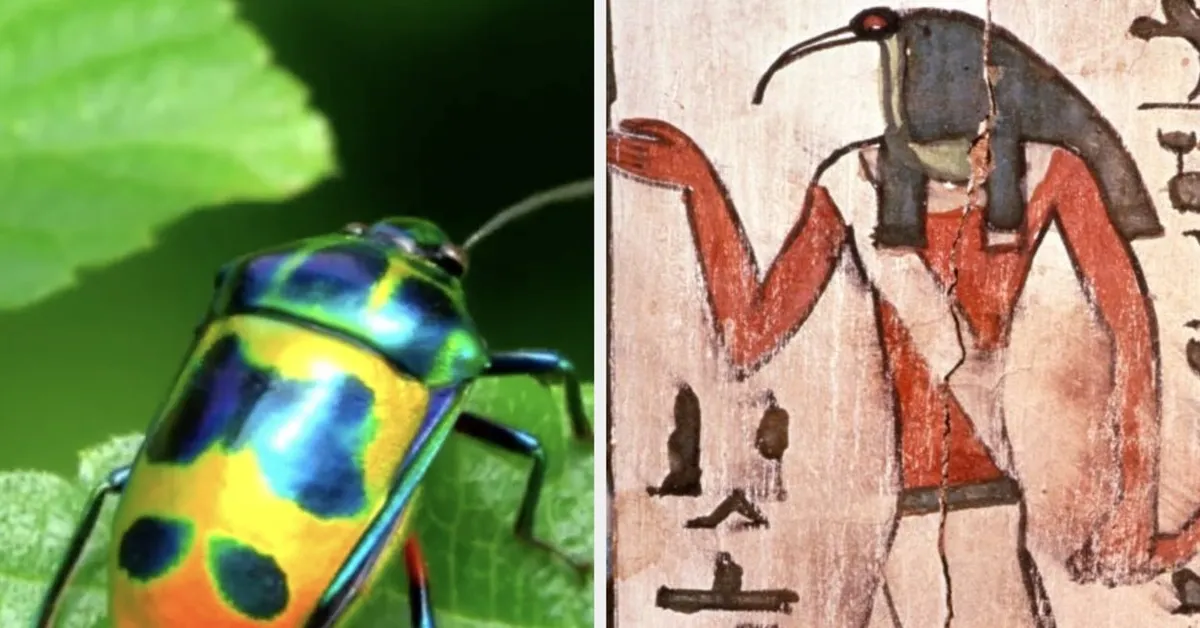
Test your knowledge of science and history!
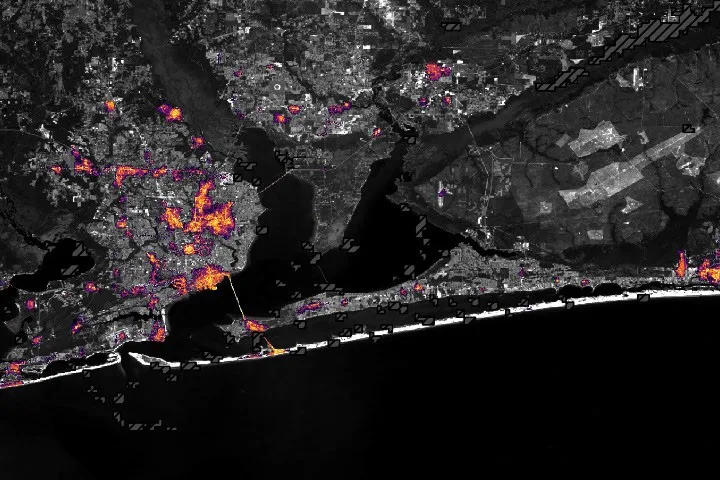
4 min readImage of the Day for October 16, 2026High-definition images of nighttime lights show where the hurricane knocked out power along the Florida Panhandle and how quickly the lights came back. NASA Earth ObservatoryOct 16, 2026 Article After a quiet start to the 2026 Atlantic hurricane season, Isaias became the season’s first hurricane on October 8 as it tracked toward the U. S. Gulf Coast. The storm brought heavy rain and flash flooding to parts of the Southeast, including Alabama and the Florida Panhandle, and winds that toppled trees and downed power lines, leaving many people in the dark.

Meal time isn’t taken lightly inside the Jones-Hill House. Televisions line the building’s walls, flashing Maryland football’s weekly food schedule. On the door to the weight room fueling station, a sign is taped to the door with bold lettering: “BREAKFAST IS NOT OPTIONAL — IT IS A MANDATORY MEAL!!!!!!!!!!”

(Bloomberg) — Another burst of selling in technology companies rattled Wall Street, dragging down stocks as investors questioned the outlook for the artificial-intelligence trade. Not since 2008 had chipmakers seen an eighth straight day of losses. This time, worries over whether the AI infrastructure buildout has outrun the ability of firms to get a return on their investments have rattled trading. CoreWeave Inc., a cloud-computing services provider whose bonds recently hit levels that typically signal distress, sank 14%. The Nasdaq 100 fell 2.5%. Brent oil climbed to around $110 as a group of US lawmakers introduced a bill to block President Donald Trump’s deal to release more Russian diesel into global markets. Higher energy costs fueled worries about inflation, dragging down bonds. While angst around funding AI has been building for months, CoreWeave has drawn outsized attention for being an early entrant in the business that has been heavily reliant on high-yield debt markets to finance its buildout. With bond yields elevated and inflation remaining stubbornly high, the cost of that financing is rising fast.
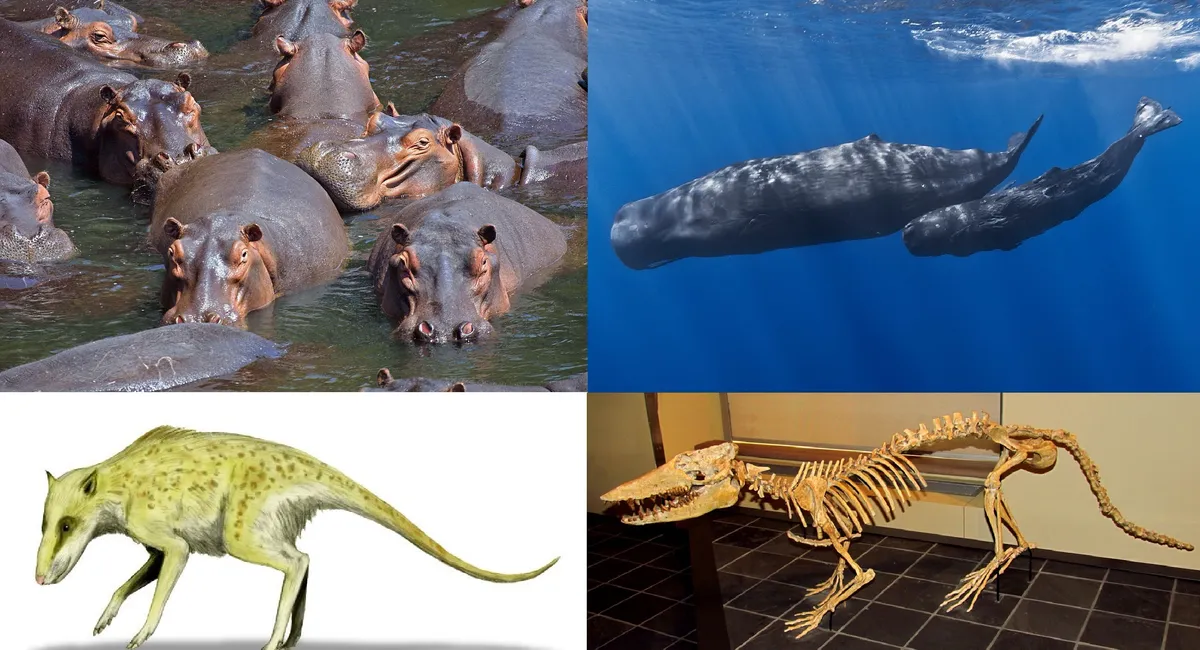
The first episode of the NOVA PBS documentary series Evolution, which aired last night and you can see here, makes it sound like a land animal coming to live full time in the sea is pretty much a breeze. The creature is shown probing cautiously in the water with a forelimb, and almost the next thing you know, we’ve got fully ocean-going cetaceans including dolphins and whales. As biologist Richard Sternberg explains, there simply isn’t enough time for that transition to have occurred through unguided chance mistakes alone, as PBS imagines it. Watch: They forgot to ask Dr. Sternberg about this problem. The smooth narrative of the documentary is expected to carry the viewer along, not asking any questions. More details of the issue are discussed by Sternberg in my book Plato’s Revenge: The New Science of the Immaterial Genome.
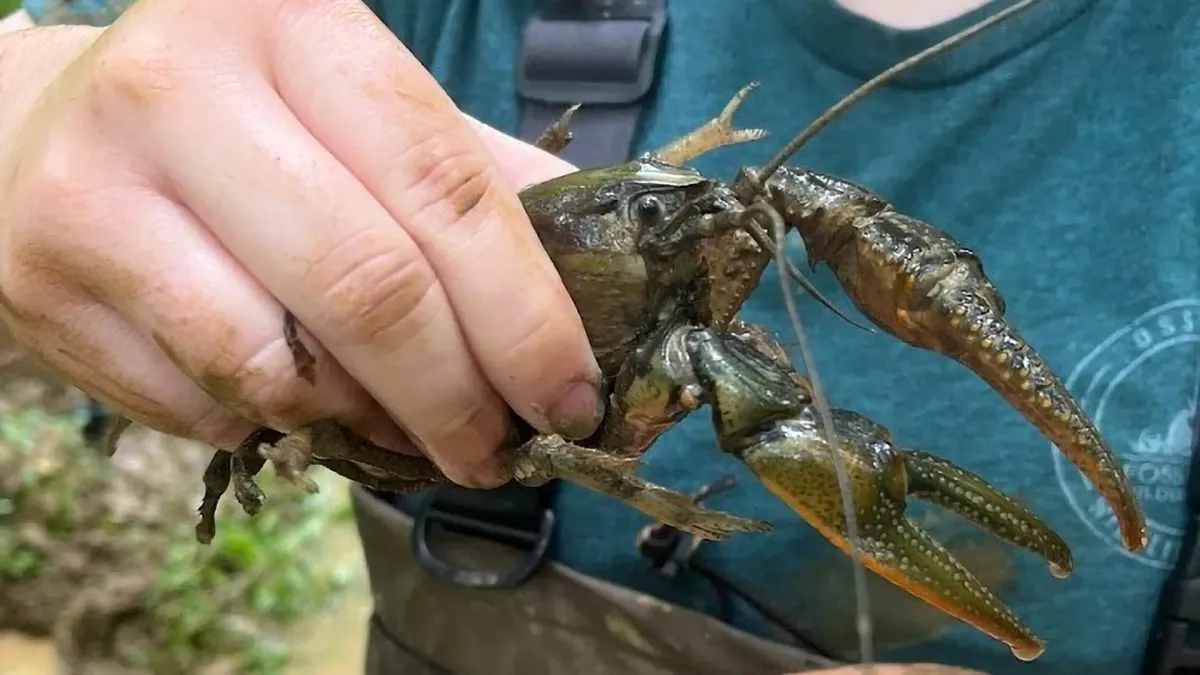
A giant crayfish nicknamed "Crawzilla" has sparked an unexpected scientific discovery, revealing a possible biological limit to how large North America's crayfish can grow. The investigation began when Caitlin Bloomer pulled an enormous Crawzilla crawdad from the mud during a biological survey in Kentucky. Crawzilla is the creature's actual common name, and Bloomer was convinced she had captured the largest crayfish ever documented. But when she proudly showed her discovery to a colleague, the reaction was not quite what she expected.

Collagen is a structural protein found in cartilage, tendons, ligaments and other connective tissues. The supplement is touted as a source of components that could help support these tissues or influence processes involved in joint health. Published Oct 16, 2026 | 9:02 AM ⚊ Updated Oct 16, 2026 | 9:02 AM One of the most significant claims surrounding collagen supplements is that they can restore the cartilage damaged by osteoarthritis.
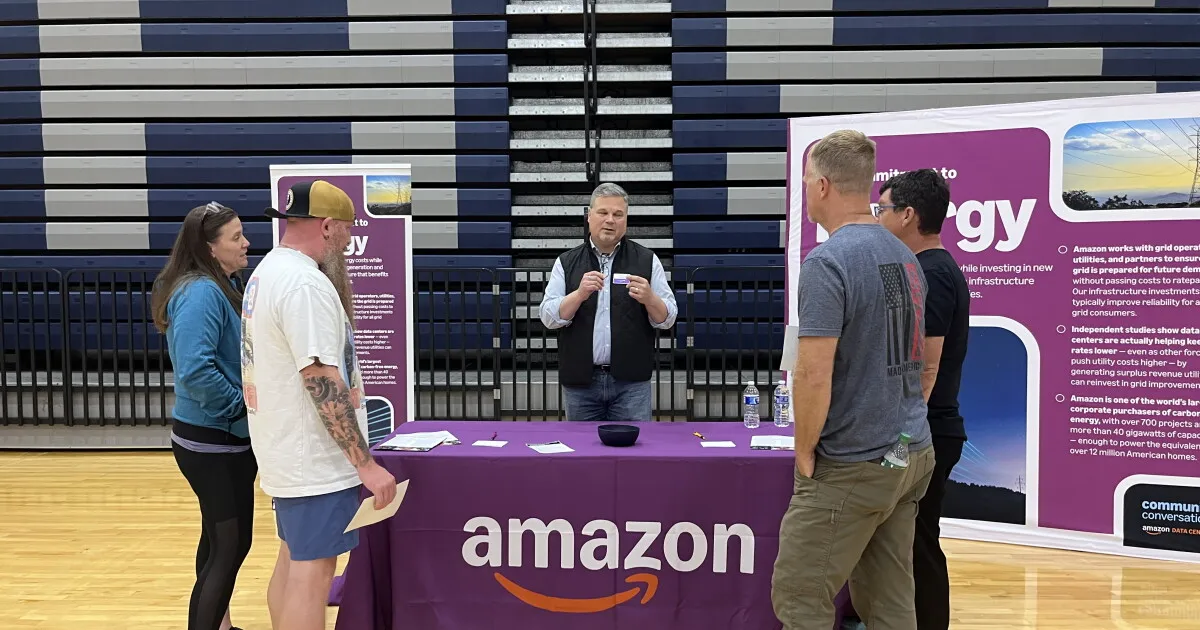
Thursday was an eventful day for Trenton's ongoing debate about proposed data centers. Amazon hosted an open house providing information about its proposed tech hub near the Butler County city of about 14,000. Meanwhile, Trenton City Council backtracked on proposals that would have provided financial benefits to residents if voters rejected a charter amendment blocking data centers. Amazon set up a “science fair” in the Edgewood Middle School gym to share details with the community about the proposed 18-building computing facility that would span 600 acres of farmland between Wayne Madison Road and Hawkins Road. Joe Deaton lives in St. Clair Township near the site. After visiting tables with Amazon Web Services representatives discussing various environmental impacts, he says he still isn’t sold on the data center. “We're not opposed to growth. We're not opposed if it was a warehouse or something that doesn't suck your water dry, that won't burn your electric up... [that] won't make all the noise, and when they fire up the generators, all the pollution and everything,” Deaton said. “We just don't want this.”Other people said they felt similarly.
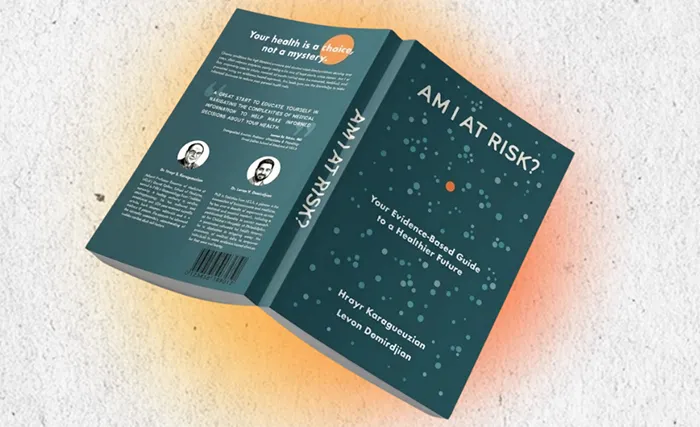
Authors Hrayr Karagueuzian and Dr. Levon V. Demirdjian Explore How Understanding Health Risks Can Help Prevent Chronic Disease and Promote Longevity A new book, Am I at Risk?: Your Evidence-Based Guide to a Healthier Future, by Hrayr Karagueuzian and Dr. Levon V. Demirdjian, offers readers a practical, science-based approach to understanding personal health risks, preventing chronic diseases, and making informed decisions that can improve their quality of life and longevity.
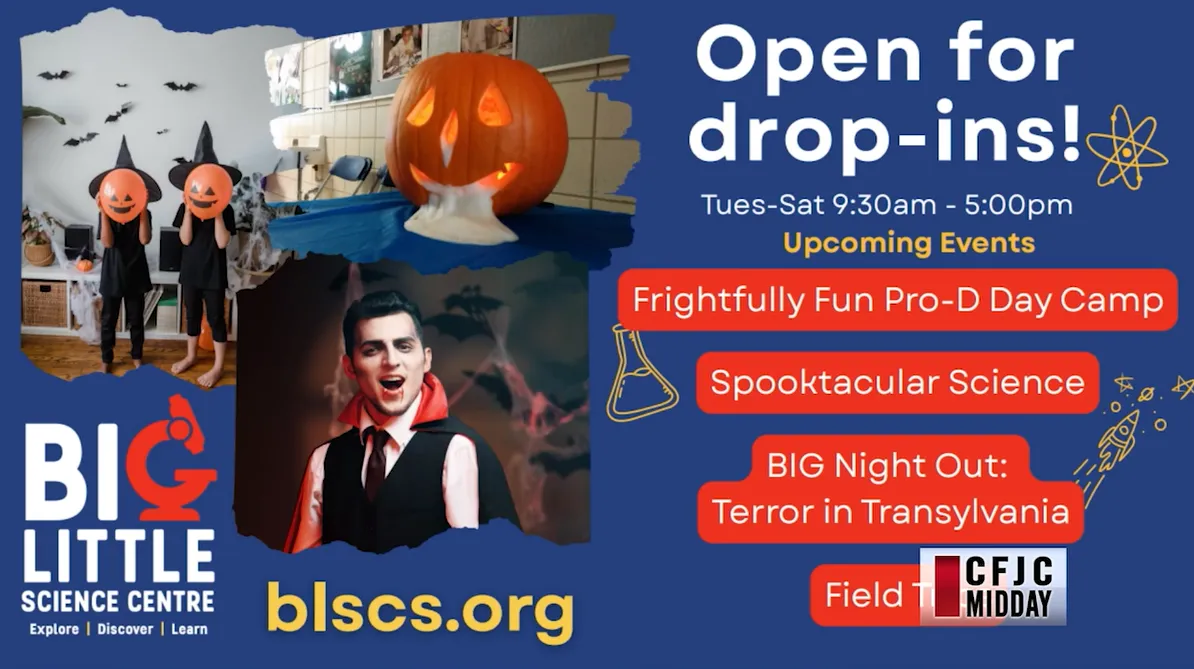
The BIG Little Science Centre has a lineup of upcoming events bringing science, hands-on fun and a little Halloween-themed excitement. Jo-Ann Coggan stops by to talk about the spooky activities, a special murder mystery night, and plenty of other opportunity for families and curious minds to get involved in something different this fall.

Plants with white, cotton-like tufts grow on a rocky hillside. /VCG Plants with white, cotton-like tufts grow on a rocky hillside. /VCG
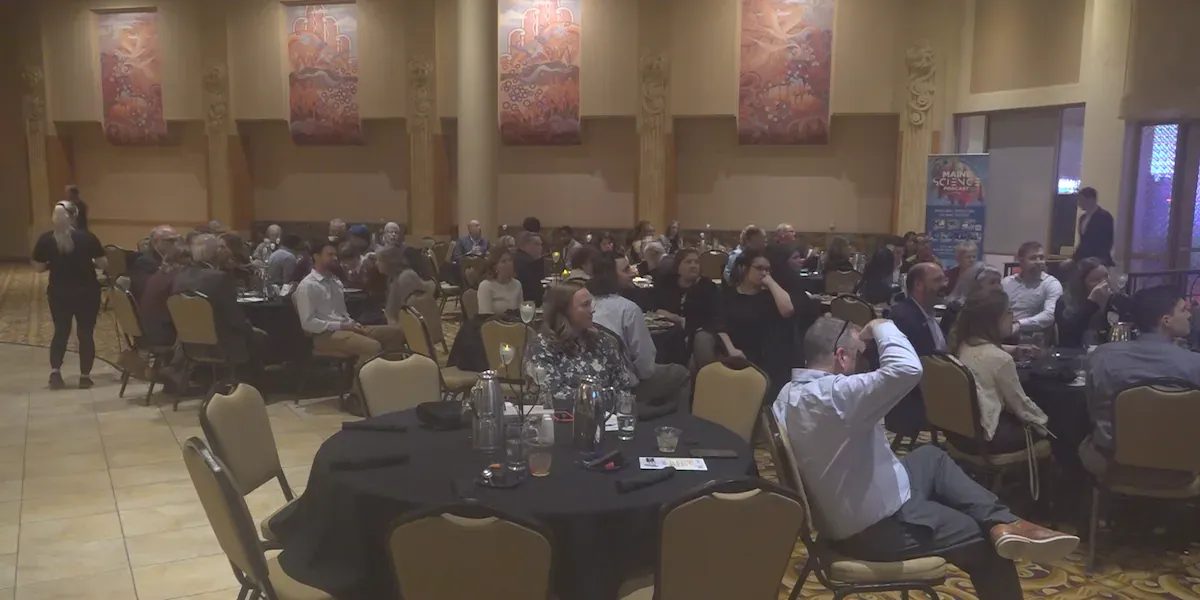
BANGOR, Maine (WABI) - The Hollywood Casino in Bangor hosted the inaugural Maine Science Awards Thursday night. The formal evening included cocktails, dinner and recognition honoring scientists, researchers and advocates making Maine a better and smarter place. Honorees were recognized in five categories: Lifetime Achievement, Innovation, Impact, Surprising Science, and Advancing Trust in Science. Organizers say that while the Maine Science Festival is a great gathering every year, they needed something more to shine a spotlight on Maine’s brightest science innovators. “We realized we have a gap of we’re not actually really leaning into a few people in Maine that we can hold up in a spotlight and celebrate the work that they’ve done for Maine explicitly,” said Kate Dickerson, Executive Director of the Maine Discovery Museum. “So that’s what this is about. Tons of nominations came in, like actually way more than we expected, so our committee had a lot of work to do. And that just shows me that people were both really interested in this and that we do have really great things happening here, and we had a lot to work with,” she said.
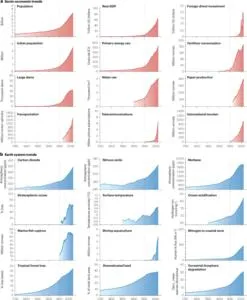
image: Great Acceleration graphs showing the mid-20th-century starting point of the Anthropocene: changes in the socioeconomic system (a) and changes in the Earth system (b) How much have humans changed the Earth? An international research team including a KAIST researcher has proposed a common framework for defining the meaning and starting point of the “Anthropocene,” a period in which human activities have rapidly transformed the global environment. The researchers propose using 1952 as a reference point to distinguish the relatively stable Earth environment before that year from the rapid changes that followed, allowing the scale and speed of today’s environmental crisis to be understood more accurately.
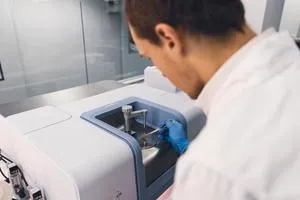
image: PhD candidate Daniel Irving at the University of Sydney A PhD student at the University of Sydney has produced the first comprehensive classification system and map of Martian soils, creating a new framework that could help scientists compare landscapes across the Red Planet and identify promising locations for future exploration, habitation and food production.