BBlogFlow

Categories

Science

5443 articles

Science

The only volcano on Earth glowing bright blue at night—scientists stunned - Futura, le média qui explore le monde

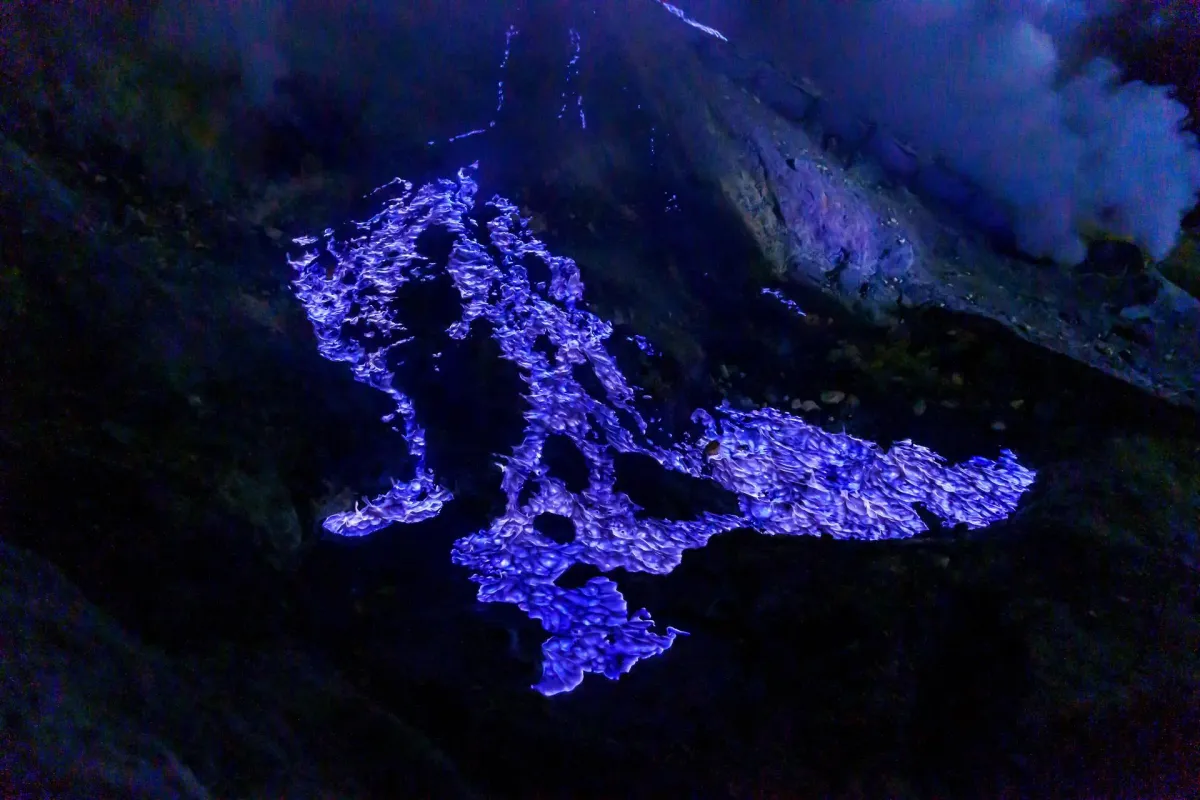
The Kawah Ijen volcano is the site of an astonishing and spectacular phenomenon © Daniel, Adobe Stock The Futura Team represents the pulse of Futura’s editorial department, bringing together a collective expertise dedicated to the dissemination of scientific knowledge. Rather than the work of a single author, every article published under this signature is the result of a rigorous collaborative process involving journalists, editors, and fact-checkers. Specializing in news analysis via desk research and international wire services, the team focuses on transforming raw information into accessible, verified content. This curation and synthesis process ensures constant monitoring of technological innovations and major scientific breakthroughs. By cross-referencing sources and conducting multiple rounds of peer review, the Futura Team guarantees scientific accuracy and pedagogical clarity. This collective signature serves as a hallmark of trust, providing reactive, cross-disciplinary information at the forefront of current events
Futura, le média qui explore le monde·
Science

A green star has been identified by astronomers for the first time - The Globe and Mail

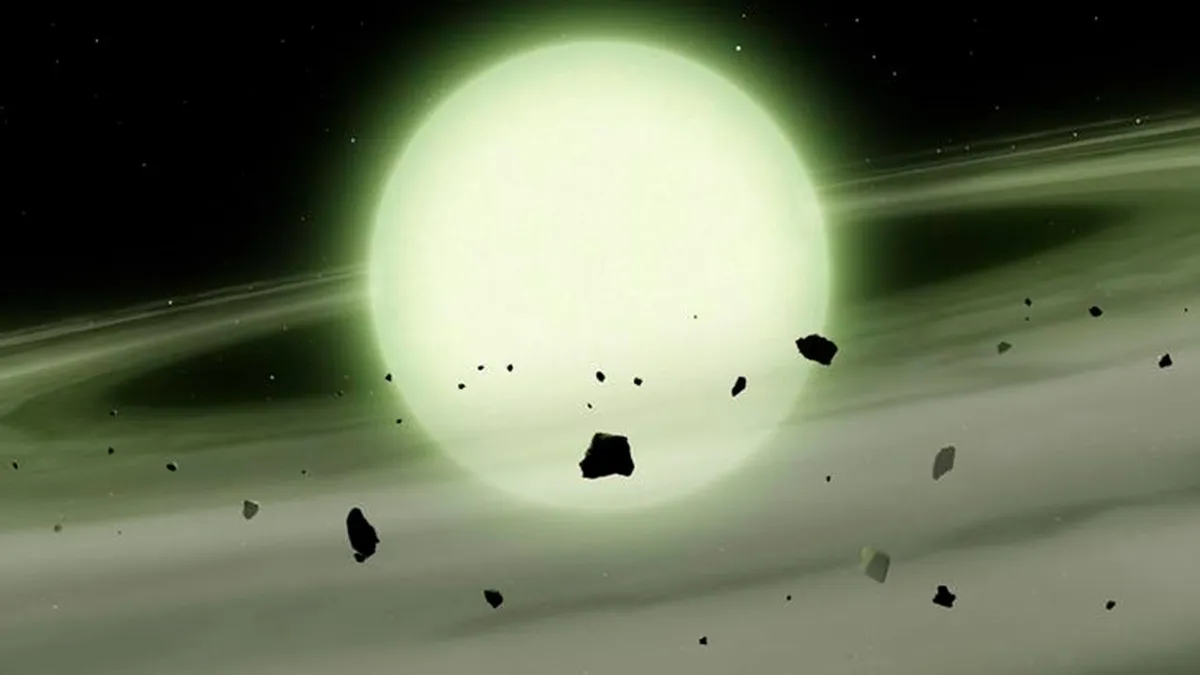
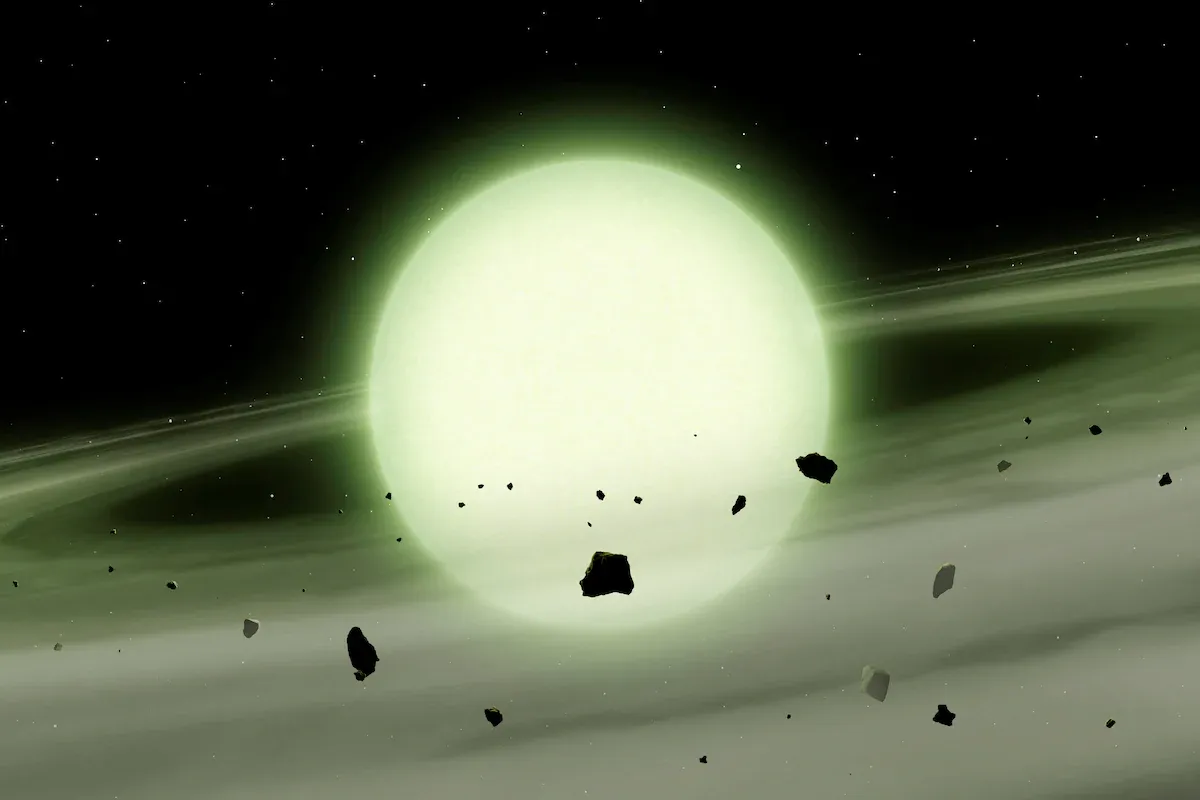
Open this photo in gallery:An artist's impression of the cool white dwarf star WDJ1330+6435, which has accreted sodium-rich rocky material from its planetary system into its atmosphere. Mark A. Garlick/University of Warwick/via REUTERSAstronomers for the first time have identified a green star, documenting a dense stellar remnant called a white dwarf that became a ghostly shade of chartreuse after ingesting rocky debris from planets that once had orbited it. A star’s colour typically is governed by its temperature, with cooler stars appearing orange, the sun and stars similar to it appearing white, and the hottest ones appearing a pale blue. But the formula is different for a white dwarf, which is the leftover core of a low- to medium-mass star that burned through its nuclear fuel and blew off its outer layers. Most white dwarfs have colours similar to other stars, and their average colour is white. But changes in their chemistry over time can turn some of them into rarer colours. The newly identified green one, named WD J1330+6435, is a white dwarf in the Milky Way galaxy that is located about 280 light-years from Earth in the constellation Draco.

The Globe and Mail·
Science

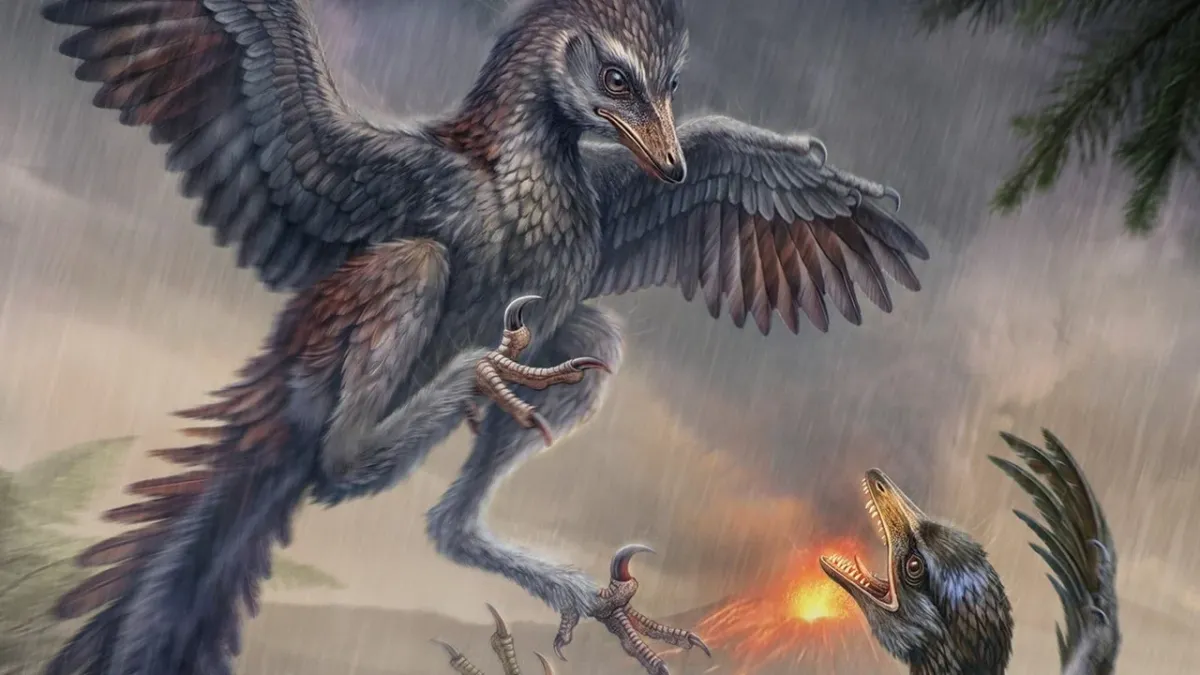
Sorry, Darwin: Chinese fossil shows that not all early birds evolved to fly - South China Morning Post

Chinese scientists have unearthed a fossil of the earliest known flightless bird, offering compelling evidence that not all early birds evolved to take to the skies. The discovery could also challenge long-held assumptions – including ideas dating back to evolutionary theorist Charles Darwin – that flightlessness in birds arose only as a secondary adaptation after earlier species had mastered flight. The 150 million-year-old fossil of the Late Jurassic avialan Yuezhuornis yangyuanensis found in...

South China Morning Post·
Science

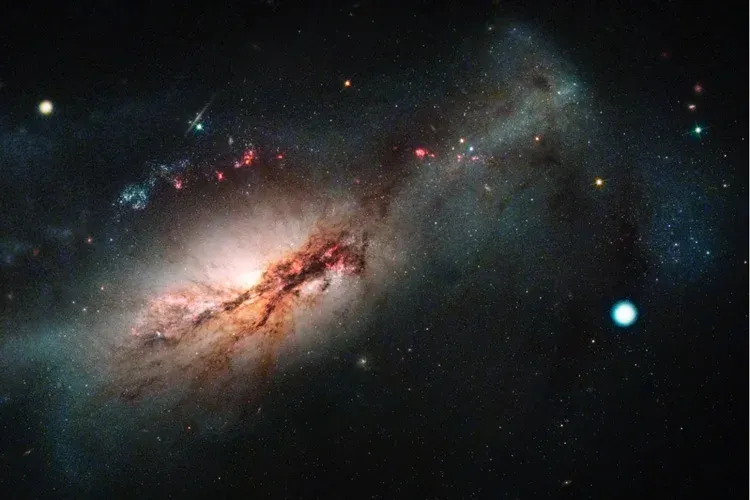
Unusual supernova solves 1,000 year mystery revealing a third way stars might explode - The Brighter Side of News

SN 2018zd matched six predicted signatures of an electron-capture supernova in a 2021 study, making it a leading candidate. Electron capture can remove pressure supporting a stellar core, triggering collapse in a narrow range of stellar masses. Competing interpretations and later Webb observations leave both SN 2018zd’s mechanism and the Crab Nebula’s origin unresolved. An unusual supernova reveals a possible third way stars explodeA fading star in a nearby galaxy offered astronomers an unusually complete set of clues about a long-predicted stellar death. Its surroundings, changing brightness and chemical signatures pointed toward an electron-capture supernova, an explosion triggered when a stellar core loses part of its internal support. The finding also raised hopes of explaining the explosion that created the Crab Nebula in 1054. However, subsequent research has complicated that connection. Both objects remain valuable tests of stellar physics, rather than settled examples of one explosion mechanism. The host galaxy and post- and pre-explosion images of SN 2018zd.

The Brighter Side of News·
Science

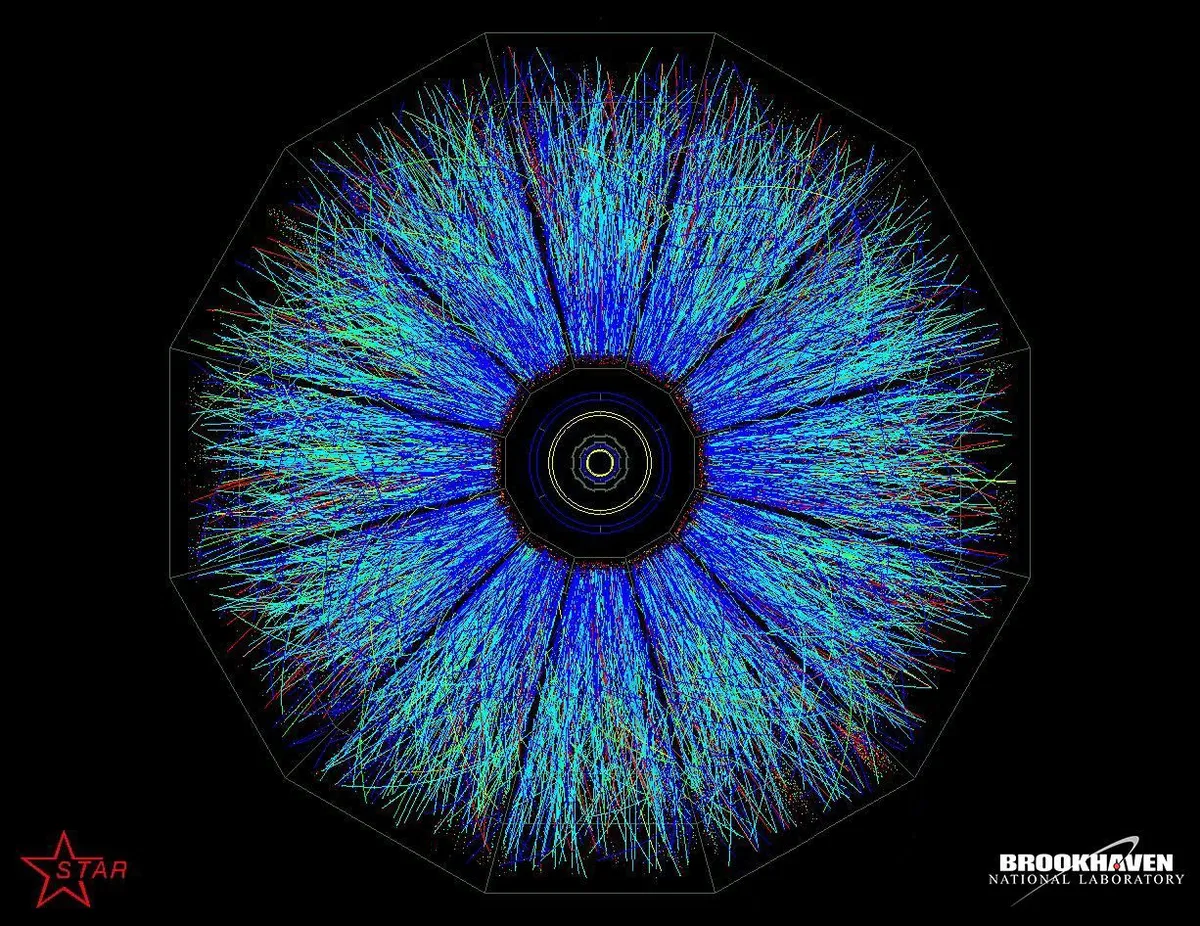
💥 An anomaly discovered in highly compressed gold - Techno-Science

Collisions between gold nuclei have revealed unexpected behavior in matter compressed to extreme densities. The experiment takes place at the RHIC collider in the United States. Gold nuclei are accelerated there and then projected at one another. For a fraction of a second, the collision creates matter far denser than that found in an ordinary atomic nucleus.

Techno-Science·
Science

AI-Discovered Rejuvenation Gene SRSF1 Extends Lifespan of Aged Mice by 14% - BigGo Finance

Artificial intelligence has identified a gene capable of turning back the aging clock. Harvard Medical School researchers discovered that administering the SRSF1 gene to aged mice extended lifespan by 14% and slowed frailty progression by 44%. The approach is being hailed as a breakthrough that overcomes the limitations of existing cellular reprogramming techniques by inducing rejuvenation while preserving cells' intrinsic functions. A research team led by Professor George M. Church of Harvard Medical School's Department of Genetics published the findings on the 14th in the international journal Nature Aging. The international collaboration included Dr. Alexandru Plesa of the Wyss Institute.

BigGo Finance·
Science

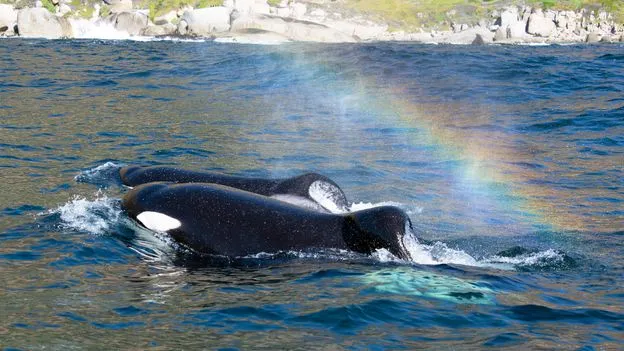
'What the hell did this?': The orca brothers preying on great white sharks - BBC

Site search21 hours agoIsabelle GerretsenDave Hurwitz/ Simon's Town Boat CompanyWhen scientists first found dead great whites around South Africa, they couldn't believe their eyes. All bore the same marks of mutilation – their bodies were torn open and their livers had been extracted – and pointed to the same culprit. These deadly tactics are now seen around the world. On 3 May 2017, a huge carcass of a great white shark washed up on the shore of Gansbaai, a fishing village near Cape Town in South Africa. The female shark weighed 1,100kg (2,425lb) and had a gaping wound on her underside, where her 90kg (198lb) liver had been extracted. "We were like, 'What the hell did this?'" recalls Alison Towner, who led the necropsy on the dead shark. "It was extraordinary," says Towner, a shark biologist at Rhodes University in Grahamstown, South Africa. "I'd seen hundreds of great white sharks at that point… never had I seen them just wash up one after another, after another. "It was the first sign that an underwater battle was unfolding. As she later learned, it would have ramifications across the world's oceans. I'm not talking about a gradual decline of great whites.

BBC·
Science

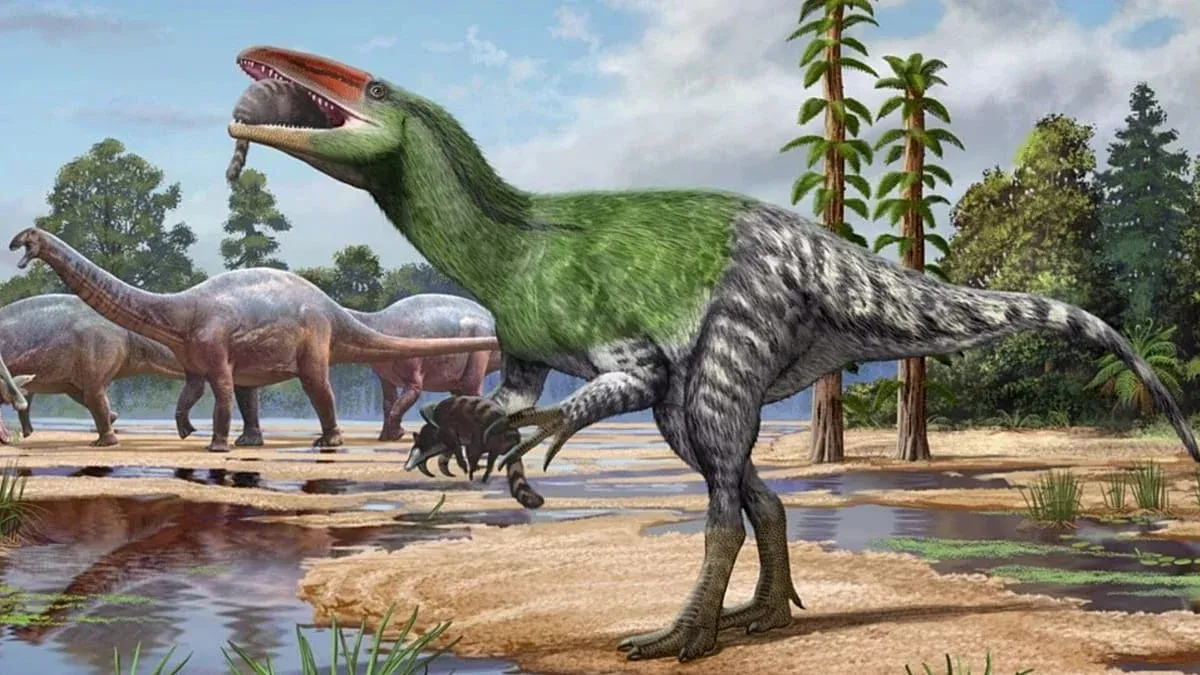
Dinosaur fossil hidden in London’s Natural History Museum for 100 years identified as new species - Yahoo News Canada

A dinosaur fossil that spent almost a century in the collections of London's Natural History Museum has been identified as a new species. The skull fragment belonged to Invictibellatrix amberina, a previously unknown carnivorous dinosaur that lived around 120 million years ago. It's also the first confirmed evidence of a megaraptoran dinosaur in Europe. The fossil was originally discovered at the foot of a cliff on the southwest coast of the Isle of Wight by amateur fossil hunter Reginald Walter Tooley. After his death in 1924, the Natural History Museum acquired more than 1,000 specimens from his collection, including the fragment. RelatedAlthough scientists knew it belonged to a dinosaur, exactly which one remained a mystery for decades. Now, researchers have taken another look at the fossil using CT scanning technology, allowing them to examine its internal structure and create a 3D model. Their full findings were published in the journal Royal Society Open Science.

Yahoo News Canada·
Science

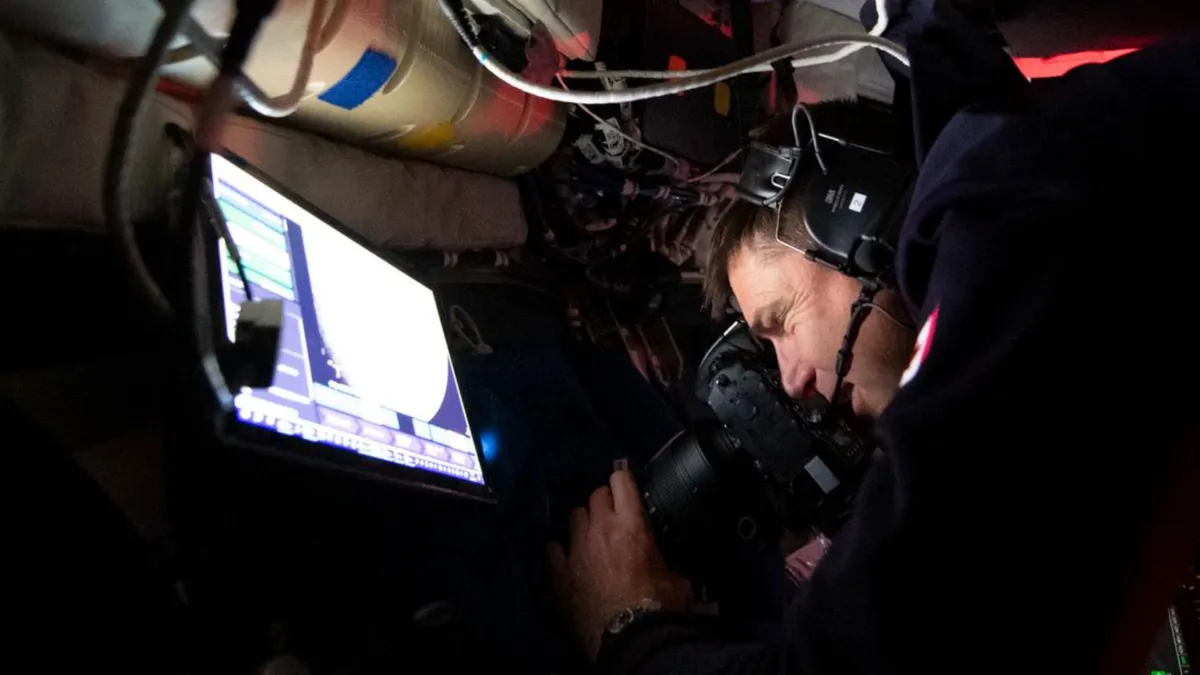
NASA Opens the Vault on Artemis II: 800 GB of Lunar Science Now Public - thedailypost.digital

Thousands of crew photos, hours of astronaut commentary, and hand-annotated images from April’s lunar flyby are now available to anyoneSix months after four astronauts swung around the Moon, everyone can access the photographs and observations they brought home. NASA has uploaded more than 800 gigabytes of Artemis II lunar science data, including material never released before, to NASA’s Planetary Data System, the public archive for the agency’s planetary missions. NASA announced the release on October 7. The material captures lunar observations made during the Artemis II mission in April 2026. The SLS rocket carrying the Orion spacecraft launched on April 1, 2026, from Kennedy Space Center in Florida, and the mission concluded successfully on April 10. What’s in the archiveThe scale is impressive. The release includes more than 11,000 full-resolution images and videos of the Moon from the crew’s handheld cameras and Orion’s own cameras, 8.5 hours of audio recordings of the crew describing what they saw on the lunar surface, and images the crew annotated by hand.

thedailypost.digital·
Science

Winter sea ice loss may be underestimated, ancient clues from a warmer Arctic suggest - Phys.org

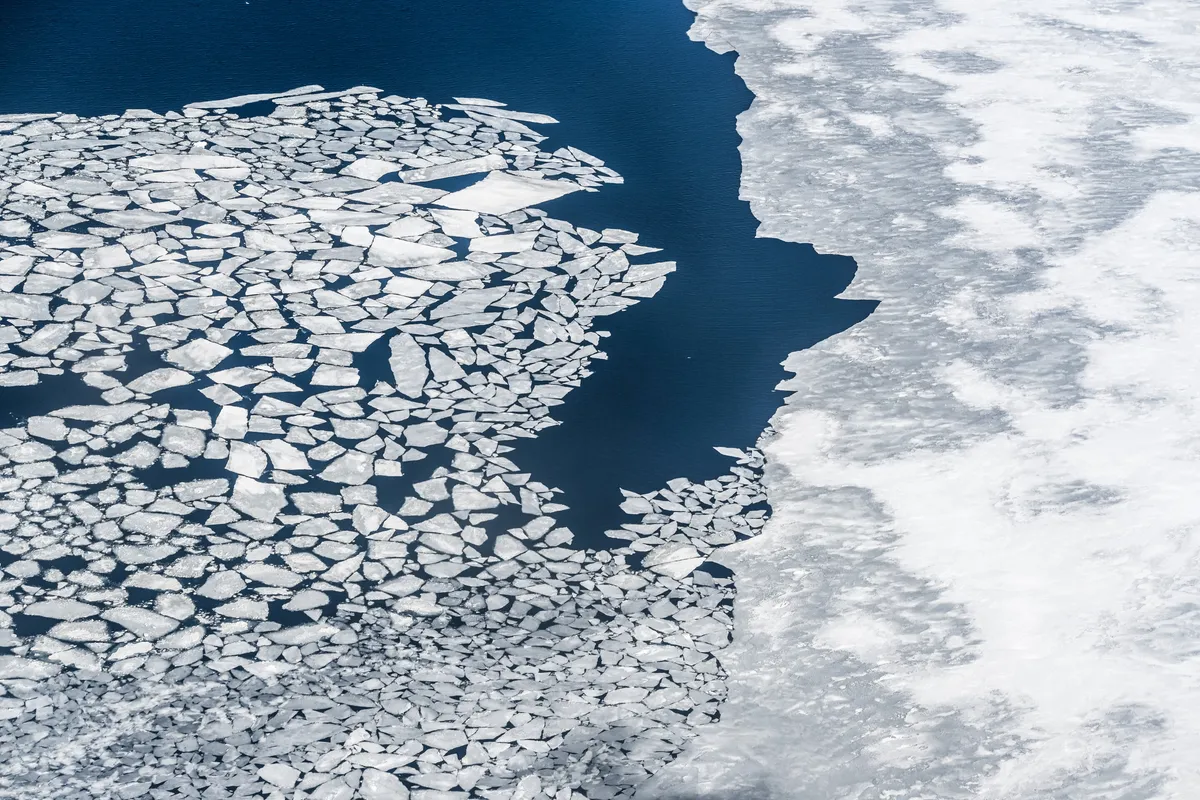
Future Arctic winter sea ice is likely to shrink by around 1 million square kilometers (386,000 square miles) more than previously thought, after researchers used clues from a warm period 6,000 years ago to improve the reliability of climate models. The results, reported in the journal Nature Geoscience, could have implications for future winter conditions in the U. The retreat of Arctic sea ice in the summer months has been widely reported. However, the loss of winter sea ice has received far less attention, despite the fact that climate models disagree with each other most during the winter months.

Phys.org·
Science

Earth from Space: West Antarctica - European Space Agency

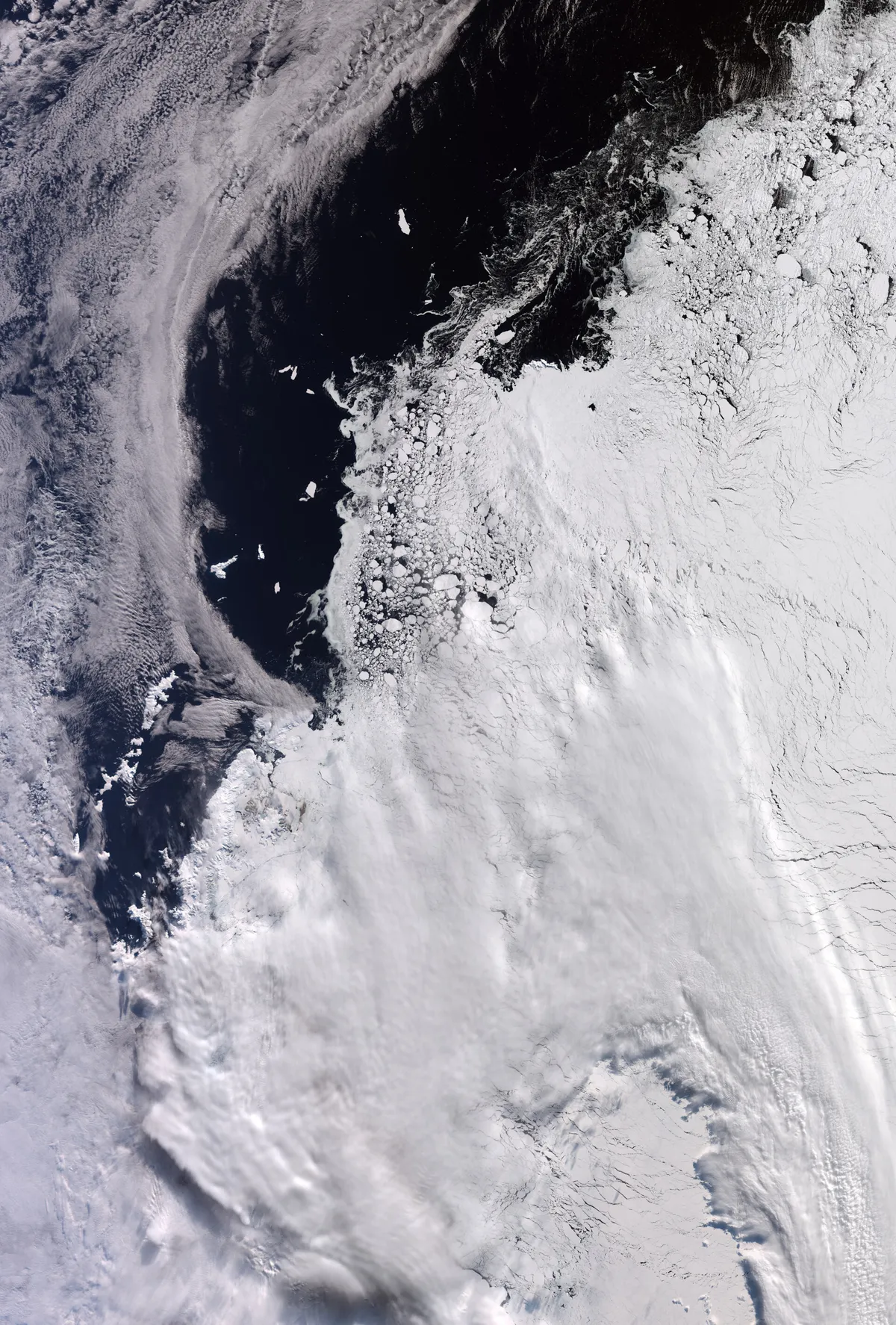
This image over part of West Antarctica was captured by Copernicus Sentinel-3 on 30 September 2026. Zoom in to explore this image at its full resolution. At this time of year, winter is coming to an end in the southern hemisphere and the sea ice is at its annual maximum extent. It reaches as far as the tip of the Antarctic Peninsula, visible in the central part of the image, where there is also some cloud coverage. An area of about 1200 km by 1700 km is shown – this area is on the periphery of the Antarctic continent, which is about 4500 km across its main landmass. Elephant Island, about 50 km in length, is clearly visible against ice-free ocean on the left-hand side of the image. It is about 930 km from the tip of Argentina’s Tierra del Fuego, which is not pictured. Sea ice for Antarctica’s winter season most likely peaked on 14 September 2026, according to the National Snow and Ice Data Center (NSIDC). This image shows sea ice engulfing the tip of the Antarctic Peninsula as well as part of the Weddell Sea, east of the peninsula. White cloud covers much of the lower part of the image but sea ice is clearly visible in the upper-right area.

European Space Agency·