Scientists have long known that capsaicin, the ingredient that makes chili peppers feel hot and is used in some pain-relief creams, works by activating a pain-sensing receptor known as TRPV1.
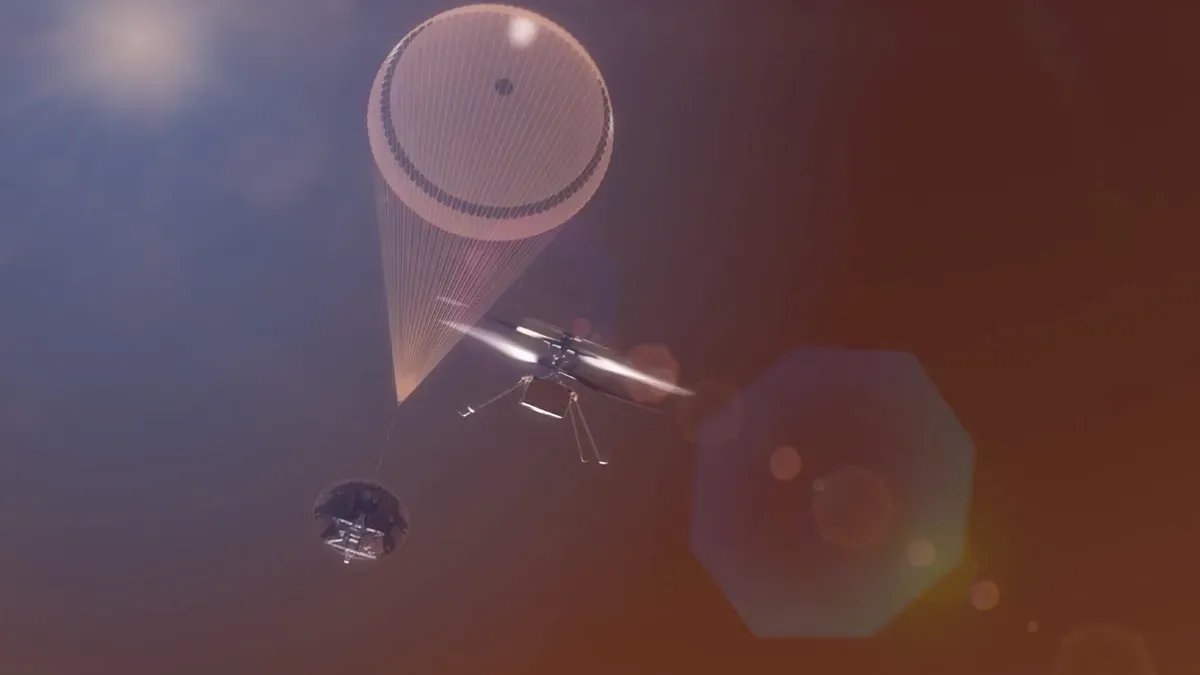
Three helicopters NASA is preparing to send to Mars will be able to fly hundreds of kilometers across the planet. The data they collect should help prepare for human landings. Scientists are getting ready to select the location where the helicopters will begin their work. Their focus is on plains that may contain deposits of frozen water beneath the surface.
Artist’s illustration of NASA’s planned SkyFall helicopters descending toward the Martian surface. Credit: AeroVironment
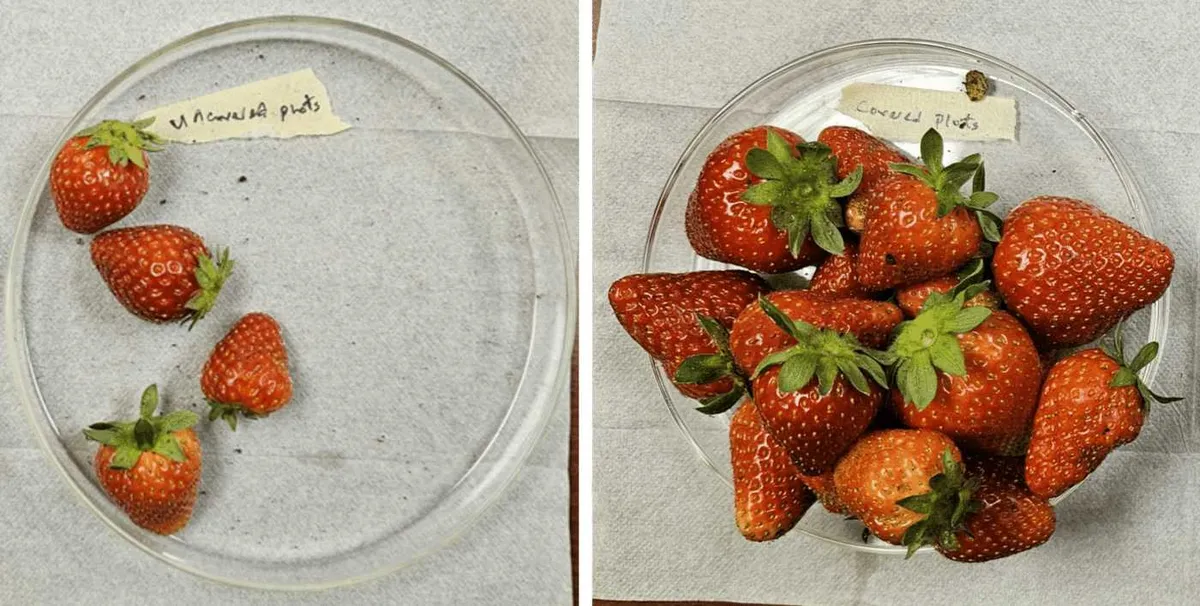
(Left) uncovered strawberry yield (right) yield from strawberries grown with Plant Armor – credit Gabriel Olawuyi, released by NCSU
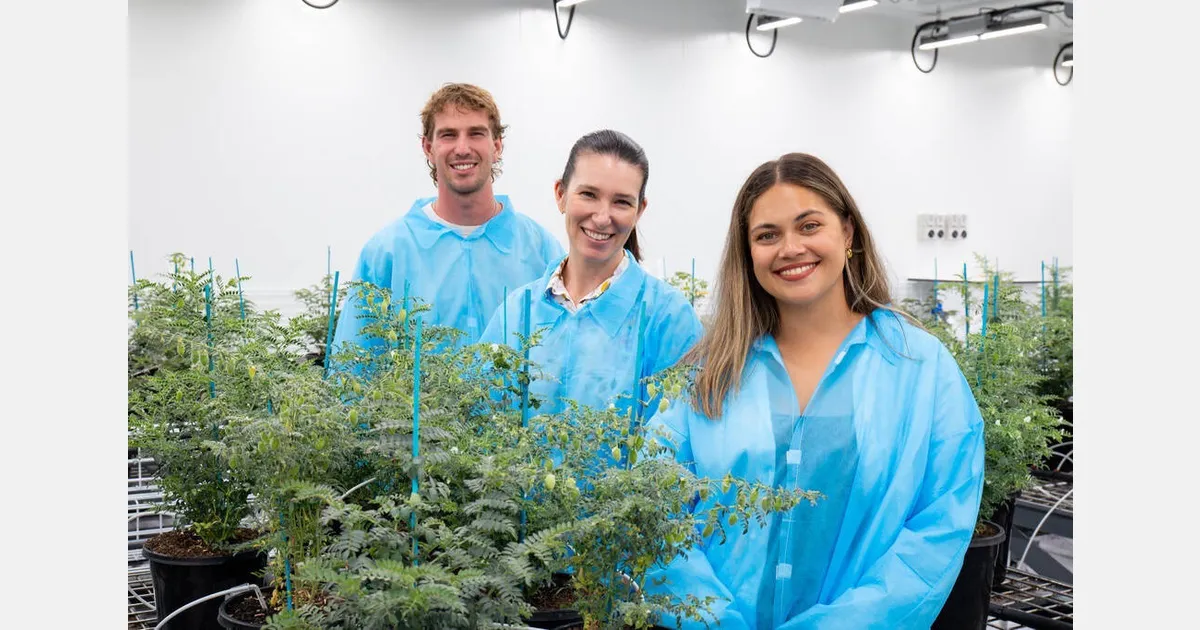
A new textile used to cover strawberry plants more than tripled fruit yields in field tests, without negatively impacting plant health.
As an embryo develops from a small cluster of stem cells, those once "blank slate" cells begin to take on more specialized roles like brain, liver or muscle cells and organize themselves into three-dimensional structures such as tissues and organs.
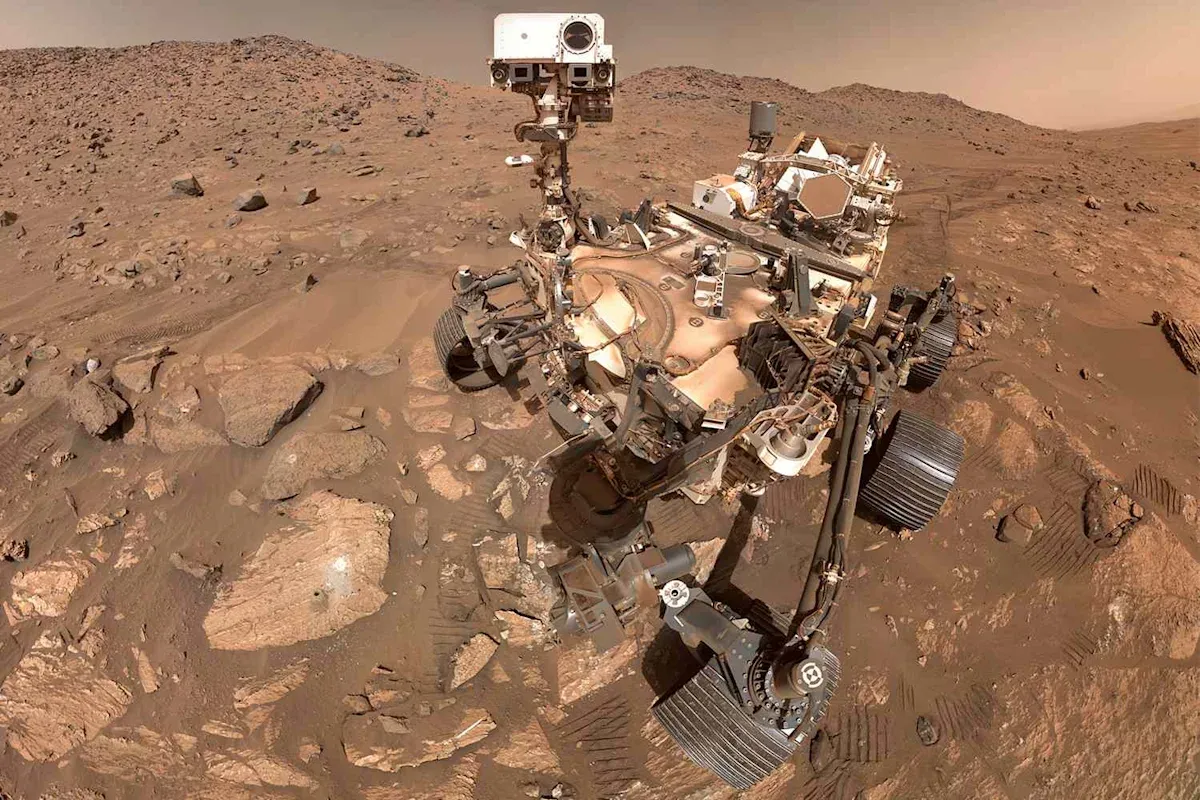
NEED TO KNOWPerseverance traveled 28.1 miles, surpassing the distance Opportunity covered during its nearly 15-year missionThe rover reached the milestone after 2,006 Martian days using its self-driving navigation systemNASA hopes to find evidence of ancient hydrothermal systems as Perseverance explores Jezero Crater's western rimNASA's Perseverance Mars rover has reached a new milestone in space exploration. On Oct. 11, the Perseverance Mars rover trekked 28.1 miles (45.22 kilometers), surpassing the 28.06-mile (45.16-kilometer) record set by NASA's Opportunity rover, which explored Mars from 2004 to 2018, according to an announcement from NASA's Jet Propulsion Laboratory. Perseverance reached the mark on the 2,006th Martian day of its mission, meaning it covered, in 5 1/2 years, a distance that took Opportunity almost 15. "It is an honor to be working on Perseverance at a moment when the technology has evolved to the point that drives like these are routine," said Steven Lee, the project manager of the Curiosity and Perseverance rovers at NASA's Jet Propulsion Laboratory in Southern California in a press statement.
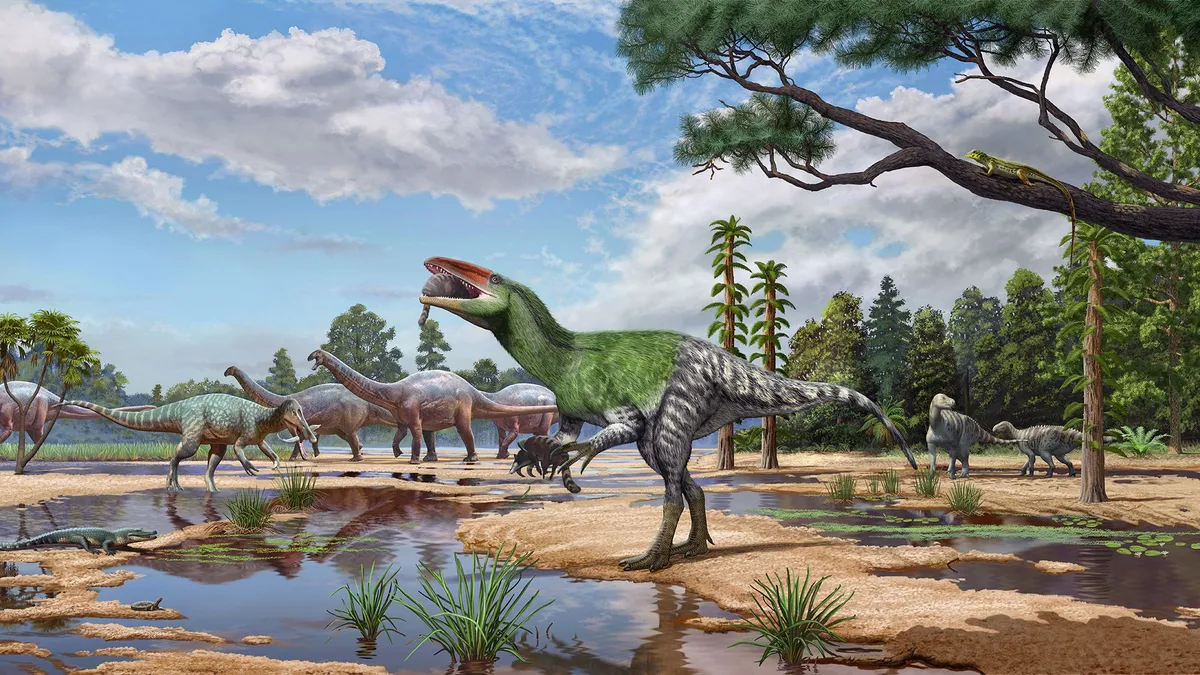
The newly identified Invictibellatrix amberina lived about 120 million years ago and represents the first megaraptoran dinosaur found in Europe, according to a new study.
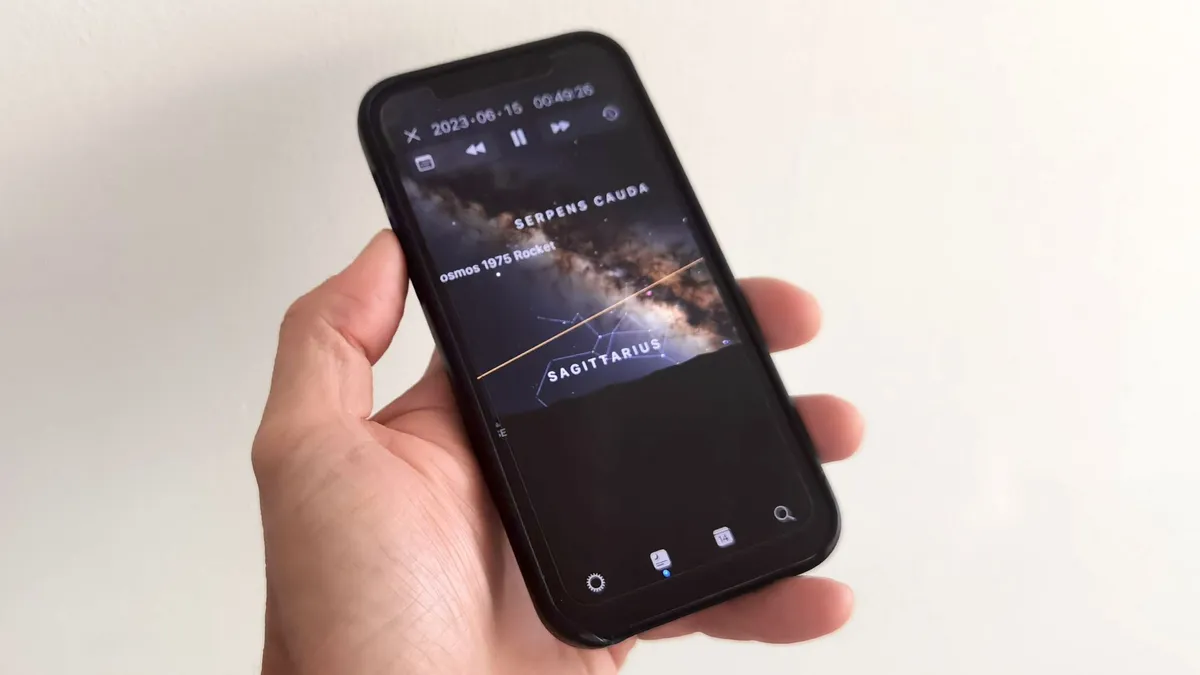
On May 10, 2025, a spacecraft built in the Soviet Union to land on Venus came home. Launched in 1972, Cosmos-482 was stranded by a failed upper stage of its rocket and circled Earth for 53 years. In its last days, several space agencies and research groups forecasted when it would fall, and therefore where. Roscosmos later reported that it came down in the Indian Ocean, west of Jakarta.
Environmental groups warn seabed mining may harm fragile marine habitats and disrupt ecosystems. (Stock image by magdal3na.)
Metal-rich rocks recovered from the Pacific Ocean began smoking and heating when researchers broke them apart in a laboratory, highlighting a potential fire hazard for mining seafloor sulphide deposits.
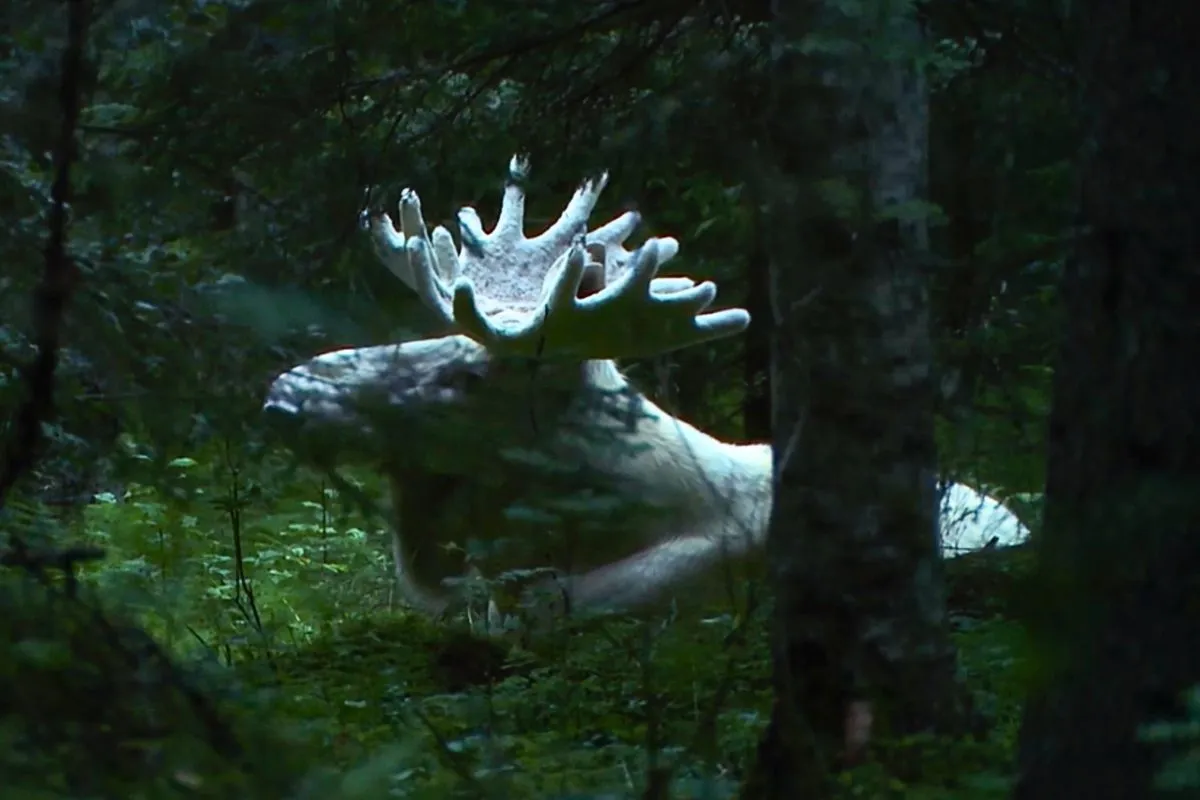
'Ghost moose' footage shows huge, white animal wandering through forestThe videos of the white moose were captured in the Värmland region of Sweden. Published: October 16, 2026 at 1:52 pmA pure-white moose foraging within the lush undergrowth of a Swedish forest. It might sound like something from a fairy tale, but this mythical-looking creature is in fact very real.
According to experts, the ghost-like coat is not caused by albinism, but instead a recessive gene – a genetic mutation that affects moose along with various other animals, including birds and reptiles.
There’s something wrong with our understanding of the Universe and, as the James Webb Space Telescope (JWST) has confirmed, it doesn’t seem to be an observational error.
One of the biggest mysteries in cosmology is the ‘Hubble tension’, the puzzle that the expansion of the Universe we see today doesn’t match what we think it should be from looking at the early cosmos.
The Futura Team represents the pulse of Futura’s editorial department, bringing together a collective expertise dedicated to the dissemination of scientific knowledge. Rather than the work of a single author, every article published under this signature is the result of a rigorous collaborative process involving journalists, editors, and fact-checkers. Specializing in news analysis via desk research and international wire services, the team focuses on transforming raw information into accessible, verified content. This curation and synthesis process ensures constant monitoring of technological innovations and major scientific breakthroughs. By cross-referencing sources and conducting multiple rounds of peer review, the Futura Team guarantees scientific accuracy and pedagogical clarity. This collective signature serves as a hallmark of trust, providing reactive, cross-disciplinary information at the forefront of current events
Astronomers searching for potentially habitable worlds usually start by examining the star a planet orbits. If the planet is at just the right distance—not too close, not too far—liquid water could theoretically exist at its surface.
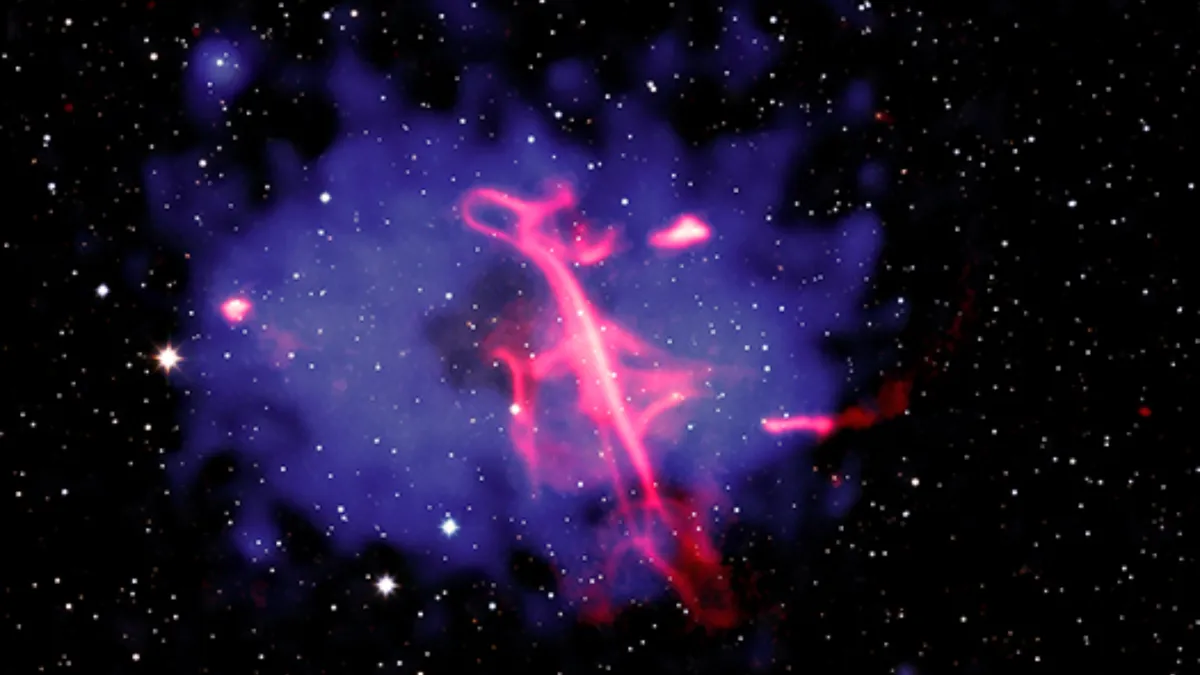
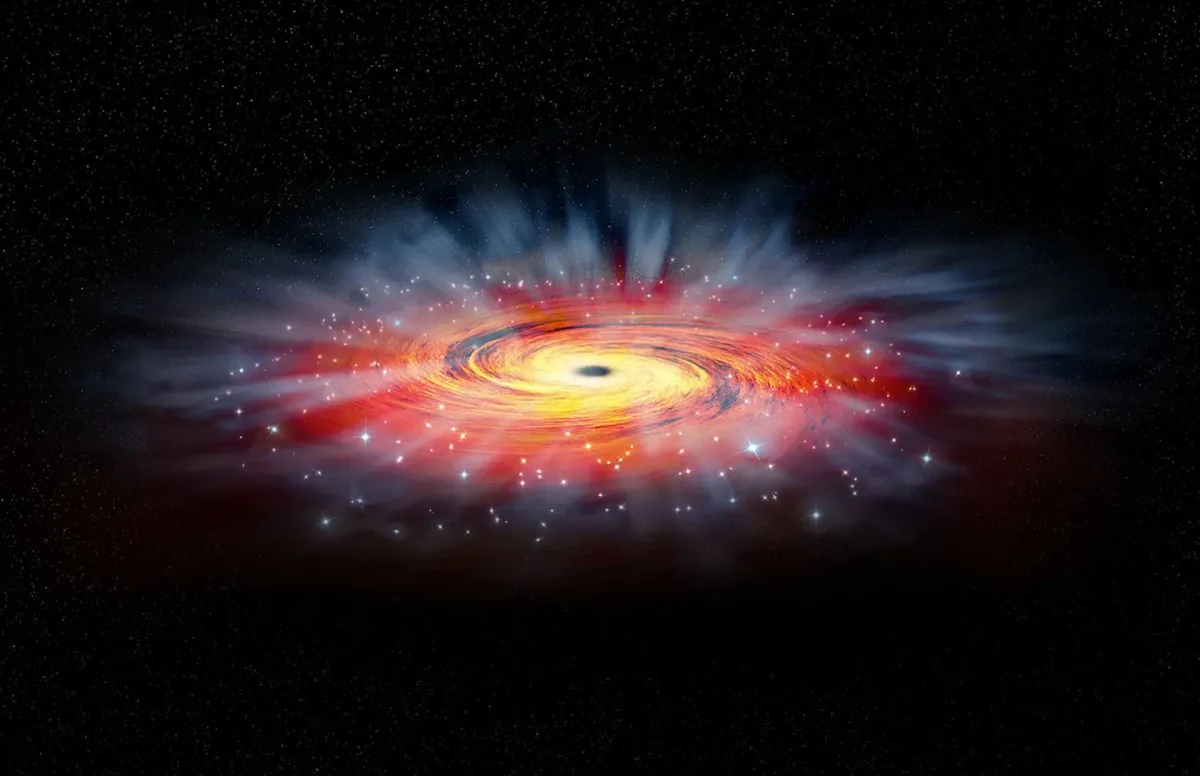
Astronomers have discovered a star being torn apart by a massive black hole more than 1,000 parsecs from the center of its host galaxy. The tidal disruption event, TDE 2023mfm, was first discovered by ZTF and then studied with a wide range of telescopes, including Keck, Lick, Hubble, Swift, Chandra, XMM-Newton and the VLA. The discovery paper was posted to the arXiv preprint server on Sept. 28.
Showcasing the beauty of chemistry, chemical engineering, and related sciences.
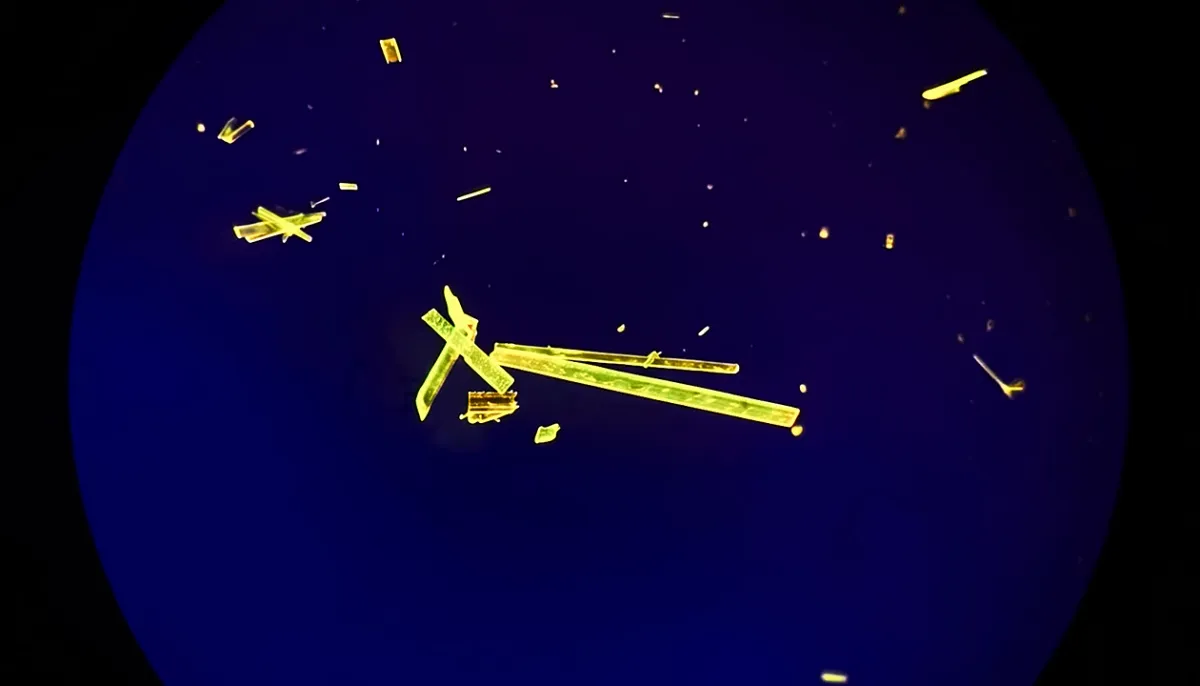
These rigid rod-shaped crystals, measuring about 0.5 mm in width and a few millimeters long, have an outsize glow thanks to the arrangement of the molecules within. Their vibrant fluorescence under ultraviolet light was captured on a phone camera by Bidyut Das, a postdoctoral research associate in Samir Kumar Sarkar’s laboratory at the Indian Institute of Technology Guwahati. The lab’s research focuses on creating luminescent organic materials. These particular crystals are made from a compound that has an electron-accepting segment flanked by two electron-donating segments. The molecules pack in such a way that they restrict each other’s movement within the crystal lattice. This confinement keeps the molecules from releasing energy through nonluminescent means and leads to much brighter fluorescence, a useful trait for applications such as organic light-emitting diodes.