BBlogFlow

Categories

Science

5433 articles

Science

Reliability and validity of the one-minute sit-to-stand test in Parkinson’s disease - Nature

We’re sharing this article early to provide faster access to peer-reviewed, accepted research. It is citable and carries a permanent DOI. This version is subject to further edits and will be replaced automatically by the final Version of Record. All legal disclaimers apply. AbstractTo investigate the validity and test–retest reliability of the One-Minute Sit-to-Stand Test (1STS) in individuals with Parkinson’s disease (PD). Twenty-eight individuals with PD performed the 1STS twice with a 7-day interval. Concurrent validity was examined using correlations with the 2-Minute Walk Test (2MWT) and the Hoehn and Yahr (H&Y) stage. Test–retest reliability was assessed using the intraclass correlation coefficient (ICC). The 1STS showed a strong positive correlation with the 2MWT (r = 0.69, p < 0.01) and a moderate negative correlation with the H&Y stage (r = − 0.58, p < 0.01). Test–retest reliability was excellent (ICC = 0.94, 95% CI: 0.86–0.97). The 1STS is a reliable and potentially valid measure of functional performance in individuals with PD. It may be considered a practical option in clinical settings; however, further research is needed to confirm these findings.

Nature·
Science

Ancient fungus unlocks secret support system in major food crops that could transform farming practices - Phys.org

Arabidopsis thaliana, a small flowering mustard plant used worldwide as the primary genetic model in plant biology, was long believed incapable of forming relationships with underground fungal networks. New research published in Current Biology led by professor Katie Field demonstrates for the first time that it can establish a fully functional, resource-sharing partnership with an ancient soil fungus known as a Mucoromycotina fine root endophyte (MFRE).

Phys.org·
Science

JMIR News: Informed consent’s redesign for AI-related trials, an autonomous oxygenation device, and the physician-led campaign for Canada’s Safe Social Media Act - EurekAlert!

(Toronto, October 16, 2026) — JMIR Publications this week released three News and Perspectives features on the latest digital health news: stories on how informed consent must be rethought for clinical trials involving AI; Canada’s proposed Safe Social Media Act and the Canadian Medical Association’s support; and a promising new autonomous oxygen titration device for health care. In "Informed Consent in the AI Age: Why and How Documentation Must Change", JMIR Correspondent and researcher Hankun Su argues that traditional informed consent frameworks, which tend to assume that risks to patient safety are static and that clinicians will be able to fill in any gaps in understanding, are inadequate for clinical trials that use AI. “Documents must anticipate questions clinicians cannot answer and provide accessible responses within the text itself,” he writes. Su and his colleagues developed an informed consent framework for AI-related clinical trials that mandates transparency and disclosure, uses tiered standards based on risk, and employs dynamic consent mechanisms—one of many possible frameworks.

EurekAlert!·
Science

Characterization and efficacy of green-synthesized silver nanoparticles against Puccinia species - in vitro - Nature

We’re sharing this article early to provide faster access to peer-reviewed, accepted research. It is citable and carries a permanent DOI. This version is subject to further edits and will be replaced automatically by the final Version of Record. All legal disclaimers apply. AbstractPuccinia species cause substantial losses in wheat production and productivity across the globe, creating a serious challenge to food security. The environmental and health risks associated with conventional fungicides necessitate sustainable alternatives. The present study examines the eco-friendly synthesis of silver nanoparticles (AgNPs) employing Eucalyptus globulus leaf extract through a biological reduction approach and evaluates antifungal efficacy against wheat rust pathogens. GC-MS identified bioactive compounds in the phytoextract, primarily alkaloids and flavonoids. UV-visible spectroscopy confirmed AgNPs formation. Fourier transform infrared spectroscopy, Scanning electron microscopy, X-ray diffraction, dynamic light scattering, and zeta potential analysis established their functional groups, surface morphology and size (22–50 nm), crystalline nature, and colloidal stability.

Nature·
Science

Ancient Submerged Forests Found to Rival Coral Reefs in Biodiversity Off Mozambique Coast - ATTA® Travel

Researchers from the Bazaruto Center for Scientific Studies (BCSS) Ocean Observatory have documented submerged "peat reefs" in the shallow waters of Mozambique's Bazaruto Archipelago, finding that ancient coastal forests - now lying beneath the sea - support marine biodiversity comparable to coral reefs. Published on 12 October in Scientific Reports, the study is believed to be the first ecological research into tropical peat reefs from a biodiversity perspective, with radiocarbon dating placing peat formation between roughly 300 and 5,000 years ago. The reefs, sitting just 2 - 4 metres deep, host no living coral yet shelter dozens of fish species, spiny lobsters, oysters and juvenile reef fish, alongside larger species including sharks, rays and turtles. The findings carry significant implications for coastal conservation and blue economy policy. Some peat samples contain up to 40% organic carbon by dry weight, raising questions about their potential role as legacy carbon stores - though researchers note that the peat reefs' present-day carbon cycling function remains unresolved and requires further dedicated study.

ATTA® Travel·
Science

JWST finds hidden structure in a hot exoplanet’s atmosphere 1,300 light-years away - The Brighter Side of News

Webb observations reveal a hotter, more extended evening edge in the atmosphere of the giant exoplanet WASP-17b. A method called transmission strings maps atmospheric differences around the planet’s apparent outline during transit. The inferred temperature contrast is about 650 kelvin, while water and carbon dioxide abundances remain broadly consistent around the limb. One edge of WASP-17b stretches farther into space than the other. Around this swollen gas giant, intense heating and atmospheric circulation produce differences that disappear when astronomers treat the entire atmosphere as one uniform ring. A new analysis has recovered some of that missing structure from starlight filtered through the planet’s atmosphere. The findings, published in Nature Astronomy, concern a hot Jupiter roughly 1,300 light-years from Earth. A team co-led by Cornell University and the University of Bristol applied a method called transmission strings to James Webb Space Telescope observations. The approach traces atmospheric properties at different positions around the planet’s apparent edge.

The Brighter Side of News·
Science

One-step rapid syphilis test uses layered nanoparticles to detect infection earlier - Phys.org

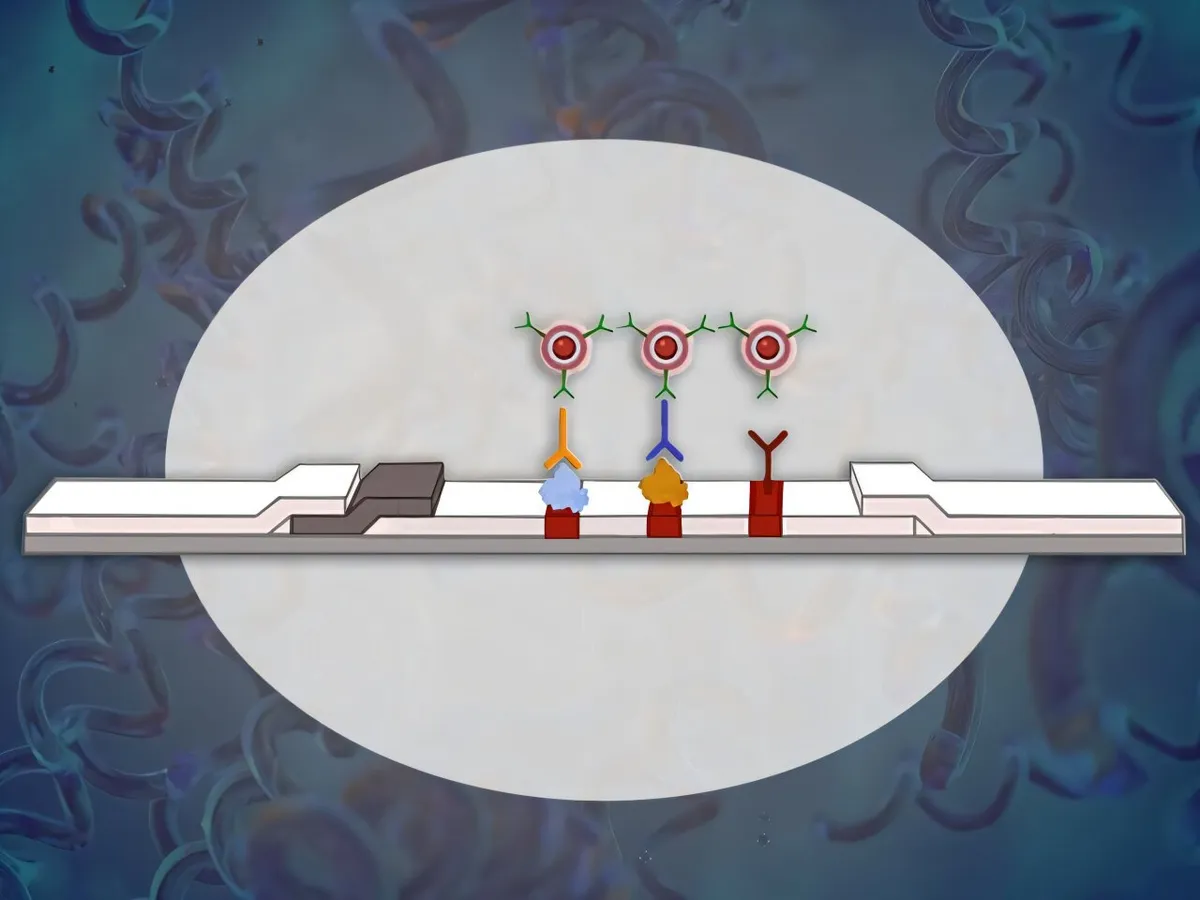
A new pilot rapid test for syphilis from a team led by Penn State researchers integrates two blood tests into one and detects antibodies at very low levels to potentially detect the disease in its earliest stages. Credit: Pan Research Group / Penn State Penicillin has cured syphilis cases since 1943, but symptoms of the sexually transmitted infection, known as "the great imitator," mimic many other diseases and can come and go without treatment while the infection keeps causing harm. If it remains undetected, it can spread to partners and to babies during pregnancy, causing lifelong effects.

Phys.org·
Science

The Flavor of Neutrinos Could Determine How a Large Star Dies - Universe Today

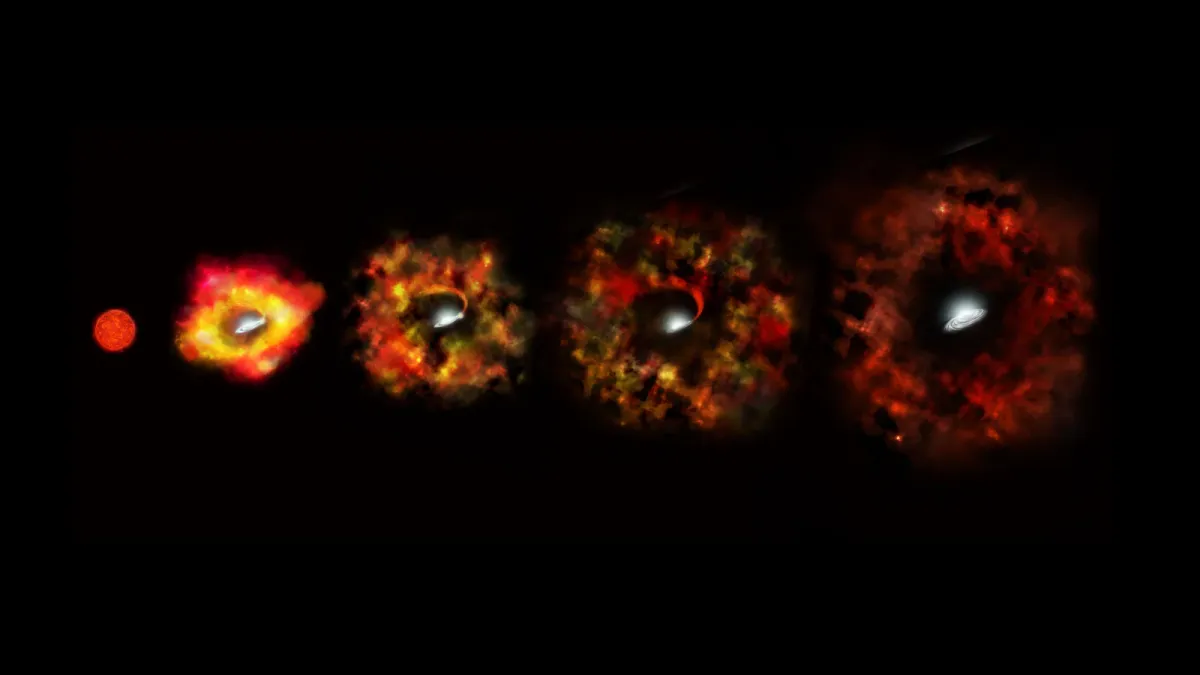
A core-collapse supernova occurs when a massive star reaches the end of its life. After running out of hydrogen and other light elements to burn, the star makes a last ditch effort to counter gravity, fusing ever heavier elements at an ever faster pace. Eventually it reaches the point where heavy fusion extracts energy from the core rather than adds it. The core rapidly contracts, then recoils. The resulting explosion rips the star apart and briefly outshines an entire galaxy. But not all giant stars end with a bang. Some of them experience a core collapse so quick and dense that the core squeezes itself into a black hole. These stars end with a whimper rather than a bang. So what exactly causes this difference? Why do some stars explode and others not? What key features distinguish between the two? The answer could lie in an aspect of neutrinos known as flavor.

Universe Today·
Science

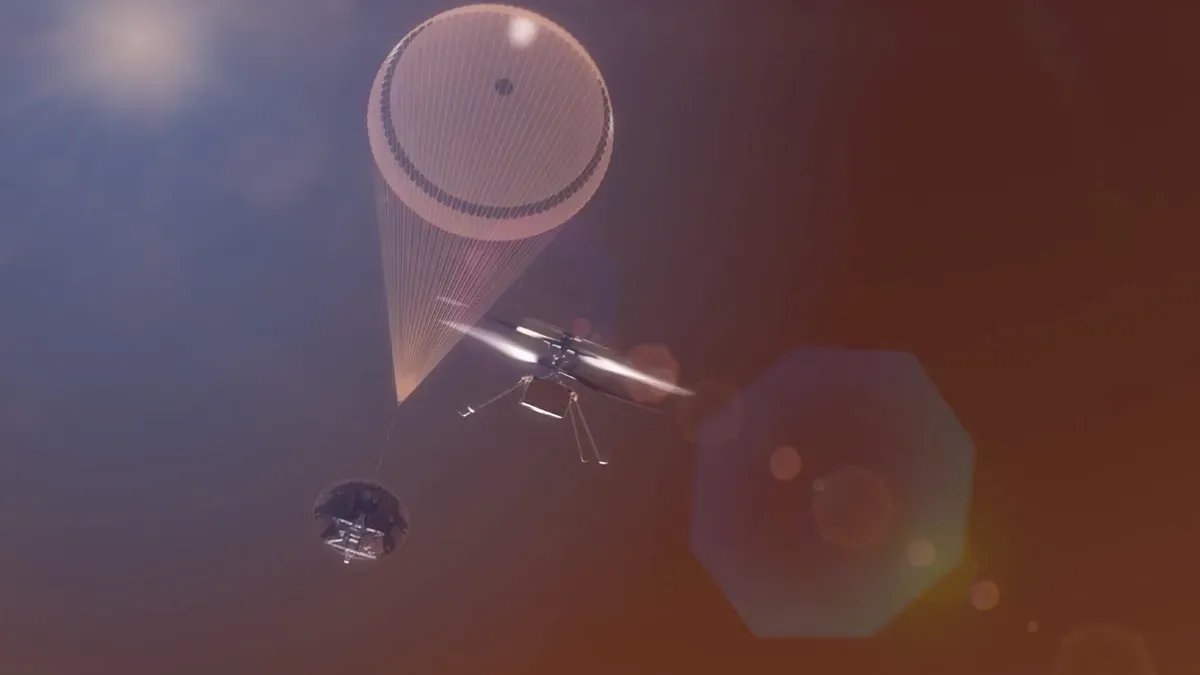
NASA’s SkyFall helicopters will scan the Martian surface in search of ice - Universe Space Tech

Three helicopters NASA is preparing to send to Mars will be able to fly hundreds of kilometers across the planet. The data they collect should help prepare for human landings. Scientists are getting ready to select the location where the helicopters will begin their work. Their focus is on plains that may contain deposits of frozen water beneath the surface. Artist’s illustration of NASA’s planned SkyFall helicopters descending toward the Martian surface. Credit: AeroVironment

Universe Space Tech·
Science

NASA’s Perseverance Mars Rover Has ‘Blown Well Past’ Expectations, Sets New Space Exploration Record - Yahoo News Canada

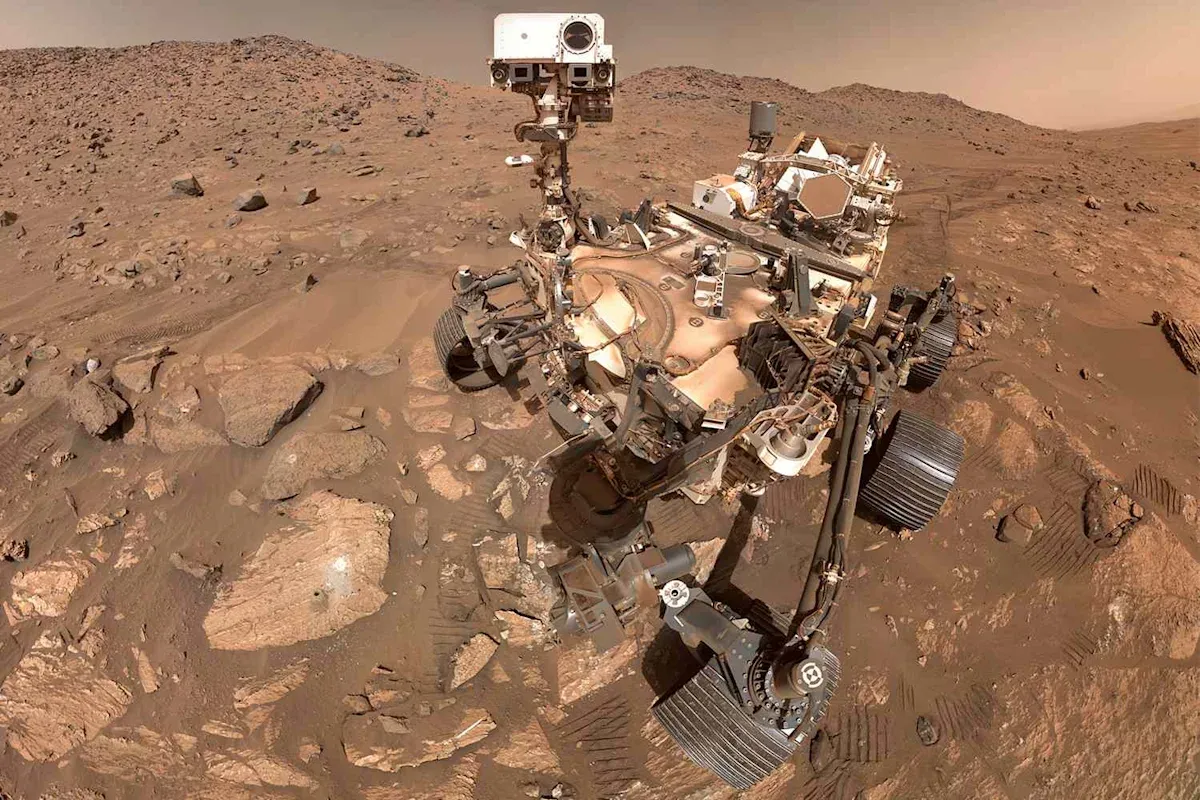
NEED TO KNOWPerseverance traveled 28.1 miles, surpassing the distance Opportunity covered during its nearly 15-year missionThe rover reached the milestone after 2,006 Martian days using its self-driving navigation systemNASA hopes to find evidence of ancient hydrothermal systems as Perseverance explores Jezero Crater's western rim‌NASA's Perseverance Mars rover has reached a new milestone in space exploration. On Oct. 11, the Perseverance Mars rover trekked 28.1 miles (45.22 kilometers), surpassing the 28.06-mile (45.16-kilometer) record set by NASA's Opportunity rover, which explored Mars from 2004 to 2018, according to an announcement from NASA's Jet Propulsion Laboratory. Perseverance reached the mark on the 2,006th Martian day of its mission, meaning it covered, in 5 1/2 years, a distance that took Opportunity almost 15. "It is an honor to be working on Perseverance at a moment when the technology has evolved to the point that drives like these are routine," said Steven Lee, the project manager of the Curiosity and Perseverance rovers at NASA's Jet Propulsion Laboratory in Southern California in a press statement.

Yahoo News Canada·
Science

Forecasting air drag with deep learning helps predict when uncontrolled satellites and rocket stages fall to Earth - Phys.org

On May 10, 2025, a spacecraft built in the Soviet Union to land on Venus came home. Launched in 1972, Cosmos-482 was stranded by a failed upper stage of its rocket and circled Earth for 53 years. In its last days, several space agencies and research groups forecasted when it would fall, and therefore where. Roscosmos later reported that it came down in the Indian Ocean, west of Jakarta.

Phys.org·