Categories
Science
5429 articles
Science
Adaptive molecular convergence more common than previously thought, distant jellyfish relatives reveal - Phys.org
A new study has found that adaptive molecular convergence—the process by which distantly related or unrelated species evolve the same genomic changes—is not as rare as previously thought.
Phys.org·
Science
Unprecedented atlas explores mitochondria across the tree of life - Nature
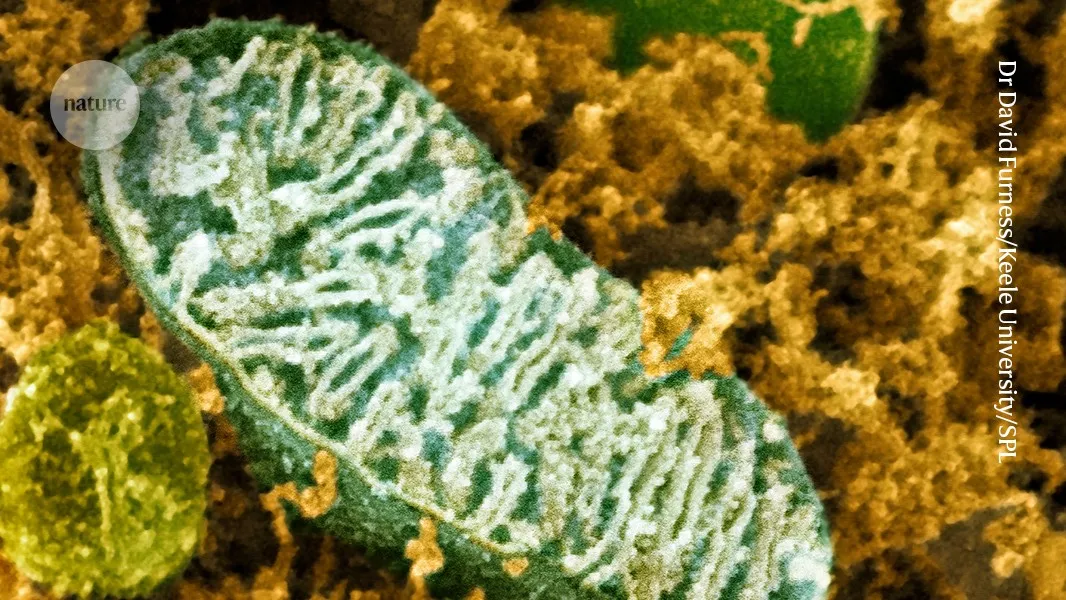
The protein catalogue gives a dynamic picture of the mitochondria, beyond what was known from humans and yeast. Credit: Dr David Furness/Keele University/SPLScientists have mapped in unprecedented detail the proteins that make up the mitochondria in six organisms — five single-celled parasites and one plant — spanning the eukaryotic tree of life. The findings, described in nine papers published in Cell, Cell Press Blue, Molecular Cell and Current Biology on 1 October1–9, reveal dozens of proteins that are not found in humans but are shared among parasites, including some that cause malaria or sleeping sickness. The findings might help scientists to devise new treatments for these illnesses. The work has also stirred a long-running debate about the origin of the mitochondrion. Cells are swapping their mitochondria. What does this mean for our health? Best known as the powerhouse of the eukaryotic cell because it produces energy, the mitochondrion has its own tiny DNA, which is distinct from that of the cell’s nucleus. But both mitochondrial and nuclear DNA encode the proteins that make up this organelle.
Nature·

Science
NASA’s ISS Crew-12 Reflects On Their Lengthy ISS Mission - Aviation Week
HOUSTON—As the International Space Station (ISS) prepares to mark 26 years of continuous occupancy by astronauts and cosmonauts on Nov. 2, its latest returnees offered perspective about life onboard the orbital lab. The facility is counting down to a planned safe deorbit by the end of 2030 after... Mark CarreauMark is based in Houston, where he has written on aerospace for more than 25 years. While at the Houston Chronicle, he was recognized by the Rotary National Award for Space Achievement Foundation in 2006 for his professional contributions to the public understanding of America's space program through news reporting.
Aviation Week·
Science
Glowing liquids could help protect products from counterfeiters using distinctive ultraviolet light signatures - Phys.org
Researchers at Nottingham Trent University have developed room-temperature liquids containing chemical elements that produce distinctive patterns of light. They say the materials could provide a flexible new approach to optical tagging and anti-counterfeiting, while being compatible with existing processing and printing technologies.
Phys.org·
Science
New dinosaur species identified from fossil tucked away in a museum - Yahoo News Canada
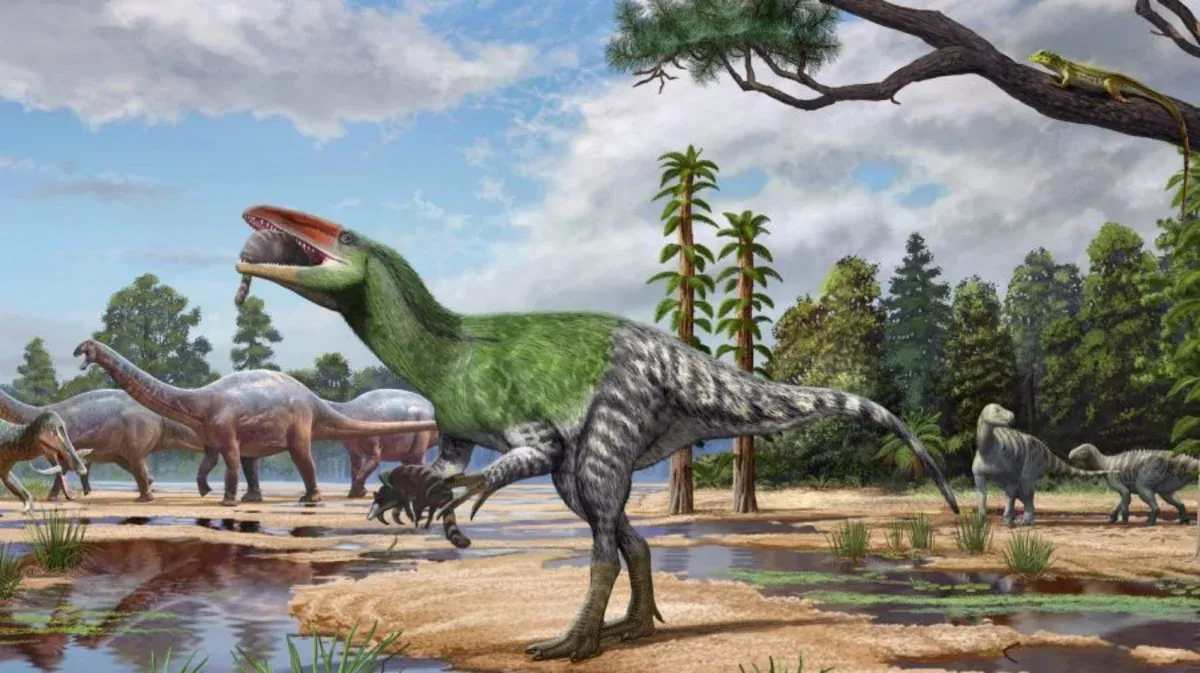
(NewsNation) — A fossil stored in a London museum for more than a century has been identified as a new species of dinosaur. Researchers say the new dinosaur, Invictibellatrix amberina, was identified from a skull fragment at the Natural History Museum. The fossil was first found by Reginald Walter Tooley, an amateur paleontologist, at the base of a cliff on the Isle of Wight. After Tooley died, the museum acquired the fossil in 1924, along with more than 1,000 other specimens he had collected. "It is a real mystery that this fossil was overlooked for so long, sitting in a drawer for nearly 100 years," said the study's lead author, Dr. Cassius Morrison, in a press release. Researchers used CT scans to make 3D images of the skull and the area where the dinosaur's brain would have been. When they compared these images to other meat-eating dinosaurs, they found some unusual features. These included an oval-shaped opening where the spinal cord met the brain and a ridge shaped like an hourglass. These differences led them to decide it was a new species. Invictibellatrix was part of a group of meat-eating dinosaurs called megaraptorans, which were related to tyrannosaurs.
Yahoo News Canada·
Science
Manchester Arena attack: Pioneering rehab program gives hope for remarkable recoveries - Medical Xpress
Survivors of major trauma can achieve a remarkable rate of recovery when given the right support, according to a new University of Manchester–led study examining a pioneering rehabilitation program developed in response to the needs arising from the Manchester Arena bombing.
Medical Xpress·
Science
How to see the Orionid meteor shower 2026 peak this week — and when to look - Space
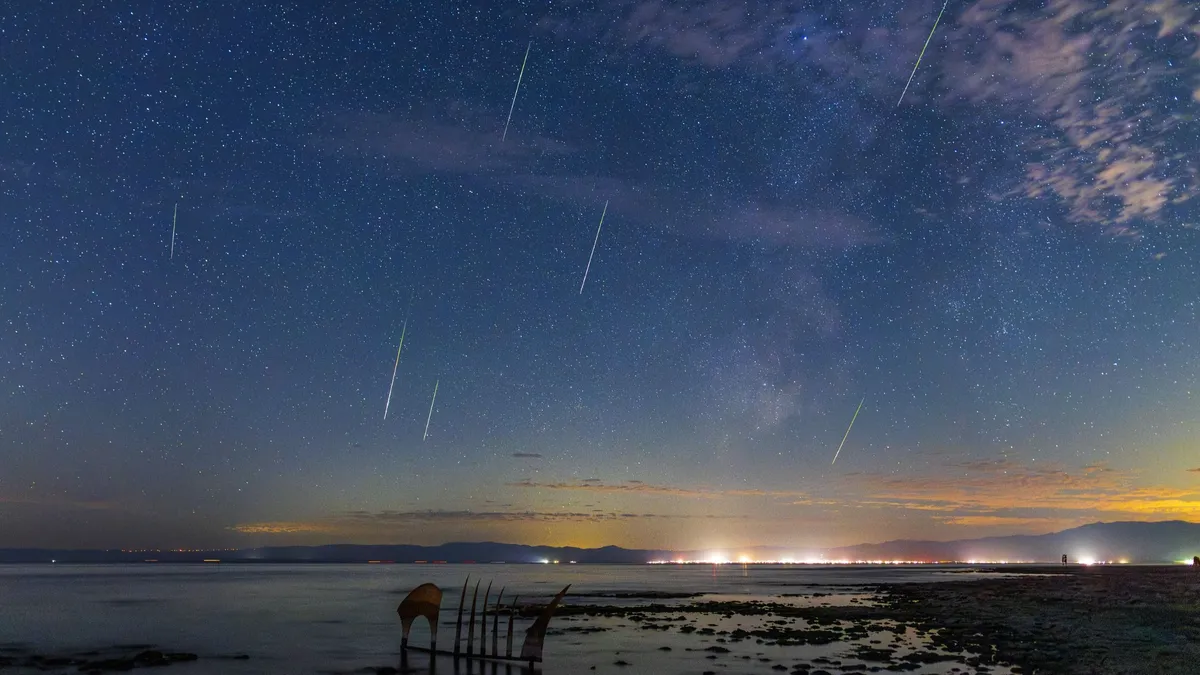
The Orionids peak around Oct. 21. Here's when and where to look for the best chance of spotting meteors.
Space·
Science
Scientists find 'gemstones' in atmosphere of bizarre, scorching-hot 'marshmallow' exoplanet - Space
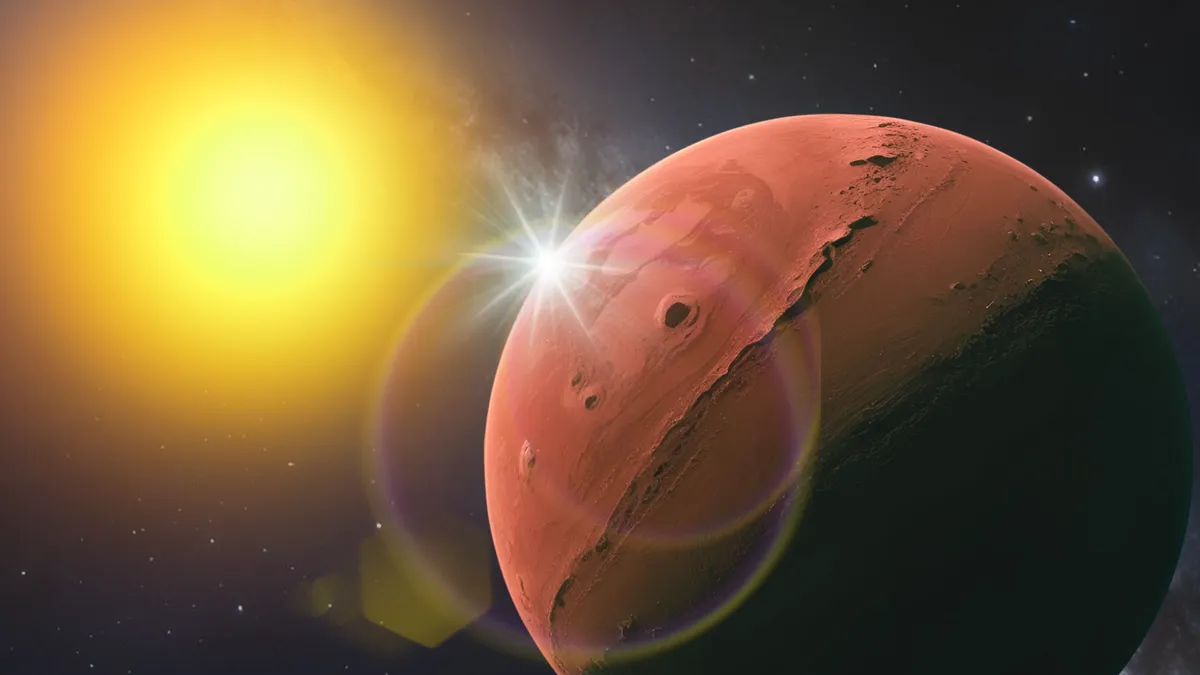
"Planets are temperamental, their atmospheres complex and chaotic."
Space·

Science
Deleting AI chats may not erase every trace - Futurity
Deleting a conversation with an artificial intelligence (AI) assistant may not erase everything the assistant remembers. Georgia Tech researchers have developed a tool that can recover deleted conversations from AI assistants running on Android phones. The tool, called ORISA, can also rebuild the recovered information into a working AI session.
Futurity·
Science
Machine learning analysis of gene regulation reveals new dimension of biological variability - Phys.org
Changes in our genes affect health risks from heart disease to cancer, but how those genes are turned on and off is just as crucial to health. What's more, almost all genes occur as two copies—one from each parent—that aren't necessarily turned on and off in sync. When that differential gene regulation goes awry, it can cause serious health problems.
Phys.org·
Science
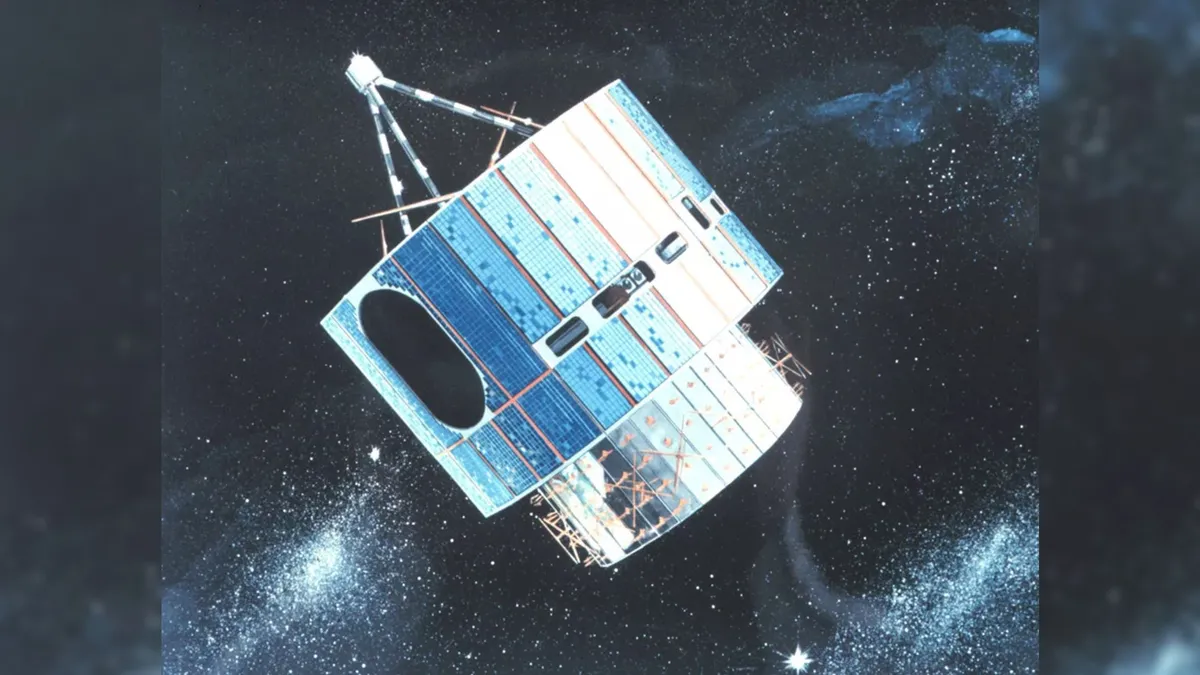
On this day in space! Oct. 16, 1975: NASA launches the 1st-ever GOES weather satellite to watch Earth from space - Space
On Oct. 16, 1975, NASA launched the first operational GOES weather satellite. Here's why it mattered.
Space·
Science
Metabolic characteristics and evolutionary history of the nitrogen-fixing cyanobacterial endosymbionts of pennate diatoms - Nature
We’re sharing this article early to provide faster access to peer-reviewed, accepted research. It is citable and carries a permanent DOI. This version is subject to further edits and will be replaced automatically by the final Version of Record. All legal disclaimers apply. AbstractNitrogen-fixing cyanobacteria are important sources of bioavailable nitrogen on Earth. Some nitrogen-fixing cyanobacteria are endosymbionts of algae, and recently one of them, UCYN-A2, was shown to be an early-stage organelle (nitroplast) of haptophytes. These biological associations are important models for studying co-evolution and organellogenesis. Endosymbioses between Rhopalodiaceae diatoms and nitrogen-fixing cyanobacteria (spheroid bodies, SBs) are widespread in marine and freshwater ecosystems, but their adaptation and evolution remain unclear. We found that the genomes and metabolic characteristics of marine and freshwater SBs are remarkably similar. Purifying selection pressures dominated SB diversification both within marine and freshwater habitats and across habitat boundaries.
Nature·
Science
Reliability and validity of the one-minute sit-to-stand test in Parkinson’s disease - Nature
We’re sharing this article early to provide faster access to peer-reviewed, accepted research. It is citable and carries a permanent DOI. This version is subject to further edits and will be replaced automatically by the final Version of Record. All legal disclaimers apply. AbstractTo investigate the validity and test–retest reliability of the One-Minute Sit-to-Stand Test (1STS) in individuals with Parkinson’s disease (PD). Twenty-eight individuals with PD performed the 1STS twice with a 7-day interval. Concurrent validity was examined using correlations with the 2-Minute Walk Test (2MWT) and the Hoehn and Yahr (H&Y) stage. Test–retest reliability was assessed using the intraclass correlation coefficient (ICC). The 1STS showed a strong positive correlation with the 2MWT (r = 0.69, p < 0.01) and a moderate negative correlation with the H&Y stage (r = − 0.58, p < 0.01). Test–retest reliability was excellent (ICC = 0.94, 95% CI: 0.86–0.97). The 1STS is a reliable and potentially valid measure of functional performance in individuals with PD. It may be considered a practical option in clinical settings; however, further research is needed to confirm these findings.
Nature·
Science
Ancient fungus unlocks secret support system in major food crops that could transform farming practices - Phys.org
Arabidopsis thaliana, a small flowering mustard plant used worldwide as the primary genetic model in plant biology, was long believed incapable of forming relationships with underground fungal networks. New research published in Current Biology led by professor Katie Field demonstrates for the first time that it can establish a fully functional, resource-sharing partnership with an ancient soil fungus known as a Mucoromycotina fine root endophyte (MFRE).
Phys.org·