Black holes might not just swallow stars—they could destroy habitable worlds - Futura, le média qui explore le monde
This story deserves to be shared
Send it to someone who'd care, or post it on your networks.
The Futura Team represents the pulse of Futura’s editorial department, bringing together a collective expertise dedicated to the dissemination of scientific knowledge. Rather than the work of a single author, every article published under this signature is the result of a rigorous collaborative process involving journalists, editors, and fact-checkers. Specializing in news analysis via desk research and international wire services, the team focuses on transforming raw information into accessible, verified content. This curation and synthesis process ensures constant monitoring of technological innovations and major scientific breakthroughs. By cross-referencing sources and conducting multiple rounds of peer review, the Futura Team guarantees scientific accuracy and pedagogical clarity. This collective signature serves as a hallmark of trust, providing reactive, cross-disciplinary information at the forefront of current events
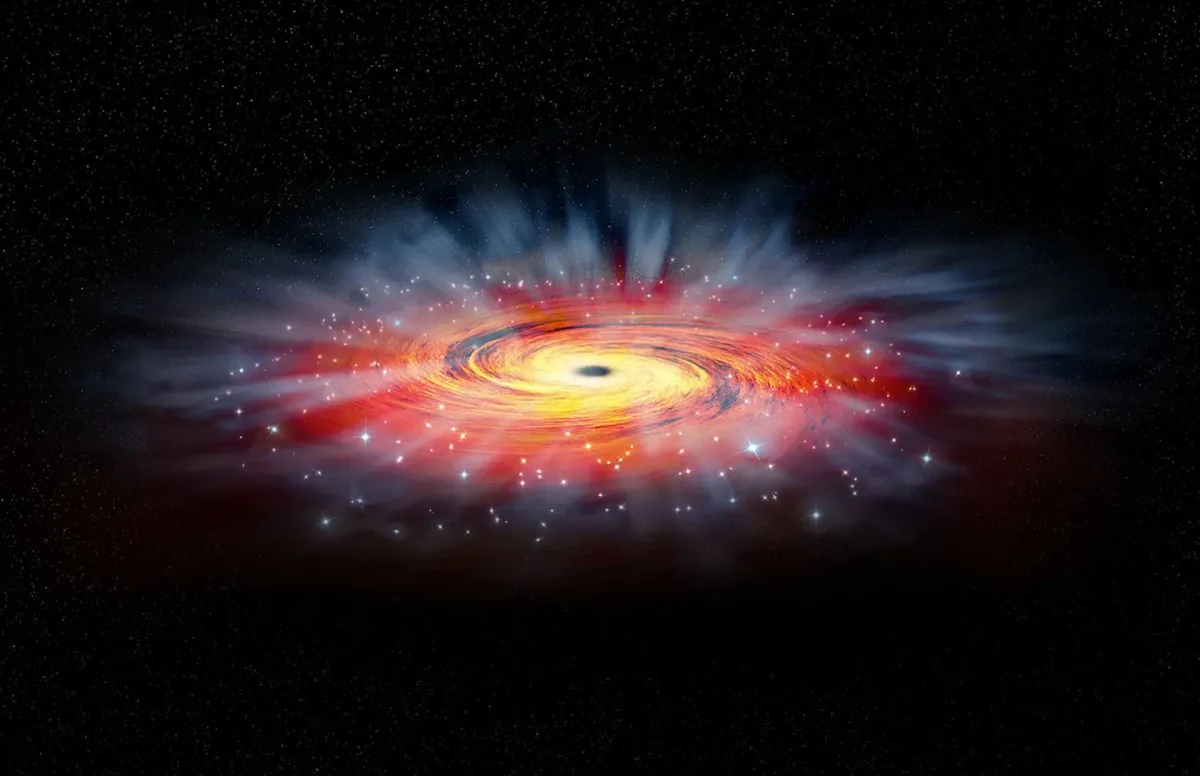
Astronomers searching for potentially habitable worlds usually start by examining the star a planet orbits. If the planet is at just the right distance—not too close, not too far—liquid water could theoretically exist at its surface.
This article is an excerpt. To read the full content, visit the original source. Futura, le média qui explore le monde
Related articles
AI used to be a nemesis confined to science fiction. Will it really destroy us all? - University of Colorado Boulder
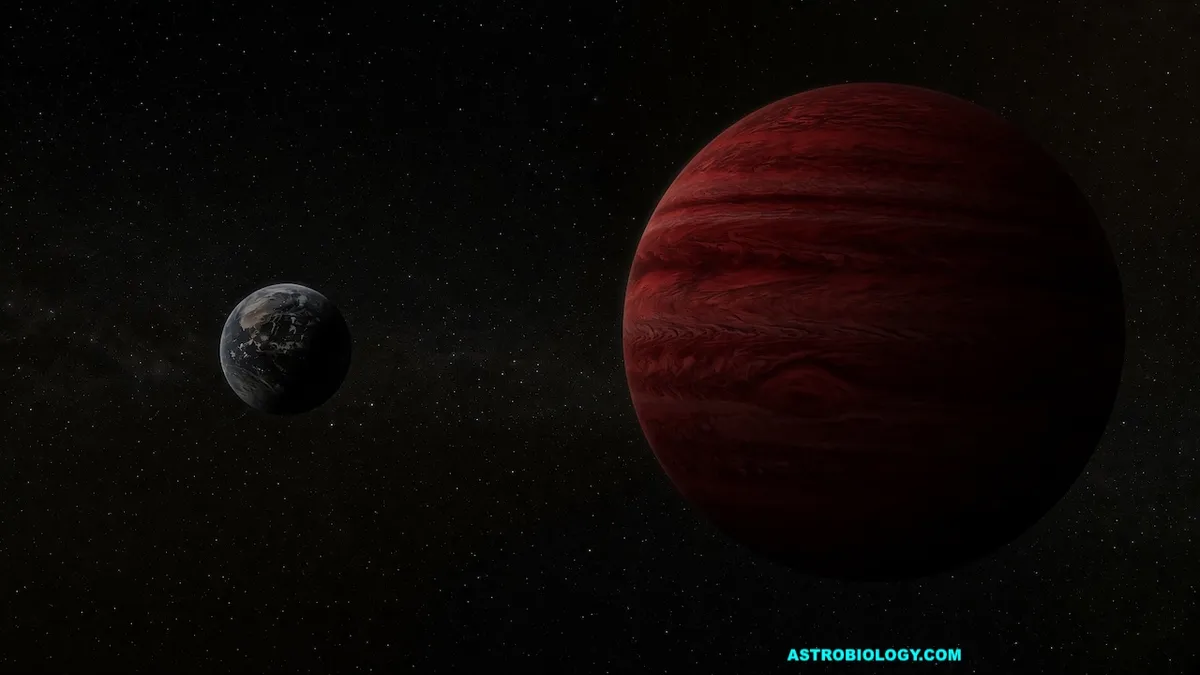
A Hydrogen Atmosphere Could Keep Exomoons Habitable For Billions Of Years - Astrobiology Web
A habitable earth-sized world orbiting a free floating Gas giant -- Grok via Astrobiology.com [Max Planck Institute for Extraterrestrial Physics] Liquid water is considered essential for life. Surprisingly, however, stable conditions that are conducive to life could exist far from any sun.
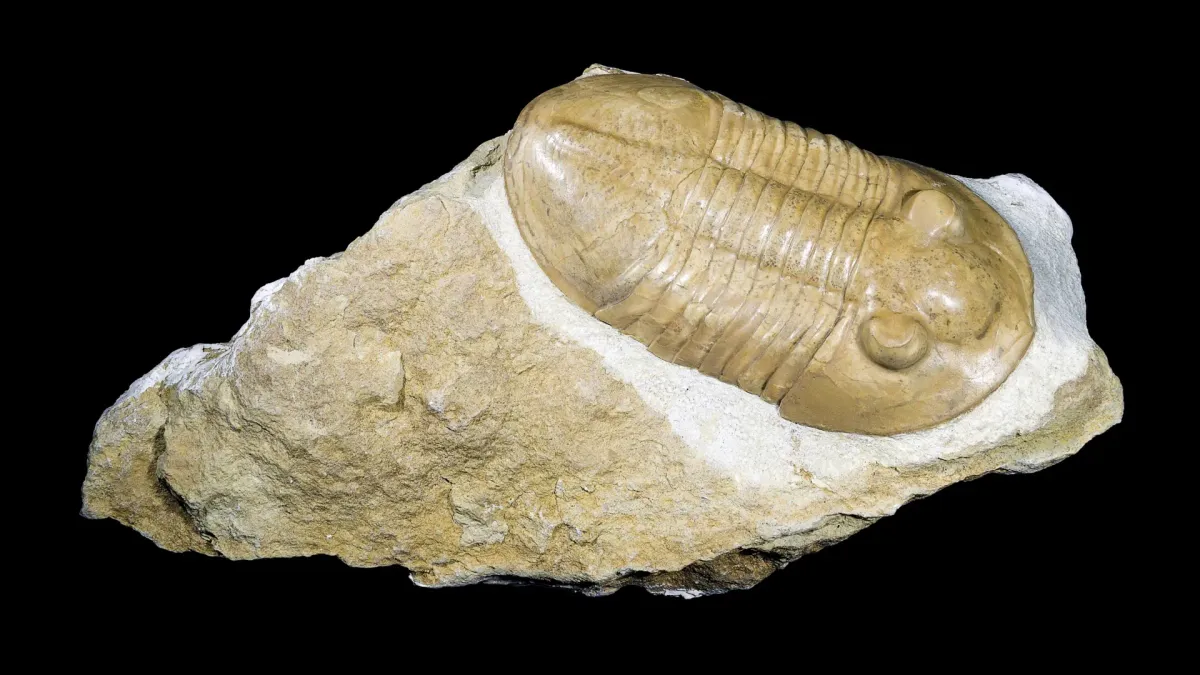
Scientists uncover the 2.3-billion-year-old secret that helped keep Earth habitable - Science Daily
More than 2 billion years ago, Earth underwent a dramatic transformation as oxygen began building up in its atmosphere. But that change left scientists with a major mystery: How did the planet maintain enough oxygen to remain habitable over millions of years? Researchers have now uncovered evidence that the answer may lie in an ancient recycling system within Earth's oceans. By studying rocks from South Africa, they found that changes in ocean chemistry helped create a natural cycle in which biological activity supported the continued accumulation of atmospheric oxygen.
0 comments
No comments yet. Be the first to share your thoughts!