Seabed rocks catch fire during lab tests - The Northern Miner
This story deserves to be shared
Send it to someone who'd care, or post it on your networks.
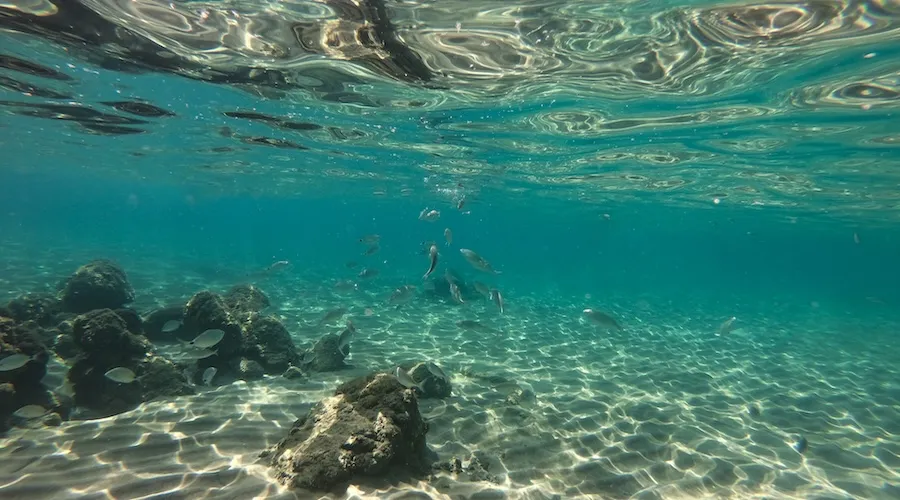
Environmental groups warn seabed mining may harm fragile marine habitats and disrupt ecosystems. (Stock image by magdal3na.)
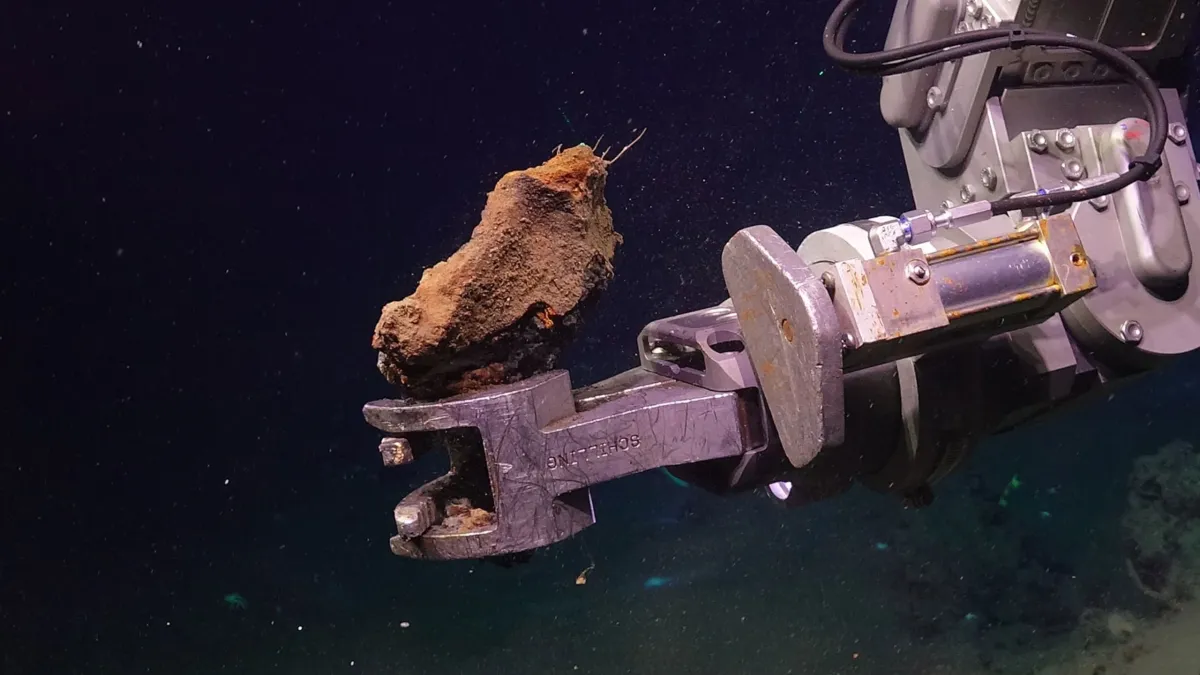
Metal-rich rocks recovered from the Pacific Ocean began smoking and heating when researchers broke them apart in a laboratory, highlighting a potential fire hazard for mining seafloor sulphide deposits.
This article is an excerpt. To read the full content, visit the original source. The Northern Miner
Related articles
Deep-sea mining faces surprise risk of rocks catching fire - Mining.com
Environmental groups warn seabed mining may harm fragile marine habitats and disrupt ecosystems. (Stock image by magdal3na.) Scientists at the United States Geological Survey (USGS) have discovered that some metal-rich rocks recovered from the deep ocean can spontaneously combust when exposed to air and processed, raising unexpected safety concerns for a potential new mining industry.
Scientists Collected Deep-Sea Rocks. They Spontaneously Caught Fire in The Lab. - ScienceAlert
Scientists investigating the possibility of a 'gold rush' on the bottom of the ocean have hit upon an unforeseen 'landmine'. Researchers at the United States Geological Survey (USGS) are now warning that some deep-sea minerals may spontaneously combust when they are brought to the surface. In 2022, that happened to two samples of metal-sulfide rocks collected from the deep seafloor. The event caused temperatures above 100 °C in the lab and completely oxidized the original samples. An article on the discovery, published in Scientific Reports, is being shared early, before full editing, to give the public faster access to new research. According to the USGS, this is a "potential hazard that could merit special consideration if deep-sea mining of seafloor massive sulfide deposits moves forward". "The production of heat through exothermic reactions has not been investigated in seafloor massive sulfide deposits but has the potential to cause rapid onset fires on ships," claims the recent article.
The Otherworldly Geology of Vasquez Rocks - NASA Science (.gov)

Ancient mud reveals a surprising secret about Greenland’s ice - Earth.com
Mud from a fjord shows an Atlantic air pattern brought wetter, colder spells to southern Greenland, a clue to how its ice may fare. Greenland’s ice is shrinking as the planet warms. But in the island’s southwest, rainfall and snowfall have been influenced by the same North Atlantic air-pressure pattern for at least 5,000 years. When that pattern tipped one way, the region turned wetter and colder. The record comes from mud on the floor of a Greenland fjord, and it suggests snowfall, not only temperature, shaped how the area’s ice grew and shrank. It doesn’t yet show how glaciers there will respond to the warming ahead. Johan Faust, a researcher at MARUM, the Center for Marine Environmental Sciences at the University of Bremen in Germany, led the work with colleagues in Germany, Norway, Denmark and Canada. A seesaw in the airThe pattern is called the North Atlantic Oscillation. It’s the difference in air pressure between a low that sits near Iceland and a high near the Azores, and it’s strongest in winter. When that difference is large, the pattern is in its positive phase. Northwestern Europe and southwestern Greenland both get more rain and snow.
0 comments
No comments yet. Be the first to share your thoughts!