Keeping to warm climates may have helped crocodiles outlast the dinosaurs - Phys.org
This story deserves to be shared
Send it to someone who'd care, or post it on your networks.
Keeping to warm climates throughout their 250-million-year history may have helped crocodiles and their relatives survive the asteroid that killed the dinosaurs, finds a new study led by UCL (University College London) researchers.
This article is an excerpt. To read the full content, visit the original source. Phys.org
Related articles
Scientists discover dangerous water oscillations between Lake Varna and Black Sea - Phys.org
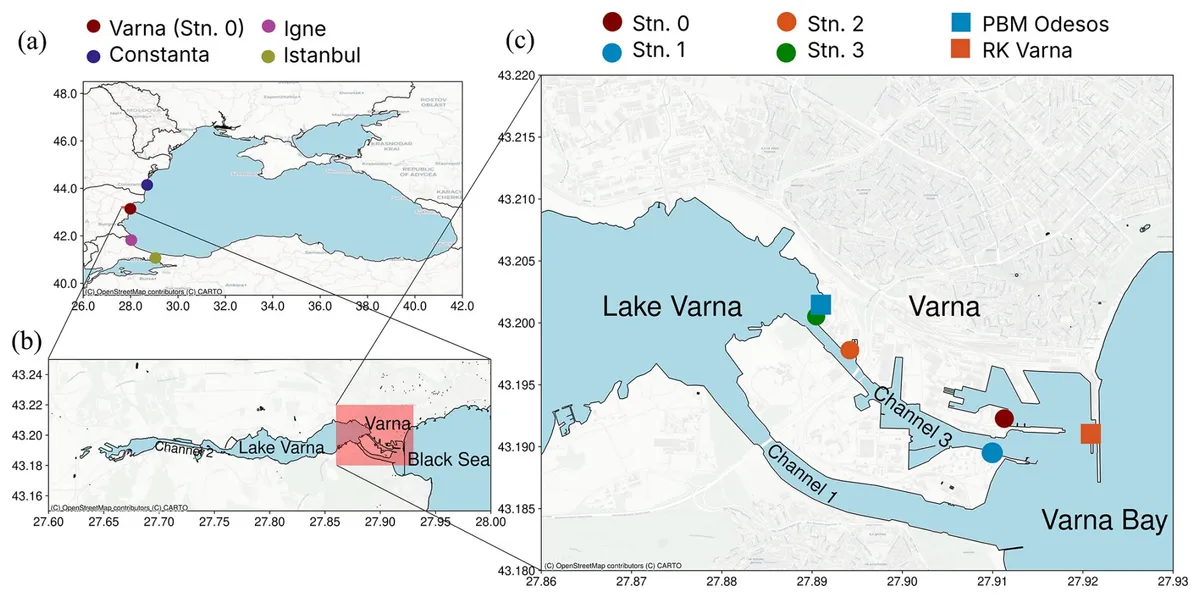
Location of the study areas. Credit: Ocean Science (2026). DOI: 10.5194/os-22-2471-2026 For years, pilots have observed strong and unusual currents in the 2.4-kilometer-long (1.5-mile-long), 300-meter-wide (984-foot-wide) canal connecting Lake Varna with the Black Sea. Maarja Kruusmaa, an academician and professor at Tallinn University of Technology, and researcher Laura Piho, working with the Port of Varna, undertook detailed measurements to determine the causes of the phenomenon.
Veteran ESA probe rolls out welcome mat for Japan's Phobos mission - The Register
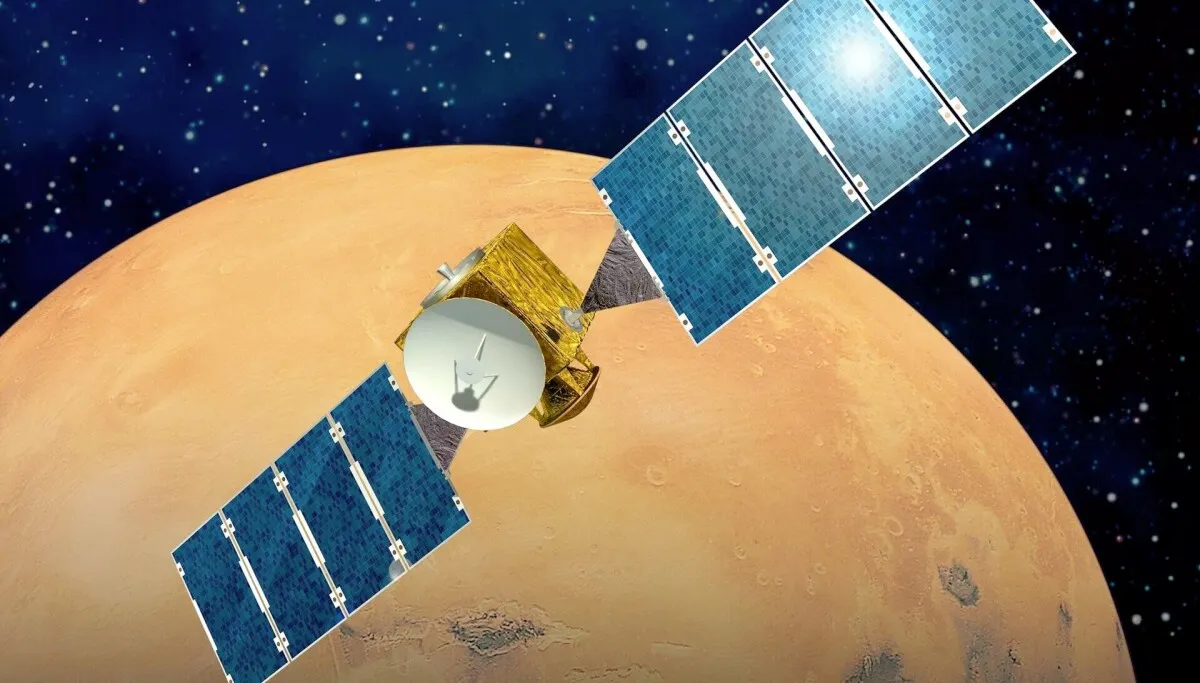
Mars Express could support MMX's 2027 arrival as another 'last ever' extension keeps old spacecraft in flight Japan's mission to the Martian moon Phobos launched this week, with a veteran European probe expected to be waiting when it arrives. JAXA, Japan's space agency, confirmed that the Martian Moons eXploration (MMX) spacecraft launched aboard an H3 rocket on October 19 at 19:41 UTC – October 20 in Japan. On October 21, it said that initial critical operations, including solar array deployment, were complete. Equipment checks will follow as the spacecraft prepares for its outbound cruise. The probe is due to reach Mars in 2027, deploy the Idefix rover on Phobos, and attempt one or two landings on the moon itself. The rover is named after the dog from the Asterix comics. Scientists plan to collect about 10 g of material from Phobos and send it to Earth, with a return planned for 2031.

From Animal Camouflage to AI: The Evolving Science of Staying Unseen | Newswise - Newswise
https://doi.org/10.1093/nsr/nwag601Newswise — Nature’s game of hide and seek is entering the age of intelligent machines. A new article in National Science Review traces how animal camouflage, advanced materials and artificial intelligence are converging to reshape the contest between detecting an object and keeping it concealed. Prepared by a team at the National University of Defense Technology in Changsha, China, the article brings together three domains: biomimetics, spectral physics and AI. Its central message is that concealment increasingly involves controlling both the signals reaching a sensor and the way intelligent systems interpret them. In nature, survival depends on more than matching a background. Snow leopard markings disrupt visual recognition, while cephalopods use responsive skin structures to change their appearance. These biological strategies are inspiring engineered materials that adjust colour, reflect light and manage heat. The review highlights a transition from copying outward appearances toward reproducing the coordinated functions behind natural camouflage. Modern sensors, however, see far beyond human vision.
Wigner crystals get dressed - Nature
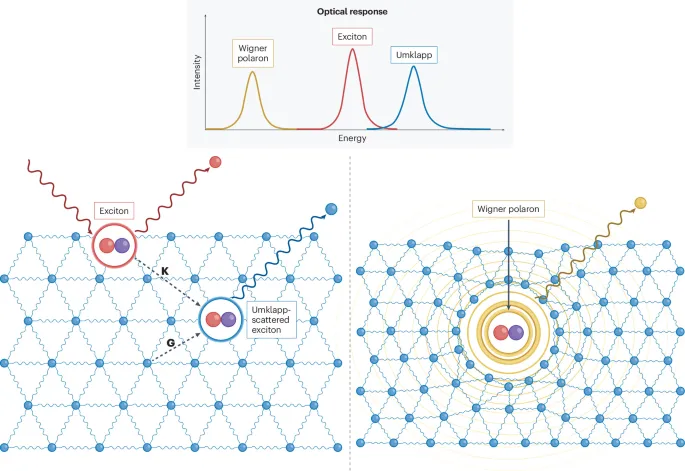
When repulsion overcomes their tendency to move freely, electrons can arrange into a crystal. Two experiments have now identified Wigner polarons, quasiparticles whose optical signatures reveal the collective response of the electron lattice. This is a preview of subscription content, access via your institution
Putting the Warburg effect in reverse - Nature
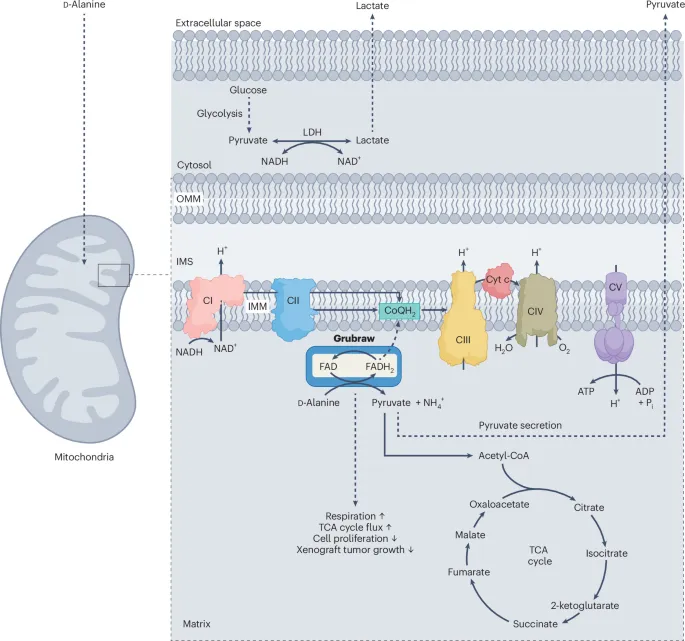
Pyruvate links glycolysis to mitochondrial oxidative metabolism, while the Warburg effect diverts it to lactate. A xenotopic chemogenetic tool based on bacterial d-alanine dehydrogenase generates pyruvate in the mitochondrial matrix independently of glycolysis, resulting in enhanced respiration and pyruvate export. This is a preview of subscription content, access via your institution
0 comments
No comments yet. Be the first to share your thoughts!