Putting the Warburg effect in reverse - Nature
This story deserves to be shared
Send it to someone who'd care, or post it on your networks.
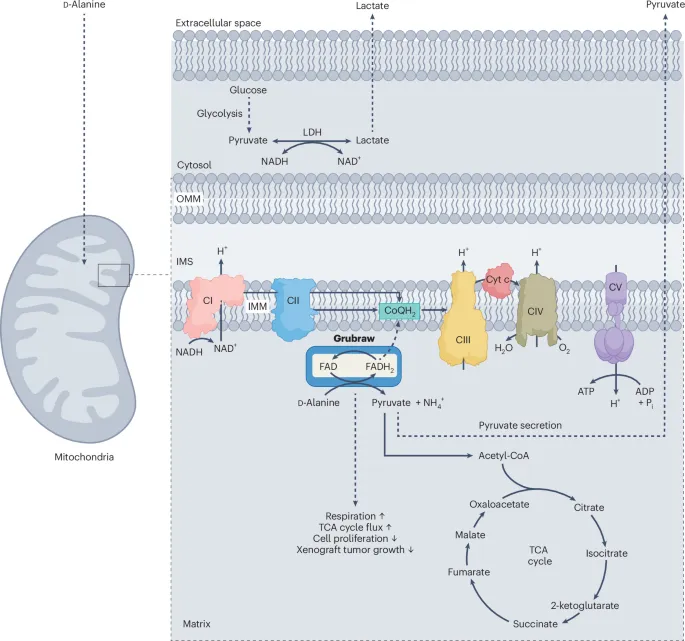
Pyruvate links glycolysis to mitochondrial oxidative metabolism, while the Warburg effect diverts it to lactate. A xenotopic chemogenetic tool based on bacterial d-alanine dehydrogenase generates pyruvate in the mitochondrial matrix independently of glycolysis, resulting in enhanced respiration and pyruvate export.
This is a preview of subscription content, access via your institution
This article is an excerpt. To read the full content, visit the original source. Nature
Related articles
Quantum Leap For Canadian INRS High-temperature Materials Research - Quantum Zeitgeist
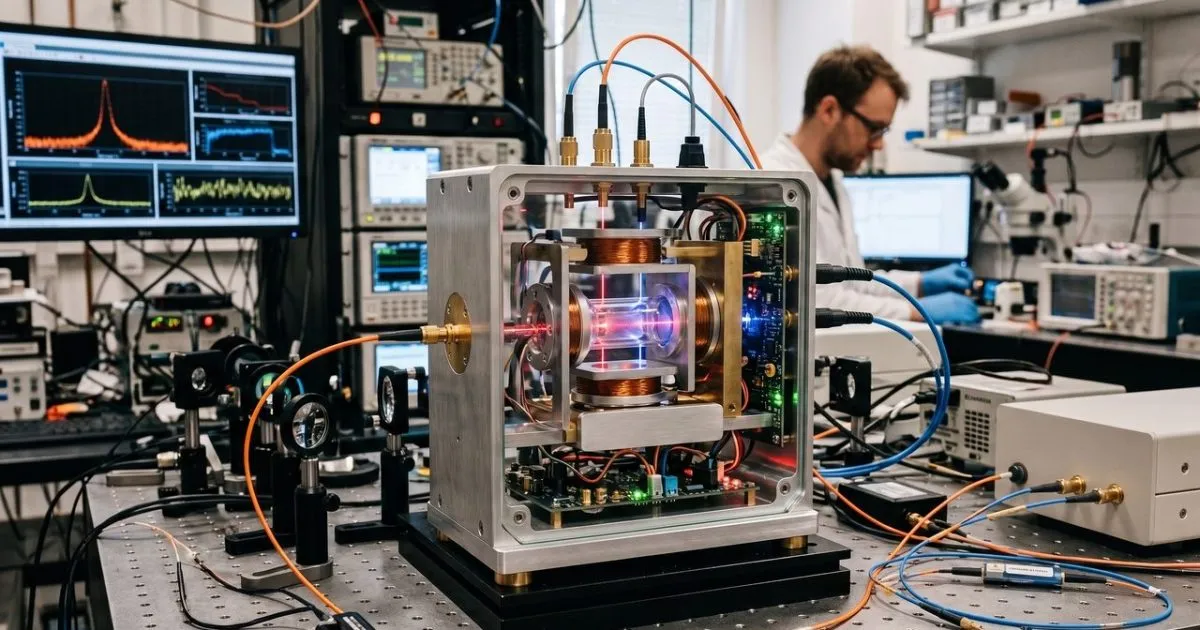
After nearly 40 years since the discovery of cuprates, copper-based compounds promising lossless electricity transmission, the mechanisms behind their superconductivity remain elusive. Researchers at the Institut national de la recherche scientifique (INRS), led by Professor Fabio Boschini, have now published findings in Nature Physics revealing a competition between superconductivity and the pseudogap, a mysterious quantum state. “The pseudogap is one of the greatest mysteries in condensed-matter physics,” says Professor Boschini, a specialist in ultrafast spectroscopy of quantum condensed matter at INRS, adding that understanding its interaction with superconductivity is essential to explaining high-temperature superconductivity. The INRS team used a pulse of light to temporarily suppress superconductivity, observing how the material responded in real time and uncovering previously hidden electronic states.

Curtain-like plasma structures explain solar jets' apparent spinning in simulations - Phys.org
An international team of scientists from the University of Sheffield and the Indian Institute of Astrophysics, led by a postdoctoral research fellow from the University of Newcastle, Australia, has discovered that solar jets called spicules, which are 6–8 Mm long, take the form of warped, denser plasma sheets like pleated drapery. The findings are published in The Astrophysical Journal.
Drone measurements reveal rapid early growth in eastern Australian humpback whales - Phys.org
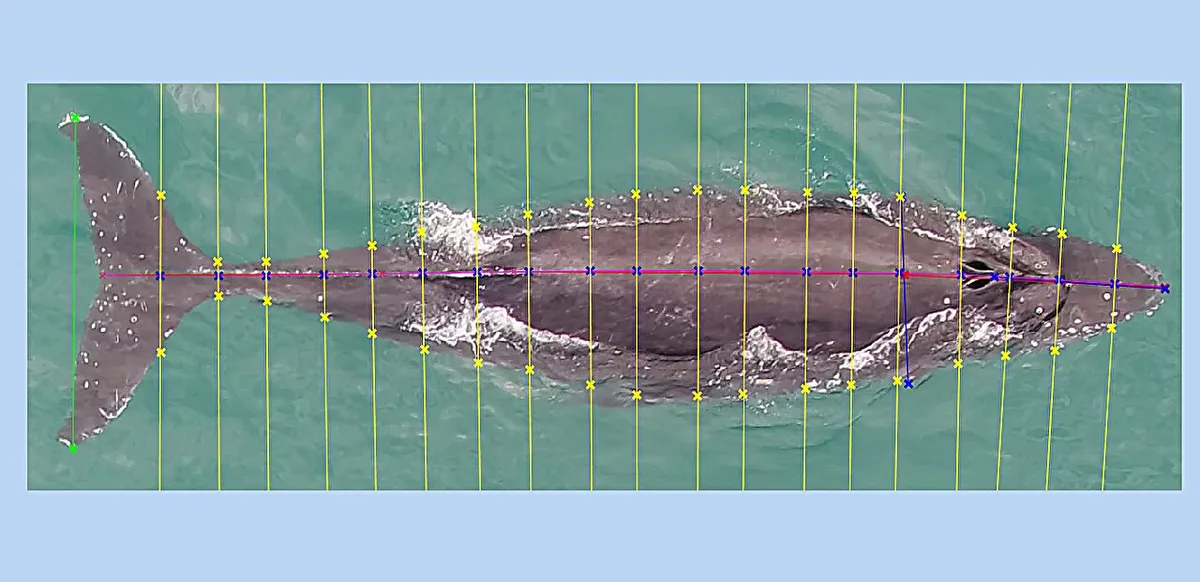
Eastern Australian humpback whales reach nearly their full adult size quickly, a new Griffith University–led study has found, as shown by the first contemporary growth curves for this recovering whale population. Published in Marine Mammal Science, the study combined drone-based aerial measurements with long-term photo-identification records to track growth across hundreds of whales ranging from newborn calves to adults more than 40 years old.
0 comments
No comments yet. Be the first to share your thoughts!