Curtain-like plasma structures explain solar jets' apparent spinning in simulations - Phys.org
This story deserves to be shared
Send it to someone who'd care, or post it on your networks.
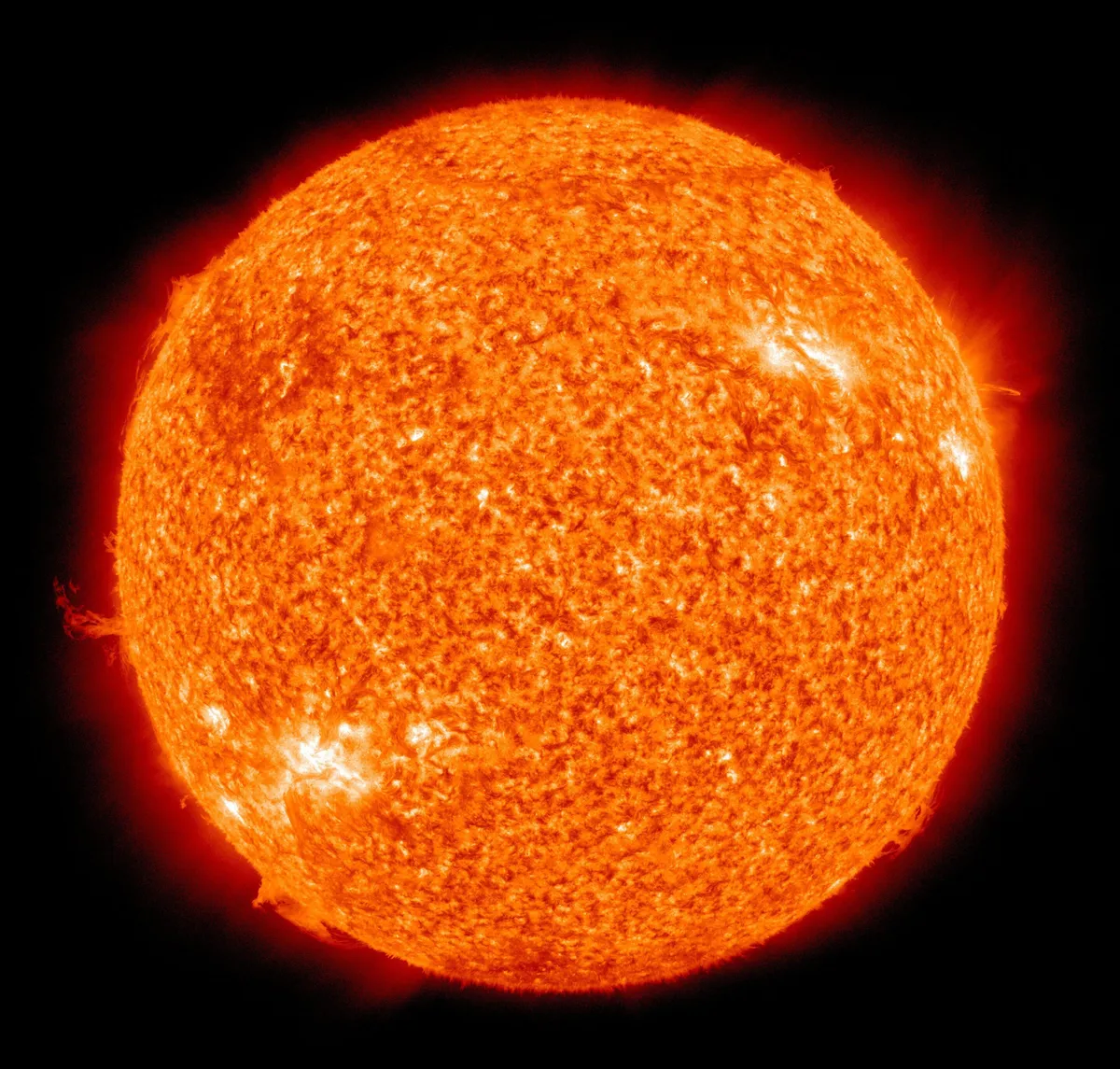
An international team of scientists from the University of Sheffield and the Indian Institute of Astrophysics, led by a postdoctoral research fellow from the University of Newcastle, Australia, has discovered that solar jets called spicules, which are 6–8 Mm long, take the form of warped, denser plasma sheets like pleated drapery.
The findings are published in The Astrophysical Journal.
This article is an excerpt. To read the full content, visit the original source. Phys.org
Related articles
A pulsar's apparent slowdown reveals a rare stellar trio - Phys.org
Pulsars are rapidly rotating neutron stars, the extremely dense cores left behind when massive stars explode. Astrophysicists have recently observed a pulsar rotating over 300 times per second that appeared to be slowing down unusually quickly.
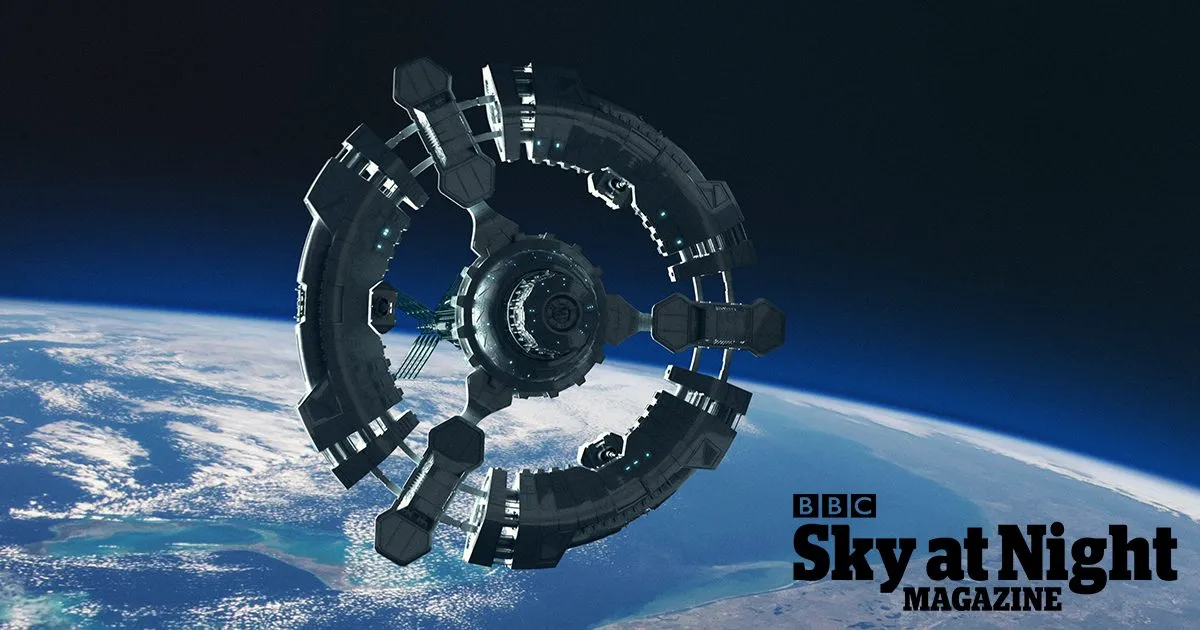
Could a spinning spacecraft generate artificial gravity? Here's what the science says - BBC Sky at Night Magazine
The generation of artificial gravity via a spinning spacecraft is a popular trope in science fiction, but how possible would it be to make this science fact? The cornerstone of Einstein’s general theory of relativity is his observation that gravity and acceleration are indistinguishable.
A star spinning at 15,000 miles per second tests Einstein theory of relativity - Popular Science
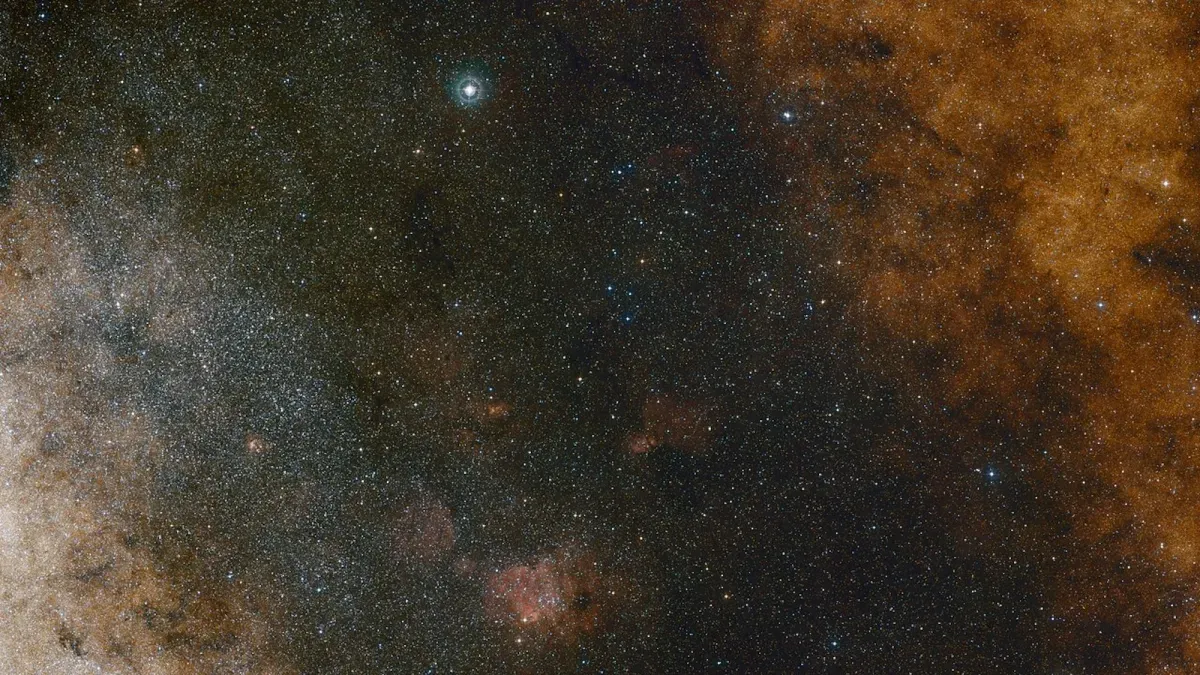
This visible light wide-field view shows the rich star clouds in the constellation of Sagittarius (the Archer) in the direction of the center of our Milky Way galaxy. The Milky Way galaxy is anchored by a supermassive black hole named Sagittarius A*, that has a mass over four million times greater than the sun. While Sagittarius A* exerts an influence on everything inside its cosmic neighborhood, astronomers have detected one particular cosmic thrall that may offer a glimpse into some of the universe’s most profound and puzzling concepts. As researchers detail in a study published today in the journal Nature, a star dubbed S301 exists so close to Sagittarius A*, that it races around the black hole at over 15,500 miles per second. S301’s circumstances are so unique that astrophysicists described the stellar object as “unprecedented.”
0 comments
No comments yet. Be the first to share your thoughts!