Veteran ESA probe rolls out welcome mat for Japan's Phobos mission - The Register
This story deserves to be shared
Send it to someone who'd care, or post it on your networks.
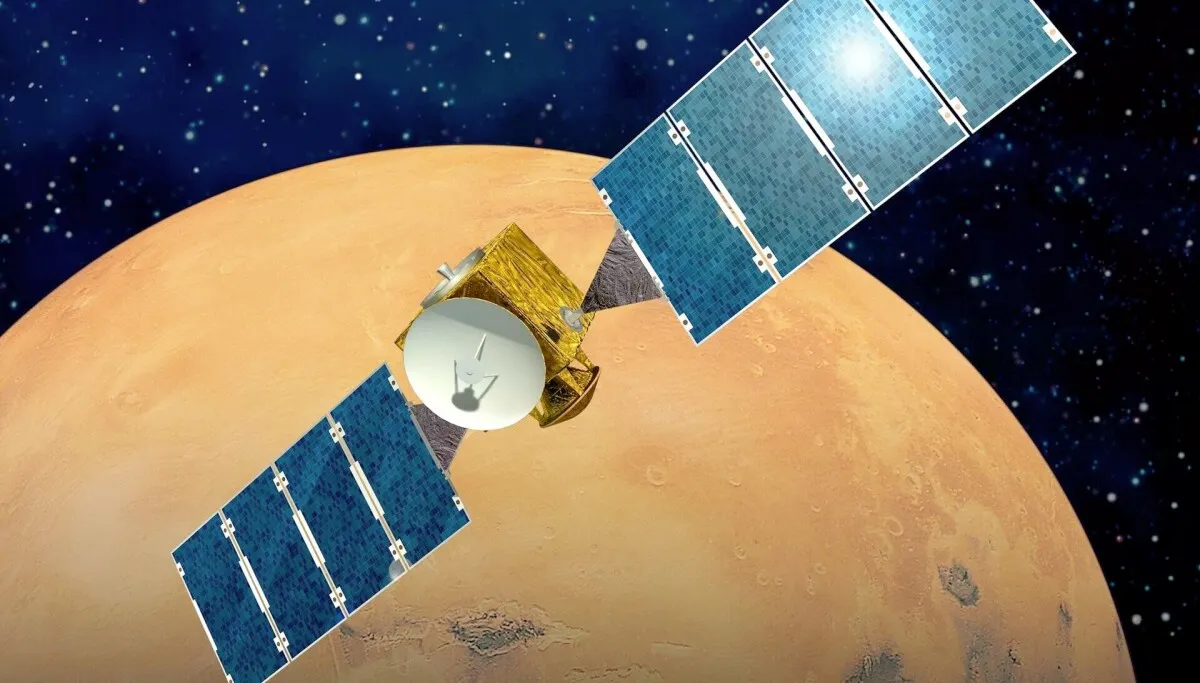
Mars Express could support MMX's 2027 arrival as another 'last ever' extension keeps old spacecraft in flight
Japan's mission to the Martian moon Phobos launched this week, with a veteran European probe expected to be waiting when it arrives. JAXA, Japan's space agency, confirmed that the Martian Moons eXploration (MMX) spacecraft launched aboard an H3 rocket on October 19 at 19:41 UTC – October 20 in Japan. On October 21, it said that initial critical operations, including solar array deployment, were complete. Equipment checks will follow as the spacecraft prepares for its outbound cruise. The probe is due to reach Mars in 2027, deploy the Idefix rover on Phobos, and attempt one or two landings on the moon itself. The rover is named after the dog from the Asterix comics. Scientists plan to collect about 10 g of material from Phobos and send it to Earth, with a return planned for 2031.
This article is an excerpt. To read the full content, visit the original source. The Register
Related articles
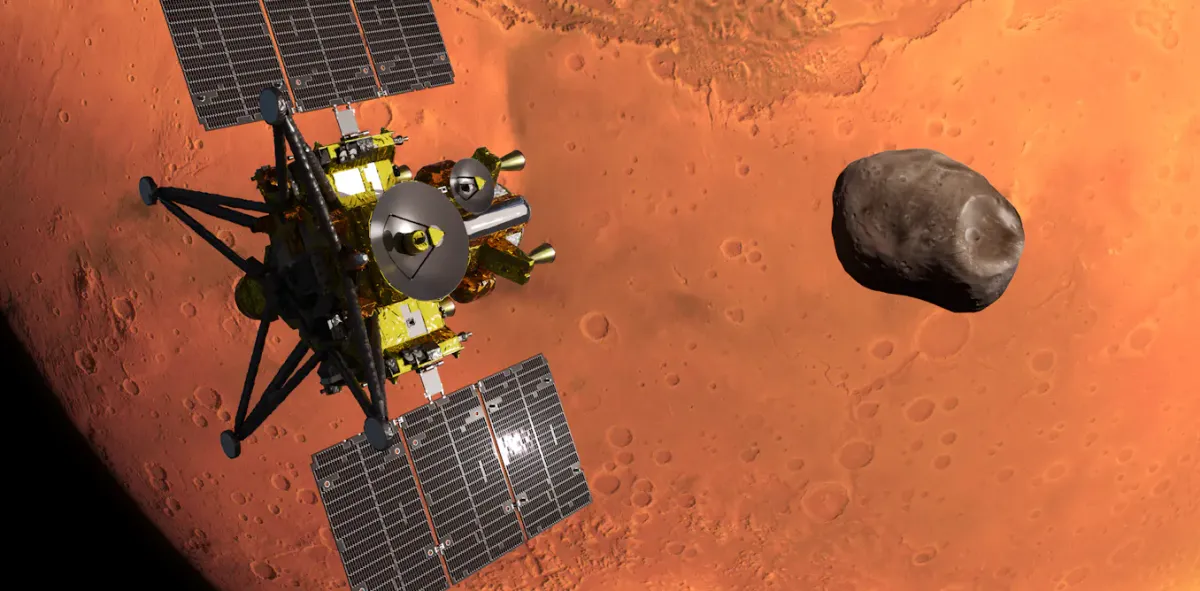
Japan’s MMX mission aims to swipe soil samples from Mars’ moon Phobos - The Conversation
A Japanese space mission is about to launch towards Mars. But it will not land on the planet itself. Instead, the Martian Moons Exploration (MMX) mission will focus on Phobos, the bigger of Mars’s two small moons. The mission will lift off on Monday October 19 at 20:41 BST on an H3 rocket from the Tanegashima Space Center, in the south of Japan.

Perseverance Captures Another Phobos Transit - NASA Science (.gov)
NASA’s Perseverance Mars rover used its Mastcam-Z camera to capture the silhouette of Phobos, one of the two Martian moons, as it crossed in front of the Sun on Aug. 12, 2026, the 1,948th Martian day, or sol, of the mission. The animation has been tinted to simulate what a human would see if they were watching the transit from the Martian surface through protective solar eclipse glasses.
0 comments
No comments yet. Be the first to share your thoughts!