BBlogFlow

Categories

Science

13481 articles

Science

Connecting voters with candidates - Queen's University

Michael Murphy, director of the Centre for International and Defence Policy and former Buchanan Postdoctoral Fellow in Canadian Democracy, and Jonathan Rose, a professor of Political Science and former department head have created Better Debates Kingston: A Guide to Help Meet Voters' Needs. The guide, which was designed around the unique challenges of municipal elections, focuses on redesigning the structure of all candidate meetings to provide voters with critical information and help them distinguish between candidates. It connects the goals of a debate to a ready-to-use framework. "Despite municipal elections representing the most local form of democracy, this level of government unfortunately sees a low level of engagement compared to federal or provincial elections," Dr. Murphy says when asked about why they created the guide. "Especially in small- to medium-size cities, part of the challenge is in terms of information accessibility. We just don't have the same level of local news coverage that communities used to enjoy, and independent campaigns don't have access to the communication resources that political parties do at other levels.

Queen's University·
Science

How the pursuit of science also serves modernity - Resilience

Few among us question actions done “in the name of science” when said actions are carried out by credible groups or individuals. It goes without saying that the acquisition and expansion of knowledge is highly valued. As long as the pursuit is not directly harmful to people, it generally gets a pass. But one level deeper, what is science itself done in the name of? Not surprisingly, much of science is in the service of modernity: producing remarkable short-term advantages for humans—generally at the expense of the rest of the Community of Life on both short- and long-term scales. A great deal of the scientific enterprise concentrates on technology. Market systems assure funding for efforts that will facilitate continued growth: accessing more energy, more materials (and novel ones, to boot), more indispensable gadgets, and longer lives for affluent humans whose ecological footprints are already monstrous (let’s keep those ones going the longest, yeah?).

Resilience·
Science

Dead star likely birthed a new planet, in astronomical first - Popular Science

An artist's impression of the second-generation planet orbiting HS 0209+0832, the first such planet to be found orbiting a white dwarf. A star’s explosive death is often apocalyptic for its closest planets. In our solar system, the sun’s expansion into a red giant about five billion years from now will spell doom for Mercury, Venus, and possibly even Earth. But a dead star isn’t only capable of destruction. Astronomers suspect that gravity from highly magnetized, fast-spinning neutron stars known as pulsars can sometimes assemble enough material to form second-generation planets. But for the first time, scientists have detected a potential planet birthed from a white dwarf—and it may only be the first of more to come

Popular Science·
Science

Chimpanzees steal less pineapple from their friends - Popular Science

A group of chimpanzees feeding together in a natural forest environment on Ngamba Island, Uganda. How likely is a chimpanzee (Pan troglodytes) to steal food from another chimp? It depends on whether they’re a friend or a foe. A team of biologists discovered that chimps pilfer less from their friends, and that the relationship between the victim and the thief influenced the emotional display of both parties. The findings are described in a study recently published in the journal Evolution and Human Behavior.

Popular Science·
Science

Nobel medicine prize honours US and German scientists for optogenetics work - Al Jazeera

The winners of the Nobel Prizes in physics, chemistry, literature, peace and ‌economics will be announced in the week. American scientist Karl Deisseroth and Germans Peter Hegemann and Georg Nagel have won the 2026 Nobel Prize in Physiology or Medicine for their pioneering discoveries on light and optogenetics that have helped understand ⁠how the brain works. The Nobel Assembly of Sweden’s Karolinska Institute medical university said on Monday that Deisseroth, 54, Hegemann, 71, and Nagel, 73, were honoured “for their discovery of a molecular switch for nerve cells”. Recommended Stories list of 4 itemslist 1 of 4‘I want to cry’: Afghan medical students in Pakistan face expulsion fearlist 2 of 4The story of a book in Gaza: A treasured possession given new lease of lifelist 3 of 4HIV prevention drug hailed as breakthrough, but who gets access?list 4 of 4UN experts say Belarus justice system used to target Lukashenko opponentsend of listOptogenetics involves controlling nerve signals with light, and helps researchers understand how specific cell types contribute to behaviours like learning, fear, addiction and movement.

Al Jazeera·
Science

Scientists Created a Computer Inside a Water Drop Using Billions of DNA Molecules and It Worked - ZME Science

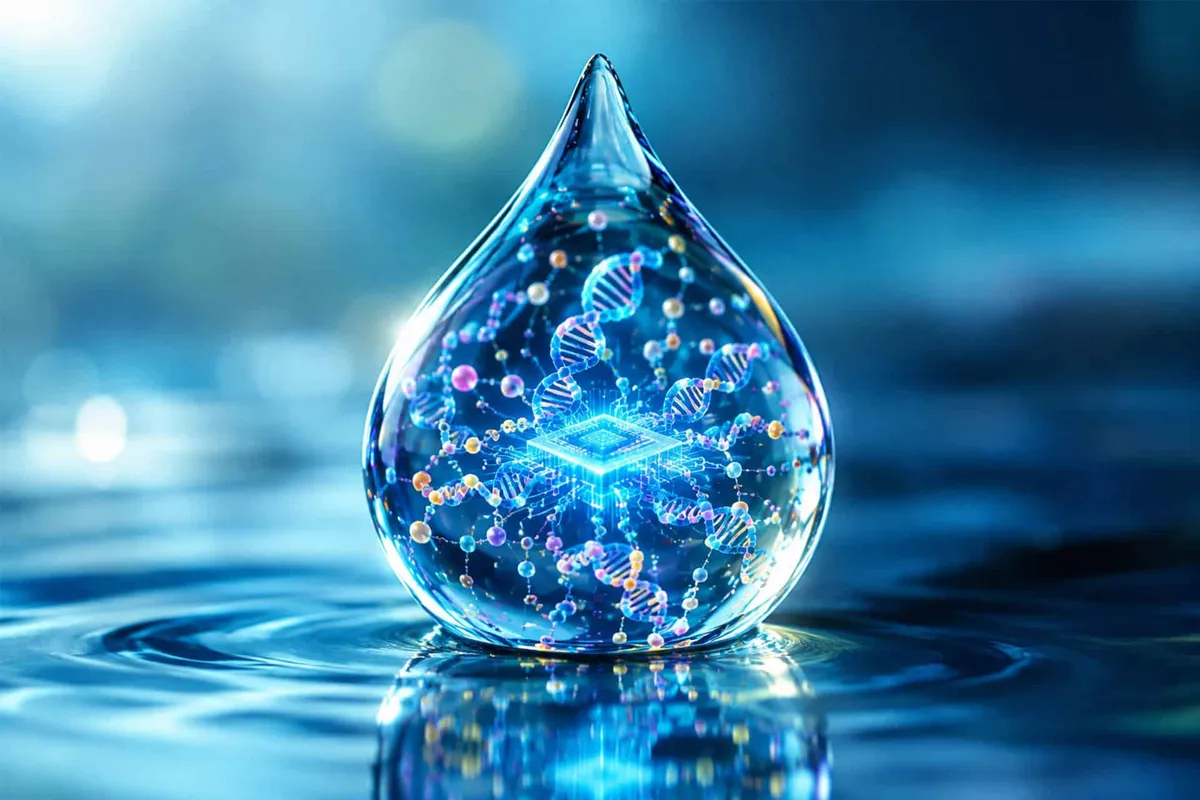
An illustration showing a chip and DNA strands inside a water drop. Image credits: ZME Science To you or me, a tiny drop of water looks ordinary. There seems to be nothing special about it. However, some researchers see a whole computing device inside a drop. There is no silicon processor inside, but they claim that the billions of DNA molecules in a water drop can interact, process information, and produce an answer.

ZME Science·
Science

Stanford scientists turn a cancer driver into a kill switch - Science Daily

Stanford Medicine researchers have developed a two-part molecule that turns a major driver of B-cell lymphoma against the cancer cells that depend on it. In mice, twice-daily treatment with the experimental compound caused aggressive lymphoma tumors to disappear within 11 days. The work advances a strategy the research team has been developing for years. Instead of simply shutting down a cancer-promoting protein, the scientists designed a small molecule that connects it to another protein capable of activating the cell's built-in death program. The researchers believe this type of molecular rewiring could eventually have applications beyond lymphoma, including other cancers and some autoimmune diseases.

Science Daily·
Science

Scientists discover a human brain gene that can jump through DNA - Science Daily

For the first time, scientists have identified a human gene that appears to serve an important biological role while still retaining the ability to move around the genome. Researchers at Cornell University made the discovery after finding a human genetic element inside a poxvirus. Their analysis showed that the element, known as BC200, is not only associated with brain function but also behaves like a jumping gene, meaning it can move and insert itself into genomes.

Science Daily·
Science

Scientists develop phononic channels for qubits up to 300 mm — Live Science - UA.NEWS

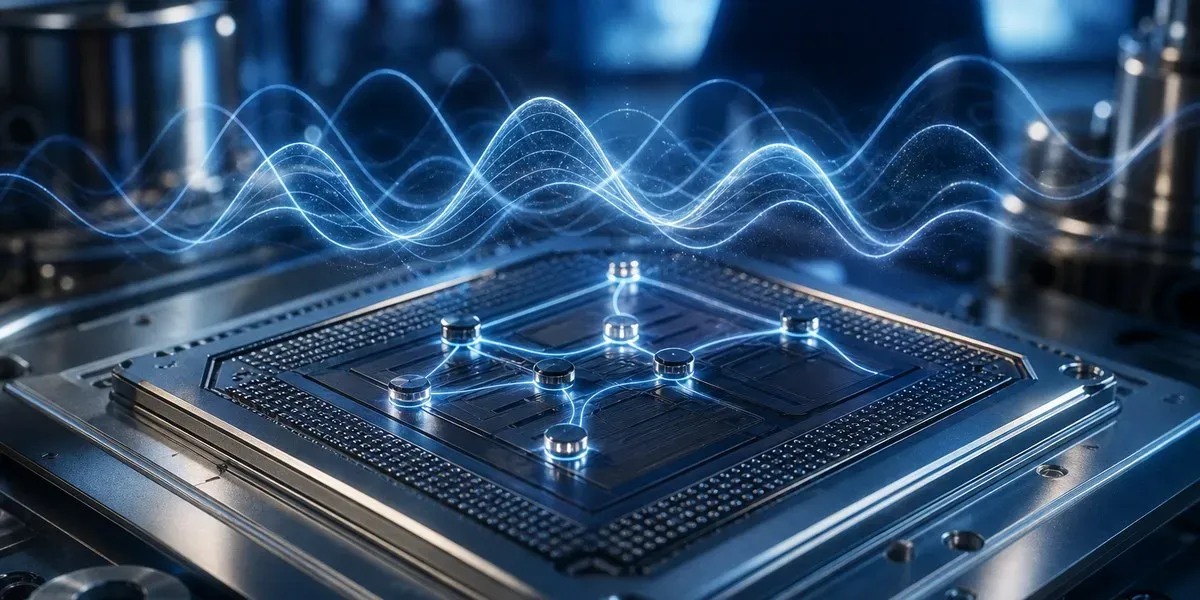
Researchers have presented the Quantum Phononic Links (QPLs) architecture, which is intended to transmit quantum information between distant qubits using phonons — quasiparticles that carry vibrational energy. One of the study’s first authors, Maksym Myronov, an associate professor at the University of Warwick in the United Kingdom, said that in this scheme phonons can serve as a “quantum bus.” As Live Science reports, this approach could potentially contribute to the creation of scalable quantum processors, including systems with more than one million qubits. The problem of communication between qubitsQubits find it difficult to exchange quantum information if they are not direct neighbors. In large quantum systems, communication between distant qubits is important, in particular, for applying quantum error-correction methods. QPLs are designed for long-distance communication between qubits via phonons. Unlike some other proposed methods, including surface acoustic waves, this approach, according to the authors’ assessment, does not require such a complex design or additional equipment.

UA.NEWS·
Science

Your Favorite Stories of 2026, So Far - Association for Psychological Science

One of the benefits of being an APS member is that at the beginning of each month you receive an email from our team with the latest Observer content. Since the Observer is a fully digital publication, those emails serve as our monthly issues and give us a chance to curate content around topics, member perspectives, and APS happenings. Over the course of the year, we see how interested our members are in the stories we published by the number of times they click on the links in those emails. Below you will find the most clicked stories of 2026 so far, which includes a healthy mix of features, news stories, member spotlights, and tips for research practices.

Association for Psychological Science·
Science

How do professional astronomers book time on JWST or Hubble? - Astronomy.com

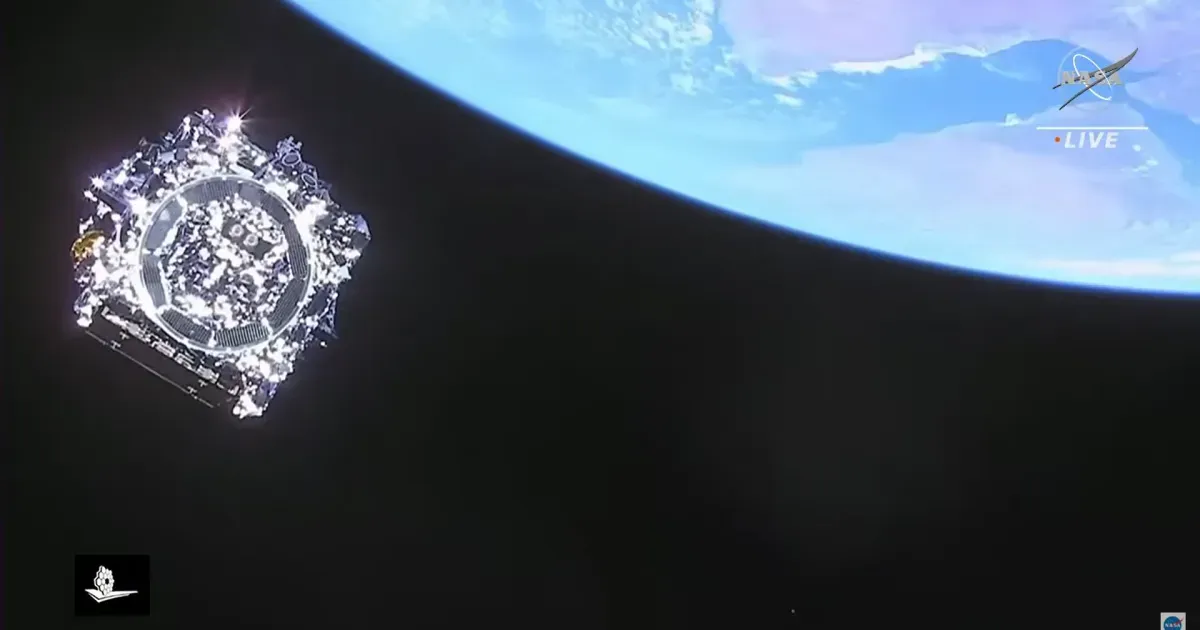
Proposals are submitted annually by scientists who wish to use these facilities, and are reviewed by the Telescope Allocation Committee. When the James Webb Space Telescope — seen here as it separated from its rocket — launched in December 2021, it joined the Hubble Space Telescope as a space-based resource for scientists all over the world. A Telescope Allocation Committee reviews proposals for the two telescopes’ use each year, choosing programs based on impact and feasibility. Credit: Arianespace, ESA, NASA, CSA, CNES

Astronomy.com·
Science

Cambridge and London Life Sciences Showcase returns during JPM Healthcare Week 2027 - News-Medical

o2h co-discovery has announced that the Cambridge × London Life Sciences Showcase will return for its second edition during J. P. Morgan Healthcare Week 2027 in San Francisco. The event brings together two of the UK's leading life sciences ecosystems, Cambridge and London, providing emerging companies with an international platform to present their science, innovation and growth opportunities directly to investors, pharma leaders and strategic partners. The showcase is organized and supported by Cancer Research Horizons, o2h co-discovery, Mishcon de Reya, Wellcome Genome Campus and Cambridge University Health Partners, with additional supporting partners expected to join. With capacity for 250 delegates, the 2027 event will build on the inaugural showcase, with a focused program centerd on company discovery, investor engagement and meaningful ecosystem connections. This year, companies are invited to apply for one of 20 available pitch slots. Companies will be selected based on scientific innovation, potential impact on human health, stage of development, commercial potential, investment readiness, and links to the Cambridge and London life sciences ecosystems.

News-Medical·
Science

Chance discovery boosts the efficiency of perovskite tandem solar cells - Advanced Science News

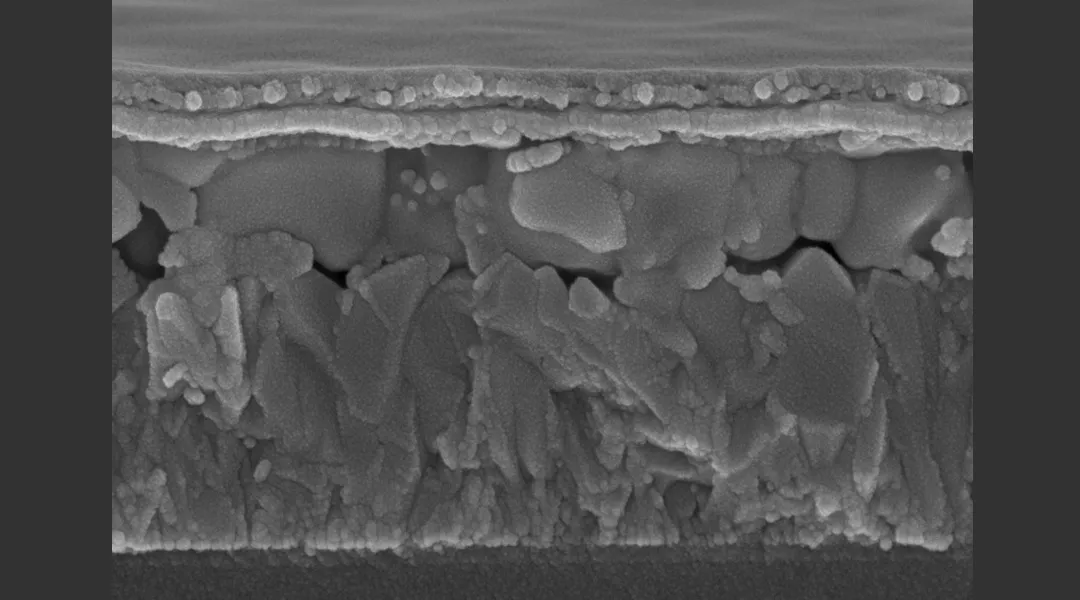
Researchers have uncovered a way to suppress halide segregation in tandem solar cells, improving both efficiency and stability. Their strategy works across multiple mixed-halide perovskite compositions, suggesting the approach may be broadly applicable to this important class of photovoltaic materials. Tandem solar cells stack two different light-absorbing materials on top of one another, allowing them to convert more sunlight into electricity than either material alone. Mixed-halide perovskites—crystals containing both iodide and bromide ions—are commonly used as the top layer because their composition can be tuned to absorb high-energy light while permitting longer wavelengths to pass through to the lower cell. However, because iodide and bromide crystallize at different rates, the resulting films tend to be uneven in composition, with bromide-rich regions forming near the surface.

Advanced Science News·
Science

The Science Enabling a Steady Supply of Critical Minerals - Berkeley Lab News Center (.gov)

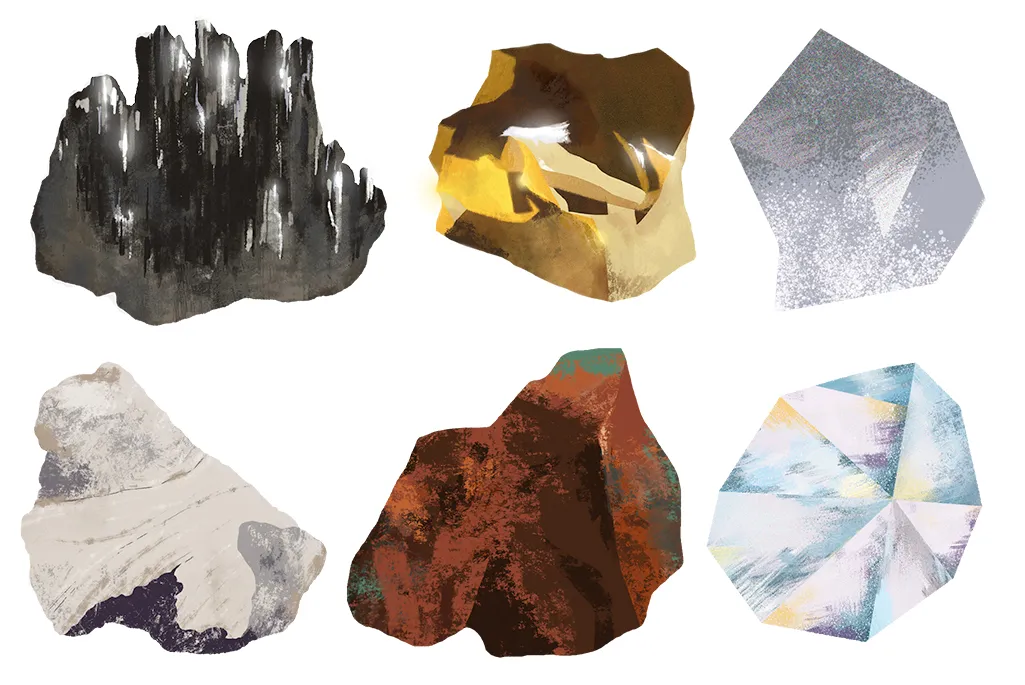
Modern life is built on critical minerals and materials. These elements are key ingredients in the technologies that enable a high quality of life, such as the chips and batteries powering our electronics, the medical devices that diagnose and treat diseases, and the infrastructure of the nation’s power grid. The materials are also used to manufacture defense technologies, fuels and chemicals, aerospace vehicles, and automotives. Although the U. S. has geological resources of many critical minerals and materials (CMMs), some key commodities are only found in challenging forms, either scattered in trace amounts, chemically mixed with other elements, or both. The extraction, separation, and refining processes needed to convert these raw materials into purified products ready for manufacturing are expensive, complex, and energy intensive.

Berkeley Lab News Center (.gov)·