BBlogFlow

Categories

Science

5397 articles

Science

Microplastic contamination in commercially important marine fishes from the Sohar Coast, Sea of Oman: occurrence, characterization, and polymer composition - Nature

We’re sharing this article early to provide faster access to peer-reviewed, accepted research. It is citable and carries a permanent DOI. This version is subject to further edits and will be replaced automatically by the final Version of Record. All legal disclaimers apply. AbstractMicroplastic (MP) pollution is an increasing concern in marine environments because of its persistence, bioavailability, and potential implications for marine ecosystem health and seafood safety. Despite growing global attention, information on MP contamination in commercially important marine fish from the Sea of Oman remains limited. This study assessed the occurrence, abundance, and characteristics of MPs in four commercially important fish species from the Sohar coast and tested whether MP contamination differed among species and tissues and was associated with habitat group, sex, and biometric characteristics. A total of 120 fish representing Epinephelus areolatus, Lethrinus microdon, Nematalosa arabica, and Rastrelliger kanagurta were examined for MPs in the gastrointestinal tract (GIT) and gills.
Nature·
Science

What color is Mars really? NASA Curiosity photo shows Mars stripped down. - Mashable

Your mental picture of Mars could be wrong. Elisha Sauers writes about space for Mashable, taking deep dives into NASA's moon and Mars missions, chatting up astronauts and history-making discoverers, and jetting above the clouds. Through 17 years of reporting, she's covered a variety of topics, including health, business, and government, with a penchant for public records requests. She previously worked for The Virginian-Pilot in Norfolk, Virginia, and The Capital in Annapolis, Maryland. Her work has earned numerous state awards, including the Virginia Press Association's top honor, Best in Show, and national recognition for narrative storytelling. For each year she has covered space, Sauers has won National Headliner Awards, including first place for her Sex in Space series. Send space tips and story ideas to [email protected] or text 443-684-2489. Follow her on X at @elishasauers.

Mashable·
Science

Integrated bioinformatic analysis identifies distinct neddylation-associated proteasome genes and immune-related features in laryngeal squamous cell carcinoma - Nature

We’re sharing this article early to provide faster access to peer-reviewed, accepted research. It is citable and carries a permanent DOI. This version is subject to further edits and will be replaced automatically by the final Version of Record. All legal disclaimers apply. AbstractNeddylation contributes to cancer progression, but its relationship with proteasome-related genes and the immune microenvironment in laryngeal squamous cell carcinoma (LSCC) remains unclear. We aimed to identify neddylation-associated genes in LSCC and characterize their molecular, metabolic, and immune features. Transcriptomic data from The Cancer Genome Atlas and Gene Expression Omnibus were analyzed using differential expression, functional enrichment, and machine-learning approaches. Key genes were further evaluated by survival, pathway, immune infiltration, and somatic mutation analyses and validated by quantitative real-time PCR (qRT-PCR) in five paired LSCC and adjacent tissues. Seventy-four differentially expressed neddylation-related genes were identified. Four genes, KCTD6, PSMB2, PSMB4, and PSMD2, were selected by both LASSO and SVM-RFE.

Nature·
Science

Deployment of edge-lightweight AI vertical models in multimodal anomaly detection and energy optimization of tech-long production line - Nature

We’re sharing this article early to provide faster access to peer-reviewed, accepted research. It is citable and carries a permanent DOI. This version is subject to further edits and will be replaced automatically by the final Version of Record. All legal disclaimers apply. AbstractAiming at the problems that the abnormal state of high-speed liquid packaging production lines is difficult to identify in time, the computing power of edge controller is limited, and the energy consumption regulation and condition monitoring are separated from each other, a multimodal lightweight artificial intelligence (AI) system embedded in Tech-Long production controller is constructed; this realizes the collaborative optimization of abnormal operation window identification and energy consumption of the whole line. First, this study collects vibration, acoustic, and thermal signals from the bottle blowing, filling, and packaging sections; it also constructs cross-sectional anomaly characterization through time synchronization, feature-level alignment, and hierarchical fusion.

Nature·
Science

A CRC–MYB chromatin loop controls auxin-mediated nectary growth in Arabidopsis - Nature

AcknowledgementsWe thank Rie Shimano, Yukari Azuma, Eriko Tanaka, Mizuki Shinoda, Akie Takahashi, Hiroko Egashira, and Taeko Kawakami for technical support for molecular genetics and Ayami Furuta for technical support for RNA-seq. Seeds for SALK lines and auxin-related reporters were obtained from ABRC. FundingThis work was supported by a JSPS KAKENHI Grant-in-Aid for JSPS Fellows (24KJ1694) to Y. F.; a JSPS KAKENHI Grant-in-Aid for Transformative Research Areas (A) (25H01834) to T. K.; the Cross-ministerial Strategic Innovation Promotion Program (SIP), “Technologies for Smart Bio-industry and Agriculture,” funded by the Cabinet Office, Government of Japan, to Y. I.; a JSPS KAKENHI Grant-in-Aid for Scientific Research (C) (23K05809) to T. S.; the U. S. National Science Foundation (IOS-2319036) to D. W.; a JSPS KAKENHI Grant-in-Aid for Transformative Research Areas (A) (22H05176) and a Grant-in-Aid for Scientific Research (A) (26H02380) to T.

Nature·
Science

DashGuard: spatio-temporal deep learning for dashcam-based road accident anticipation - Nature

We’re sharing this article early to provide faster access to peer-reviewed, accepted research. It is citable and carries a permanent DOI. This version is subject to further edits and will be replaced automatically by the final Version of Record. All legal disclaimers apply. AbstractRoad traffic accidents claim roughly 1.35 million lives each year, with delayed hazard perception rather than mechanical failure implicated in most collisions. Dashcam-based accident anticipation offers a low-cost complement to sensor-heavy ADAS, yet controlled comparisons across architectures remain rare. We present DashGuard, which trains and evaluates six spatio-temporal models a 3D CNN, CNN+LSTM, CNN+Transformer, and three two-stream variants (lightweight CNN, ResNet-18, and Transformer) on the Car Crash Dataset (1500 crash and 2000 normal videos) under a consistent, leak-free protocol. A video-level 70/15/15 split prevents clip-level contamination; four-level soft labels encode temporal distance to the accident frame; and a two-clip temporal consistency gate substantially cuts false-positive alerts.

Nature·
Science

Seed persistence of nine weed species in silage, manure, and slurry and implications for dispersal through organic fertilizers - Nature

We’re sharing this article early to provide faster access to peer-reviewed, accepted research. It is citable and carries a permanent DOI. This version is subject to further edits and will be replaced automatically by the final Version of Record. All legal disclaimers apply. AbstractWeed seed contamination of cattle feed can contribute to weed dispersal within crop–livestock systems when viable seeds survive digestion and are returned to fields through manure or slurry applications. However, the persistence of weed seeds from feed preservation to waste recycling remains poorly understood. This study aimed to evaluate the viability of common agricultural weed seeds after exposure to silage fermentation, simulated rumen digestion, and storage in cattle manure and slurry. Seeds of nine weed species (Abutilon theophrasti, Alopecurus myosuroides, Amaranthus retroflexus, Avena sterilis, Chenopodium album, Datura stramonium, Echinochloa crus-galli, Lolium multiflorum, and Sorghum halepense) were incubated for one, four, and six months in three silage types (maize, sorghum, and grass) and subsequently incubated in cattle manure and slurry following simulated rumen digestion.

Nature·
Science

Honeybees are barging aside wild pollinators in hunt for pollen and nectar, study finds - The Guardian

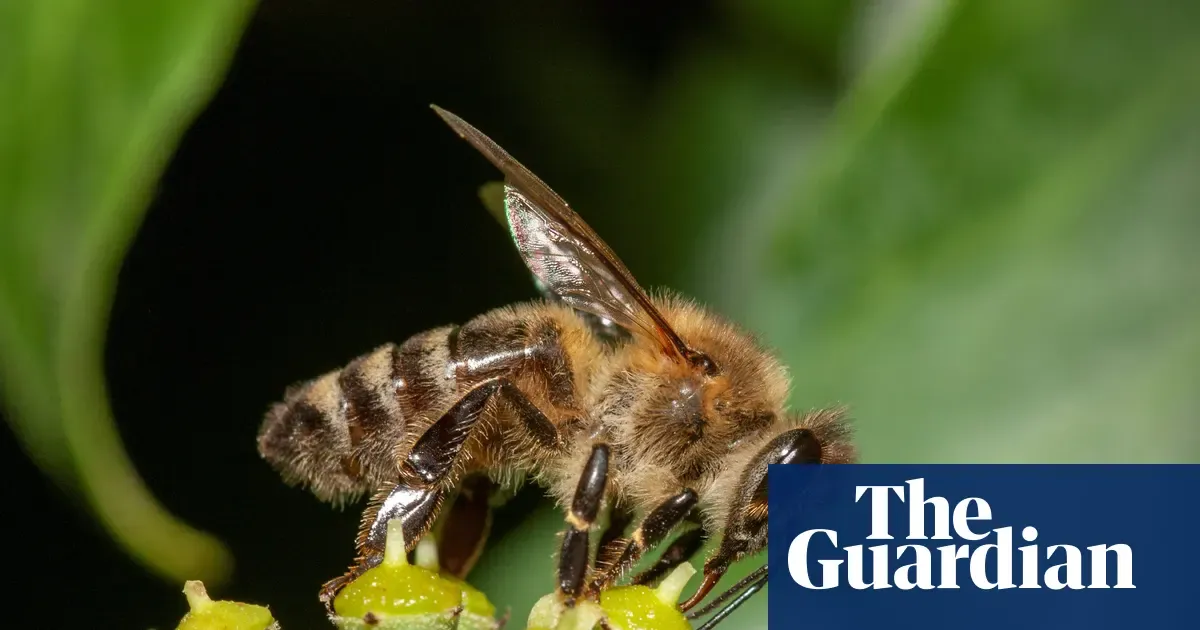
Honeybees are outcompeting wild pollinators for resources by aggressively bumping into them and chasing them away from flowers, research has shown. The study, by researchers from Anglia Ruskin University, found that areas where there were higher concentrations of honeybees had fewer wild pollinators, such as bumblebees, solitary bees and hoverflies. Honeybees were also most likely to instigate, and win, competitive interactions, pushing out rivals to collect more pollen and nectar. The number of managed bees has risen in the UK, as campaigns to “save the bees” resonate with the public, leading to a boom in hobbyists setting up beehives. The number of registered beekeepers has more than doubled, from 19,000 in 2010 to 47,000 in 2025, according to the National Bee Unit. However, there are growing concerns that this growth in managed honeybees is harming other, wild, pollinators including bumblebees, by increasing competition for food and passing on diseases, especially in areas where there are fewer flowers or an especially high density of hives.

The Guardian·
Science

Mars without its makeup can look a little blue. Here's why. - Mashable SEA

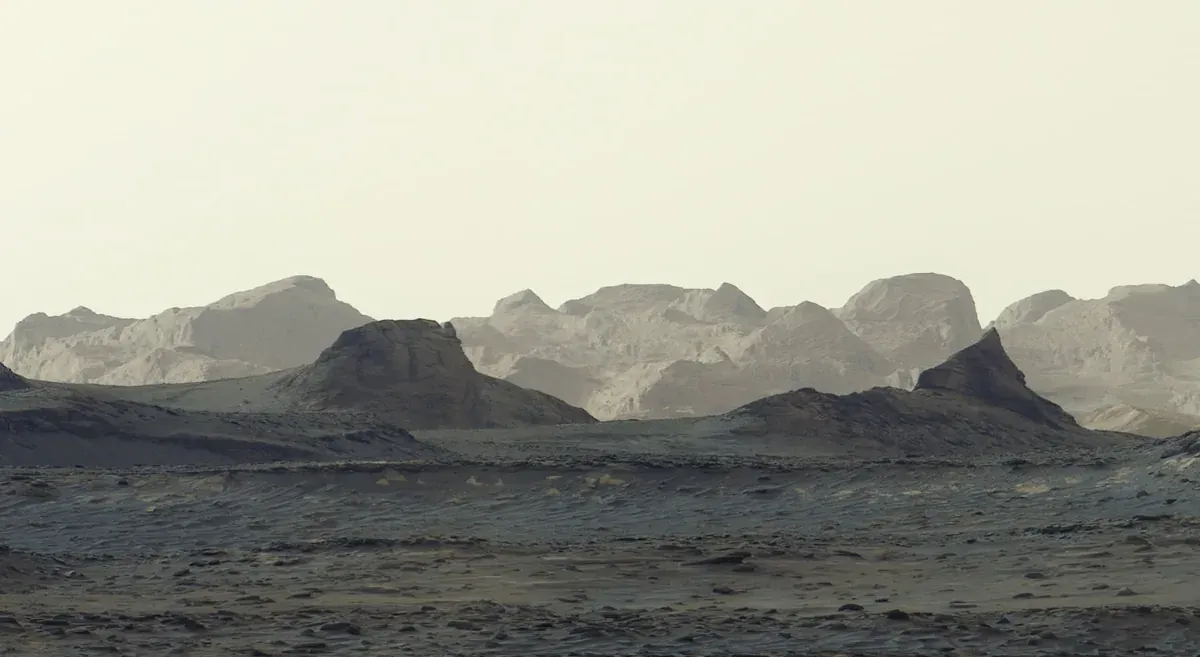
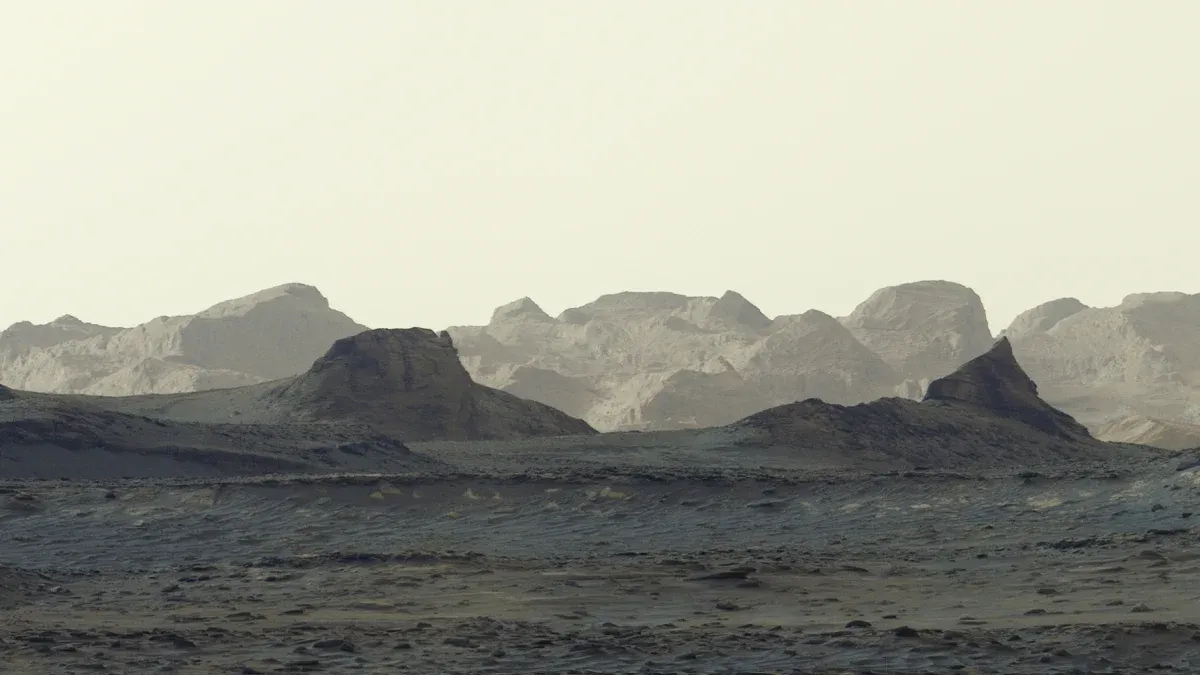
On a summer morning on Mars, NASA's Curiosity rover woke in its usual crater, opened its shutter, and snapped a sprawling view carpeted in blues and grays. The panorama subverts the usual perception of the Red Planet, a reputation that dates to ancient civilizations. Romans called it Mars, the god of war, because its color reminded them of blood. Egyptians called it Her Desher — "the red one. " Even people today associate Mars with rust: dry, desolate, and caked with iron minerals that oxidize red.   Curiosity captured this scene on Aug. 11, around 8:30 a.m. local time with its Mastcam instrument. A pale custard sky hangs above slate-colored terrain. What makes the image strange is what the U. S. space agency didn't do. The team almost always adjusts the colors in Mars photos before releasing them. This time, it skipped that step and kept the dim morning light as the camera recorded it. In a news release, NASA called it "an artistic choice. " Which brings up a surprisingly complex question. No human has ever stood on Mars, so what would the planet actually look like to someone who did?

Mashable SEA·
Science

Researchers Entangle 13 Photons To Build Larger Quantum Graphs - Quantum Zeitgeist

Measurement-based quantum computing and memory-less quantum repeaters are key areas of research. Although some initial examples have been successfully prepared, creating large-scale graph states with programmable connections at scale remains an outstanding challenge. Fusion offers a promising “divide-and-conquer” approach by linking smaller resource states into larger, more complex graphs. However, its practical scalability has been limited by the probabilistic nature of conventional fusion protocols, requiring extensive hardware overhead and feed-forward resources to achieve deterministic outcomes. A deterministic fusion operation with built-in error correction is introduced and experimentally demonstrated. Entanglement now extends to 13 qubits, surpassing prior demonstrations limited to 12, and opens possibilities for more complex quantum calculations; earlier methods struggled with topological complexity as entanglement scaled up. Researchers at Hefei National Laboratory and Tsinghua University achieved this milestone using a deterministic fusion operation that connects smaller entangled states into larger, reconfigurable structures via superconducting circuits.

Quantum Zeitgeist·
Science

A primary cell culture platform for studying venom gland and brain tissue in octopus - Nature

We’re sharing this article early to provide faster access to peer-reviewed, accepted research. It is citable and carries a permanent DOI. This version is subject to further edits and will be replaced automatically by the final Version of Record. All legal disclaimers apply. AbstractColeoid cephalopods, squids, cuttlefish, and octopuses, have emerged as powerful model organisms for studying neurobiology, development, and behavior, however, cellular tools for investigating their specialized tissues remain limited. In particular, their venom producing gland, the posterior salivary gland (PSG), has been extensively described anatomically and histologically, yet remains largely inaccessible to experimental investigation at the cellular level. Here, we report the first establishment of primary cell cultures derived from both the optic lobe (OL) and PSG tissues of Octopus bimaculoides. Building on recent advances in cephalopod brain cultures, we adapted and optimized dissociation and culture conditions to support short-term survival and attachment of cells in vitro.

Nature·
Science

Numerical simulation and structural optimization of electrostatic precipitators for particle purification in space capsules - Nature

We’re sharing this article early to provide faster access to peer-reviewed, accepted research. It is citable and carries a permanent DOI. This version is subject to further edits and will be replaced automatically by the final Version of Record. All legal disclaimers apply. AbstractTo support the performance optimization of electrostatic precipitators (ESPs) for potential aerospace applications, a coupled numerical model integrating the discrete phase model (DPM) with user-defined scalar (UDS) transport equations was developed to resolve the electric-field characteristics and particle transport behavior within the ESP. Focusing on the structural optimization of the discharge electrode and collection plate, four representative ESP configurations were established for comparison: a conventional flat-plate type, a W-type, a W1-type combining a corrugated collection plate with an auxiliary electrode, and a single-electrode type. The effects of a pre-installed filter screen, the internal airflow distribution, the electric-field and charge-density characteristics, and the relationship between particle trajectories and collection efficiency were systematically investigated.

Nature·
Science

Physicists Simulated What Might Happen When Two Wormholes Collide, And Things Got Weird - ScienceAlert

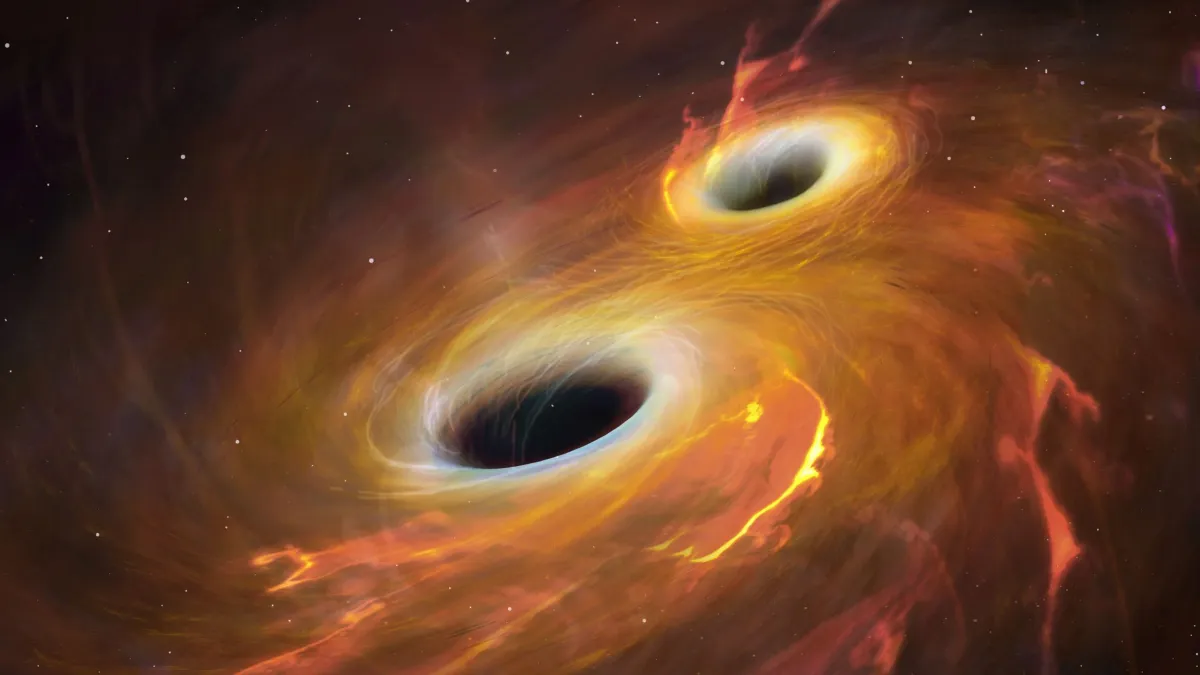
An artist's impression of two black holes colliding. Interacting wormholes could produce a similar gravitational wave signature. (Mark Garlick/Science Photo Library RF/Getty Images) Like the surface of an ocean, the fabric of the Universe is constantly rippling with an infinitude of gravitational waves, propagating outward across the cosmos. We can count, in triple digits, the number of these ripples we've detected to date – and most of them have been linked to collisions between black holes, the densest objects in the Universe. But how do we know that every collision attributed to black holes is what it looks like? And what of the gravitational wave signatures we are yet to detect? What if there's something else out there that can make the Universe sing? What if colliding wormholes can make a similar splash – and how would we recognize it when we find it? For one particular kind of wormhole, at least, new simulations suggest collisions would be profoundly strange – and could leave distinctive signatures in the fabric of spacetime. According to a preprint authored by physicist Nikita M.

ScienceAlert·
Science

Senegal-sized Antarctic glacier melting faster than thought: Why it matters - Al Jazeera

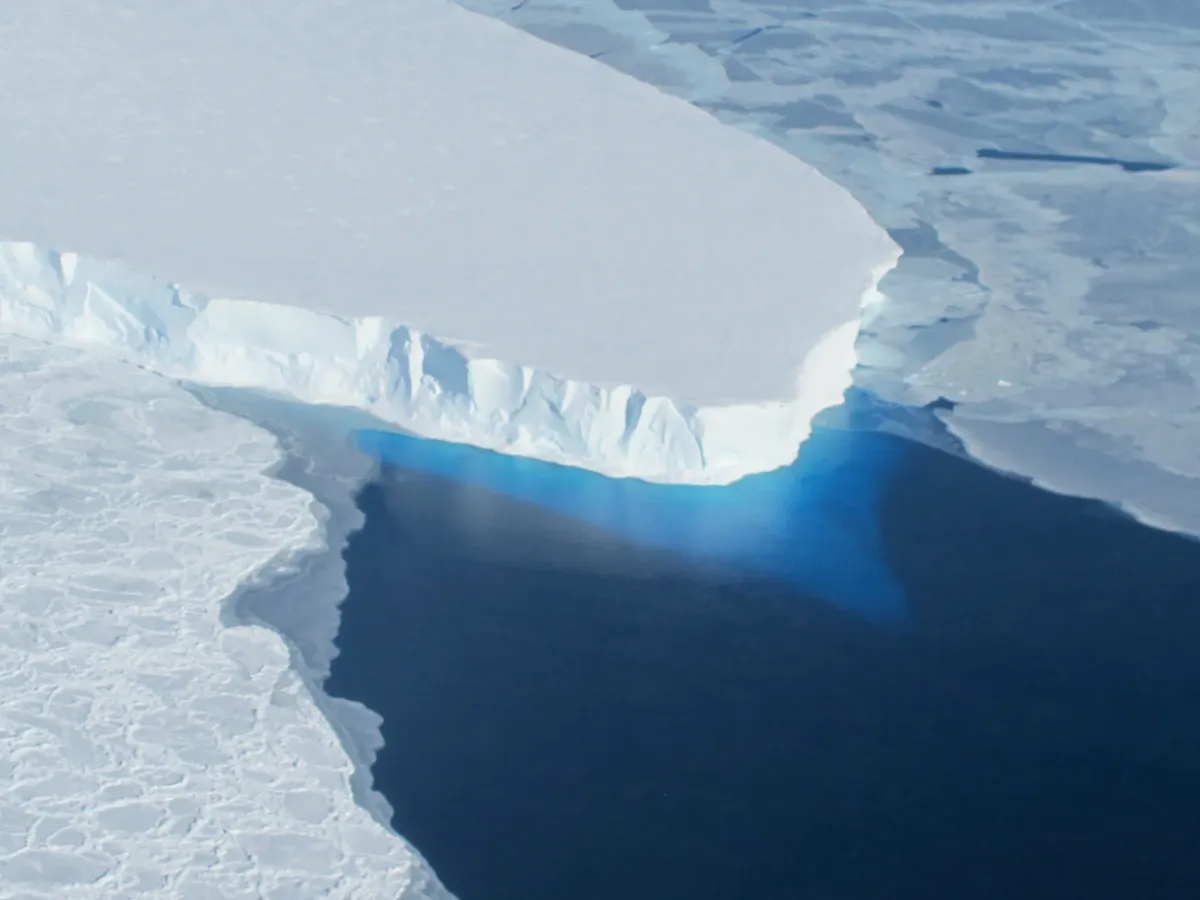
The world’s largest glacier is melting much faster and could add twice as much to global sea levels as previously expected over the next century. New research published this week by a team of glaciologists has found that the Thwaites glacier in West Antarctica is losing mass rapidly because warm seawater is pushing underneath it and melting its core. This could add 1.2 inches (30mm) to water levels even if global warming does not accelerate as predicted. Recommended Stories list of 4 itemslist 1 of 4The Nepal floods question: When the Himalayas collapse, who gets warned?list 2 of 4India to supply Nepal electricity after floods wrecked hydropower projectslist 3 of 4El Nino reaches super status: Where will it bring rain, drought and heat?list 4 of 4‘The drought has left its mark’: Slovenia’s potato lovers lament low yieldsend of listThe findings, published in the journal Nature Communications, add to a growing body of evidence that shows that the glacier, which has been receding for decades, is now losing mass even faster than scientists thought. Researchers at the University of California in the United States collaborated with NASA’s Jet Propulsion Laboratory for the study.

Al Jazeera·