Senegal-sized Antarctic glacier melting faster than thought: Why it matters - Al Jazeera
This story deserves to be shared
Send it to someone who'd care, or post it on your networks.
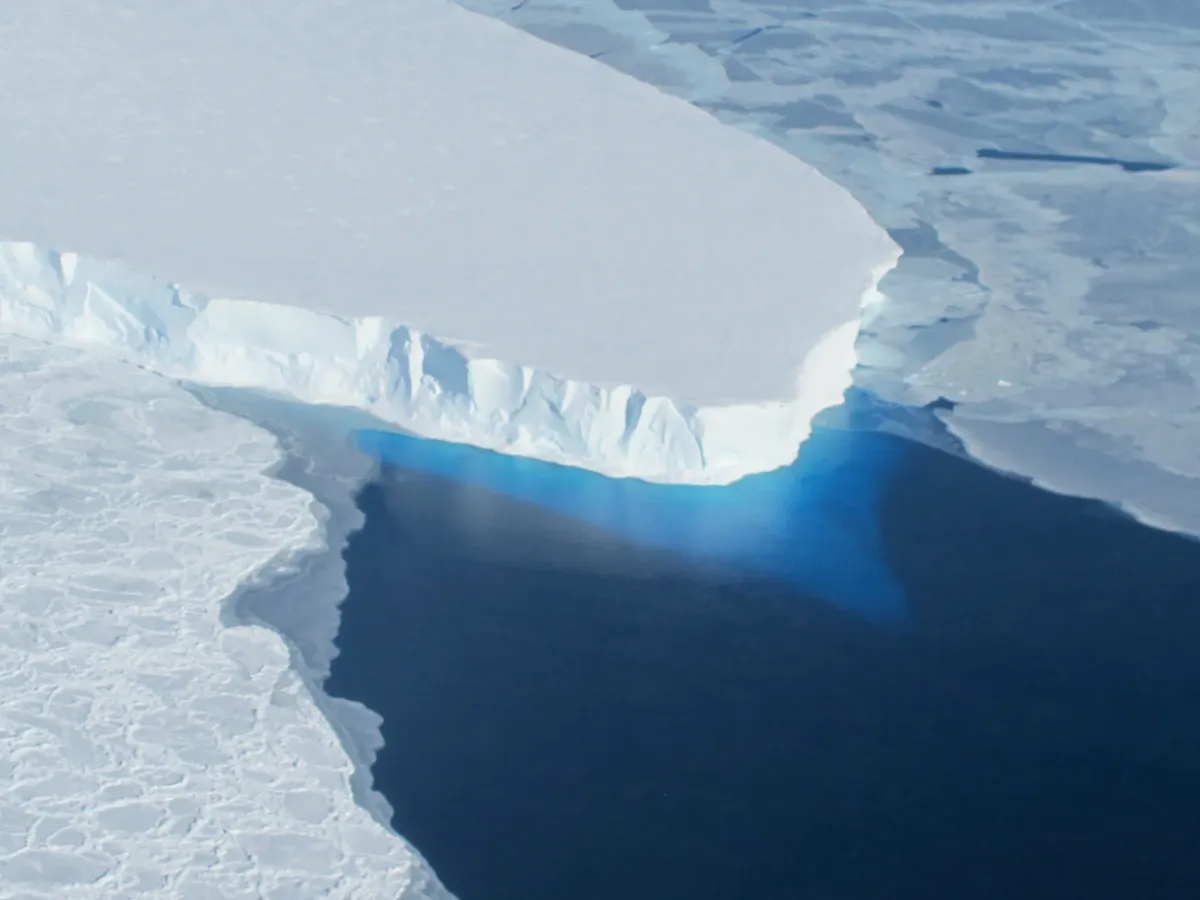
The world’s largest glacier is melting much faster and could add twice as much to global sea levels as previously expected over the next century. New research published this week by a team of glaciologists has found that the Thwaites glacier in West Antarctica is losing mass rapidly because warm seawater is pushing underneath it and melting its core. This could add 1.2 inches (30mm) to water levels even if global warming does not accelerate as predicted. Recommended Stories list of 4 itemslist 1 of 4The Nepal floods question: When the Himalayas collapse, who gets warned?list 2 of 4India to supply Nepal electricity after floods wrecked hydropower projectslist 3 of 4El Nino reaches super status: Where will it bring rain, drought and heat?list 4 of 4‘The drought has left its mark’: Slovenia’s potato lovers lament low yieldsend of listThe findings, published in the journal Nature Communications, add to a growing body of evidence that shows that the glacier, which has been receding for decades, is now losing mass even faster than scientists thought. Researchers at the University of California in the United States collaborated with NASA’s Jet Propulsion Laboratory for the study.
This article is an excerpt. To read the full content, visit the original source. Al Jazeera
Related articles
Scientists find Doomsday Glacier is melting ‘more aggressively’ than thought, with big impacts for sea level rise - CP24
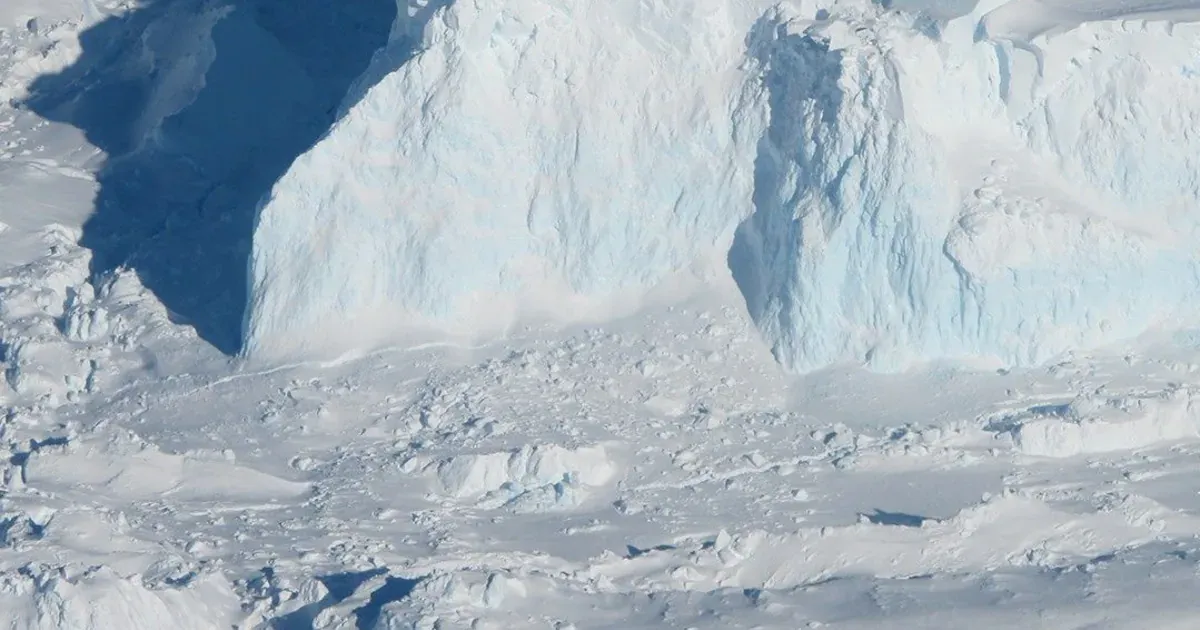
Published: October 15, 2026 at 12:18p.m. EDTThe planet’s widest glacier is melting “more aggressively” than previously projected, meaning its impacts on global sea level rise could be double current estimates, according to new research by a team of glaciologists. Thwaites Glacier in West Antarctica — nicknamed the Doomsday Glacier because of the catastrophe its collapse would trigger — is a huge wildcard when it comes to forecasting global sea level rise. The Florida-sized glacier, which lies in one of the least accessible places on Earth, has been retreating for decades and its melting ice currently contributes around four per cent to global sea level rise. But the mechanisms behind its retreat are exceptionally complex, making it tricky to precisely map out its future. It’s a vital task, however, as Thwaites holds enough water to raise sea levels by more than two feet if it were to collapse. Because it also acts as a cork holding back the vast Antarctic ice sheet, it could ultimately lead to around 10 feet of sea level rise, devastating coastal communities from Miami to Manila.
Scientists find Doomsday Glacier is melting ‘more aggressively’ than thought, with big impacts for sea level rise - CTV News
AtlanticNova ScotiaNew BrunswickPrince Edward Island Newfoundland and LabradorCalgaryLethbridgeKitchenerGuelphNorthern OntarioSudburyNorth BaySault Ste. MarieTimminsOttawaKingstonBrockvillePembrokeReginaYorktonSaskatoonPrince AlbertTorontoWatchWeatherPeelHamiltonDurhamYorkHaltonNiagaraQueen's ParkToronto City HallIn PicturesVancouverVancouver IslandCanadaLocal SpotlightRoyal FamilyPoliticsNanosPower PlayQuestion PeriodFederal Election 2025WorldMideast ConflictRussia-Ukraine WarWatchLatestCaptured on CameraPoliticsLifestyleConsumerHealthExplainedEntertainmentTechnologyDeception DecodedAutosEnvironmentBusinessInflationReal EstateAutos
Antarctic Sea Ice Grows to Its 2026 Maximum - NASA Science (.gov)
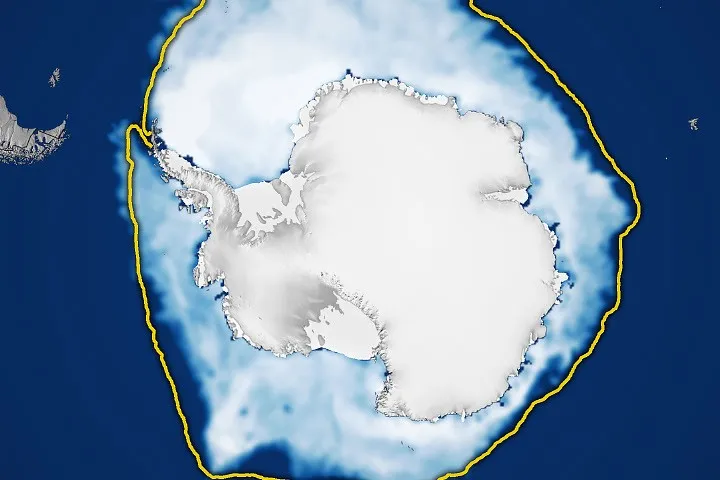
This story is an update to the Antarctic sea ice feature in our World of Change series tracking long-term change on Earth's surface through satellite imagery. Unlike the Arctic—an ocean basin surrounded by land—the Antarctic is a large continent surrounded by an ocean. Because of this geography, sea ice has more room to expand during the winter. However, that ice also stretches into warmer latitudes, leading to more melting in the summer. Antarctic sea ice usually peaks in September, around the end of the Southern Hemisphere’s winter, and retreats to a minimum in February.
0 comments
No comments yet. Be the first to share your thoughts!