BBlogFlow

Categories

Science

6978 articles

Science

Trust in science falls fastest among those left behind - Gavi, the Vaccine Alliance

Loading share buttons... At a glanceGlobal trust in science falls below pre-pandemic levels, steepest among the poorAfrica, Western Asia saw decline in every wave since 2018Experts say people still value science but doubt its benefits reach themPoor access to healthcare, limited local influence over research priorities, and an unequal distribution of scientific benefits are undermining public confidence in science, experts warn, following the release of a global trust survey. The Wellcome Global Monitor 2026 surveyed more than 140,000 people in 140 countries in 2025 and found that trust in science had fallen below pre-pandemic levels. To track changes over time, researchers compared results from 108 countries surveyed in 2018, 2020 and 2025. The proportion of respondents expressing at least some trust in science fell from 77 per cent in 2018 to 72 per cent in 2025, after rising to 80 per cent during the COVID-19 pandemic in 2020. Over the same period, those reporting little or no trust in science rose from 13 per cent in both 2018 and 2020 to 19 per cent in 2025. Trust in scientists themselves also declined.
Gavi, the Vaccine Alliance·
Science

Solving the mystery behind a flightless beetle's transatlantic journey - Phys.org

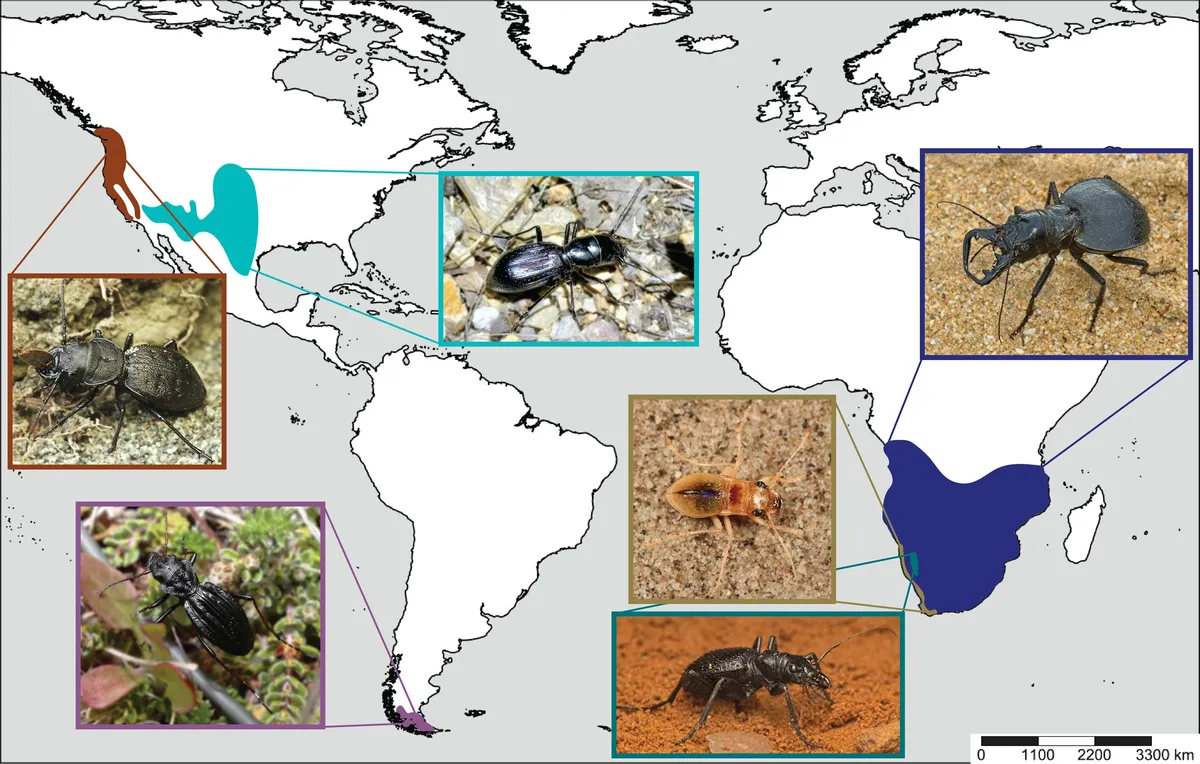
Global distribution and habitus of tiger beetle genera currently in the tribe Manticorini. From left to right and top to bottom, with color denoting range depiction: Omus, brown; Amblycheila, teal; Manticora, dark blue; Picnochile, purple; Platychile, beige; Mantica, dark green. Credit: (from left to right and top to bottom) Ming-Hsun Chou, Ted MacRae, Petr Mückstein, Michael Weymann, Ye Liu, Petr Mückstein. They can't fly or swim, so why do their closest relatives appear on different continents?

Phys.org·
Science

75,000 years ago, this Neanderthal was stabbed with a spear - Popular Science

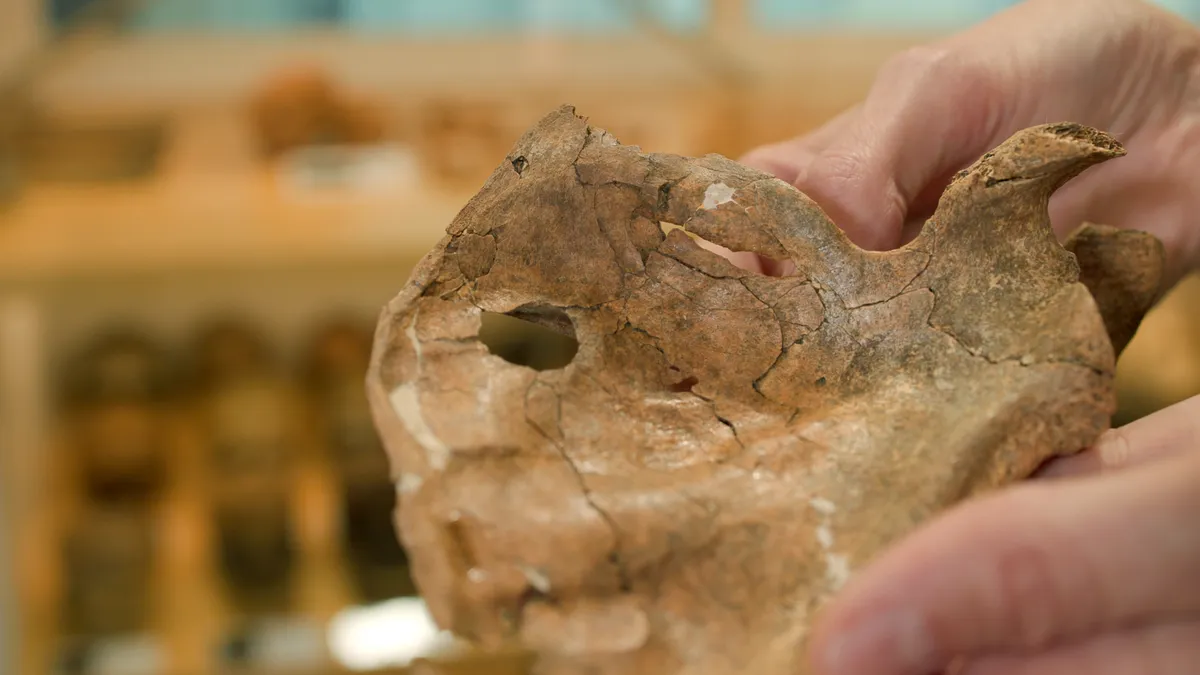
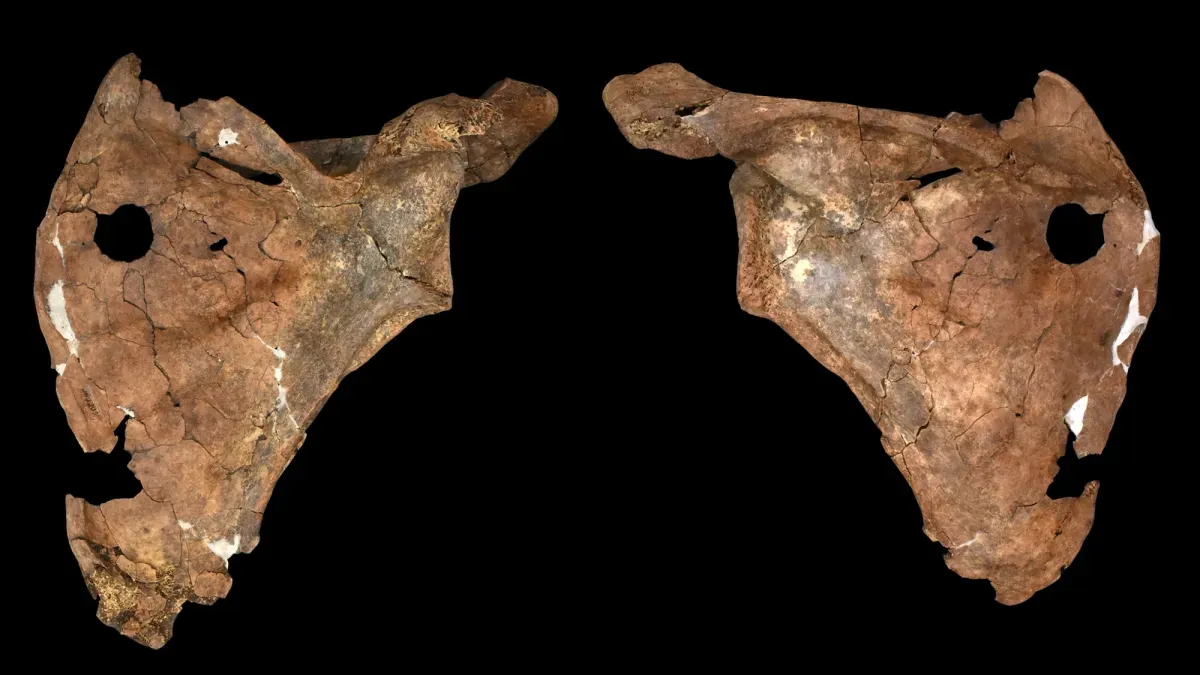
The angle and force of the blow would have likely severed arteries and pierced a lung. A small puncture wound through a 75,000-year-old Neanderthal shoulder blade may be the earliest evidence of death by spear on humanity’s family tree. Given forensic details such as the entry angle and overall damage, researchers believe the injury was made as an intentionally fatal “heart shot” that killed the ancient hominin within moments. The discovery is detailed in a study published today in the journal Scientific Reports.

Popular Science·
Science

MEGAMicrobe: Free, fun science event for students 5-15 on Oct. 24 - Vanderbilt Health News

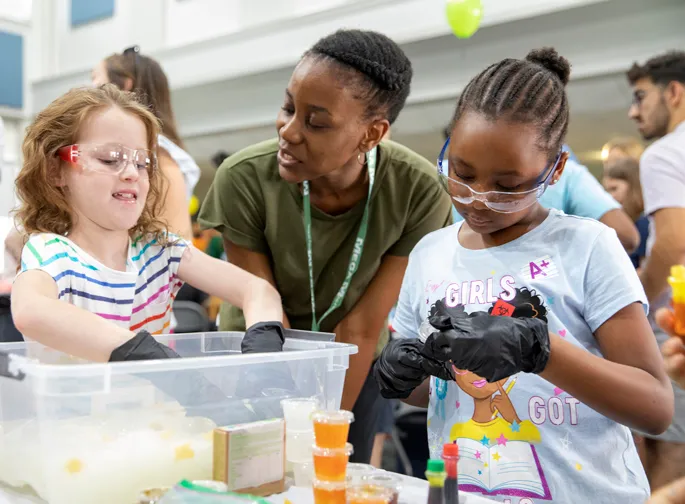
MEGAMicrobe, a free exploration of the world of microbes for students ages 5 to 15 and their families, will be held from 9:30 a.m. to 2:30 p.m. on Saturday, Oct. 24, at Tom Joy Elementary School, 2201 Jones Ave. in East Nashville. Hosted by the Vanderbilt Institute for Infection, Immunology and Inflammation, the ninth annual MEGAMicrobe event invites students to conduct science experiments, join in hands-on activities, and win prizes and giveaways. Parents and teachers are also welcome.

Vanderbilt Health News·
Science

Orionid meteor shower peaks next week over Wood Buffalo - play 103.7

FORT MCMURRAY — There is just one week to go until the peak of the Orionid meteor shower. Wood Buffalo skywatchers could see some of the fastest meteors of the year streaking across the predawn sky. The Orionids peak overnight Oct. 21 and 22 and can produce up to 20 meteors per hour under dark, favourable conditions. The shower is active from Oct. 2 through Nov. 7. The meteors are comprised of debris left behind by Halley’s Comet, which last passed by in 1986. As Earth passes through the comet’s debris stream each October, the particles strike the atmosphere at about 68 kilometres per second. Richard Covey, a an amateur astronomer, published astrophotographer and member of the Royal Astronomical Society of Canada, says the Orionids are especially appealing because of their speed and their connection to one of astronomy’s best-known comets. “You’re literally watching tiny pieces of Halley’s Comet burn up in the atmosphere. They’re moving incredibly fast, so the Orionids can produce some very sharp, impressive streaks across the sky.”Moonlight will make this year’s peak more challenging. The Moon will be bright around Oct.

play 103.7·
Science

NASA seeks private space stations to replace the aging ISS by 2030 - Yahoo News Canada

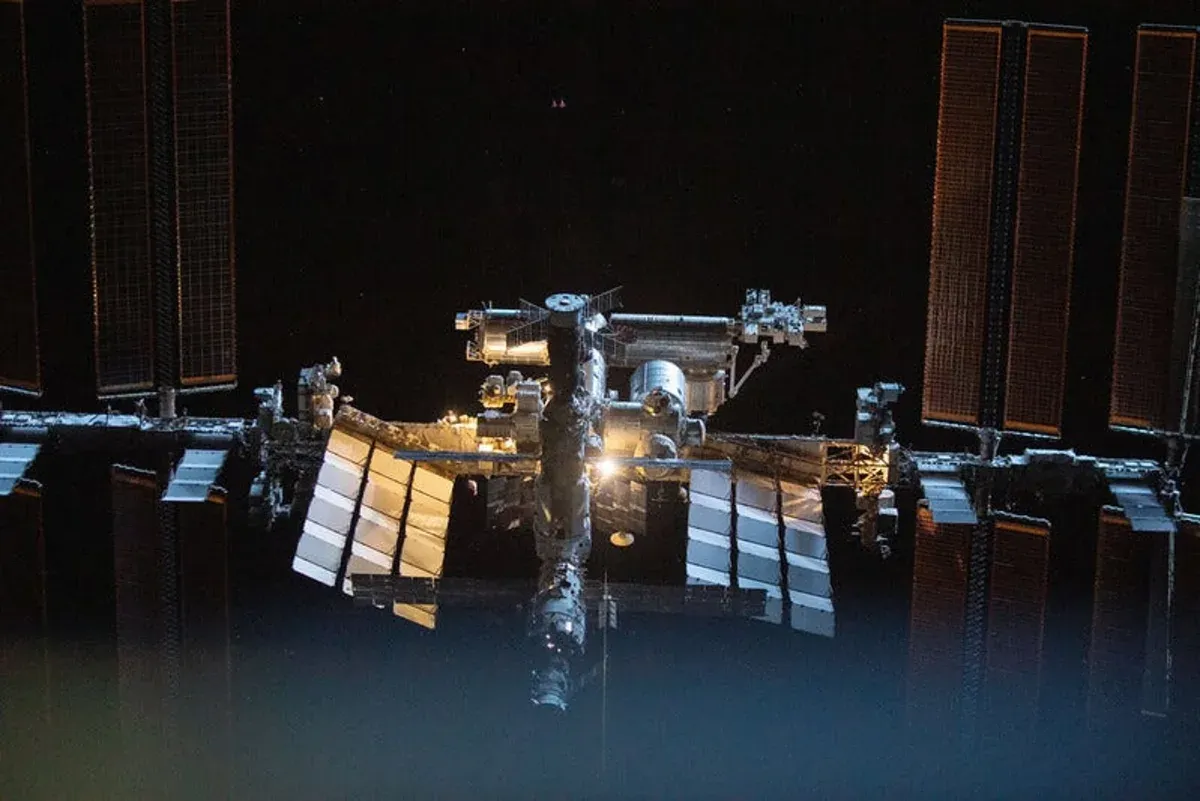
The International Space Station may be an iconic feature in Earth's orbit, but it's also getting old. For years, plans have been underway to retire and deorbit the aging space station, which has increasingly been marred by air leaks and other issues. That means by the end of 2030, the ISS – where the world's astronauts have lived, worked and gazed upon the cosmos for more than two decades – could be no more. But that hardly means NASA is abandoning its legacy of ensuring humans have a home to live and work long-term in space. Even now, the U. S. space agency is laying the groundwork to ensure that government astronauts will have access to any number of private commercial space stations that could park themselves in low-Earth orbit in the years ahead. And recently, NASA announced it is seeking proposals from aerospace companies interested in partnering with the agency to host government astronauts on its future stations. "NASA is committed to maintaining a sustained American presence in low-Earth orbit long after the International Space Station retires," NASA Administrator Jared Isaacman said in a statement.

Yahoo News Canada·
Science

SpaceX Dragon Docks with Science, Supplies, and Roll-Out Solar Arrays - NASA (.gov)

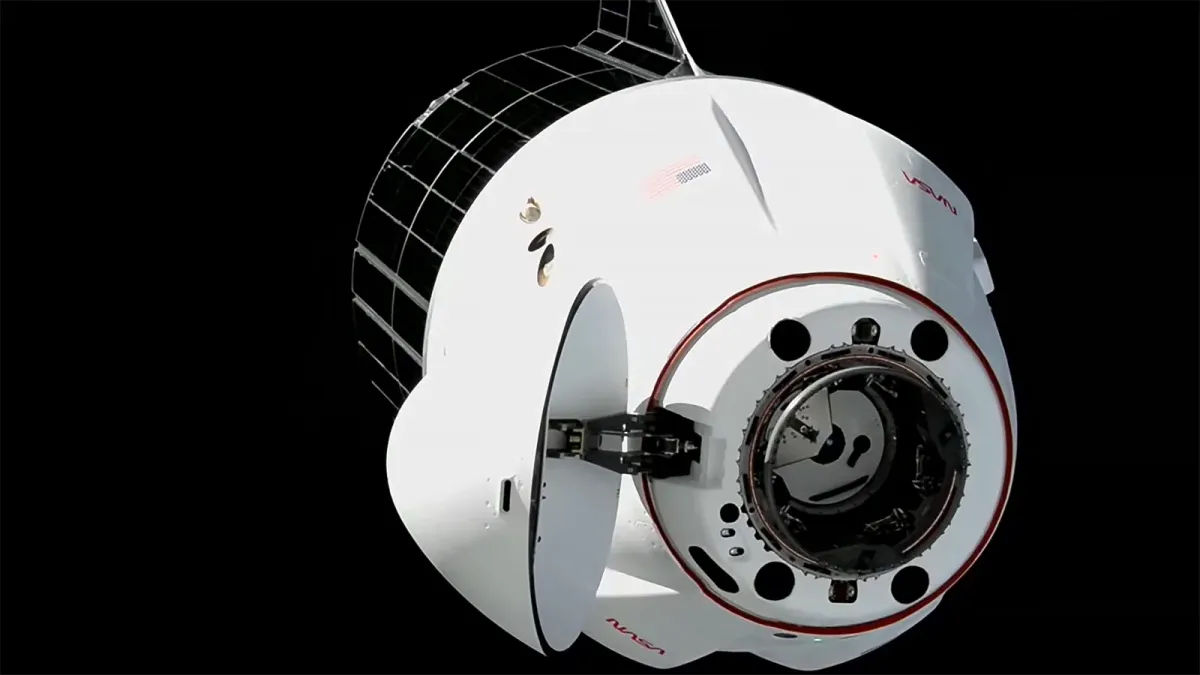
At 10:27 a.m. EDT, the SpaceX Dragon spacecraft docked to the space-facing port of the International Space Station’s Harmony module, delivering more than 6,300 pounds of food, supplies, and equipment for the Expedition 75 crew. This is SpaceX’s 35th commercial resupply services mission to the space station for NASA. Aboard the Dragon spacecraft is the final set of International Space Station Roll-Out Solar Arrays, or IROSAs, which will be installed later this fall. The spacecraft also is delivering hardware to manufacture artificial retinas in microgravity to help restore vision on Earth and 3D heart tissue models to advance large‑scale drug testing on future missions. The spacecraft will carry materials to study how a new type of glass forms in microgravity and brain organoids that could reveal treatment targets for neurodegenerative diseases, such as Alzheimer’s, Parkinson’s, and multiple sclerosis.

NASA (.gov)·
Science

How did Mars get its moons? Japan’s MMX space mission aims to solve the puzzle - The Conversation

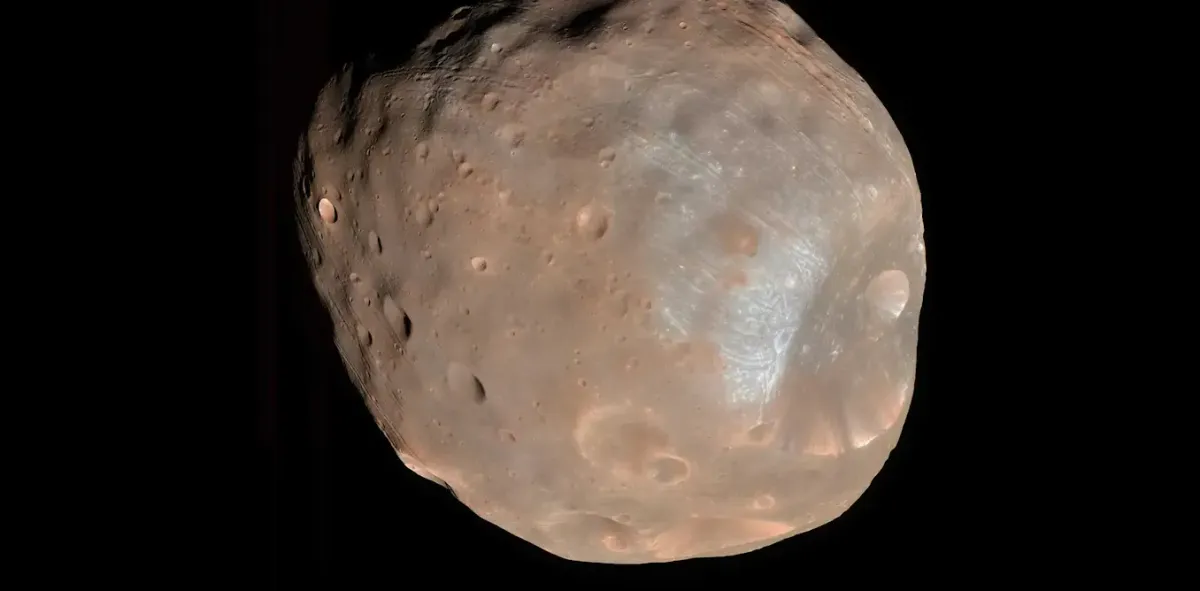
The Earth got its Moon when a celestial object collided with our planet more than four billion years ago. This impact hurled molten rock into space, which eventually coalesced to form the satellite we can see every night from across our planet. But what of our neighbour, Mars? The red planet has two small, irregularly shaped moons called Phobos and Deimos. There are several theories on how these natural satellites formed, but no clear front-runner. Soon, a Japanese-led space mission called Martian Moons Exploration (MMX) will begin its hunt for the answer.

The Conversation·
Science

ATLANTIC SKIES: Did you know there are zombie stars in our universe? - PNI Atlantic News

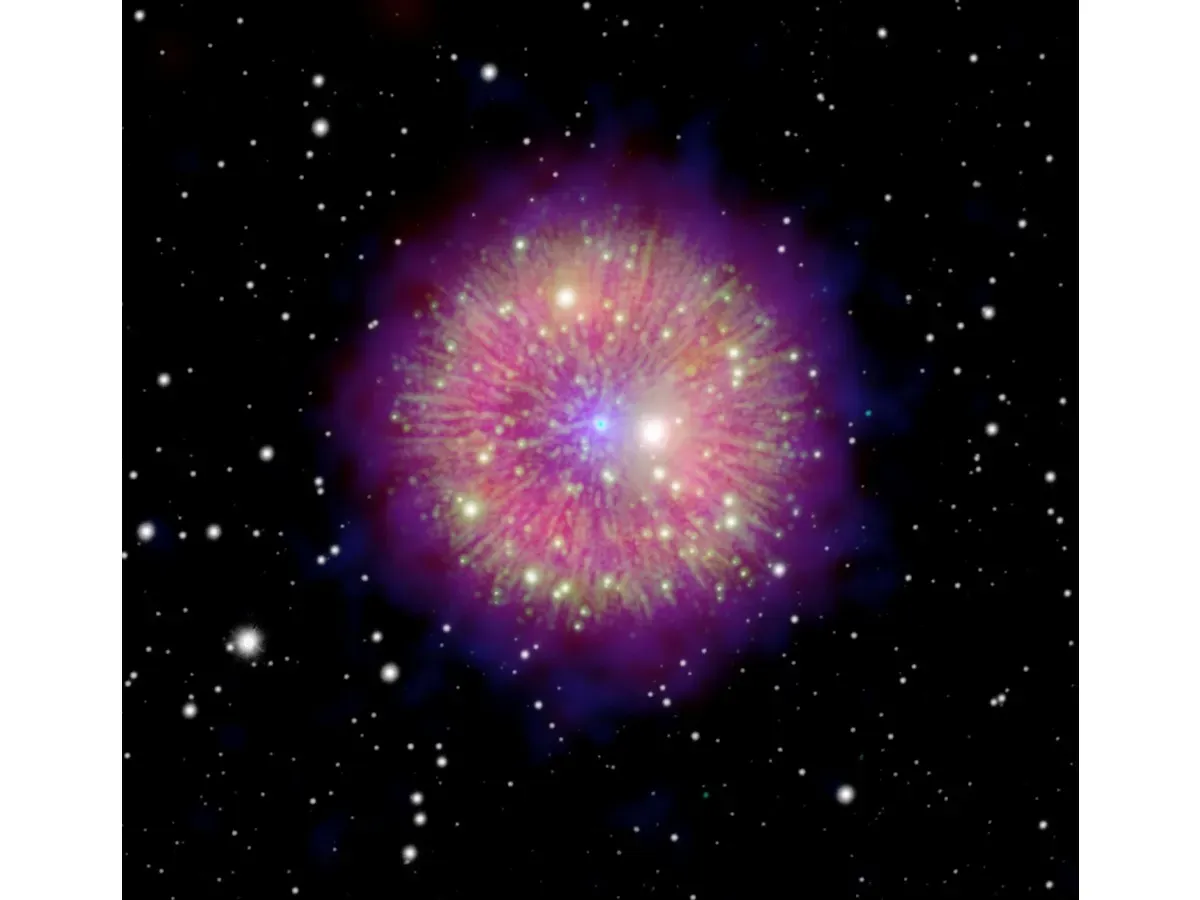
Skip to Content Home Filter by region Nova Scotia Halifax Local Sports Local Business Local Opinion Annapolis Valley Truro Tri-County New Glasgow South Shore Antigonish Cape Breton Prince Edward Island Summerside Newfoundland & Labrador News Canada Health World Opinion Editorial Cartoons Business Local Business Sports Local Sports Baseball Basketball Football Hockey Entertainment & Life Food Homes Savings Special Sections Lives Told Tails Told Shopping Essentials Deals Entertainment & Hobbies Gift Guide Home Living Kitchen & Dining Outdoor Living Personal Care Style & Beauty Tech Travel Guide PNI Atlantic Store ePaper Puzzmo Newsletters Travel Business Ads Obituaries Classifieds Jobs Advertising Advertising With Us Advertising Solutions Postmedia Ad Manager Sponsorship Requests Profile Settings My Subscriptions Newsletters Customer Service FAQ News Opinion Business Sports Entertainment & Life Special Sections Shopping Essentials ePaper Puzzmo Newsletters Travel Business Ads Obituaries Classifieds Jobs HomeAtlantic CanadaCape BretonEntertainment & LifeNewfoundland & LabradorNewfoundland and Labrador LifestyleNova ScotiaPrince Edward IslandPEI LifestyleATLANTIC SKIES: Did you know

PNI Atlantic News·
Science

A new perspective on anatomy - University of Waterloo

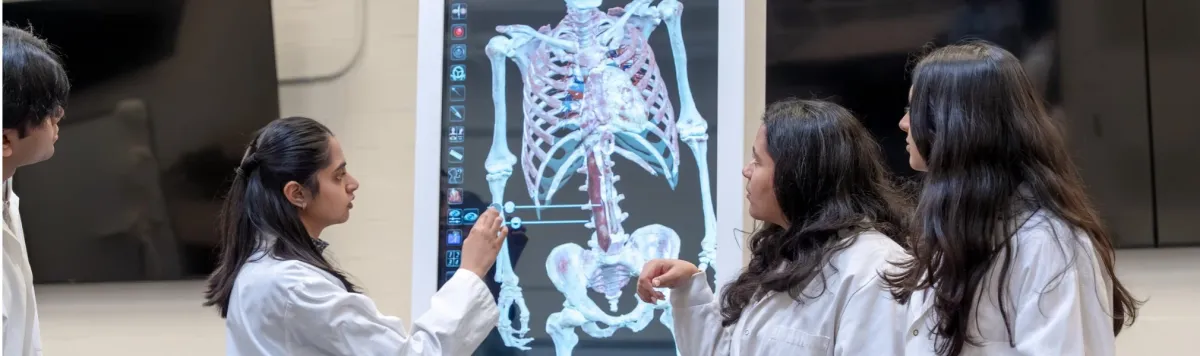
The study of anatomy at Waterloo just got more high-tech. The Biology department recently added a virtual dissection table to its undergraduate anatomy teaching, giving students a new perspective on the human body. The Anatomage table is a large touchscreen that displays life-sized digital representations of real human bodies, allowing students to participate in dissection without the need for preserved cadavers. It comes with an extensive library of scans, including 12 full human cadavers as well as hundreds of separate clinical cases with patient medical images. Students can rotate the bodies and remove layers to explore different anatomical structures and systems independently.

University of Waterloo·
Science

Drowned 5,000-year-old forests reborn as thriving peat reefs and biodiversity hotspots off Mozambique - Phys.org

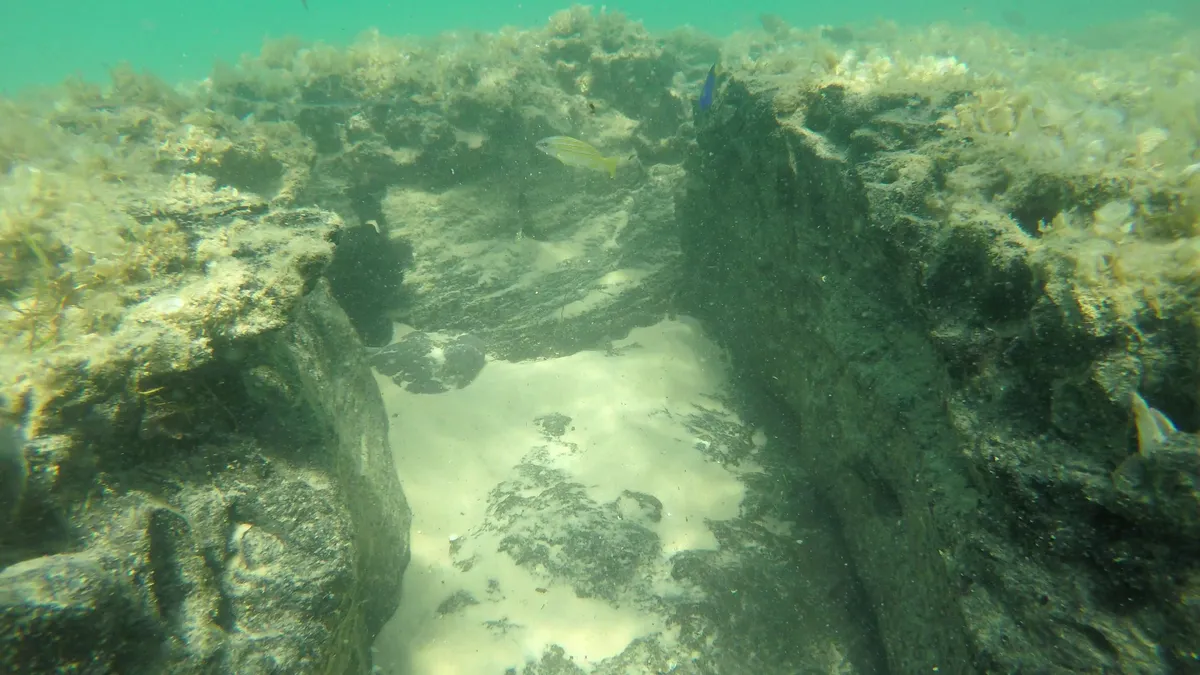
Peat reef habitat fauna, a bluebanded snapper. Researchers from the Bazaruto Center for Scientific Studies (BCSS) Ocean Observatory have documented ancient forests that grew on the Mozambican coast thousands of years ago and have been found beneath the sea, where they now serve as hotspots teeming with marine life similar in biodiversity to coral reefs. The discovery raises the question of how many more of these hidden peat reefs exist around the world's coastlines and how to evaluate them as a carbon store and develop policies to protect them and their biodiversity. The paper in Scientific Reports published by the BCSS Ocean Observatory, working in collaboration with researchers from U.

Phys.org·
Science

Benchling launches Science Foundries, a new way for scientists and agents to work together - PR Newswire

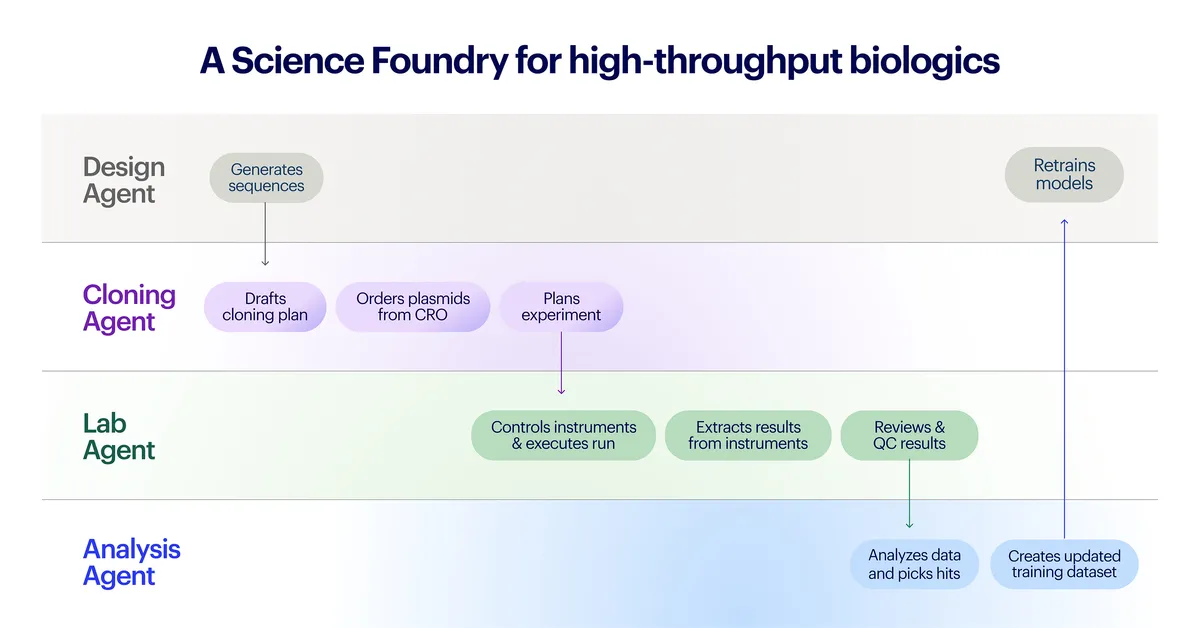
With agents working towards a shared goal on shared context, R&D teams run more science at once and move programs forward faster, /PRNewswire/ -- Benchling today launched Science Foundries, a new way to run scientific processes end-to-end with agents and scientists working together. With Science Foundries, R&D teams pick a process or a goal, such as produce proteins, optimize a promising lead, or improve a manufacturing process. They set which steps agents run and when scientists need to approve. From there, the Foundry runs. Agents execute and monitor work, coordinate handoffs, and surface key decisions to scientists, all working from the same scientific data and context. A Science Foundry delivers an agentic workflow connecting models, CROs, lab instruments, and scientists.

PR Newswire·
Science

Chinook's Edge students take their science projects to the national stage - CentralAlbertaOnline.com

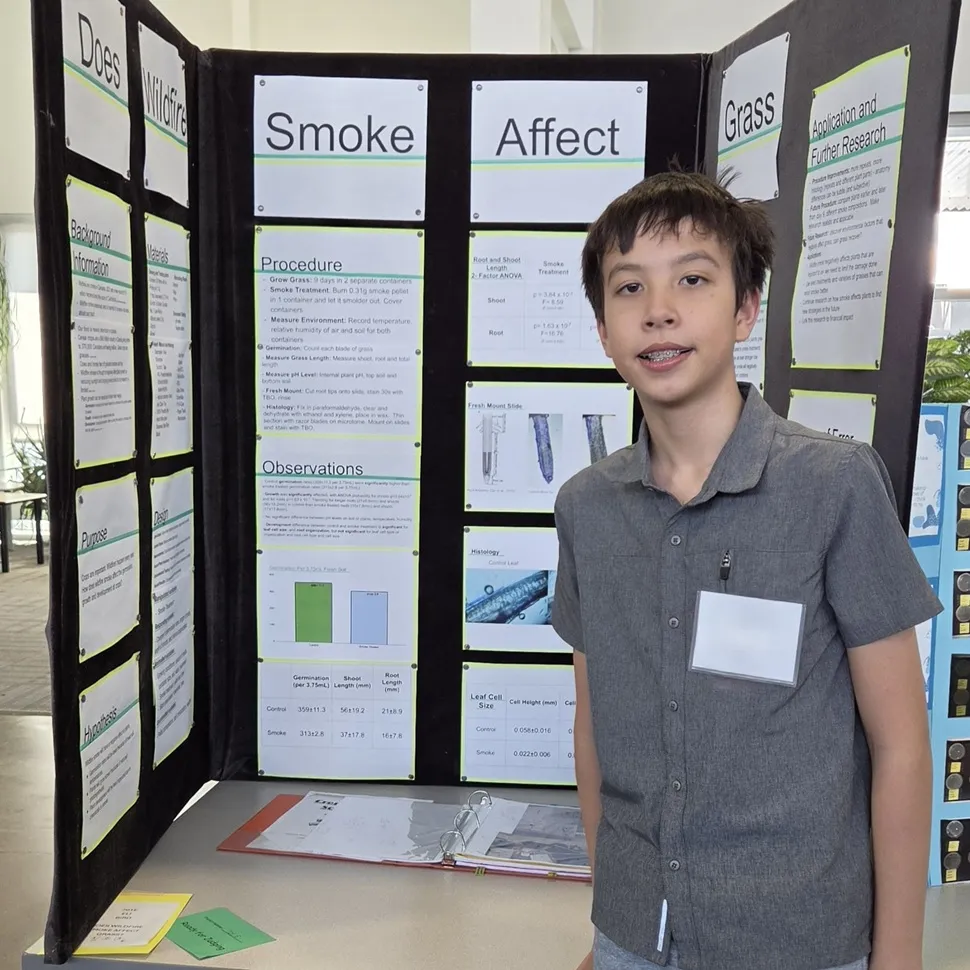
Eli B. stands next to his project at the Central Alberta Rotary Science Fair, a qualifying event for the Canada-Wide fair. CESD Chinook's Edge School Division (CESD) students earned a place at the Canada-Wide Science Fair last spring, including students from Cremona School, École Olds High School and Hugh Sutherland School. Among them, one student walked away with a national silver medal.

CentralAlbertaOnline.com·