How did Mars get its moons? Japan’s MMX space mission aims to solve the puzzle - The Conversation
This story deserves to be shared
Send it to someone who'd care, or post it on your networks.
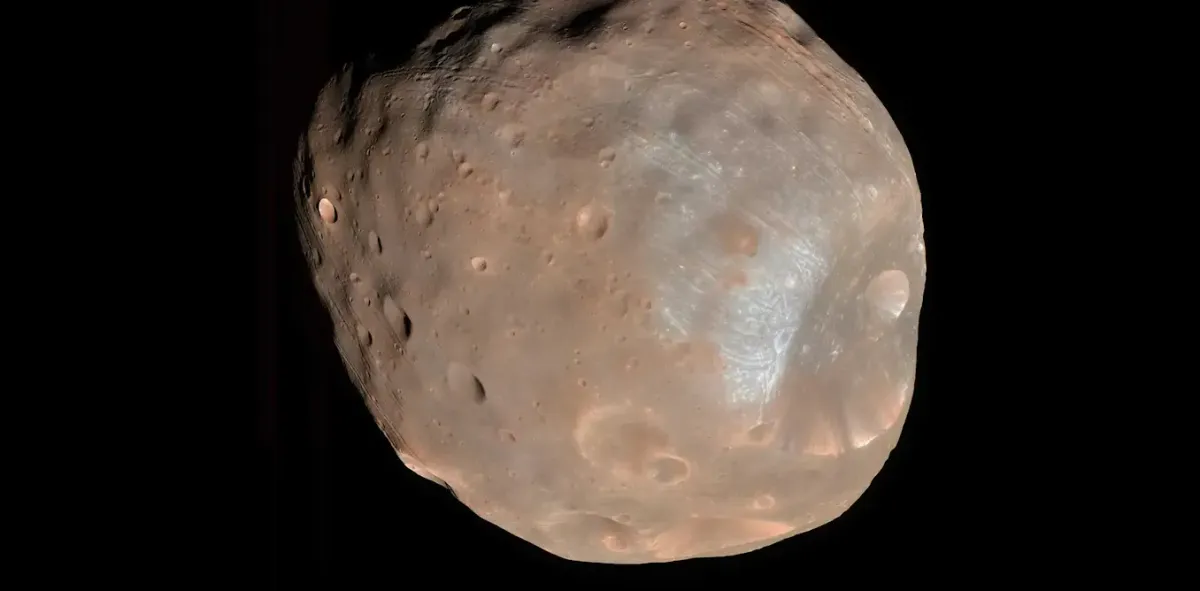
The Earth got its Moon when a celestial object collided with our planet more than four billion years ago. This impact hurled molten rock into space, which eventually coalesced to form the satellite we can see every night from across our planet.
But what of our neighbour, Mars? The red planet has two small, irregularly shaped moons called Phobos and Deimos. There are several theories on how these natural satellites formed, but no clear front-runner. Soon, a Japanese-led space mission called Martian Moons Exploration (MMX) will begin its hunt for the answer.
This article is an excerpt. To read the full content, visit the original source. The Conversation
Related articles
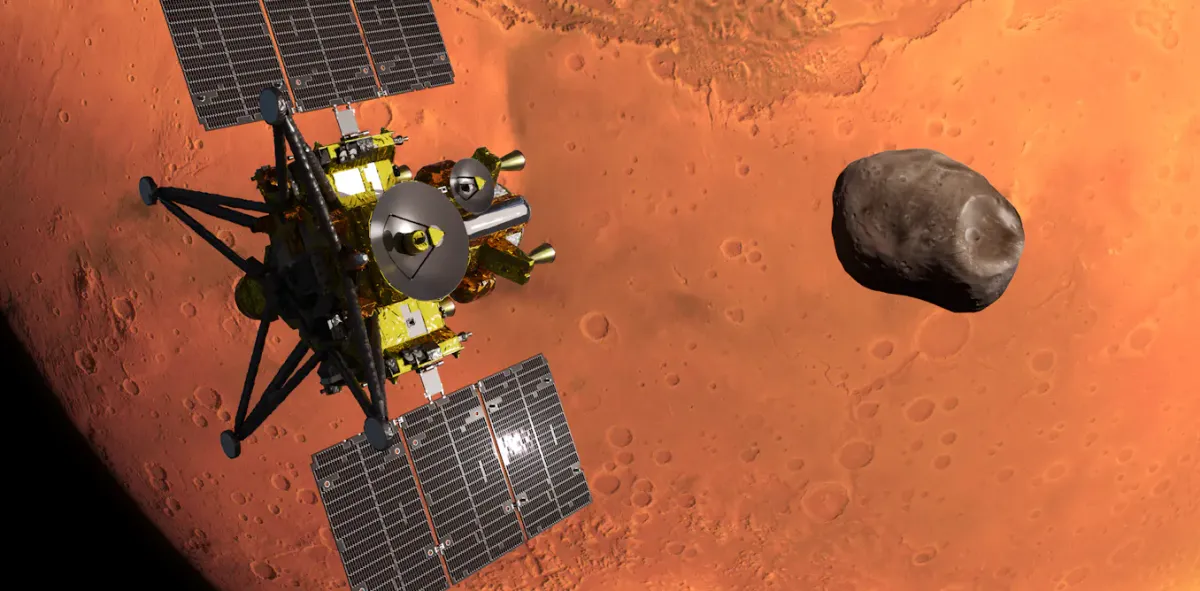
Japan’s MMX mission aims to swipe soil samples from Mars’ moon Phobos - The Conversation
A Japanese space mission is about to launch towards Mars. But it will not land on the planet itself. Instead, the Martian Moons Exploration (MMX) mission will focus on Phobos, the bigger of Mars’s two small moons. The mission will lift off on Monday October 19 at 20:41 BST on an H3 rocket from the Tanegashima Space Center, in the south of Japan.
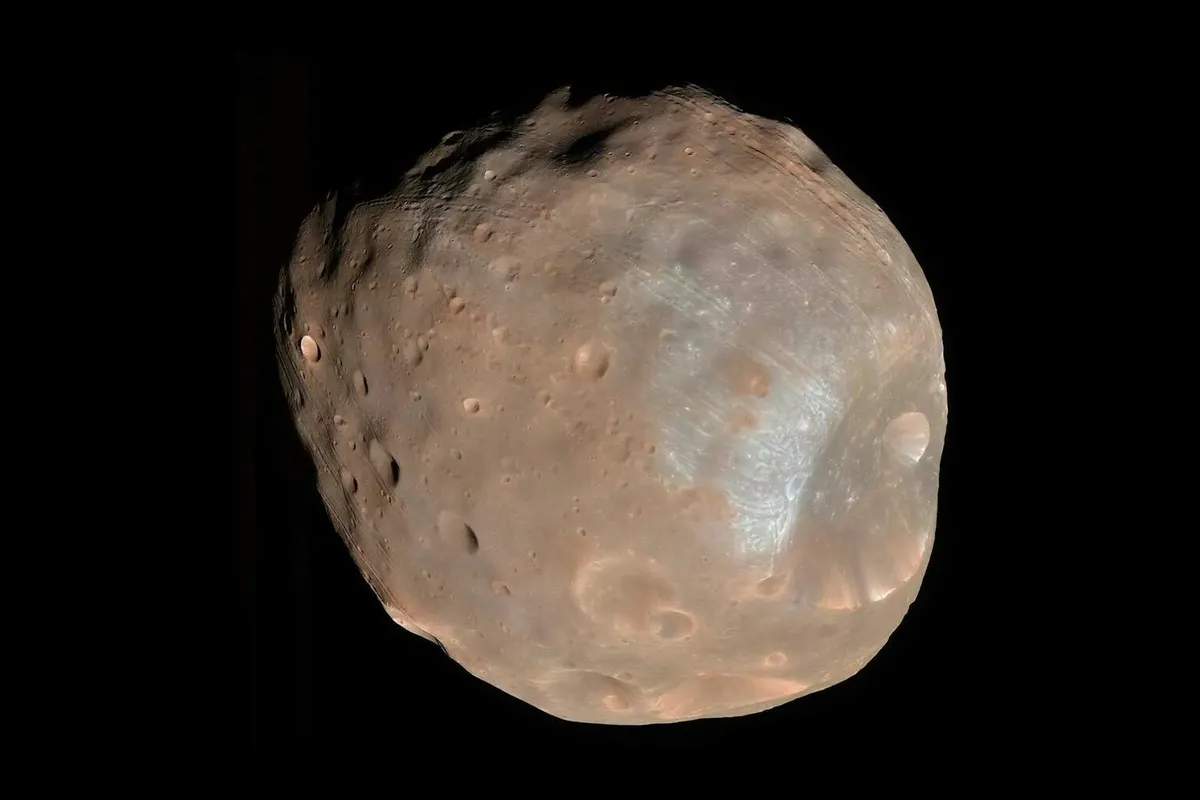
How did Mars get its moons? Japan's MMX space mission aims to solve the puzzle - Phys.org
Phobos is dominated by Stickney crater, a 9km (5.6-mile) bowl visible on the right. The Earth got its moon when a small planet collided with our planet more than 4 billion years ago. This impact hurled molten rock into space, which eventually coalesced to form the satellite we can see every night from across our planet. The red planet has two small, irregularly shaped moons called Phobos and Deimos. There are several theories on how these natural satellites formed, but no clear front-runner. Soon, a Japanese-led space mission called Martian Moons Exploration (MMX) will begin its hunt for the answer. 19, MMX is due to lift off on an H3 rocket from Tanegashima Space Center in southern Japan.
Engineers solve puzzle of Arctic sea ice movement - University of California, Riverside

Simulations explore nuclear mitigation of asteroid threats - Phys.org
Lawrence Livermore National Laboratory researcher Isaiah Santistevan led the development of three-dimensional simulations exploring how a nuclear device could deflect or disrupt an asteroid threatening Earth. Credit: Blaise Douros/LLNL Lawrence Livermore National Laboratory (LLNL) researchers are developing three-dimensional simulations to examine how a nuclear device could be used to deflect or potentially disrupt an asteroid threatening Earth.
0 comments
No comments yet. Be the first to share your thoughts!