NASA seeks private space stations to replace the aging ISS by 2030 - Yahoo News Canada
This story deserves to be shared
Send it to someone who'd care, or post it on your networks.
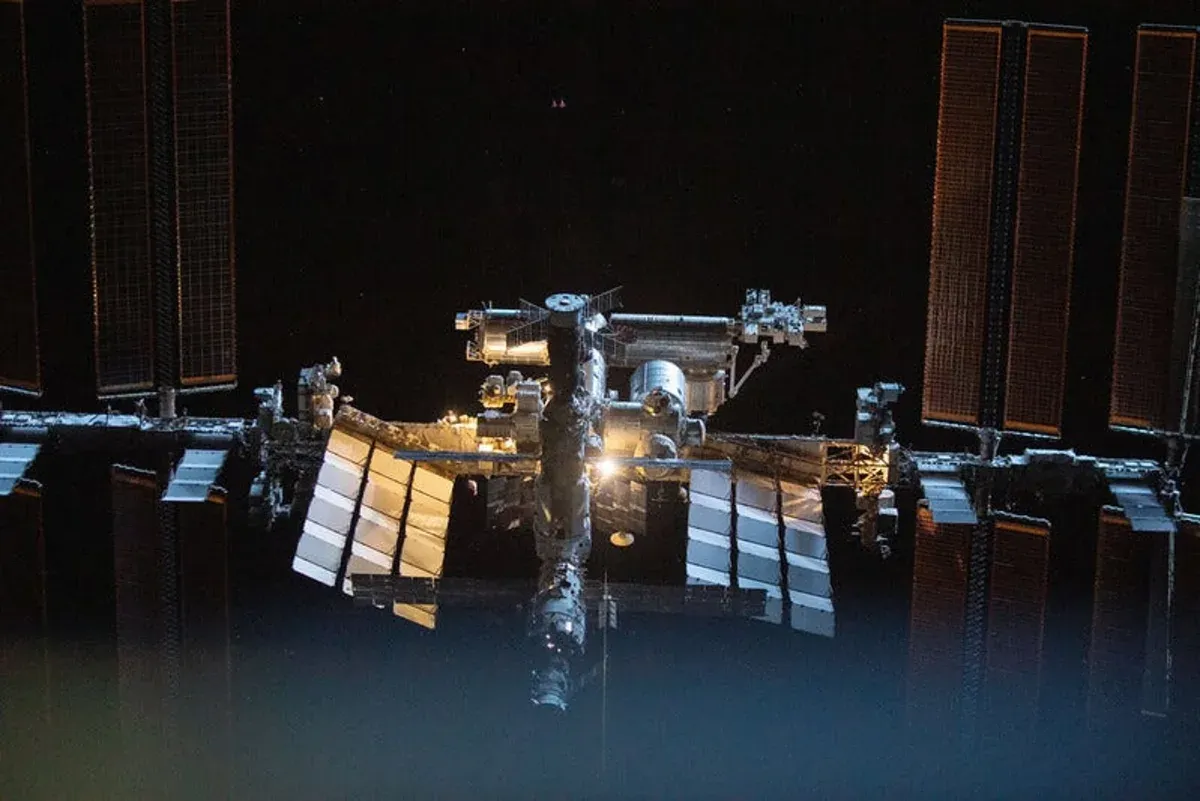
The International Space Station may be an iconic feature in Earth's orbit, but it's also getting old. For years, plans have been underway to retire and deorbit the aging space station, which has increasingly been marred by air leaks and other issues. That means by the end of 2030, the ISS – where the world's astronauts have lived, worked and gazed upon the cosmos for more than two decades – could be no more. But that hardly means NASA is abandoning its legacy of ensuring humans have a home to live and work long-term in space. Even now, the U. S. space agency is laying the groundwork to ensure that government astronauts will have access to any number of private commercial space stations that could park themselves in low-Earth orbit in the years ahead. And recently, NASA announced it is seeking proposals from aerospace companies interested in partnering with the agency to host government astronauts on its future stations. "NASA is committed to maintaining a sustained American presence in low-Earth orbit long after the International Space Station retires," NASA Administrator Jared Isaacman said in a statement.
This article is an excerpt. To read the full content, visit the original source. Yahoo News Canada
Related articles
Josh Kutryk’s successful flight to the ISS shifts focus to Canada’s next moves in space - The Globe and Mail
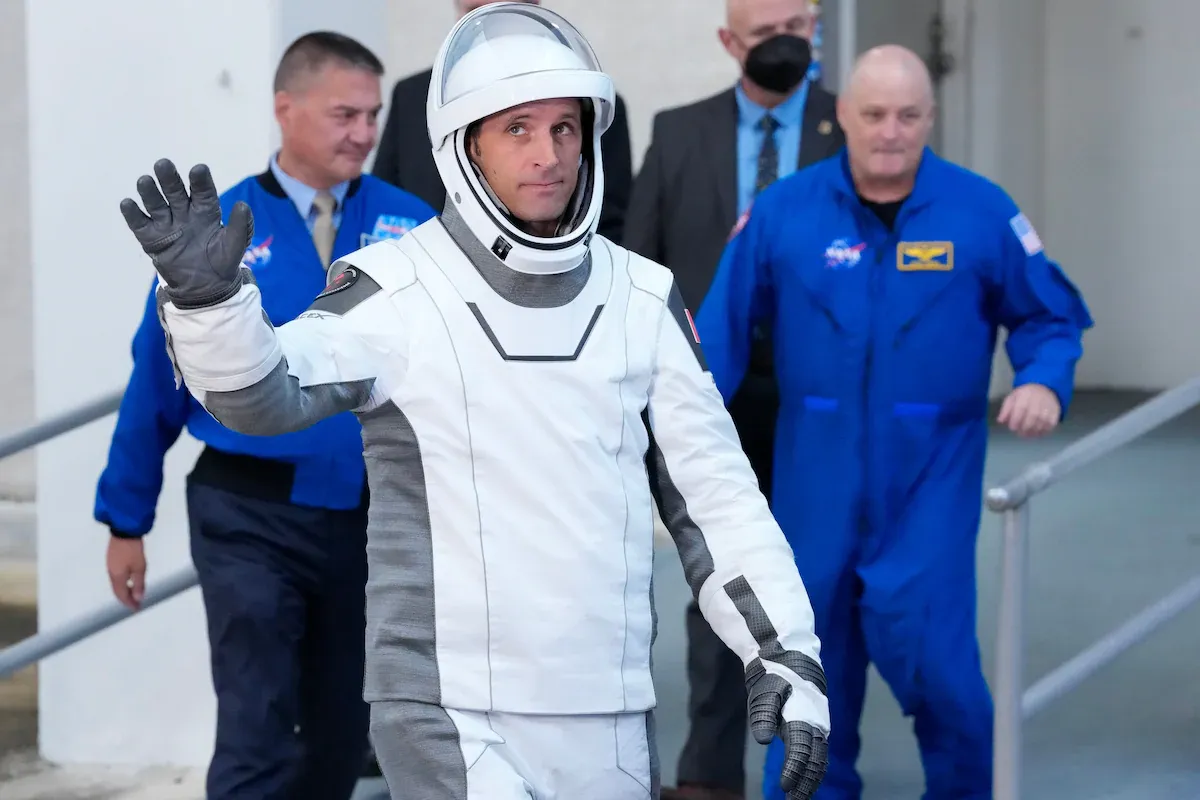
Open this photo in gallery:Canadian Astronaut Joshua Kutryk waves as he leaves the Operations and Checkout Building at the Kennedy Space Center in Cape Canaveral, Fla., on Thursday. John Raoux/The Associated PressThose who followed the news of Joshua Kutryk’s successful flight to the International Space Station this week can be forgiven for wondering if the Canadian astronaut stepped into a time machine rather than a space capsule. Col. Kutryk, who hails from Fort Saskatchewan, Alta., was one of four astronauts who lifted off on Thursday morning from the Kennedy Space Center in Florida and docked with the station later that night. Their arrival marks the start of a busy handoff period during which the population of the station will temporarily be at 11 – four of which will depart some time next week. With astronauts from the United States, Russia, France and Canada currently on board, the image of comity and diversity on the station is certainly what proponents had in mind when construction of the orbiting laboratory began in 1998.
Joshua Kutryk's launch to the ISS highlights Canada's role in space exploration - The Weather Network
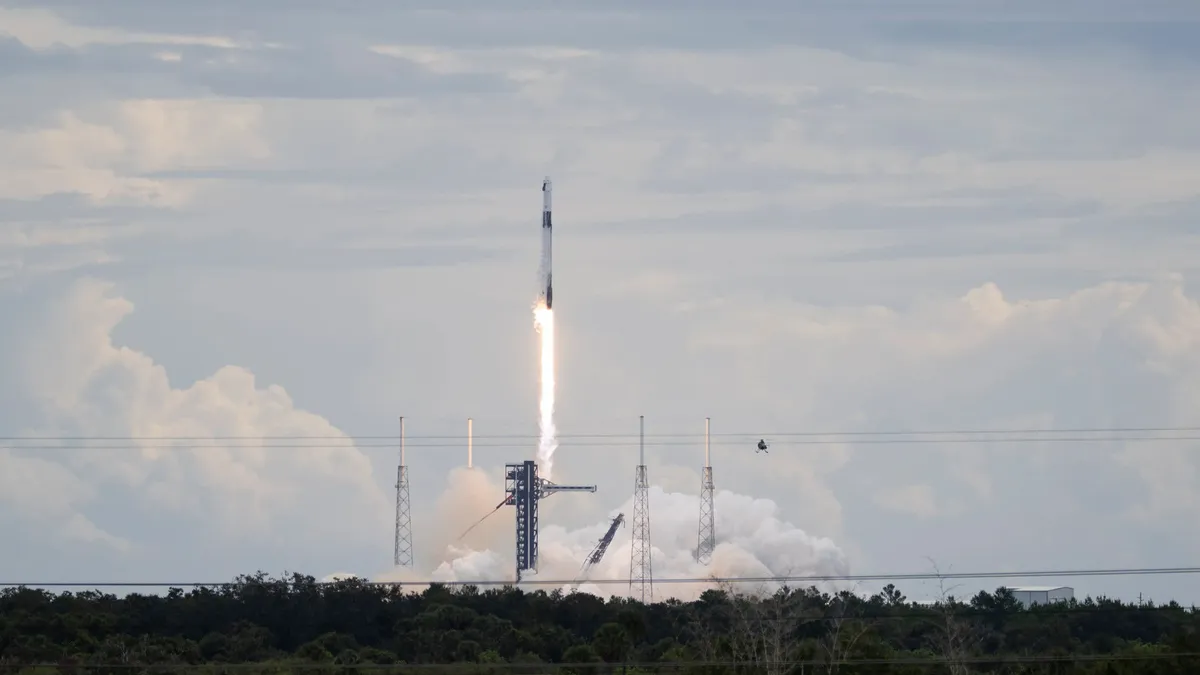
Canadian Joshua Kutryk is in space, on his way to the International Space Station (ISS) after a flawless launch from Cape Canaveral, Fla. The SpaceX Falcon 9 rocket blasted off at 11:10 a.m., right on time. NASA's SpaceX Crew-13 mission lifts off from Launch Complex 40 at Kennedy Space Center in Florida on Oct. 1, 2026, atop a Falcon 9 rocket booster. (NASA/Joel Kowsky)He and his crewmates — NASA astronauts Jessica Watkins and Luke Delaney, and Russian cosmonaut Sergey Teteryatnikov — are slated to dock with the ISS after roughly eight hours in space. The launch is Kutryk's first, and he felt it. "I'm in space. I don't really believe it yet. It does feel weird, though," he said. "It's good to be here. "Joshua Kutryk, dressed in his white SpaceX spacesuit and helmet, holds up his hands displaying support for the Crew 13 mission. (SpaceX via Canadian Space Agency)DON'T MISS: Halley's Comet meteors flash across the sky in OctoberThis is a historic moment for Canada. It's the first time two Canadians have launched into space in such a short time. Jeremy Hansen launched as part of NASA's Artemis II mission for a trip around the moon only six months ago.

Simulations explore nuclear mitigation of asteroid threats - Phys.org
Lawrence Livermore National Laboratory researcher Isaiah Santistevan led the development of three-dimensional simulations exploring how a nuclear device could deflect or disrupt an asteroid threatening Earth. Credit: Blaise Douros/LLNL Lawrence Livermore National Laboratory (LLNL) researchers are developing three-dimensional simulations to examine how a nuclear device could be used to deflect or potentially disrupt an asteroid threatening Earth.
0 comments
No comments yet. Be the first to share your thoughts!