BBlogFlow

Categories

Science

6983 articles

Science

A new perspective on anatomy - University of Waterloo

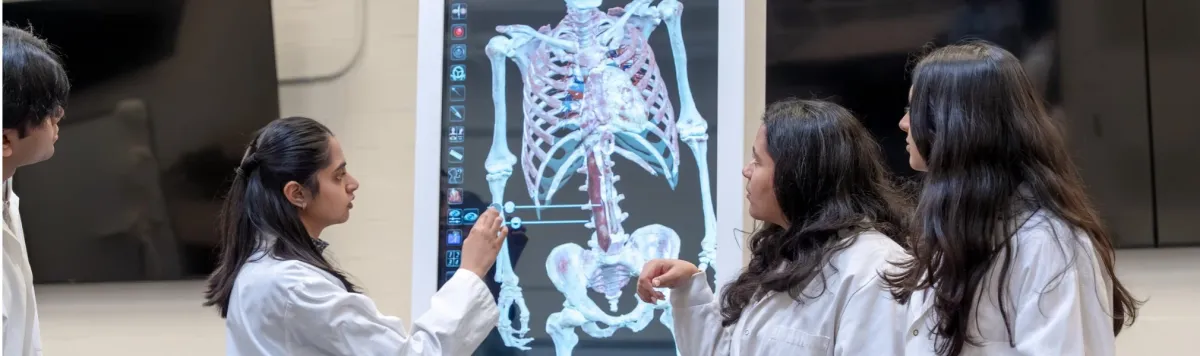
The study of anatomy at Waterloo just got more high-tech. The Biology department recently added a virtual dissection table to its undergraduate anatomy teaching, giving students a new perspective on the human body. The Anatomage table is a large touchscreen that displays life-sized digital representations of real human bodies, allowing students to participate in dissection without the need for preserved cadavers. It comes with an extensive library of scans, including 12 full human cadavers as well as hundreds of separate clinical cases with patient medical images. Students can rotate the bodies and remove layers to explore different anatomical structures and systems independently.

University of Waterloo·

Science

Drowned 5,000-year-old forests reborn as thriving peat reefs and biodiversity hotspots off Mozambique - Phys.org

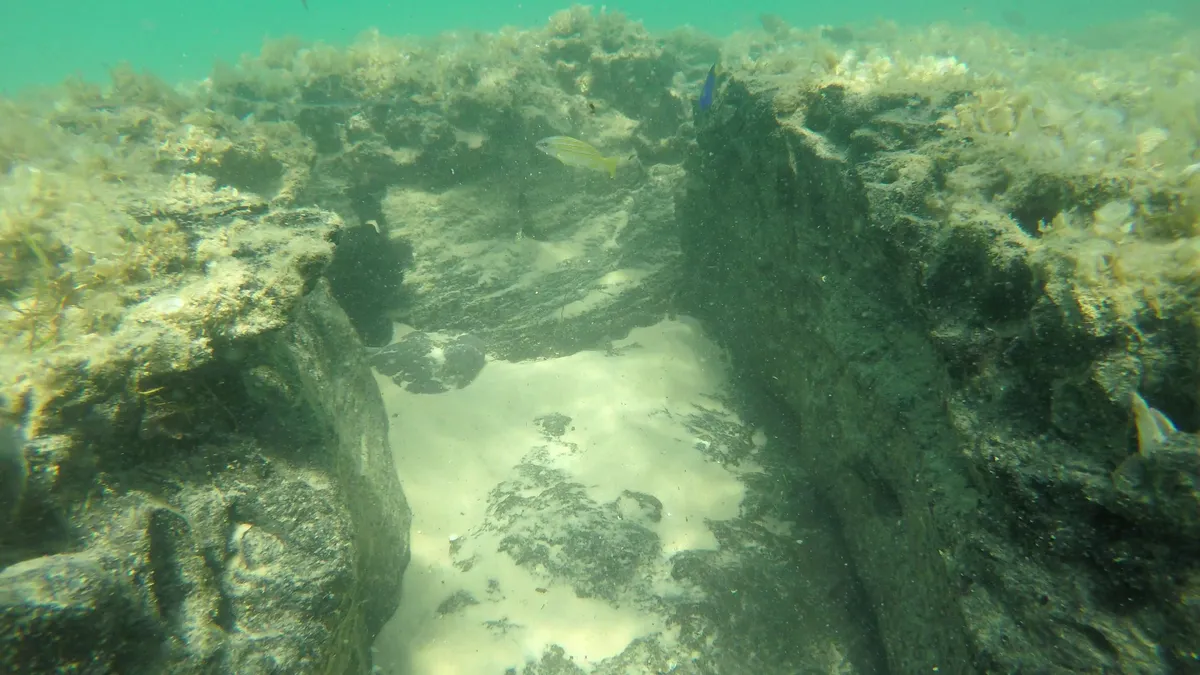
Peat reef habitat fauna, a bluebanded snapper. Researchers from the Bazaruto Center for Scientific Studies (BCSS) Ocean Observatory have documented ancient forests that grew on the Mozambican coast thousands of years ago and have been found beneath the sea, where they now serve as hotspots teeming with marine life similar in biodiversity to coral reefs. The discovery raises the question of how many more of these hidden peat reefs exist around the world's coastlines and how to evaluate them as a carbon store and develop policies to protect them and their biodiversity. The paper in Scientific Reports published by the BCSS Ocean Observatory, working in collaboration with researchers from U.

Phys.org·
Science

Benchling launches Science Foundries, a new way for scientists and agents to work together - PR Newswire

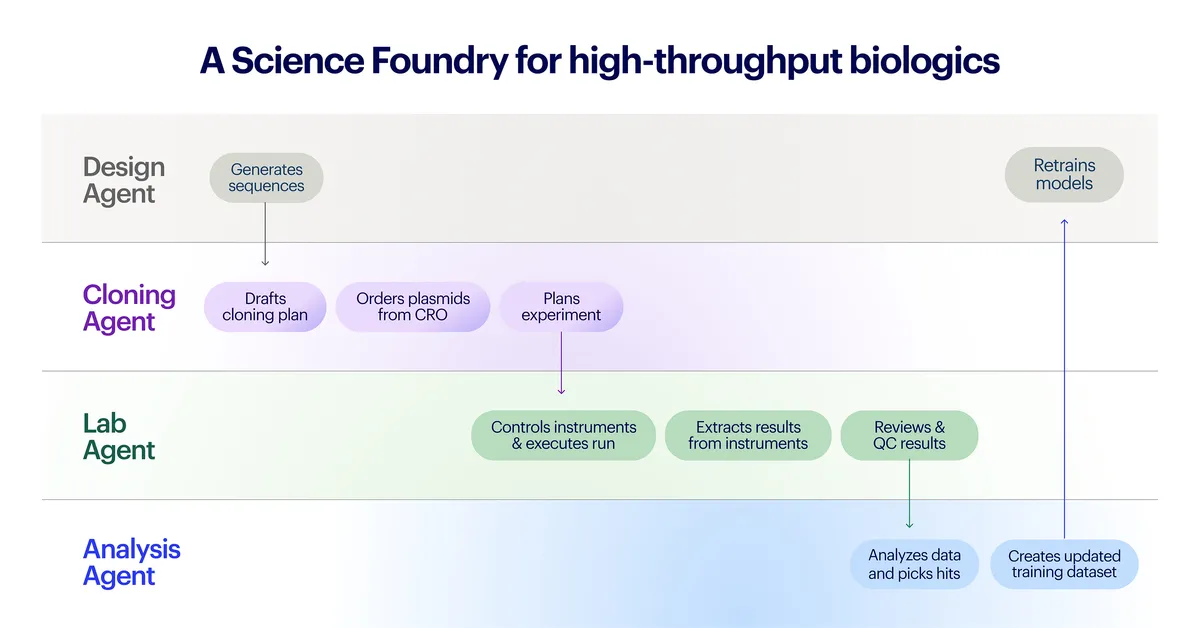
With agents working towards a shared goal on shared context, R&D teams run more science at once and move programs forward faster, /PRNewswire/ -- Benchling today launched Science Foundries, a new way to run scientific processes end-to-end with agents and scientists working together. With Science Foundries, R&D teams pick a process or a goal, such as produce proteins, optimize a promising lead, or improve a manufacturing process. They set which steps agents run and when scientists need to approve. From there, the Foundry runs. Agents execute and monitor work, coordinate handoffs, and surface key decisions to scientists, all working from the same scientific data and context. A Science Foundry delivers an agentic workflow connecting models, CROs, lab instruments, and scientists.

PR Newswire·
Science

Chinook's Edge students take their science projects to the national stage - CentralAlbertaOnline.com

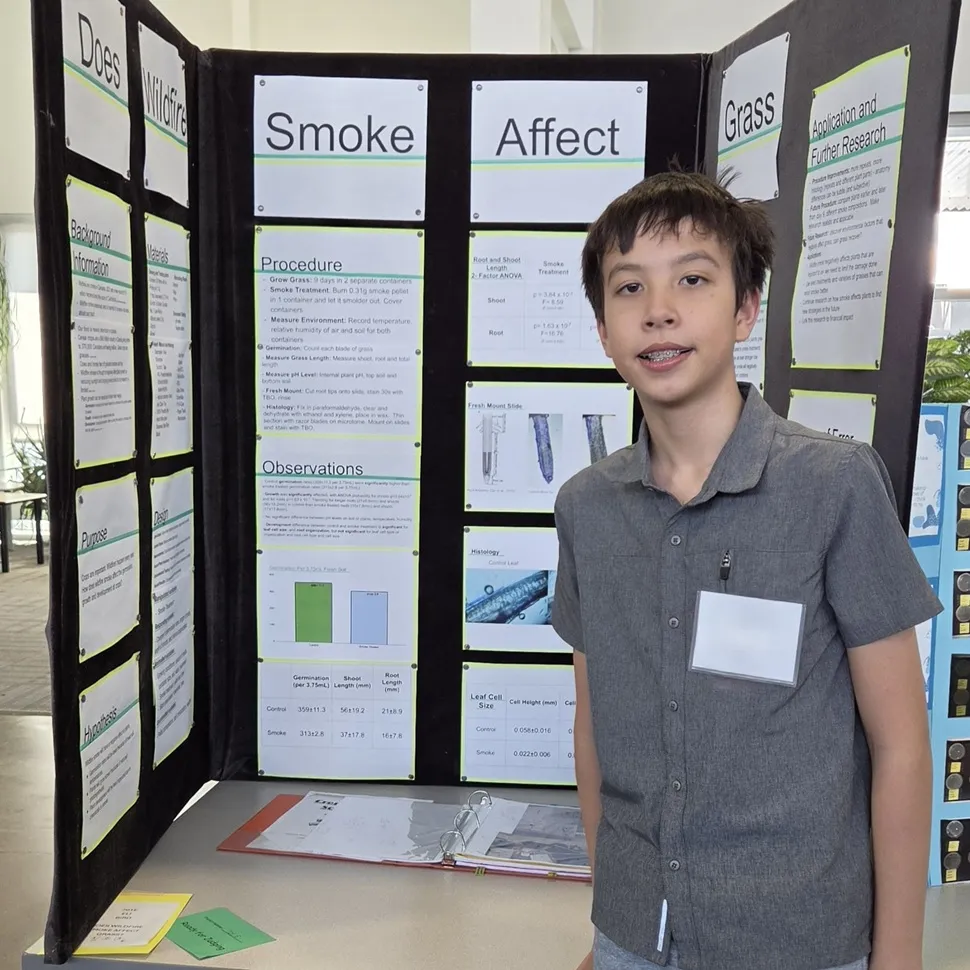
Eli B. stands next to his project at the Central Alberta Rotary Science Fair, a qualifying event for the Canada-Wide fair. CESD Chinook's Edge School Division (CESD) students earned a place at the Canada-Wide Science Fair last spring, including students from Cremona School, École Olds High School and Hugh Sutherland School. Among them, one student walked away with a national silver medal.

CentralAlbertaOnline.com·
Science

AI can be a great tool, but not if you're using it for this reason - The Weather Network

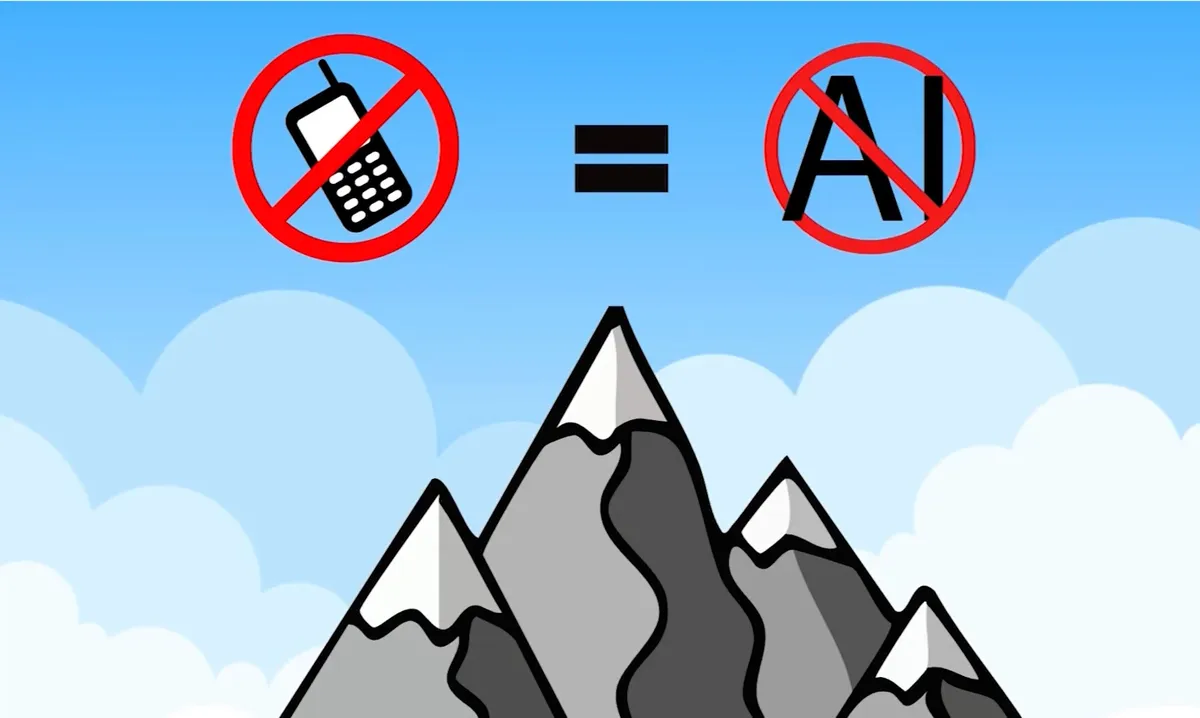
I'm not going to lie; I use AI for many of my outdoor adventures. I've found it to be a great tool for planning my marathon training schedule and finding easy hikes for my toddlers. However, one thing I would never rely on it for is planning an actual mountain route, and here's why. Recently, a 16-year-old in British Columbia had to be helicopter-rescued from a vertical cliff face on Crown Mountain in North Vancouver. He used AI to help plan his route, which led him directly into a high-risk climbing section known as the “Widowmaker. "One common misconception about AI is that it understands terrain. It can't differentiate between a scenic walking path, an unmaintained gully, or a Class 4 rock scramble. Even worse, if you lose cell service, your chatbox becomes completely useless. AI can also make mistakes. For example, it went from labeling Panorama Ridge as a strenuous hike to calling it easy terrain when questioned (demonstrated in the video above). If you're heading outdoors, it's best to skip the chatbox and use dedicated mapping tools instead. Apps like Gaia and Trailforks provide real topographic maps and elevation profiles.

The Weather Network·
Science

Learn About DNA, Tsunami Science and More at the Fall 2026 STEM Showcase - University of Vermont

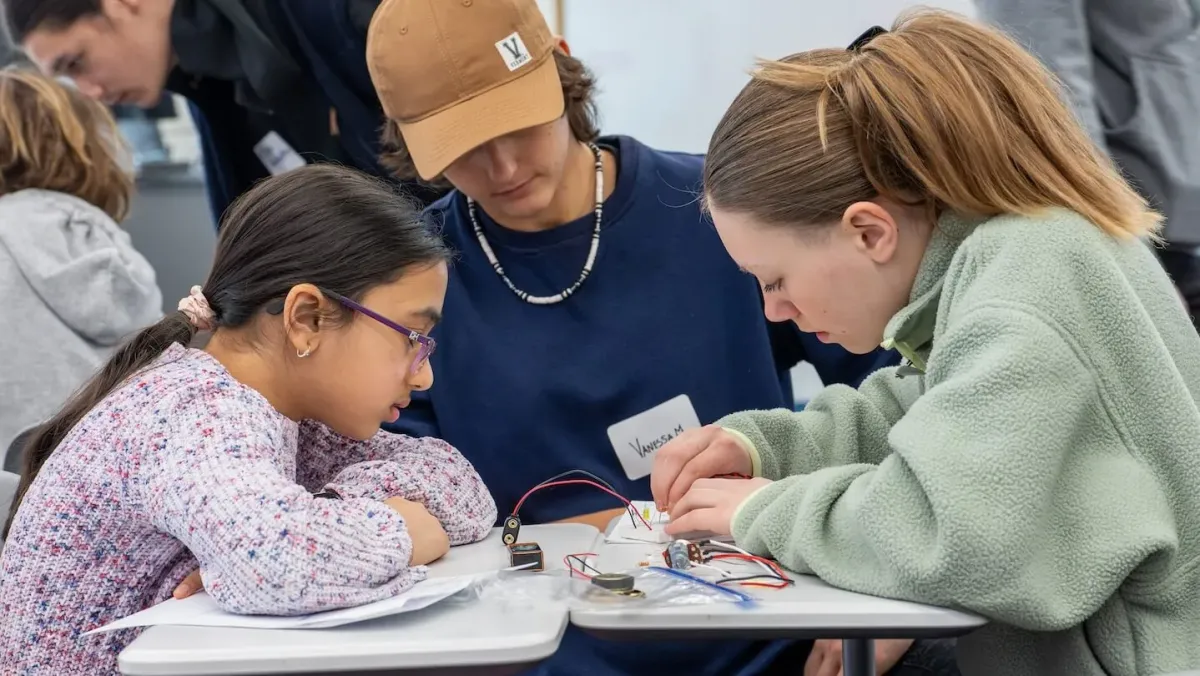
University of Vermont students will share these experiential science, technology, engineering and math activities with local youth on Nov. 7. Vermont students grades 3-9 who are (or who could be!) excited by science, technology, engineering and math (STEM) can now sign up for the Fall 2026 STEM Showcase at the University of Vermont campus. It's scheduled for Saturday, Nov. 7 from 10 a.m. to 12:30 p.m.

University of Vermont·
Science

Arctic sea ice hits another troubling low in 2026 - Science Daily

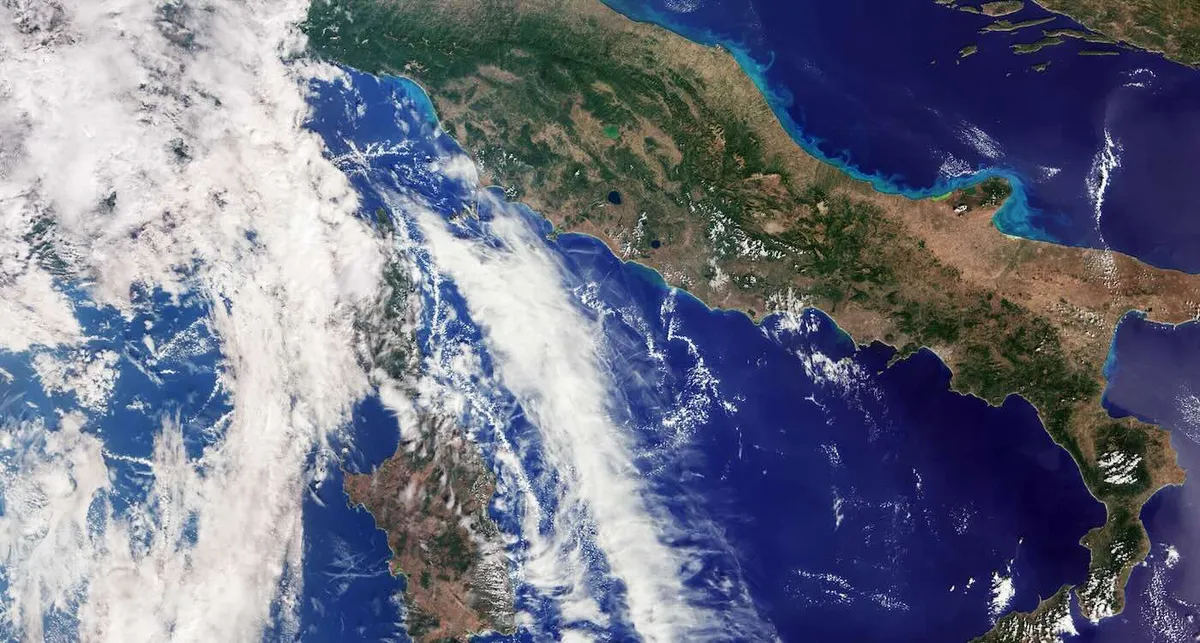
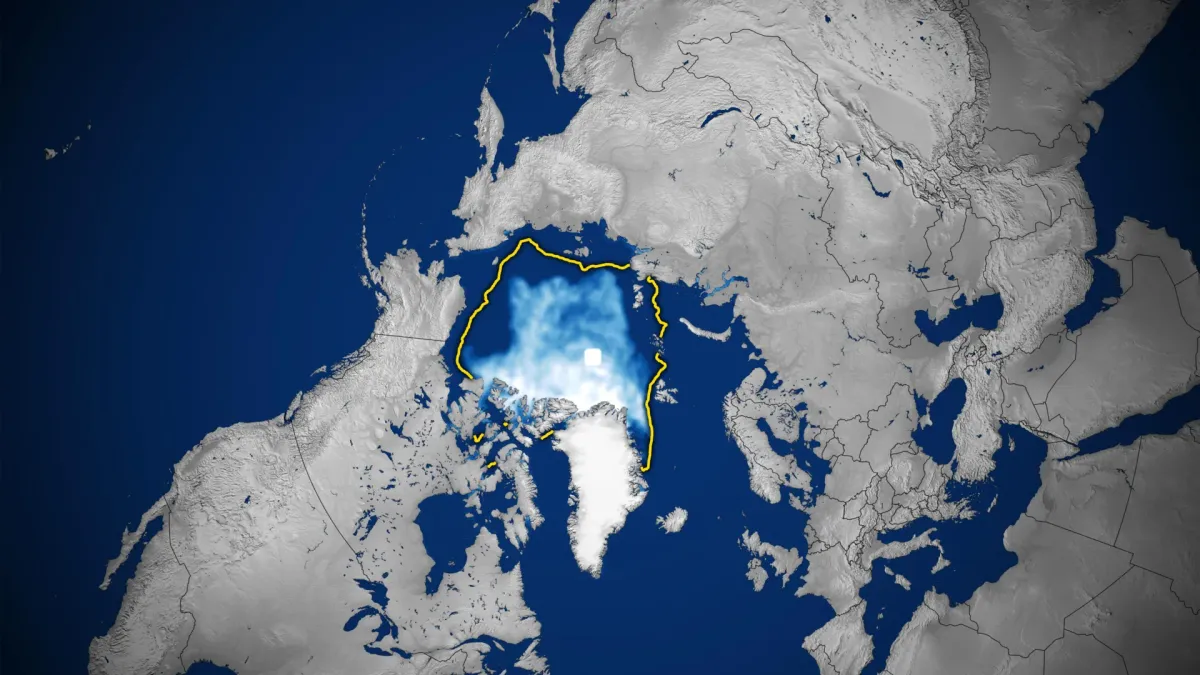
Nearly five decades of satellite observations reveal a troubling transformation in the Arctic, where sea ice is shrinking in both summer and winter, and much of the remaining ice is becoming younger and thinner. The Arctic Ocean is covered by a vast expanse of frozen seawater that expands and contracts with the seasons. Ice typically builds up throughout the long, dark winter, reaching its greatest extent in March before retreating during the warmer months to a September minimum. This seasonal cycle has continued for thousands of years, but satellite measurements reveal that the amount of ice covering the ocean has declined substantially at both ends of the cycle.

Science Daily·
Science

The Nature Nut: Hazeltons and Kispiox vibrant this fall - Today in BC

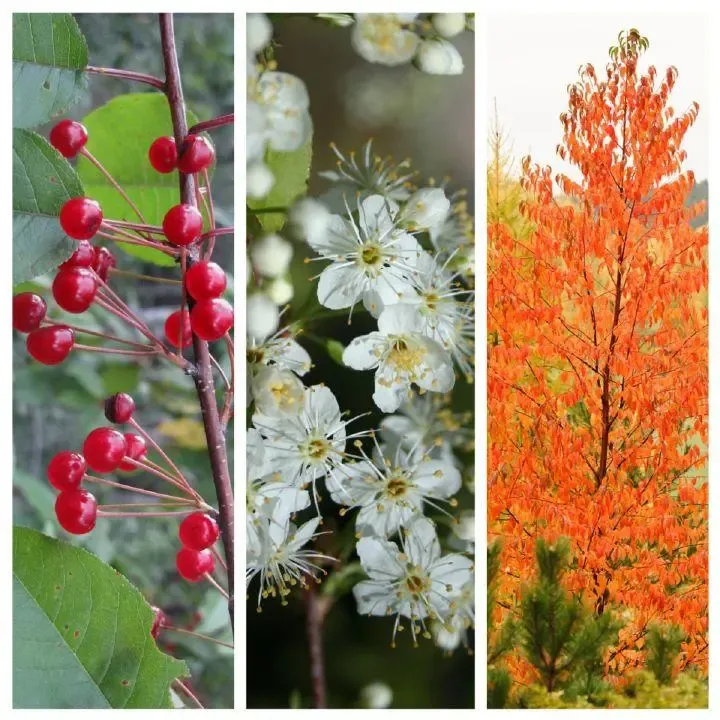
The Fall colours in the Hazeltons and Kispiox Valley are spectacular this year. We went on a one-night camping trip a few days ago to see the colours and we put up our tent at the Elizabeth Lake Recreation Site right on the edge of the lake. While the Smithers area is pretty this year, the Hazelton and Kispiox Valley area colours are even more beautiful. Scattered among the yellows of the birches, aspens and cottonwoods are splashes of the “mango/orangey/pink tinged with red” colour of the leaves of cherries that are abundant in the area.

Today in BC·
Science

I finally found a better way to save things from the internet - MakeUseOf

Jack has been a contributing author at MakeUseOf since June 2024, specializing in entertainment and its associated technology. He is passionate about creating engaging content that inspires and informs, having published articles and reviews in several reputable online resources since 2010, including SlashGear, BestReviews, and Ezvid Wiki. Jack's work has taken him far and wide, from South America to Europe, South Asia, and the Far East, and his experiences continue to influence his writing. As a graduate with a BA in music technology, he is particularly interested in new developments in this field, including music hardware, music creation software, and music streaming services.

MakeUseOf·
Science

Eating late at night linked to up to 30% higher risk of liver disease - Science Daily

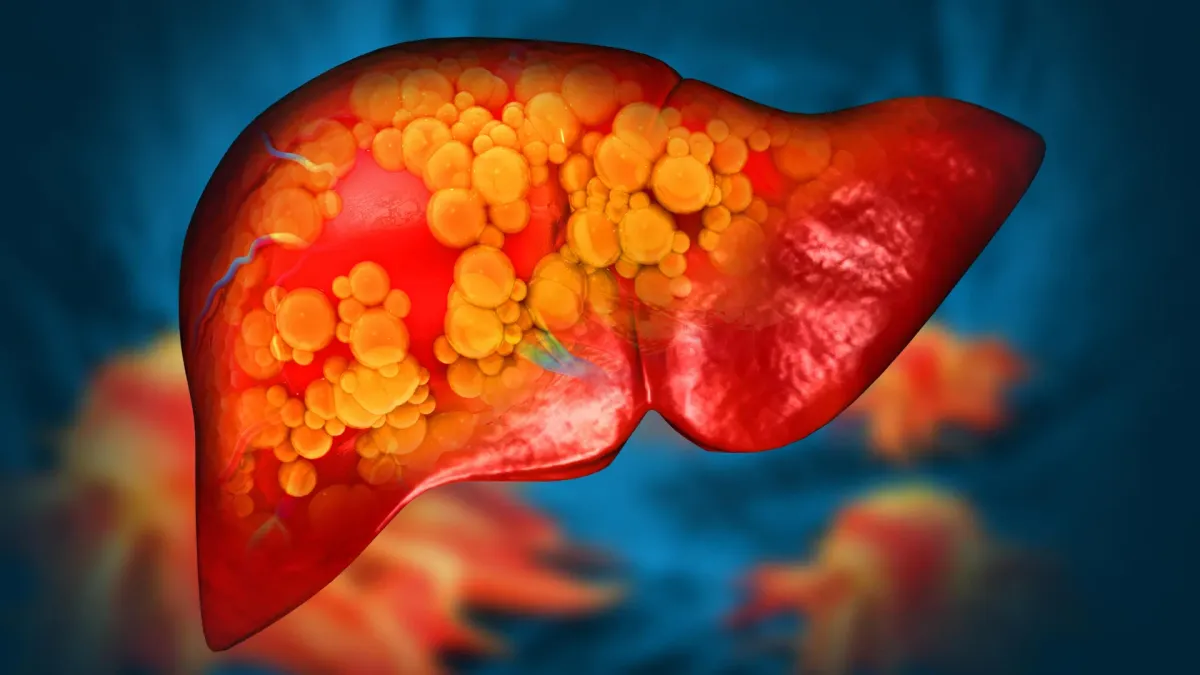
That late-night snack might have consequences beyond extra calories. Researchers at Oregon Health & Science University (OHSU) have found that eating late in the evening is associated with a significantly higher risk of liver disease, suggesting that when you eat could be an important factor in protecting your liver. The study, published in Clinical Gastroenterology and Hepatology, found that people who regularly ate after dinner or after bedtime had a 20% to 30% higher risk of liver disease compared with those who avoided eating late. The conditions included metabolic dysfunction-associated steatotic liver disease, commonly known as fatty liver disease, and cirrhosis, a serious condition involving extensive scarring of the liver.

Science Daily·
Science

Future of UK's largest telescope to be 'explored' - BBC

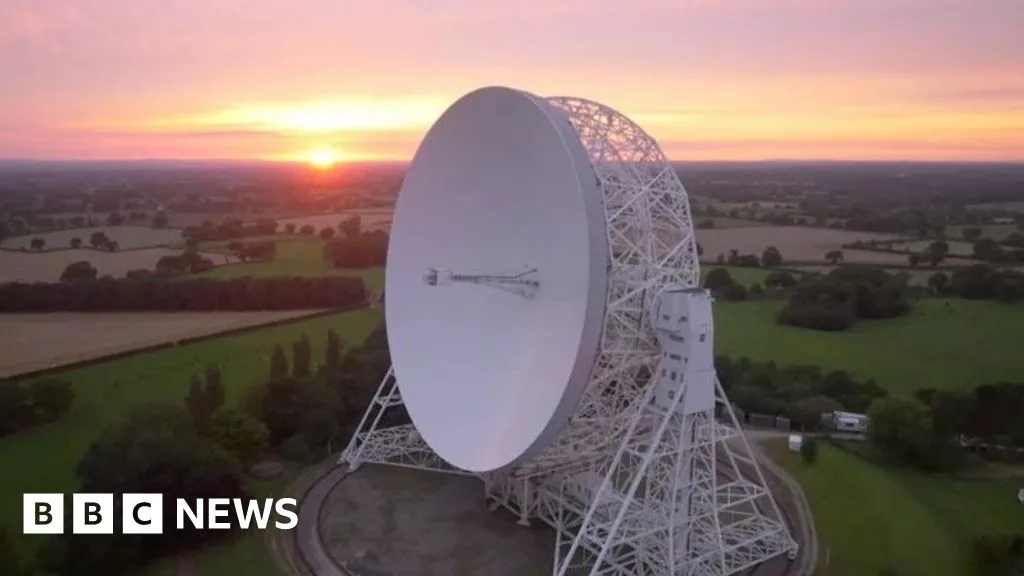
Future of UK's largest telescope to be 'explored'1 day agoJODRELL BANK/ MANCHESTER UNIVERSITYFuture funding for the site is currently uncertainThe government has said it is "exploring" long-term options for Jodrell Bank Observatory, home to the UK's largest telescope, after its future was put at risk. Business Secretary Jonathan Reynolds told the House of Commons on Thursday that the facility had a "secure future" and he had recently met staff at the University of Manchester, which runs the project, to explore potential solutions. But in September, Prime Minister Andy Burnham pledged he would find a way to save the telescope. The Lovell telescope, which has stood at the site near Knutsford since 1957, is the third largest of its kind in the world. With a diameter of 250ft (76.2m), the instrument is part of a network of telescopes called e-Merlin across the UK, which have been pivotal in the country's study of distant galaxies and training future astronomers.'Science-based decision'Addressing the Commons, Reynolds said: "The Prime Minister and I have been clear that Jodrell Bank has a secure future.

BBC·
Science

CERN and Mistral join forces to accelerate AI for science – Home - Home | CERN

CERN and Mistral sign a statement of intent to advance AI for science and strengthen Europe’s scientific and technological capabilities CERN, the European Laboratory for Particle Physics, and Mistral, a European developer of large-scale AI models, have signed a statement of intent to establish a long-term strategic partnership focused on developing foundation models for scientific discovery.

Home | CERN·
Science

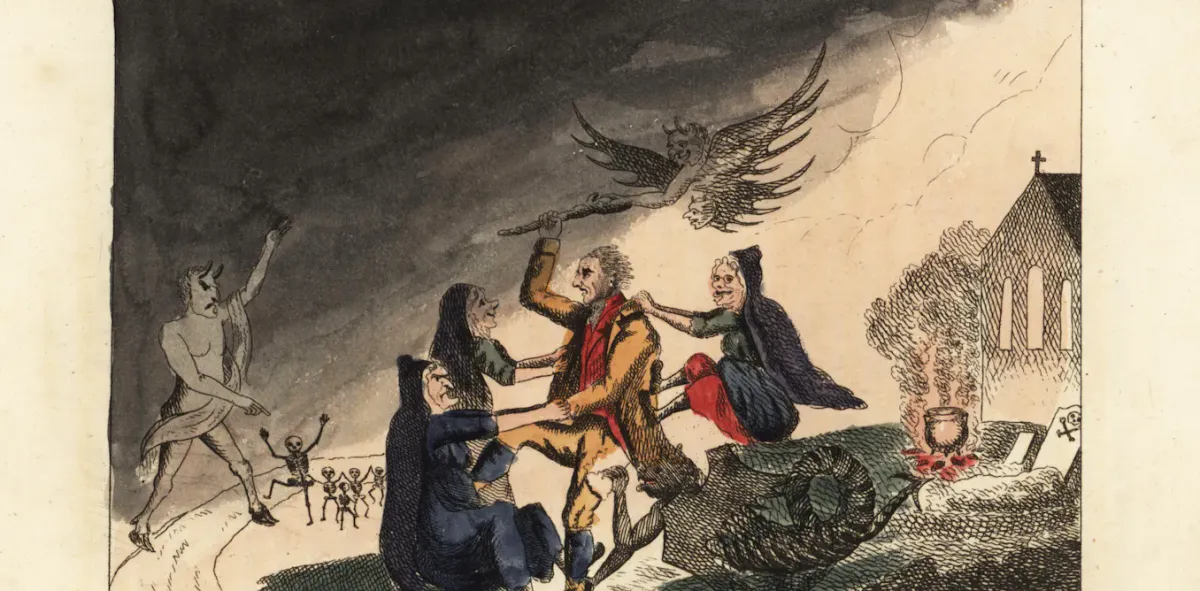
Americans who go to church and trust science are also more likely to believe in ghosts and curses, new research shows - The Conversation

Americans who trust science and reason more than their churches’ teachings, but still believe in God or attend services, are also more likely to believe in magic than those who prioritize religious teachings. This was the central finding of a study my co-authors and I published in the journal Social Forces in July 2026. We analyzed the latest wave of the Baylor Religion Survey, a nationally representative survey of 1,812 American adults that Gallup fielded in early 2025.

The Conversation·
Science

AI can be a great tool, but not if you're using it for this reason - Yahoo News Canada

I'm not going to lie; I use AI for many of my outdoor adventures. I've found it to be a great tool for planning my marathon training schedule and finding easy hikes for my toddlers. However, one thing I would never rely on it for is planning an actual mountain route, and here's why. Recently, a 16-year-old in British Columbia had to be helicopter-rescued from a vertical cliff face on Crown Mountain in North Vancouver. He used AI to help plan his route, which led him directly into a high-risk climbing section known as the "Widowmaker. "One common misconception about AI is that it understands terrain. It can't differentiate between a scenic walking path, an unmaintained gully, or a Class 4 rock scramble. Even worse, if you lose cell service, your chatbox becomes completely useless. AI can also make mistakes. For example, it went from labeling Panorama Ridge as a strenuous hike to calling it easy terrain when questioned (demonstrated in the video above). If you're heading outdoors, it's best to skip the chatbox and use dedicated mapping tools instead. Apps like Gaia and Trailforks provide real topographic maps and elevation profiles.

Yahoo News Canada·
Science

Turning up the heat on chickpea yield - Hortidaily

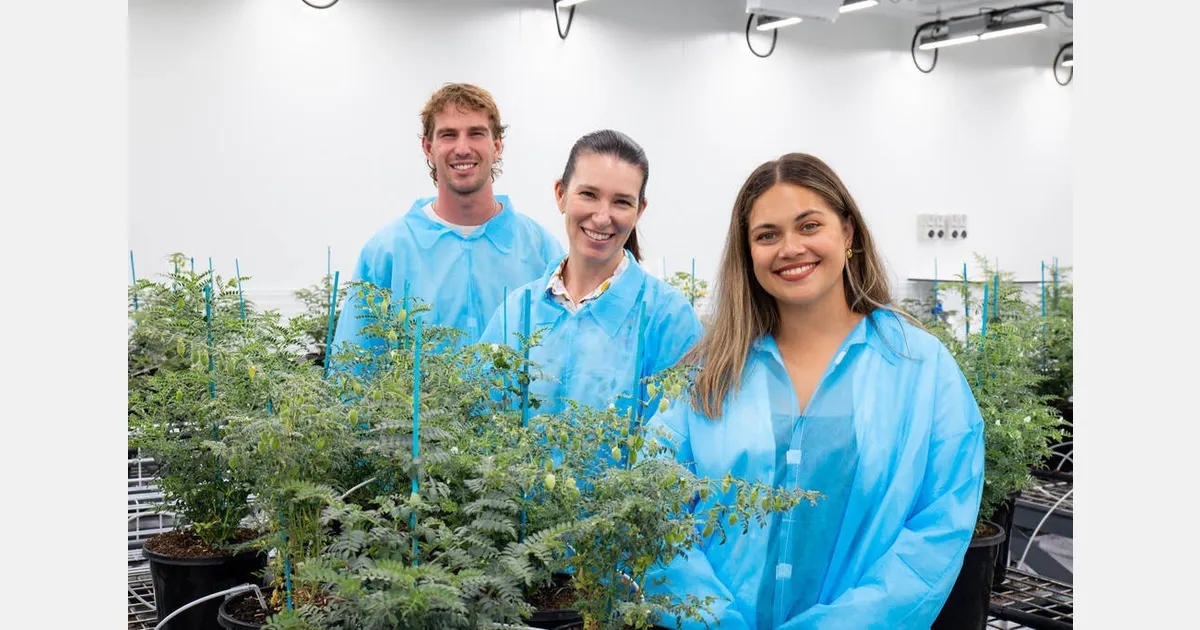
A University of Queensland study has outlined a practical pathway for accelerating the development of heat adapted chickpeas using data from new 'omic' technologies. "The narrow genetic diversity in the elite chickpea gene pool has limited conventional breeding's effectiveness for stress tolerance," Mr Jamie said. "These technologies have improved our capacity to dissect trait architecture and phenotype secondary traits but their use in chickpeas has been limited. " The technologies include genomics, epigenomics, transcriptomics, proteomics, metabolomics, phenomics and enviromics, and help provide a comprehensive picture of biological systems. © QAAFI PhD candidate Callum Jamie said the suite of technologies offered tremendous opportunities to understand how a complex trait like heat tolerance works. PhD Candidate Callum Jamie, Dr Millicent Smith and Dr Shanice Van Haeften at UQ's Plant Futures Facility. Image: QAAFI.

Hortidaily·