Science
AI firm Cohere to buy cybersecurity company Aisle - thecanadianpressnews.ca
TORONTO - Canadian artificial intelligence firm Cohere says it has signed a letter of intent to purchase a cybersecurity business.
thecanadianpressnews.ca·
Categories
6972 articles
TORONTO - Canadian artificial intelligence firm Cohere says it has signed a letter of intent to purchase a cybersecurity business.
AtlanticNova ScotiaNew BrunswickPrince Edward Island Newfoundland and LabradorCalgaryLethbridgeKitchenerGuelphNorthern OntarioSudburyNorth BaySault Ste. MarieTimminsOttawaKingstonBrockvillePembrokeReginaYorktonSaskatoonPrince AlbertTorontoWatchWeatherPeelHamiltonDurhamYorkHaltonNiagaraQueen's ParkToronto City HallIn PicturesVancouverVancouver IslandCanadaLocal SpotlightRoyal FamilyPoliticsNanosPower PlayQuestion PeriodFederal Election 2025WorldMideast ConflictRussia-Ukraine WarWatchLatestCaptured on CameraPoliticsLifestyleConsumerHealthExplainedEntertainmentTechnologyDeception DecodedAutosEnvironmentBusinessInflationReal EstateAutos
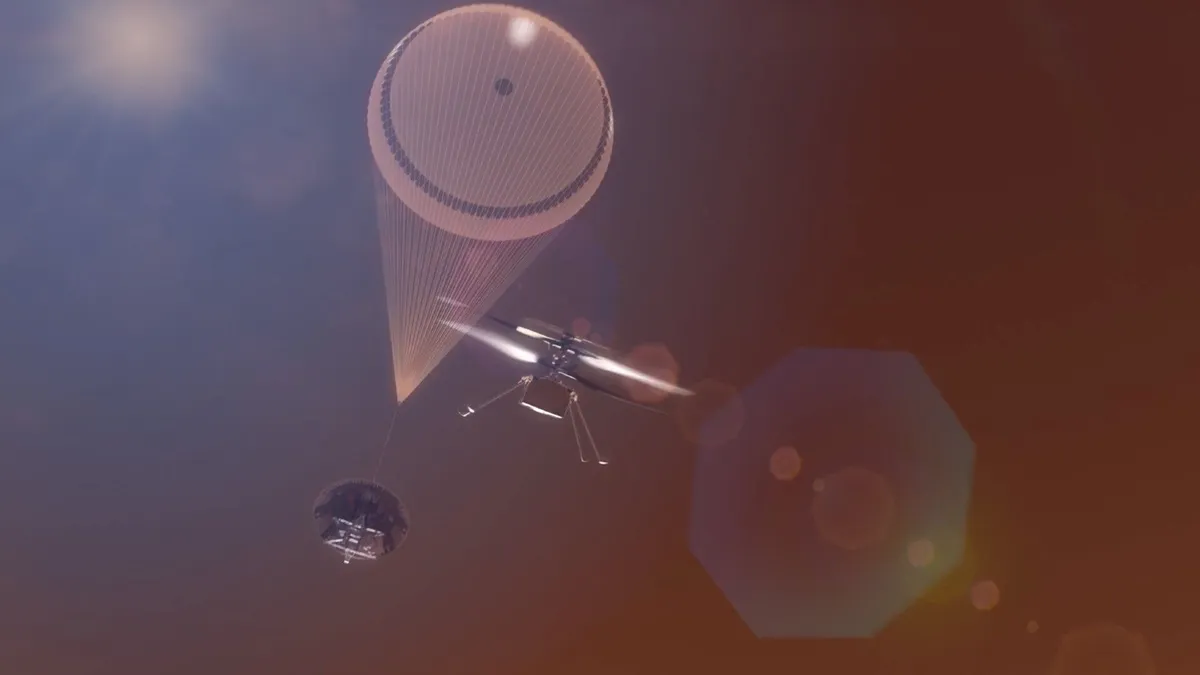
"Just like here on Earth, Mars helicopters can cover distance quickly and can go places that might be impossible to reach by ground."

Calgary’s TELUS Spark Science Centre is bringing Indigenous scientists, astronomers, researchers and knowledge keepers together for Indigenous Science Night: Stones, Stories & Stars. The evening of Oct. 16 will feature hands-on activities, telescope observations and community conversations that highlight Indigenous relationships to astronomy, mathematics and the natural world.
Skip to Content Home Filter by region Nova Scotia Halifax Local Sports Local Business Local Opinion Annapolis Valley Truro Tri-County New Glasgow South Shore Antigonish Cape Breton Prince Edward Island Summerside Newfoundland & Labrador News Canada Health World Opinion Editorial Cartoons Business Local Business Sports Local Sports Baseball Basketball Football Hockey Entertainment & Life Food Homes Savings Special Sections Lives Told Tails Told Shopping Essentials Deals Entertainment & Hobbies Gift Guide Home Living Kitchen & Dining Outdoor Living Personal Care Style & Beauty Tech Travel Guide PNI Atlantic Store ePaper Puzzmo Newsletters Travel Business Ads Obituaries Classifieds Jobs Advertising Advertising With Us Advertising Solutions Postmedia Ad Manager Sponsorship Requests Profile Settings My Subscriptions Newsletters Customer Service FAQ News Opinion Business Sports Entertainment & Life Special Sections Shopping Essentials ePaper Puzzmo Newsletters Travel Business Ads Obituaries Classifieds Jobs Summerside Fire Chief Ron Enman shows off one of several blitz nozzles, self-bracing, high-output hose nozzles used to fight the city's recent battery fire.
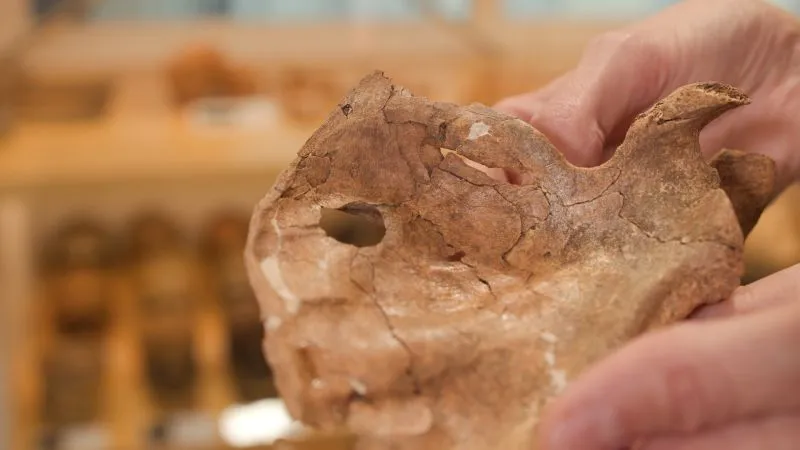
New fossil evidence from a Neanderthal burial site could be an early example of homicide among the species — but anthropologists say there’s more to the story.

Ultra-processed foods could damage your brain: studyOctober 15|Duration 2:00New Canadian research suggests that eating too many ultra-processed foods, such as soda, chips and processed meats, could damage your brain. Researchers urge Canadians to cut down on such products. Most people have food in their fridges and cupboards that they know aren't the healthiest choice. A box of chocolate chip cookies you grab for a bedtime snack. Instant noodles for when you can't be bothered to make dinner. Or that bag of ketchup chips you grabbed on a late night stroll home from the bar. But it's not just guilty pleasures. Nearly half of the calories Canadians consume — 45.7 per cent on average, according to Statistics Canada — comes in the form of ultra-processed foods (UPFs) and includes everything from breakfast cereals to frozen meals. Over the years, research has shown that UPFs can negatively impact everything from our weight to our cardiovascular health, and could even be linked to some types of cancer. What are the ultra-processed foods we eat and why does it matter to our health?
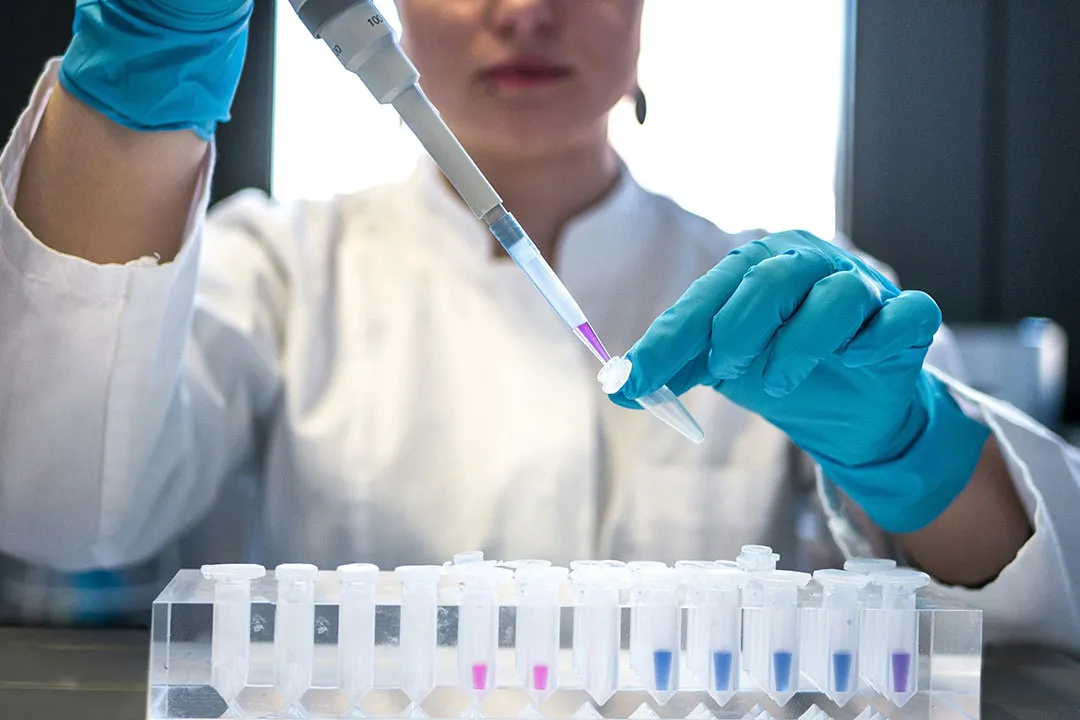
Loading share buttons... At a glanceGlobal trust in science falls below pre-pandemic levels, steepest among the poorAfrica, Western Asia saw decline in every wave since 2018Experts say people still value science but doubt its benefits reach themPoor access to healthcare, limited local influence over research priorities, and an unequal distribution of scientific benefits are undermining public confidence in science, experts warn, following the release of a global trust survey. The Wellcome Global Monitor 2026 surveyed more than 140,000 people in 140 countries in 2025 and found that trust in science had fallen below pre-pandemic levels. To track changes over time, researchers compared results from 108 countries surveyed in 2018, 2020 and 2025. The proportion of respondents expressing at least some trust in science fell from 77 per cent in 2018 to 72 per cent in 2025, after rising to 80 per cent during the COVID-19 pandemic in 2020. Over the same period, those reporting little or no trust in science rose from 13 per cent in both 2018 and 2020 to 19 per cent in 2025. Trust in scientists themselves also declined.
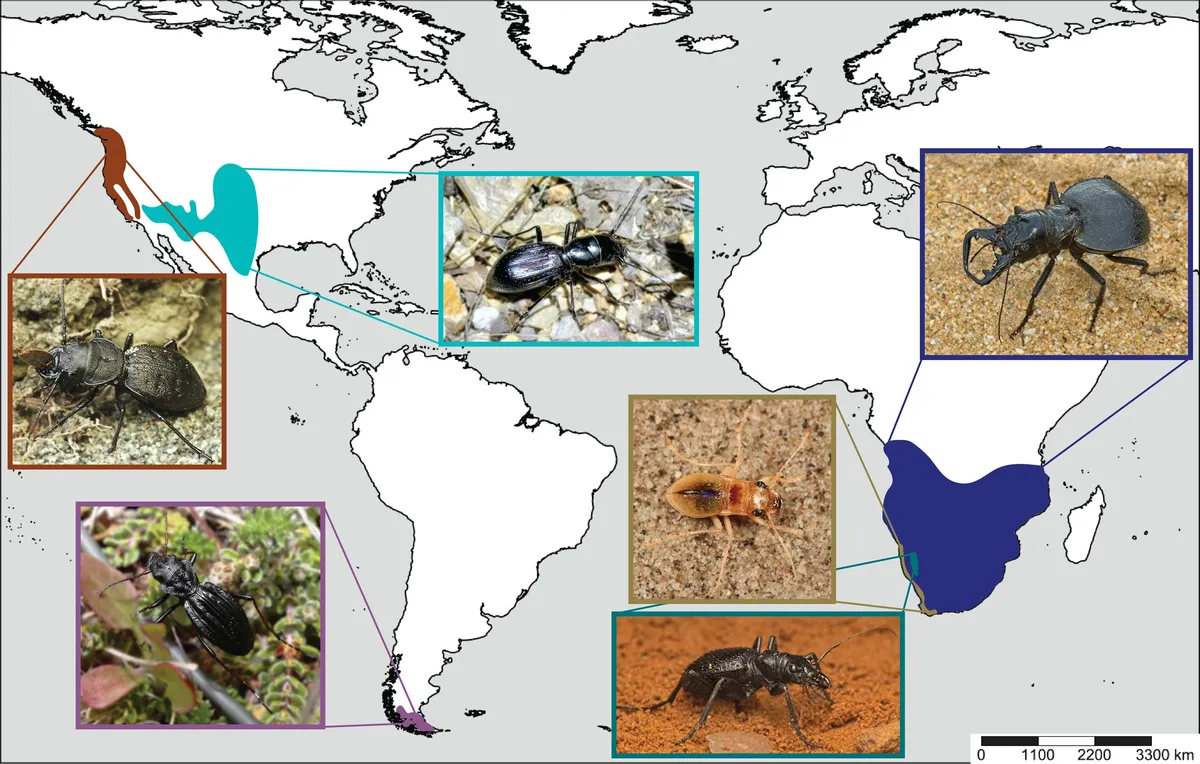
Global distribution and habitus of tiger beetle genera currently in the tribe Manticorini. From left to right and top to bottom, with color denoting range depiction: Omus, brown; Amblycheila, teal; Manticora, dark blue; Picnochile, purple; Platychile, beige; Mantica, dark green. Credit: (from left to right and top to bottom) Ming-Hsun Chou, Ted MacRae, Petr Mückstein, Michael Weymann, Ye Liu, Petr Mückstein. They can't fly or swim, so why do their closest relatives appear on different continents?
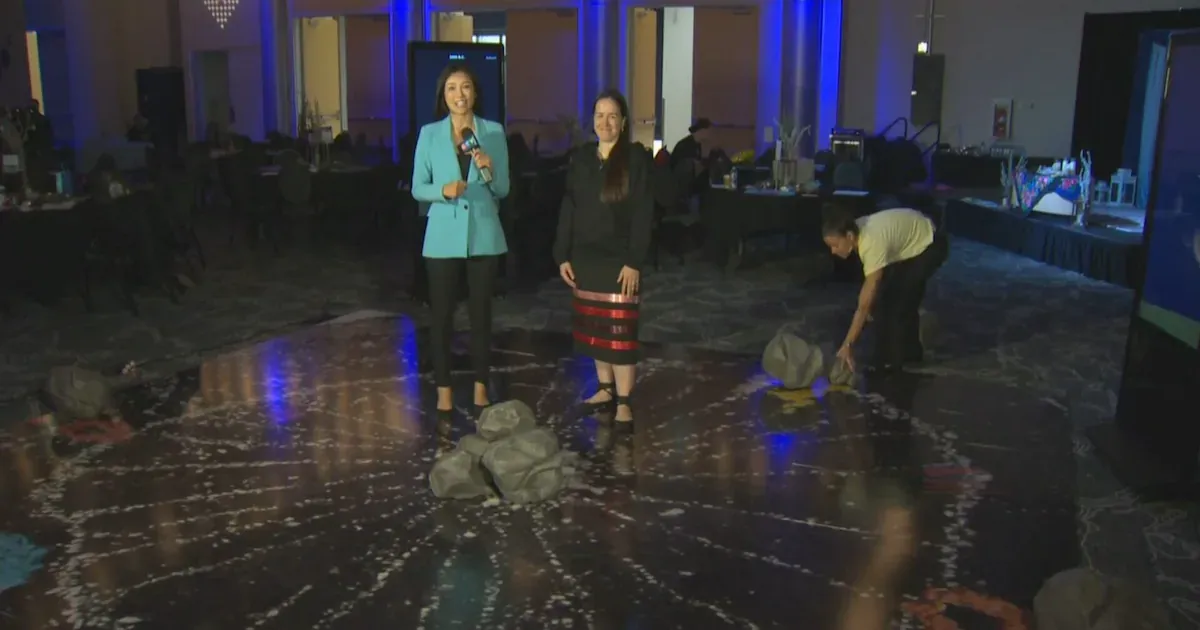
ADVERTISEMENTCalgary WatchSPONSORED: Learn about indigenous science through this unique experience at Telus Spark Science Centre. October 15, 2026 at 11:01a.m. EDT
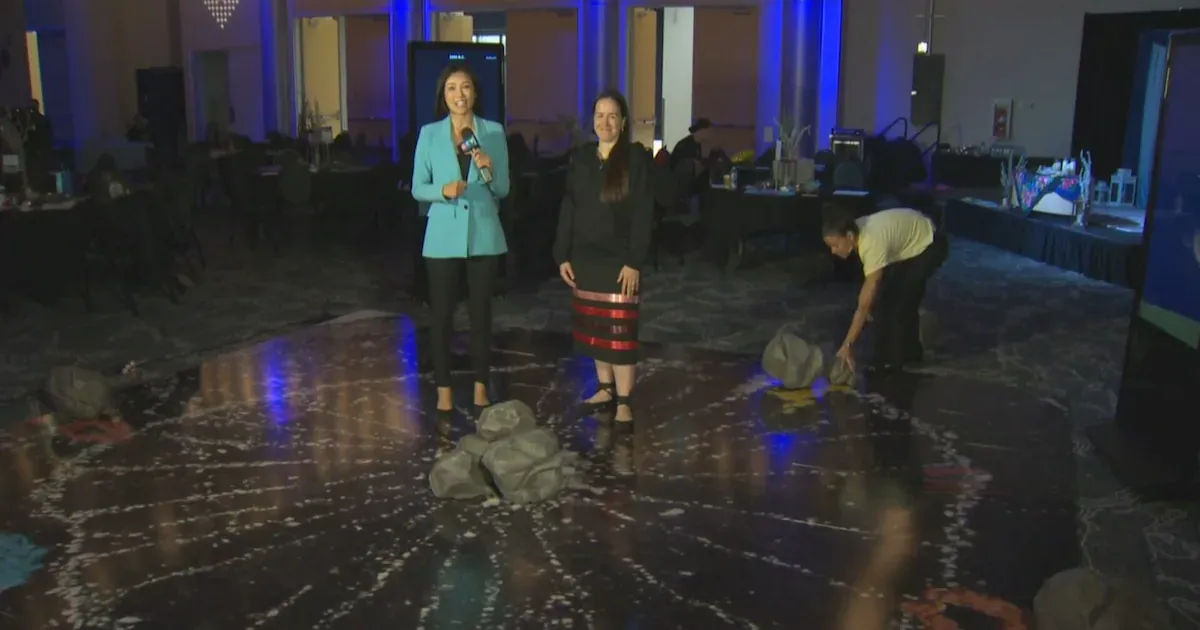
ADVERTISEMENTCalgary WatchSPONSORED: Learn about indigenous science through this unique experience at Telus Spark Science Centre. October 15, 2026 at 11:01a.m. EDT
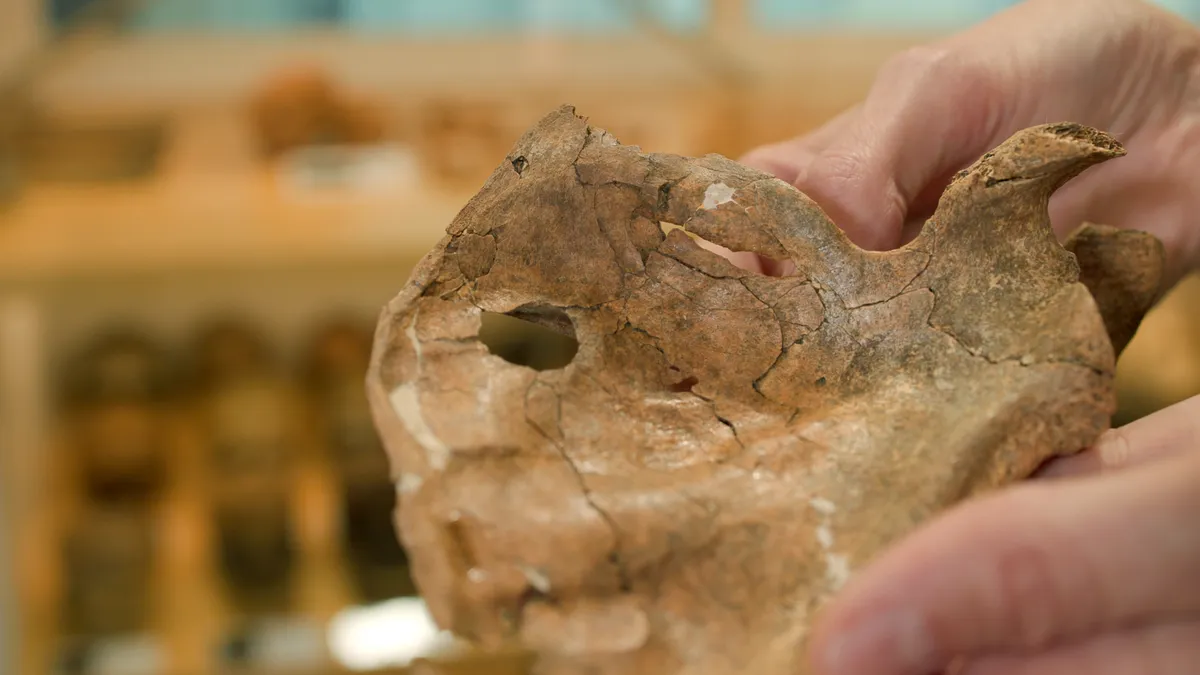
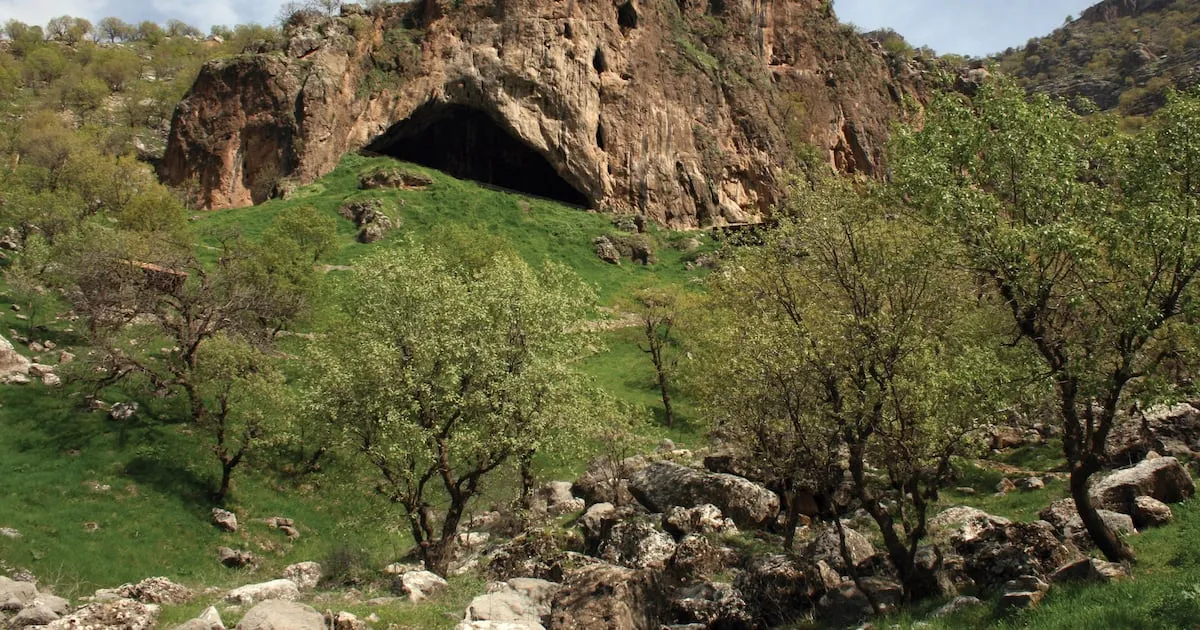
A rare discovery reveals that 75,000 years ago, a Neanderthal from Shanidar Cave in Iraq died a grisly death, likely from a wooden spear.