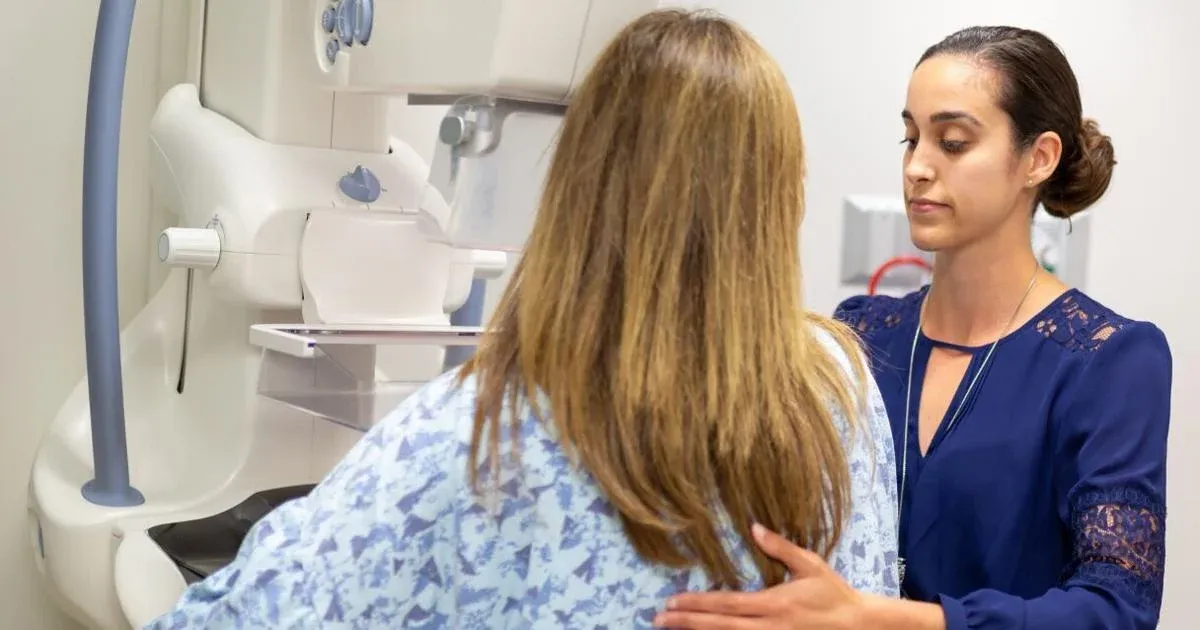
Winnipeg-born senator and surgeon Flordeliz Osler will join retired military health leader Senator Rebecca Patterson in Winnipeg for a discussion on how Canada's health system supports national security and crisis
New health centres are coming to Colville Lake, Jean Marie River, Kakisa, Nahanni Butte, Tsiigehtchic and Wekweètì. But that doesn’t mean service levels are significantly changing.
Last week, the GNWT and federal government renewed a healthcare funding agreement. As part of that announcement, the governments set out funding for “new Level A Health and Social Services Centres” in six NWT communities.
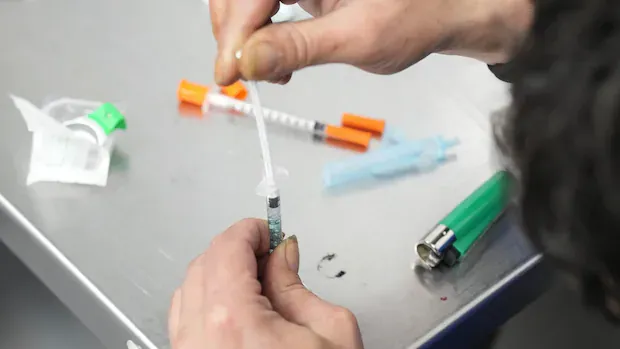
TorontoOntario's medical regulator has approved significant changes to the way doctors prescribe safer supply drugs, in an effort to reduce the amount of opioids making their way to the streets. Move is an effort to reduce amount of opioids making their way to the streets: regulatorLiam Casey · The Canadian Press · Posted: Oct 13, 2026 2:49 PM EDT | Last Updated: October 14Listen to this articleEstimated 4 minutesThe audio version of this article is generated by AI-based technology. Mispronunciations can occur. We are working with our partners to continually review and improve the results. The College of Physicians and Surgeons of Ontario's board of directors will soon implement several changes to the practice of prescribing safer supply, which are medications given to people at high risk of overdose as an alternative to illicit opioids. (Chris Young/The Canadian Press)Ontario's medical regulator approved significant changes Tuesday to the way doctors prescribe safer supply drugs, in an effort to reduce the amount of opioids making their way to the streets.
Skip to Content Subscribe FAQ My Account News Toronto & GTA Ontario Canada World Crime True Crime Weird Money Technology Tech Essentials Gaming Gadgets Weather Podcasts Opinion Editorials Columnists Editorial Cartoons Letters Send Letter to the Editor Sports Hockey PWHL Toronto Maple Leafs NHL Soccer Toronto FC MLS Baseball Toronto Blue Jays MLB Basketball Toronto Raptors NBA WNBA Football Toronto Argonauts CFL NFL Golf Other Sports Olympics Curling Tennis Horse Racing Wrestling Entertainment Celebrity Movies Music Television TV Listings Life Eat Fashion & Beauty Relationships Advice Sex Files Health Healthing Diet & Fitness Homes Travel Travel International Travel USA Travel Canada Ontario Travel Travel Essentials Contests Lives Told Tails Told Shopping Savings Toronto Sun Store Driving Vehicle Research Reviews News Gear Guide Obituaries Place an Obituary Place an In Memoriam Advertising Advertising With Us Advertising Solutions Postmedia Ad Manager Sponsorship Requests Classifieds Place an Ad Business Card Directory Celebrations Working Business Ads This Week's Flyers ePaper SUNShine Girls Become a Sunshine Girl Puzzmo Diversions Comics Puzzles Horoscopes Newsletters Manage Print
Since 2018, Ipsos has been tracking perceptions of the quality of healthcare systems, the biggest health issues and the biggest public health problems.
Key Research Findings:Download the report belowMental health remains the biggest health problem and is growing as a concernOn average across 32 countries one in two (48%) see mental health as one of the biggest health problems in their country ahead of cancer (40%), stress (32%) and obesity (25%). Mental health has topped our list of worries since 2023 and despite many already seeing it as a problem 19 out of the 28 countries surveyed this year and last are more likely to see it as major issue in 2026. Quality of care perceptions vary sharply around the world Malaysia tops our quality of care perceptions index with a score of 72%. While Hungary records the lowest score (28%). The quality of care perceptions index looks at people’s satisfaction with their country’s healthcare system, trust in the system, ability to access a doctor and a pharmacy, and whether the system treats all people equally.
New polling shows leading concerns include reducing specialist wait times, strengthening the health care workforce, and improving access to primary and emergency care. With British Columbians heading to the polls on October 24, new polling commissioned by Doctors of BC, BC Family Doctors, and Consultant Specialists of BC shows that health care is the most important issue facing people across the province, reinforcing the need for parties to clearly outline their health care commitments during the provincial election campaign. The Leger360 poll found 28% of British Columbians identified health care as either the most (15%) or second-most (13%) important issue facing BC, ahead of housing and affordability (26%) and the economy (23%).
NorthNunavut officials say the territory’s goal of eliminating tuberculosis by 2030 is still within reach, despite more cases this year than last.‘TB elimination by 2030 it is an ambitious goal, but it is also within our reach’CBC News · Posted: Oct 13, 2026 2:14 PM EDT | Last Updated: October 13Listen to this articleEstimated 8 minutesThe audio version of this article is generated by AI-based technology. Mispronunciations can occur. We are working with our partners to continually review and improve the results. Examining Nunavut's continuing fight against tuberculosisOctober 9|Duration 2:29Tuberculosis has played a huge role in the history of Nunavut. The disease has caused deaths, relocations and a lot of suffering. Though progress has been made to eradicate it, it's far from gone in the territory. Arty Sarkisian reports. Nunavut officials say the territory’s goal of eliminating tuberculosis by 2030 is still within reach, despite more cases this year than last. In an update in early October, the territory’s Department of Health reported 32 active cases of TB in the first three quarters of 2026 across seven communities.
Nunavut officials say the territory's goal of eliminating tuberculosis by 2030 is still within reach, despite more cases this year than last. In an update in early October, the territory's Department of Health reported 32 active cases of TB in the first three quarters of 2026 across seven communities. That's higher than the 26 cases the territory reported last year but Nunavut's chief public health officer, Ekua Agyemang, said the disease is still trending downward with 36 cases in 2024 and 67 in 2023. Agyemang said there have been no tuberculosis-related deaths in recent years. She said that Iqaluit, Kinngait, Kugaaruk and Sanirajak now have TB clinics, in addition to teams on the ground in Arviat and Naujaat to help contain outbreaks in those communities. As Agyemang says in an interview with CBC News reporter Arty Sarkisian, a rise in TB numbers this year is partly because of more resources to detect cases and support recovery. This interview has been edited for length and clarity. You've said TB numbers are trending down, so why are the numbers slightly higher this year? There are several reasons.
Parents of children with mental health problems may experience stigma when the ideals that matter most to being considered a “good parent” are perceived as not being met, according to preliminary research led by Weill Cornell Medicine, Columbia University Vagelos College of Physicians and Surgeons and NewYork-Presbyterian investigators. Discussions with a group of these parents are helping inform new approaches to supporting parents and restoring more positive feelings about parenting skills when faced with a child’s mental health struggles. The study, published online on Oct. 6 as a special article in Psychiatric Services, identified qualities that may contribute to parents feeling more secure and respectable in raising their child, including emotional support, open communication, boundaries, and role modeling. The researchers suggest that supporting parents in fulfilling these qualities can help parents feel less self-blame and stigmatization for their child’s mental health problems. Dr. Tim Becker"To support children, we also need to support parents,” said the study’s first author Dr.
From Kazakhstan’s steppe and mountain landscapes to Turkmenistan's deserts, protected and conserved areas play an important role in the region’s One Health response. A series of national trainings across Central Asian countries is helping conservation practitioners recognise potential wildlife disease risks, protect themselves in the field, and connect their observations with wider veterinary, public health and scientific systems.
One Health and biosafety training in Turkmenistan
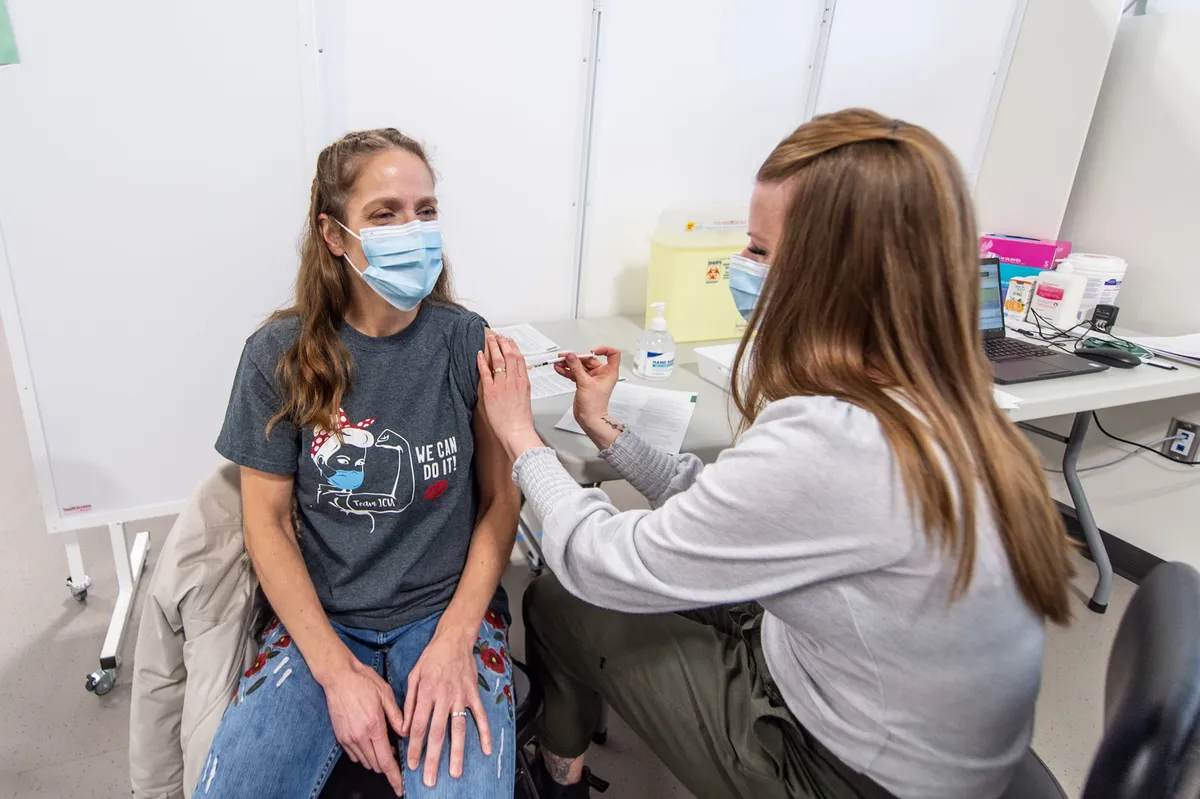
Saskatchewan residents can now book appointments for their annual influenza and COVID-19 vaccinations, with participating pharmacies across west-central Saskatchewan offering immunization services for the fall respiratory illness season.
Appointments opened Oct. 6, with both vaccines available free of charge to residents aged six months and older.
Visitors register at the World Health Summit in Berlin under the banner “From Crisis to Resilience,” with over 4,000 visitors expected in person.
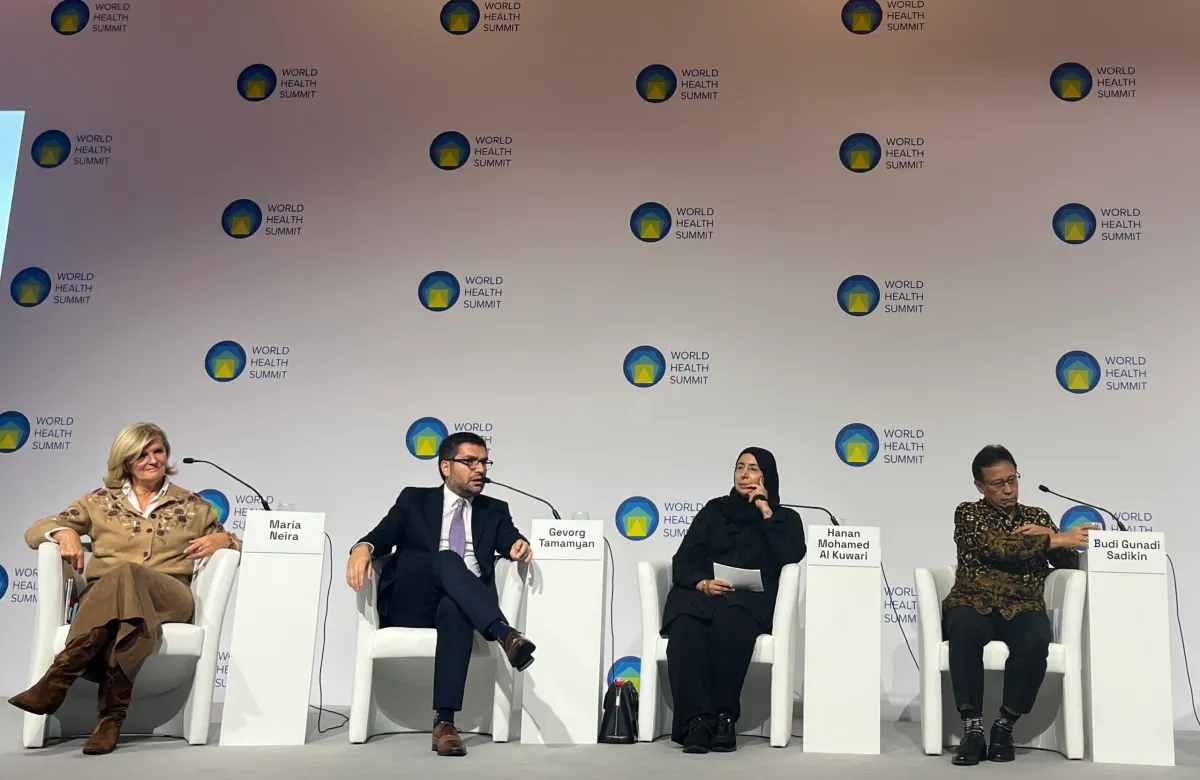
BERLIN – The WHO Director-General election process ignited its first public candidate conversation on Sunday (11 October) at the 2026 World Health Summit in Berlin, as four of the race’s seven declared contenders tackled the thorny question of how to make global health institutions more responsive and fit for purpose.
More than 60 health, wellness, and social programs were showcased during the Saddle Lake Health Centre's annual health and harvest fair on Oct. 1.
SADDLE LAKE – In celebration of the end of summer and the start of autumn, the Saddle Lake Health Centre hosted its annual Health and Harvest Fair on Oct. 1.
New Century Nail Club in Markham was charged last week during inspections by York Region Public Health inspectors.
A nail salon in Markham was charged with public health violations by York Region Public Health inspectors last week.
Film and panel highlight need for communication and collaboration in interprofessional care.
Over 360 health care and social work students attended a screening of the film Falling Through the Cracks: Greg’s Story on Oct. 5. The moving 30-minute film was made in 2017 and follows the true story of Greg Price, an Alberta man who died at the age of 32 from an undiagnosed blood clot as a complication from testicular cancer. The Price family has held screenings at UM annually in the fall term for the past few years, either with panel discussions or students discussing the film in breakout groups. Hosted by the Office of Interprofessional Collaboration at the Rady Faculty of Health Sciences, the film was screened at the Frederic Gaspard Theatre on Bannatyne campus, as well as online for nursing students at Fort Garry campus and at the University College of the North (UCN) in The Pas and Thompson. In total, 134 medical students attended, along with 124 nursing students (UM and UCN), 61 pharmacy students, 40 respiratory therapy students and 10 students from the Faculty of Social Work.