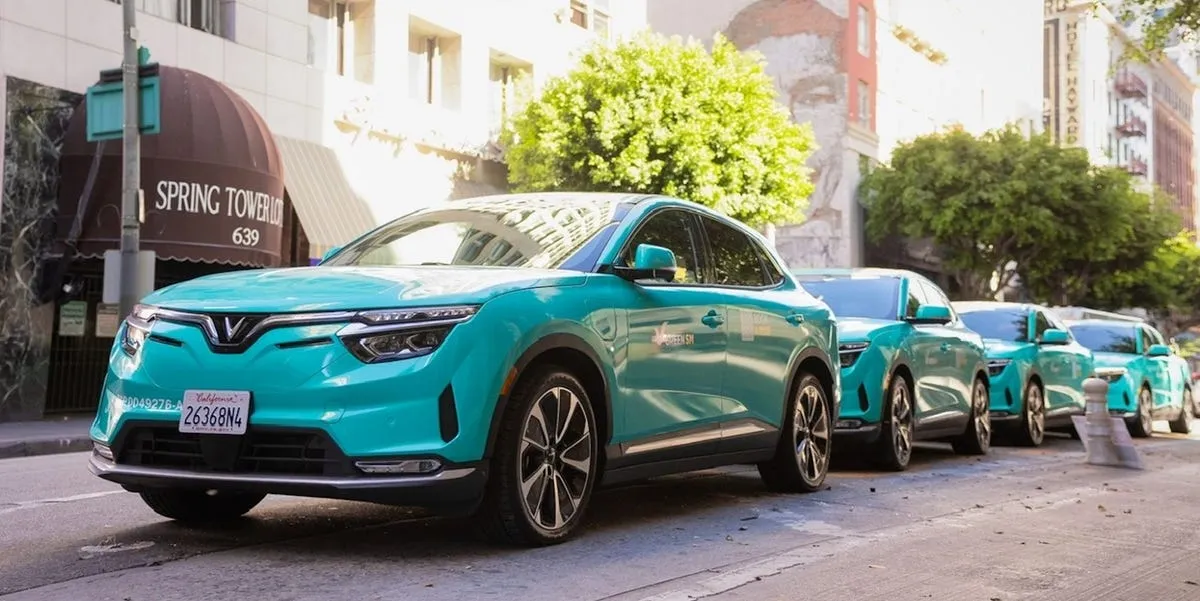
Green SM, a ride-hailing service based in Vietnam, launched a fleet of 500 VinFast VF8 EVs in Los Angeles earlier this week.
Unlike other popular ride services such as Uber and Lyft, Green SM owns its own fleet and hires and trains full-time drivers.
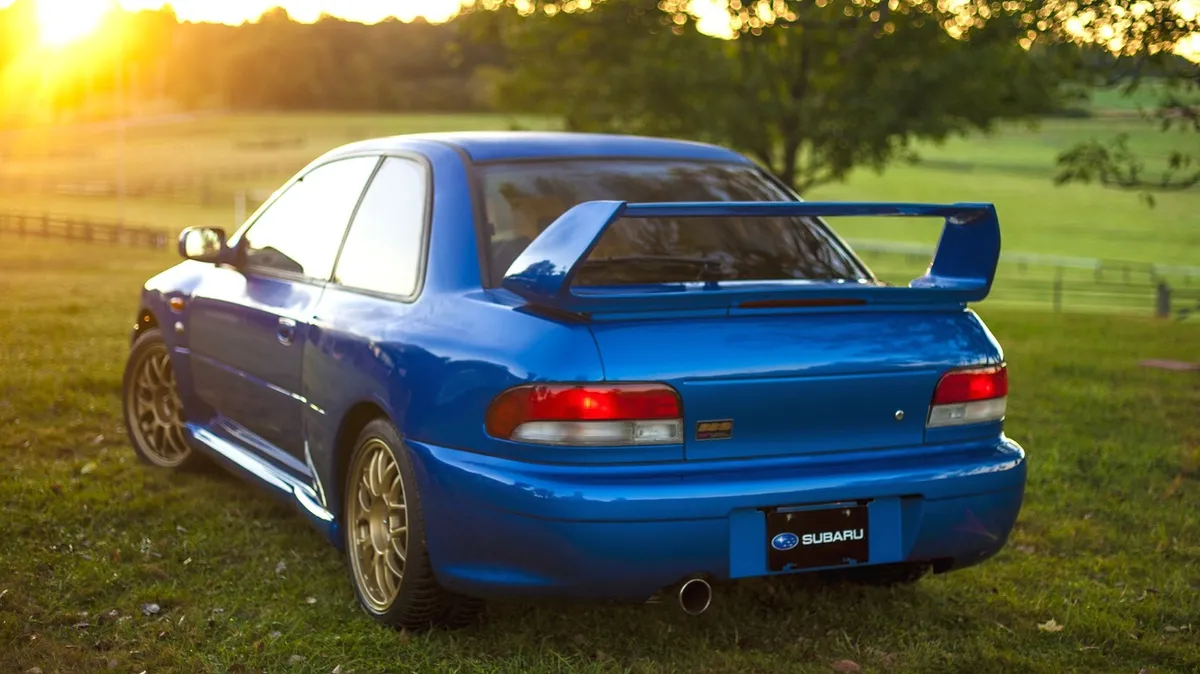
Few things evoke '90s nostalgia in a gearhead as much as a Japanese performance car. Call it a biased enthusiast view, but really, the roster of icons that Japan churned out during this decade was just absurd: the MkIV Toyota Supra, Nissan Skyline GT-R, Honda NSX, and Mazda RX-7. And that's before we mention the all-wheel-drive (AWD) rally homologation specials, front-wheel-drive hot hatches, mid-engine fun machines, and other iconic rear-wheel-drive sports cars.
The fact is, those four heavy hitters still hog the spotlight today. Yes, for people who lived in the 1990s, they don't just evoke nostalgia; it's like they never left the 1990s. But instead of allowing these four cars to steal all the thunder, for this piece, we're focusing on all the other Japanese performance cars that remain undisputed '90s royalty even if they don't dominate the algorithms today. Cars that showcased Japanese factory engineering and won over fans worldwide — even those who only experienced them via a dual-shock controller in "Gran Turismo. " We are talking legends like the Toyota Celica GT-Four, Nissan Silvia S14, and Mitsubishi Lancer Evo V. Feeling nostalgic yet? We're just getting warmed up.
Parts sharing between cars is common, and automakers do that to save money on development costs of various components. For example, within the Volkswagen Group, you'll find that the Lamborghini Urus, the Porsche Cayenne, the Bentley Bentayga, and the Audi RSQ8 all share different versions of the same 4-liter twin-turbo V8.
In this case, it is the engine — in other cases, it can be the transmission or the platform itself. Spreading a single component across several models lets a company recoup its engineering budget over far more units, so the practice makes financial sense, even for brands sitting at very different price points.
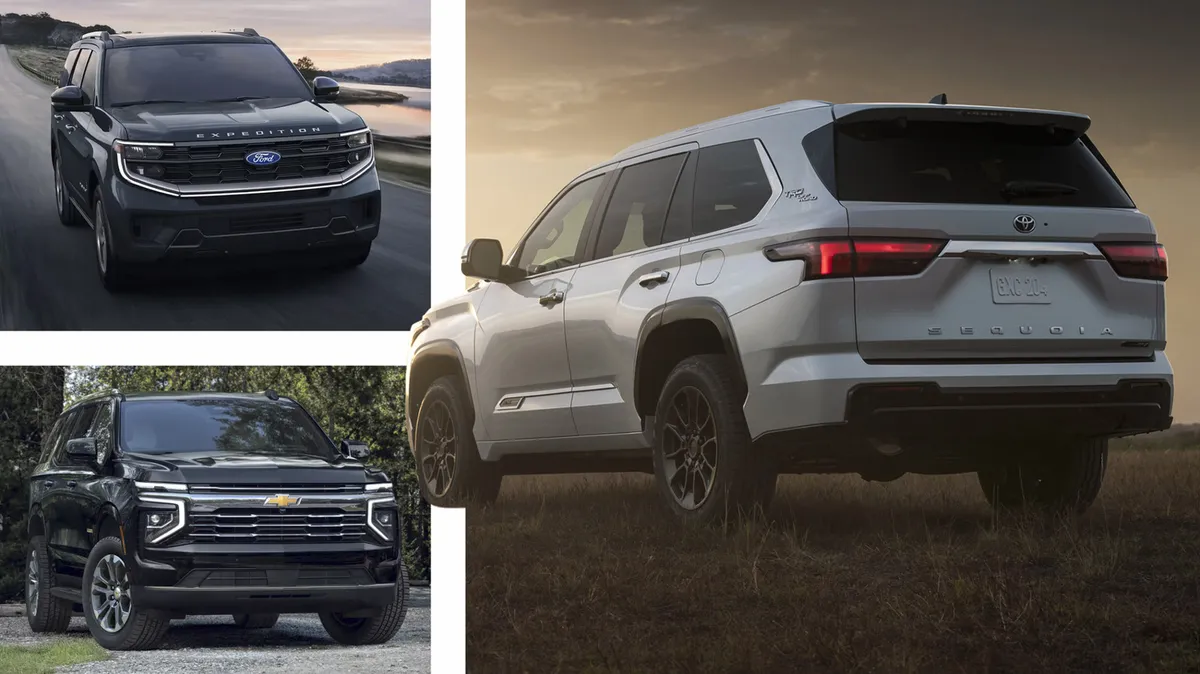
Hauling a family and towing a trailer are easy tasks with these rigs
When buyers are shopping for full-size body-on-frame SUVs, towing capability and passenger space are often amongst the most important selling points. All the SUV contestants offer big numbers, but some of them go even further, sometimes with the help of optional packages, raising the towing stakes. And with domestic heavyweights pushing performance boundaries, how does Toyota's flagship three-row monster stack up when hitching a heavy load?
Many Boomers can't stop talking about the muscle car era of their youth, but honestly, who can blame them. Americans were spoiled for choice as manufacturers stuffed increasingly large V8s into their cars and painted the results in retina-searing bright colors. Mopar was no exception. It put its 440-cubic-inch V8 in everything from Barracudas with billboard stripes proudly declaring how many cubic inches lived in the engine bay to Coronets with massive hood scoops.
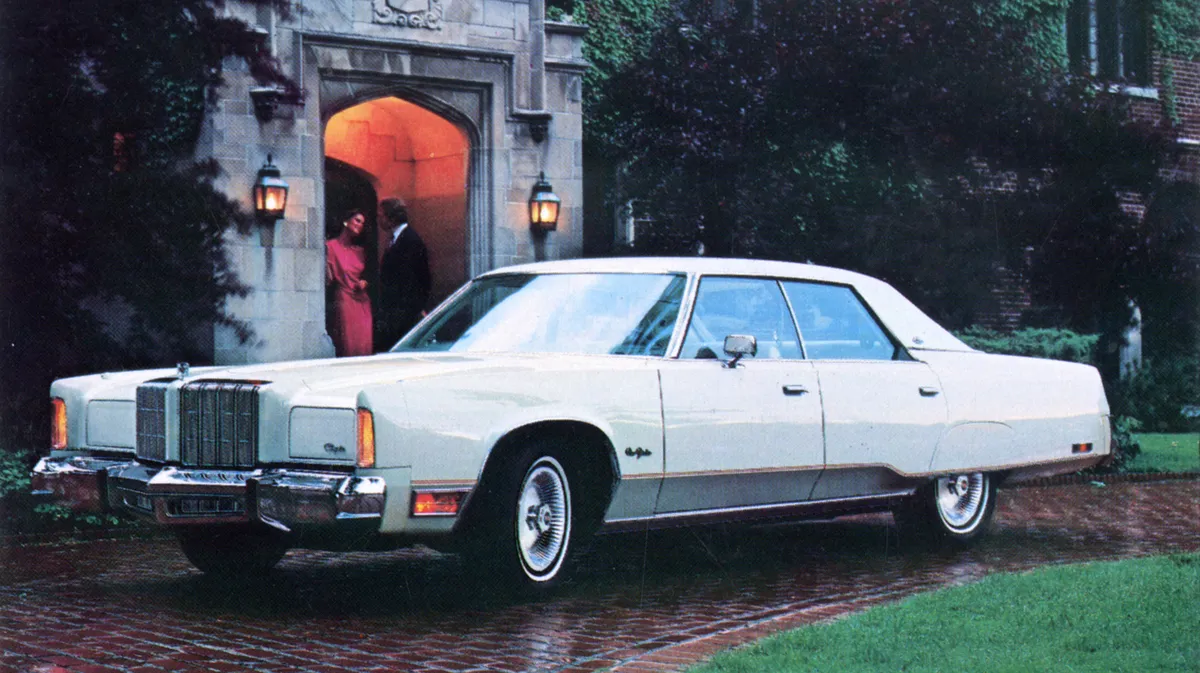
But good things don't last, and the excesses of the muscle car era were tamped down in the early 1970s by a trifecta of emission regulations, oil shortages, and rising insurance costs for performance cars. Unlike the 426-cubic-inch Hemis, though, which only ran from 1966 to 1971, the 440 soldiered on through the malaise era. By the time 1978 rolled around, the only Mopar cars available with the 440 were the full-size Chrysler Newport and the similar, but longer and more opulent, New Yorker Brougham. In '78, Trucks like the Plymouth Trail Duster and the Dodge D150 could still be equipped with a 440. And after 1978, the 440 Mopar was no more.
Some things were just made to go together: hats and scarves, tomato and mozzarella, black holes and ... well, just about anything that wanders too close. Arnold Schwarzenegger and the Hummer are another, and for car enthusiasts, it's perhaps the most important pairing of the lot.
You see, back in the late 1970s, the U. S. Military wanted to replace its aging fleet of Jeeps with an all-new vehicle — something brawnier and more capable. That vehicle would come to be known as the High-Mobility Multi-Purpose Wheeled Vehicle (abbreviated as HMMWV, and eventually stylized as Humvee), built and supplied by defense contractor AM General. Its career since has probably made it the most American vehicle there is.
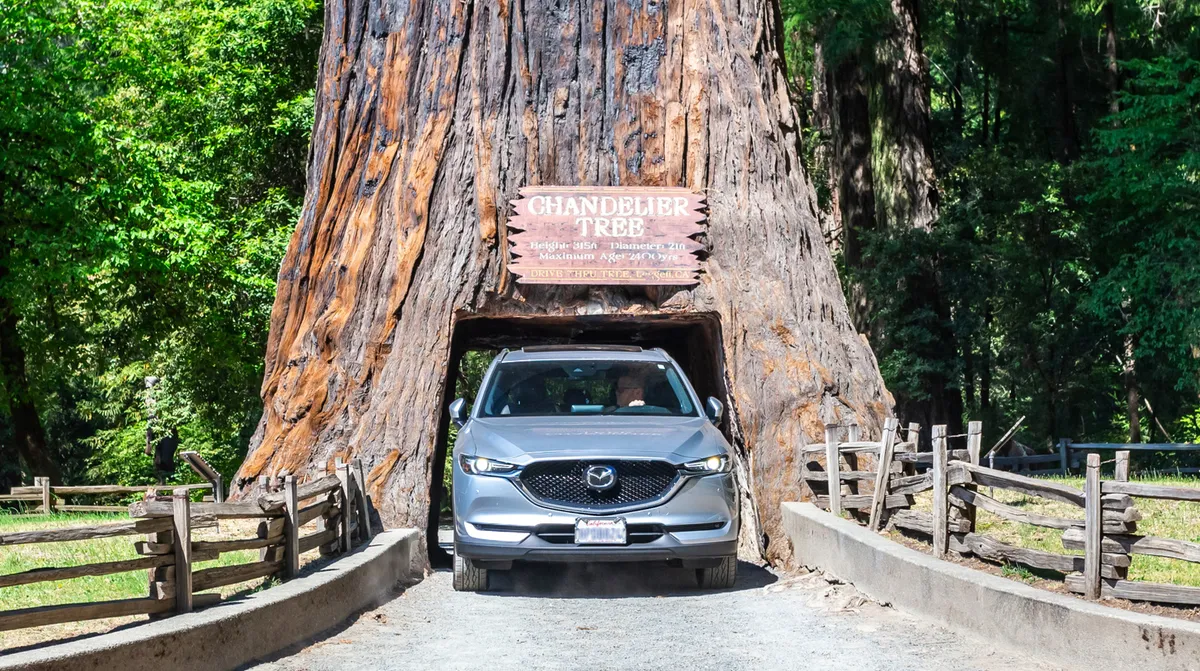
Humanity has always had a fascination with conquering nature. We're blessed with the know-how, physical ability, and opposable thumbs to do some truly tremendous stuff. Like transporting oneself through the center of a massive California Redwood, whether by horse-drawn cart or automobile. Even if the population of this monumental icon isn't nearly as vast as it was pre-logging industry, it's possible to still drive through a California Redwood. Such an activity kicked off as a major tourism draw for folks scoping out California and the greater West many years ago, well before the first cross-country American road trip. Back then, it was quite a spectacle to not only find sturdy Sequoias and Redwoods — which are both members of the Cypress family –but also, well, transport oneself through them.
In 1878, the first tunnel tree was created in the Tuolumne Grove to draw folks into the Sierra Range, capitalizing on people's interest in Yosemite and every other bit of California's mountainous splendor. A hole was carved in a big ol' Sequoia, now known as Dead Giant. It got this name because it was a 200-foot-tall snag, but it closed in 1993.
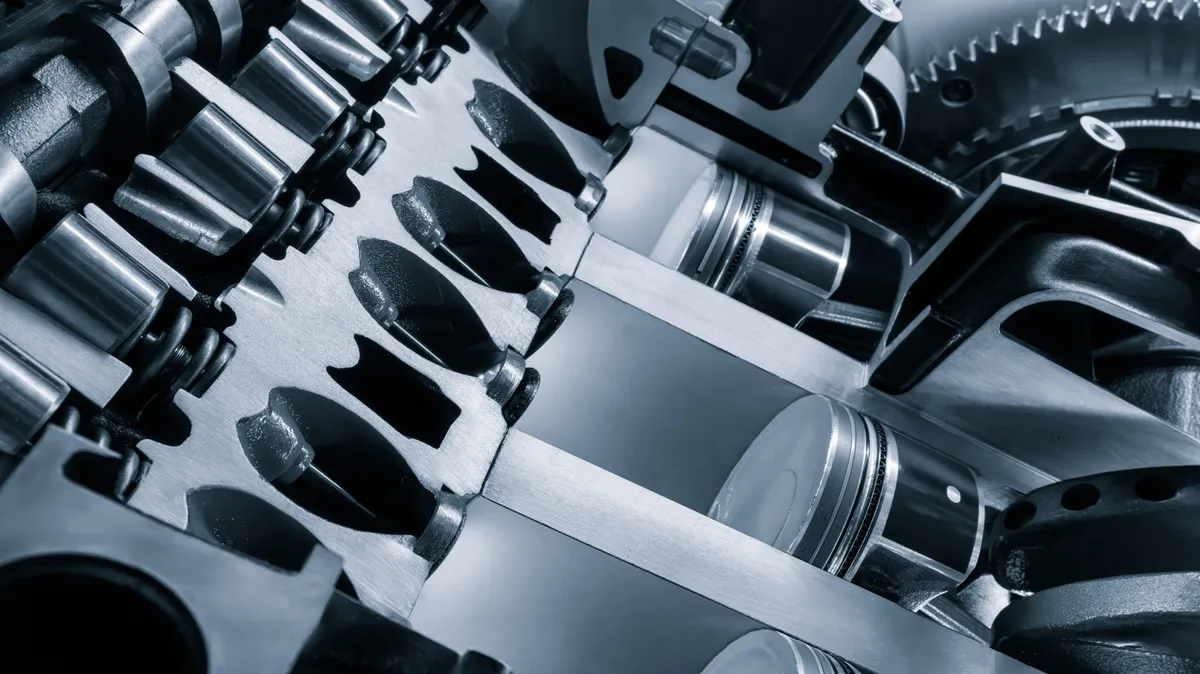
Many automakers have opted to add an electric motor (or two) and a high-voltage battery pack to form a hybrid power train to make an internal-combustion engine more fuel-efficient, but you can go the route of cylinder deactivation. As the name suggests, cylinder deactivation temporarily shuts down some cylinders when the engine does not need its full power output, which helps with fuel efficiency and thereby reduces carbon-dioxide emissions.
You'll usually find cylinder deactivation tech in larger engines, such as Chevrolet's 5.3-liter EcoTec V8, although some four-cylinder engines also use it — Volkswagen's 1.5-liter TSI Evo 2 and Mazda's 2.5-liter Skyactiv-G come to mind. But while the idea of shutting down cylinders to save on fuel and cut emissions sounds great on paper, things aren't so cut-and-dry in real life. Cylinder deactivation adds mechanical and electronic complexity to an engine. Depending on the design, a cylinder deactivation system may rely on oil-pressure-controlled valve lifters and specialized valve mechanisms to switch cylinders on and off.
Artificial intelligence has already thoroughly infected the auto industry, whether we're talking about automakers that want to charge you more with AI, companies that directly advertise to an AI audience, or the Dutch relying on AI to ticket cars. Rideshare companies have gotten in on the action as well, and it's not just Uber trying to turn its driver's cars into AI-training data gatherers.
Along with its rival Lyft, Uber also has turned to AI to help set pricing — and we'll turn to a recent Consumer Reports study to help find out how it works. Just keep in mind that CR editors and the rideshare reps have vastly different ideas about both what the findings mean and CR's methodology. For example, CR had its volunteers check on pricing for the same routes at basically the same time – "generally within six minutes of one another and, in many cases, within the same minute. " Nonetheless, the overall median difference in the study between the highest prices quoted and the lowest for the same journey at the same time was 42.4%. Uber's response was that it set fees based on market conditions during the exact moment the company is contacted.
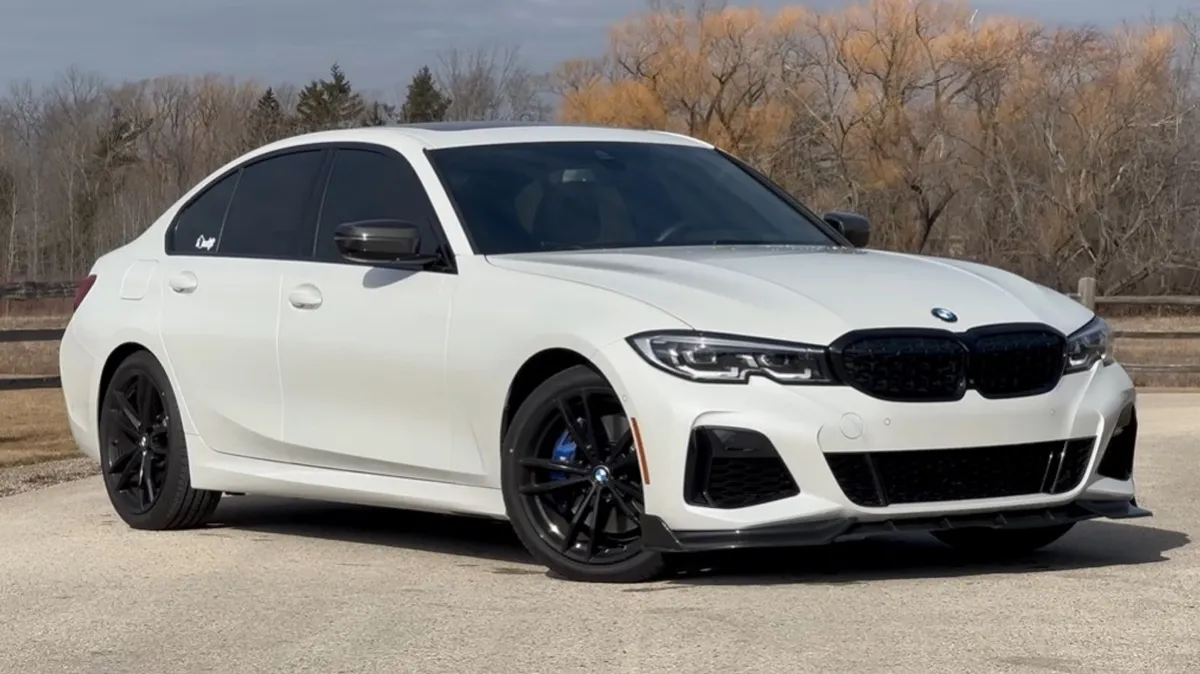
If you're sold on the idea of a wild, exhilarating Bavarian compact sports sedan but feel you can't cope with daily driving a BMW M3, the tamer, M340i-badged BMWs might appeal. Being upper-trim-level models themselves, these "M3 Lite" models offer similar top-level comfort, handling, and punchy performance without sacrificing efficiency, practicality, or features that make the daily grind more manageable. At the heart of these models is one of the very best inline-6 engines around, the venerable B58 turbocharged mill that has also been used in cars like the A90 Toyota GR Supra and Ineos Grenadier. The energetic engine develops 382 horsepower and 369 lb-ft of torque, which Car and Driver says allows these rear-wheel-drive compact sports sedans to crack 0-60 mph in 3.8 seconds.
Behind such an abundance of performance, however, is a car that still suffers from depreciation, even if not quite substantial. Rear-wheel-drive examples of the 2021 BMW 340i originally sold for $55,695 before extras, but you can now find used models from $35,000, according to Kelley Blue Book (KBB) data, which captures used car prices across dealerships.
The V8 cruiser in your rearview mirror is becoming quite a rare sight these days. Police departments across America have largely moved on from big, thirsty eight-cylinders, and the reasons come down to three things: the cars are gone, the fuel bills make little sense, and the smaller engines that replaced them are actually really good.
Start with the cars. The Ford Crown Victoria Police Interceptor, the 4.6-liter V8 sedan that defined American policing for decades, went out of production after 2011. Production of its Taurus-based successor, the Police Interceptor Sedan, ended in 2019. Dodge's Charger Pursuit, the last big rear-drive V8 sedan in patrol work, went away along with the gas-powered Charger in 2023.
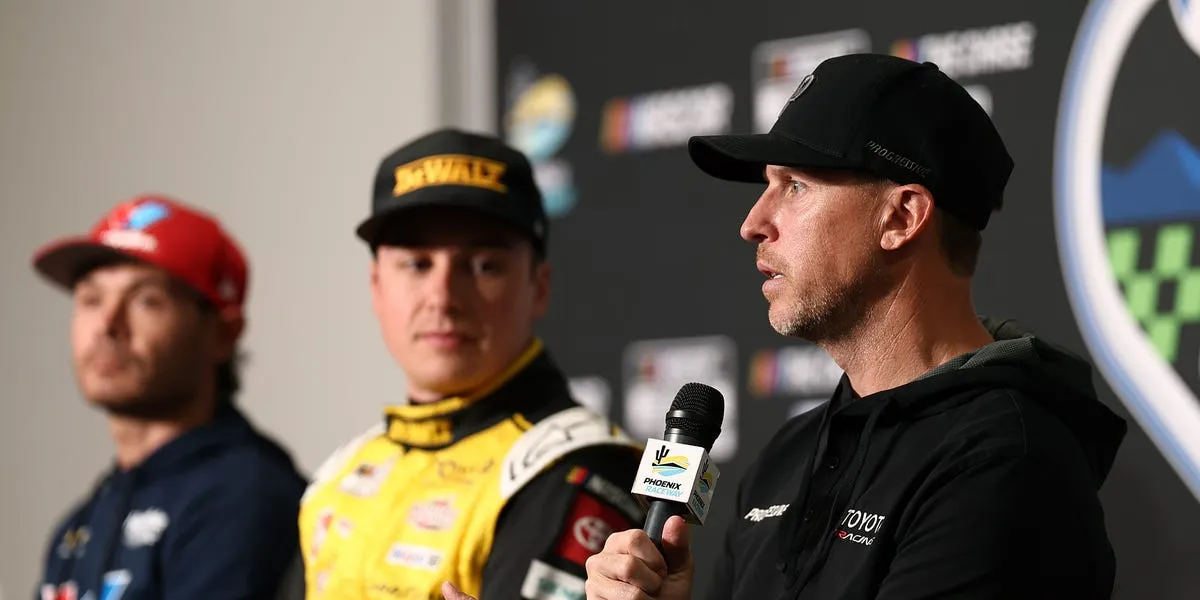
Kyle Larson, Denny Hamlin and Christopher Bell sit on top of the NASCAR Cup Series standings with four races to go in NASCAR’s return to The Chase. Larson is defending his 2025 championship, looking to close out one era of playoff racing and start another on top, while Hamlin and Bell chase their first title, albeit one for a bit longer than the other. All three are happy with how the new system has worked, with Hamlin saying that if anyone from the top six wins the Championship, their success will be hard to dispute. Larson enters Phoenix with a 49-point lead over Hamlin and a 51-point lead over Bell. With a maximum of 76 points on the line in every race, it’s still technically anyone’s game with 304 points possible through the four remaining rounds. The problem for the playoff field is the only driver to pull off a perfect race so far, is the guy their chasing. Ryan Preece sits at the bottom of the 16-driver playoff field with 2140 points to Larson’s 2367. Only 227 points seperate the entire playoff field; extreme bad luck at the top and extremely good results at the bottom still have the chance to throw the Championship into mayhem.
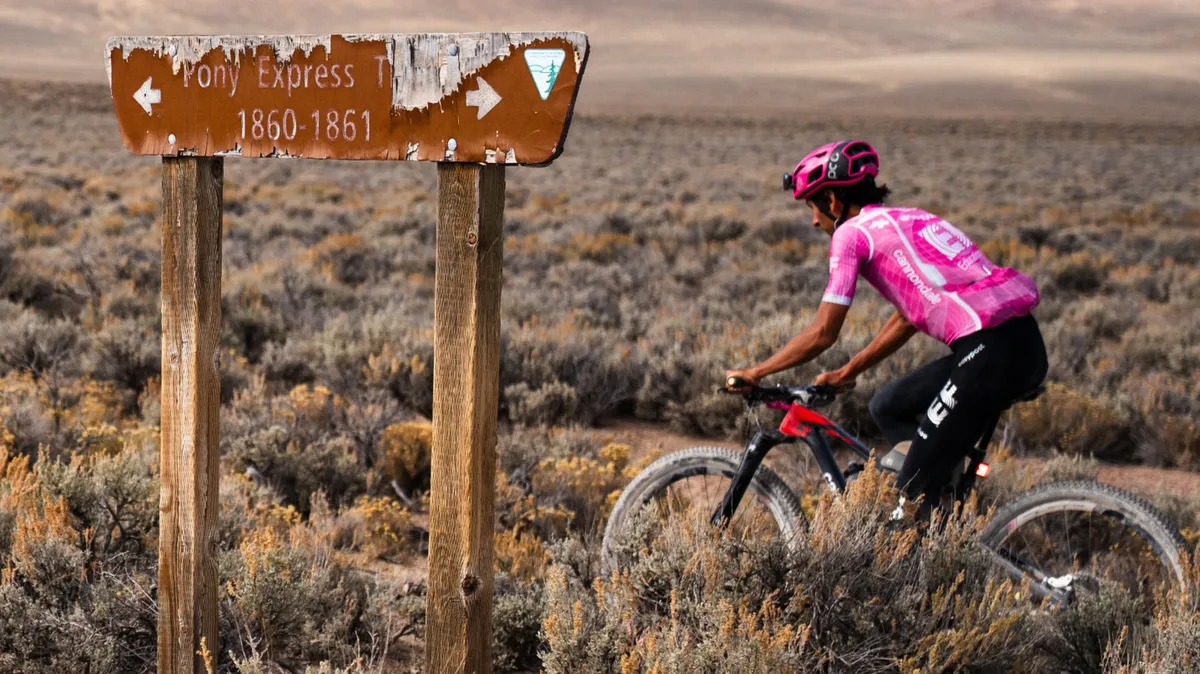
The world is often said to be smaller than ever due to the Internet, but the country hasn't gotten any smaller physically. Australian pro cyclist Lachlan Morton rode the route of the Pony Express last week in 6 days, 21 hours and 15 minutes. His run bested the 1861 record set by the riders that relayed Abraham Lincoln's inaugural address to California by 19 hours and 45 minutes. The 1,966-mile odyssey was Morton's farewell from EF Education-EasyPost, the only American team on the UCI World Tour
For those of you who fell asleep in U. S. history class, the Pony Express was a mail service that carried letters between St. Joseph, Missouri and Sacramento, California in ten days or less by horseback. When the service was founded in 1860, St. Joseph was the westernmost point in the country accessible by rail. Anyone who wanted to cross the Missouri River and go further west overland had to do so on foot, on horseback or via stagecoach.
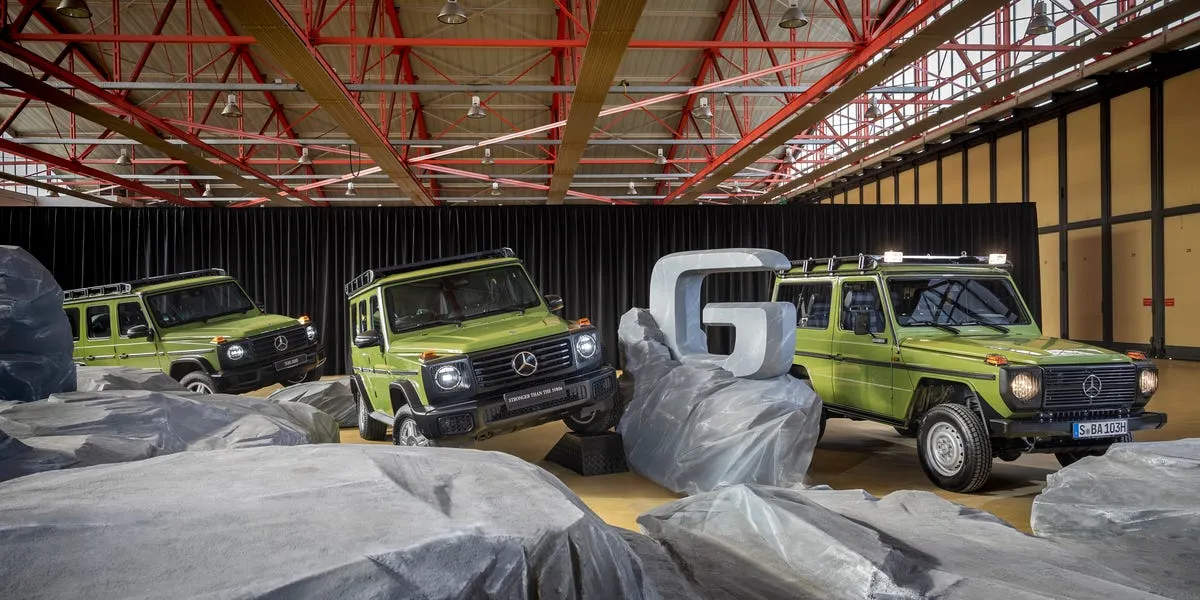
Mercedes is already looking at what comes next for the full-size G-Class. The brief, according to the man overseeing the model, is to bring it into the future while keeping it recognizably a G. That sounds straightforward enough, and the brand is learning from its recent C63 experiences to determine what customers view as essential. Speaking at a media roundtable attended by Road & Track on Saturday, Mercedes-AMG CEO Stefan Weckbach, who also oversees the G-Class and Maybach businesses, outlined his approach to the off-roader. “For the G-Class, we need to make sure that it's going to be transferred to the future, but not losing its soul,’ Weckbach said. “And this is a big challenge. We’re working currently on the next-generation, and we will make sure that it stays a G-Class.”It’s unclear how far out the next-generation G might be. The direction, though, is clear: Whatever changes, the Geländewagen’s identity remains central to the brief. Mercedes-Benz CEO Ola Källenius described a similar balance across the wider brand.
We may receive a commission on purchases made from links.
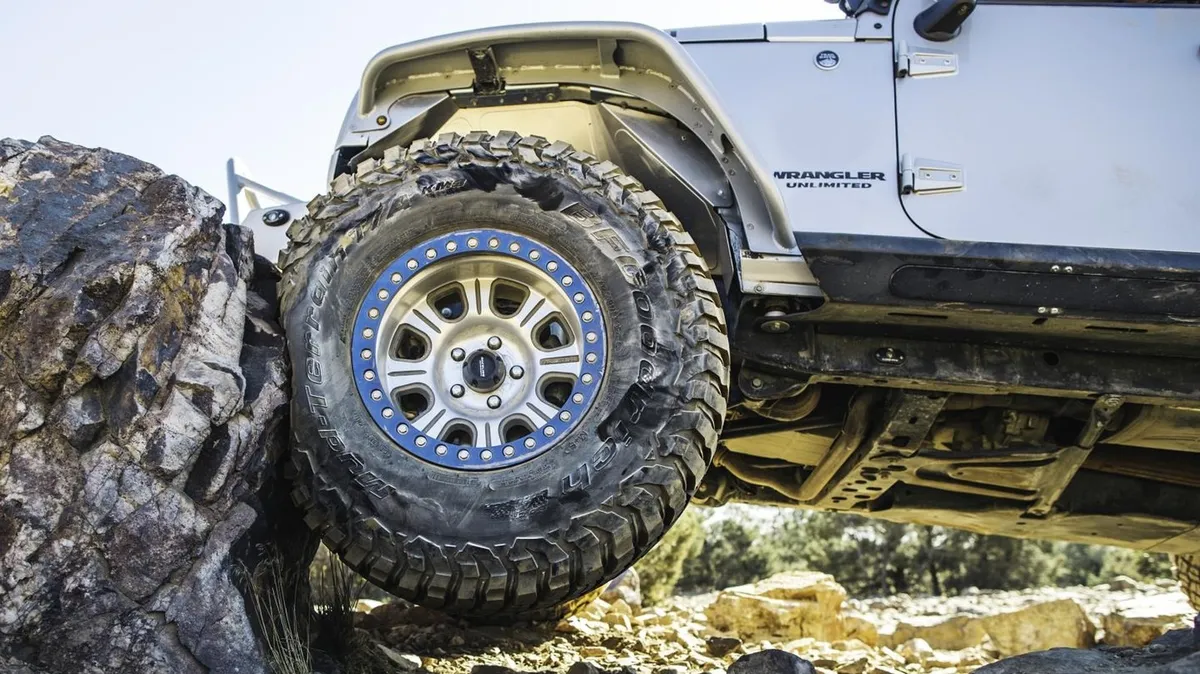
High ground clearance, four-wheel-drive systems with locking differentials, long-travel suspension, and LED lights that could cause sunburn are all cool and totally necessary in off-road vehicles. Still, the single most important upgrade you can make to your SUV or truck for traversing challenging terrain is replacing the original road tires with a set of all-terrain or off-road tires. These have deeper grooves and larger tread blocks for higher traction on all sorts of surfaces, including gravel, dirt, and mud, and they can transform your truck/SUV into an off-road beast. Naturally, off-road — more frequently known as all- or mud-terrain — tires are more aggressive and tend to sacrifice on-road comfort and grip to give you the ultimate off-road traction.
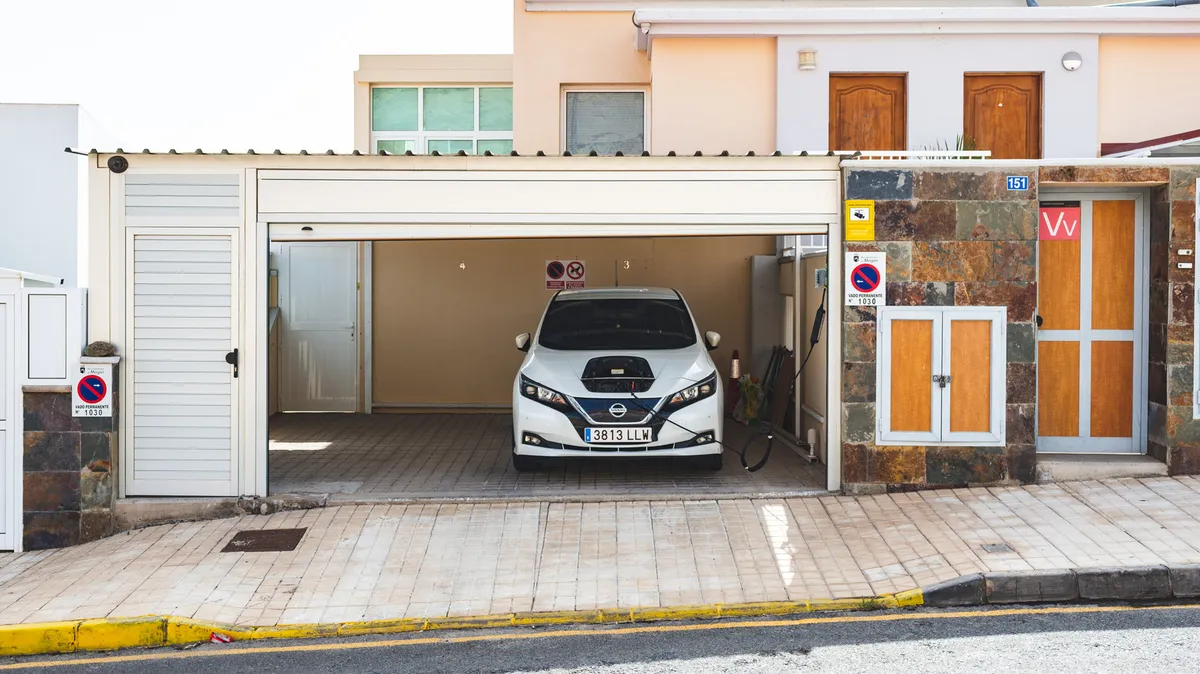
Plug-in battery electric vehicles and hybrids have really only been viable as daily-driven mainstream automobiles for about 16 years, since the Nissan Leaf and Chevrolet Volt first launched. The technology has rapidly advanced in the time since those early models, and a BEV today is arguably a better driving experience than its gasoline or diesel competitors, with many plug-in hybrids potentially offering the best driving experience in any given segment. With the price of a gallon of gasoline exploding in 2026, the people already riding the EV hype train are saving almost as much money on their commutes as someone who rides on a real train.
EV sales were gaining ground in the U. S. market for several years until President Donald Trump killed federal incentives and rebates. Every year it becomes easier to drive an EV every day in the United States, and yet adoption rates have flatlined, even in the face of extremely expensive fuel and massive cost-of-living inflation. Under 10% of U. S. consumers are purchasing EVs, compared to around 60% of Chinese consumers, and Europe hit 23.2% in the first three quarters of this year.
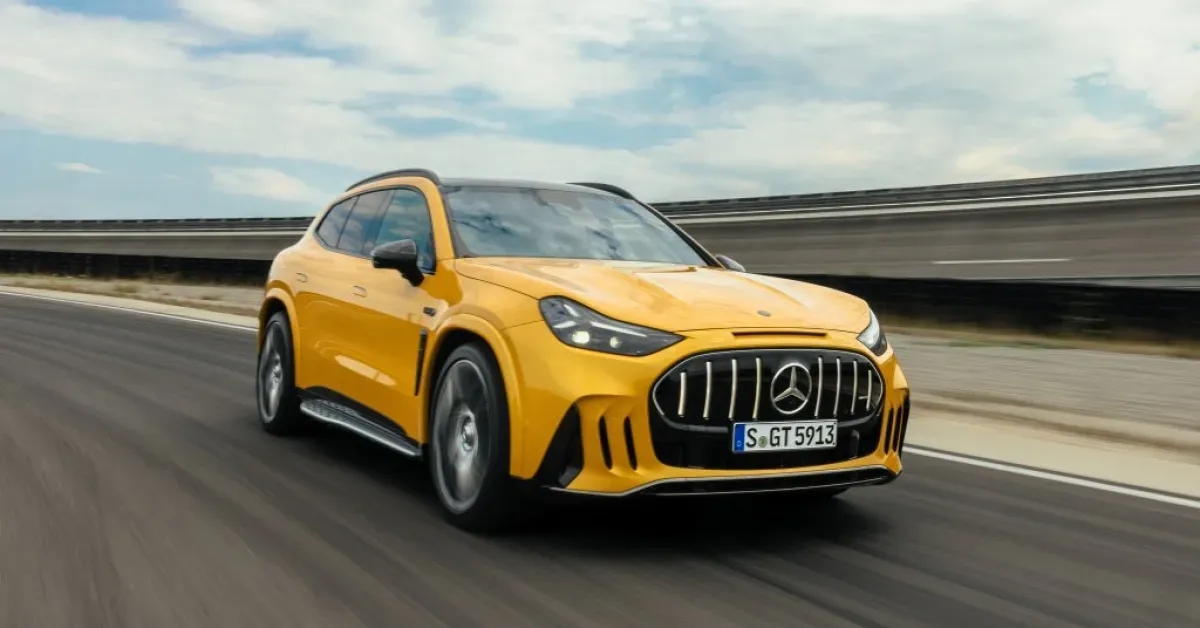
Mercedes-AMG has unveiled the GT SUV, an all-electric performance SUV with up to 1,153 hp from three axial-flux motors and DC fast charging at up to 710 kW.
It’s AMG’s answer to the Porsche Cayenne Electric, and on paper, it may be more impressive. The first units hit US dealerships in summer 2027.
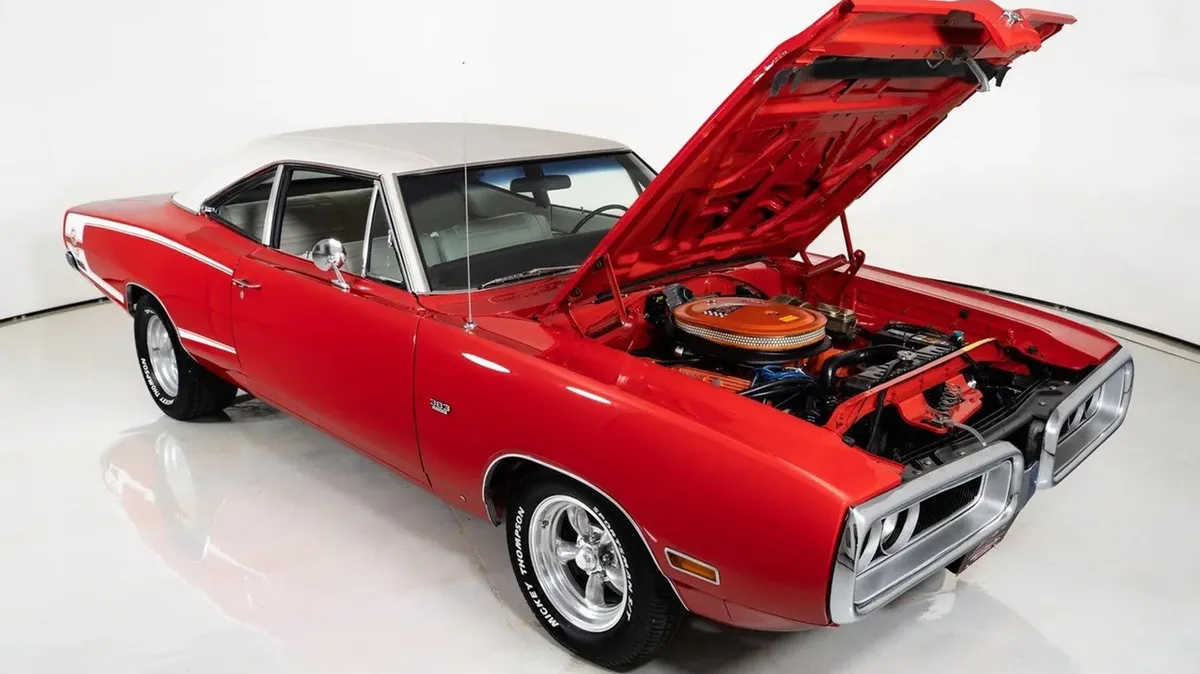
Who doesn't love a muscle-bound Mopar? Something that would look right at home on a drag strip, the Las Vegas strip, or a "Fast and the Furious" film. Well, here is your chance to own just such a car. A 1970 Dodge Coronet is already a sought-after bit of B-body muscle car magic. Add the Super Bee special sauce into the mix, and things get pricier. This 1970 Dodge Coronet Super Bee is up for sale right now in St. Charles, Missouri. Better yet, it's posted for less than the average sale price of a Super Bee.
You might think a 56-year-old car would have some serious mileage, but this one shows less than 4,000 miles. If that wasn't enough, the super clean Super Bee is finished in an eyeball-popping bright red hue, complete with the sort of contrasting white treatments that scream 1970s muscle car without allowing subtlety into the conversation. This one looks the part and packs a thunderous big-block V8 – even if it didn't quite make the list of your favorite Dodge cars.