Why Cars With Cylinder Deactivation Can Experience More Mechanical Problems
This story deserves to be shared
Send it to someone who'd care, or post it on your networks.
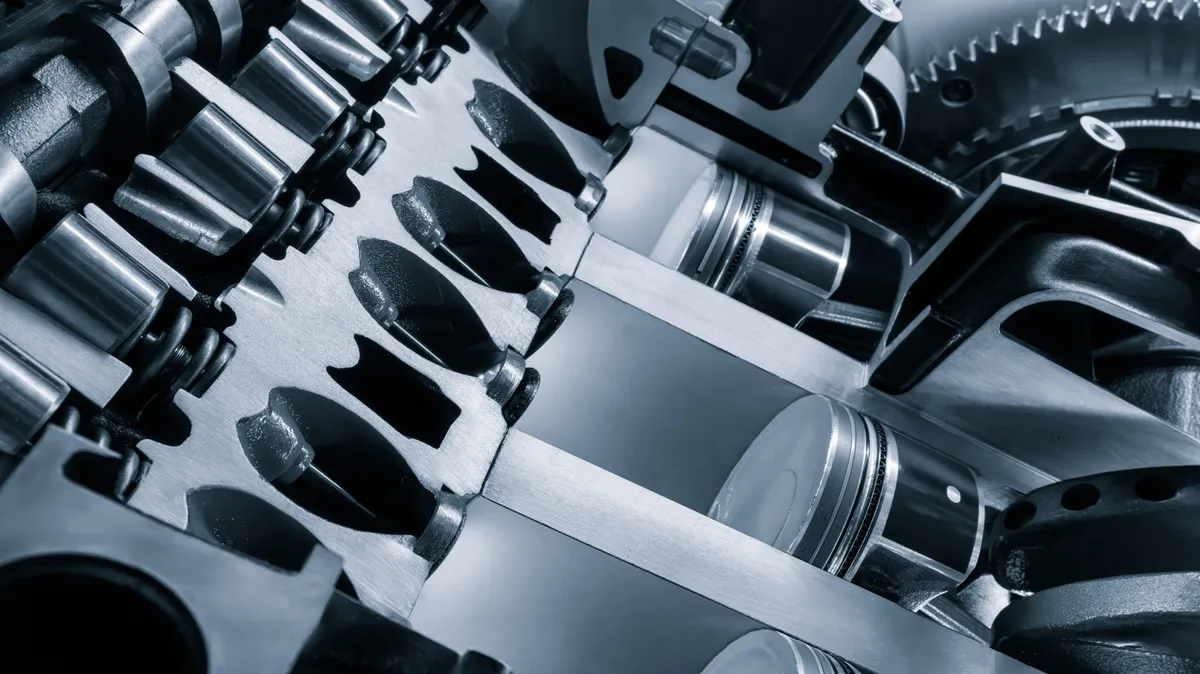
Many automakers have opted to add an electric motor (or two) and a high-voltage battery pack to form a hybrid power train to make an internal-combustion engine more fuel-efficient, but you can go the route of cylinder deactivation. As the name suggests, cylinder deactivation temporarily shuts down some cylinders when the engine does not need its full power output, which helps with fuel efficiency and thereby reduces carbon-dioxide emissions.
You'll usually find cylinder deactivation tech in larger engines, such as Chevrolet's 5.3-liter EcoTec V8, although some four-cylinder engines also use it — Volkswagen's 1.5-liter TSI Evo 2 and Mazda's 2.5-liter Skyactiv-G come to mind. But while the idea of shutting down cylinders to save on fuel and cut emissions sounds great on paper, things aren't so cut-and-dry in real life. Cylinder deactivation adds mechanical and electronic complexity to an engine. Depending on the design, a cylinder deactivation system may rely on oil-pressure-controlled valve lifters and specialized valve mechanisms to switch cylinders on and off.
This article is an excerpt. To read the full content, visit the original source. Jalopnik
Related articles
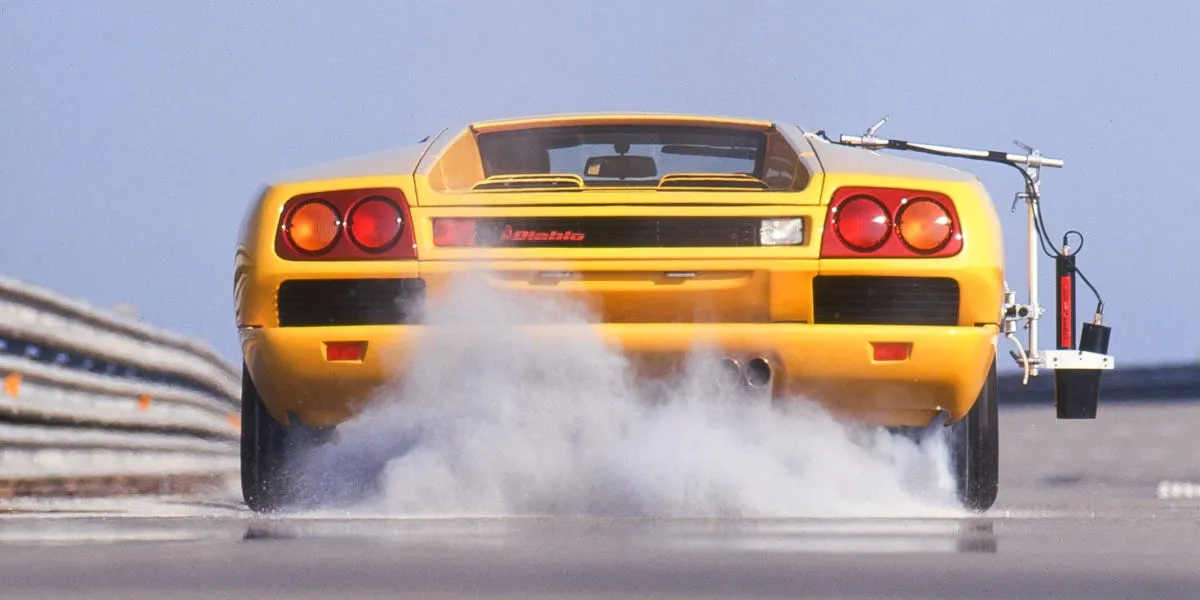
Top-Speed Testing the 1992 Lamborghini Diablo
From the August 1991 issue of Car and Driver. At 204 mph on the Nardò test track, you can either worry about the mountain of paperwork it takes to ship a body home from Italy, or you can try to enjoy yourself. We recommend the latter if you are lashing the world’s fastest production car, a Lamborghini Diablo, to its top speed. Intense, stressful serenity describes the Diablo at 204 mph. The world barrels by at nearly 300 feet per second, the big V-12 screams at a high-pitched bellow, and you sit virtually motionless behind the wheel. You gaze at a point maybe a quarter-mile ahead, which slows the moving scenery to a pace that your eye and brain can absorb. The long view also gives you a few critical seconds to avoid any problems—because at 200 mph, a sudden swerve might not be the only thing you execute. Fortunately, we found no emergencies on the vast test track near Brindisi in the heel of Italy. We were the exclusive occupants of a circle 7.8 miles in circumference, an ideal 200-mph environment. The table-smooth pavement is 52 feet wide and the outer lane is banked 12.5 degrees, which means you don’t even have to turn the steering wheel until you exceed 150 mph.
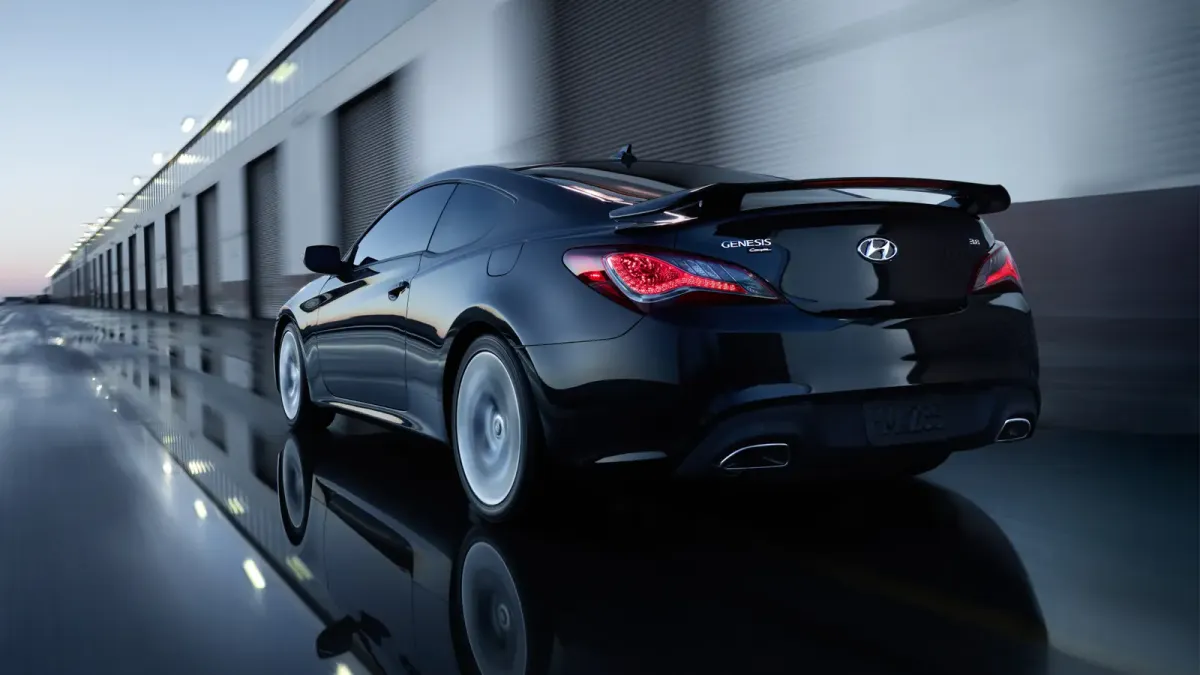
Hyundai's 350-HP V6 Ford Mustang And Nissan Z Rival Costs Less Than A Toyota Corolla
Joel was previously an editor at Autoblog for nearly a decade, covering cars from humble economy hatchbacks to high-end sports cars. He has extensive driving experience with plenty of track time, and even dabbles in motorcycling. Joel has shared his experiences in the car world not just in text, but also on podcasts and web videos.
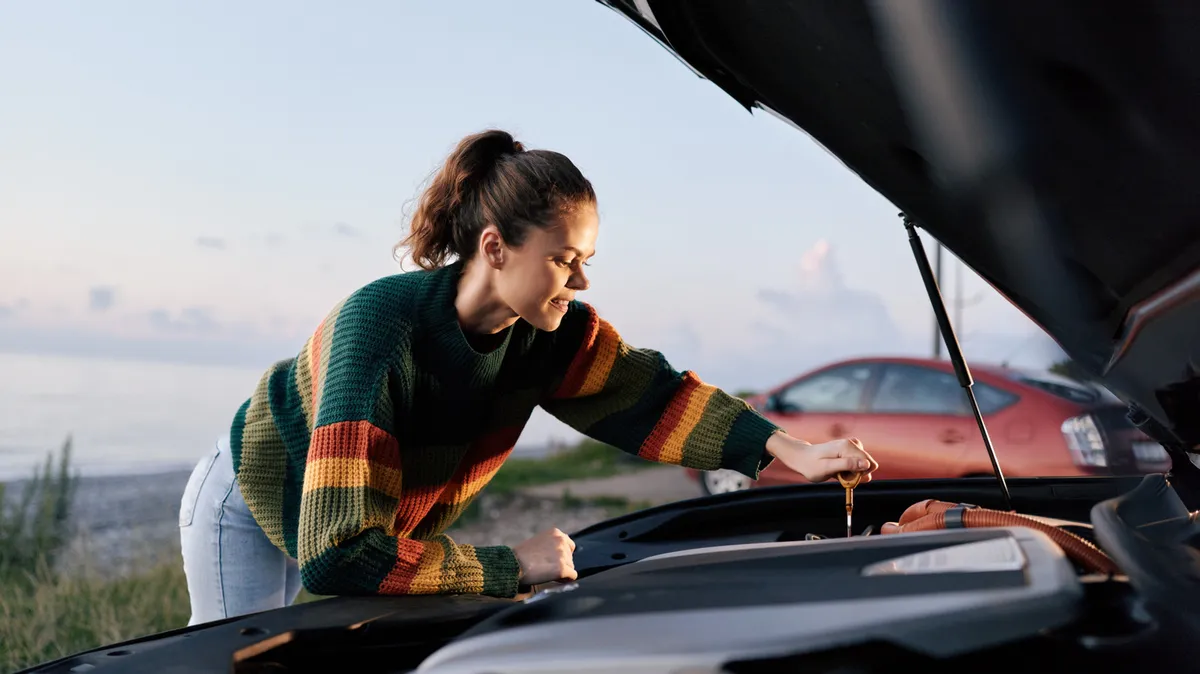
Modern Cars Are Ditching The Dipstick: Here's Why
It's all dashboard lights and touchscreen warnings these days For decades, the vast majority of cars had a very simple tool to help owners properly maintain their car. That tool was a dipstick, and it enabled a quick, objective look at whether or not an engine or transmission had enough fluid inside for safe operation. Today, many cars don't offer that same simple tool to their owners. Instead, they offer digital displays that are often hidden deep in touchscreen menus. That can feel like a real step backward for DIY drivers. There is, however, a reason behind the change.
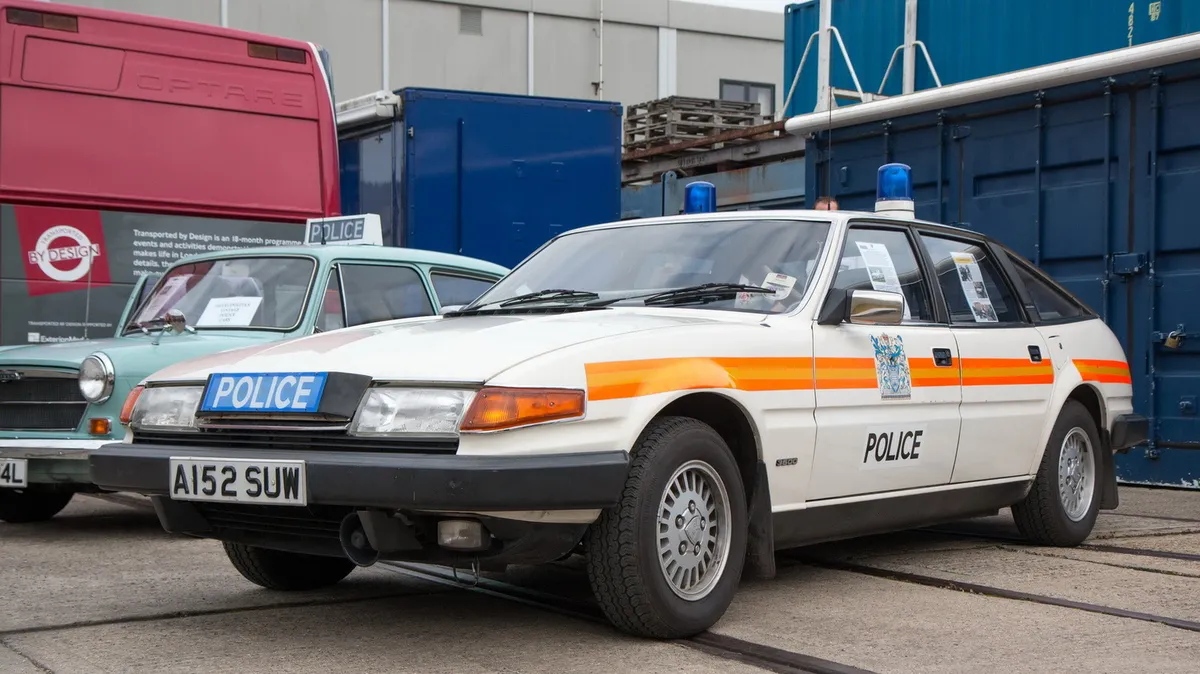
How 'Jam Sandwich' Became Slang For Certain British Police Cars
A lot of British slang doesn't seem to make a lot of sense at face value, but there is always a reason for it. Terms like 'Chelsea tractor' or 'sleeping policeman' are examples that no Brit would blink an eye at, and alongside them sits the 'jam sandwich.' Among the many key differences between American and European police cars, or in this instance, specifically British ones, is that police vehicles from a very specific era in Britain picked up the nickname 'jam sandwiches.' The reason is simple.
0 comments
No comments yet. Be the first to share your thoughts!