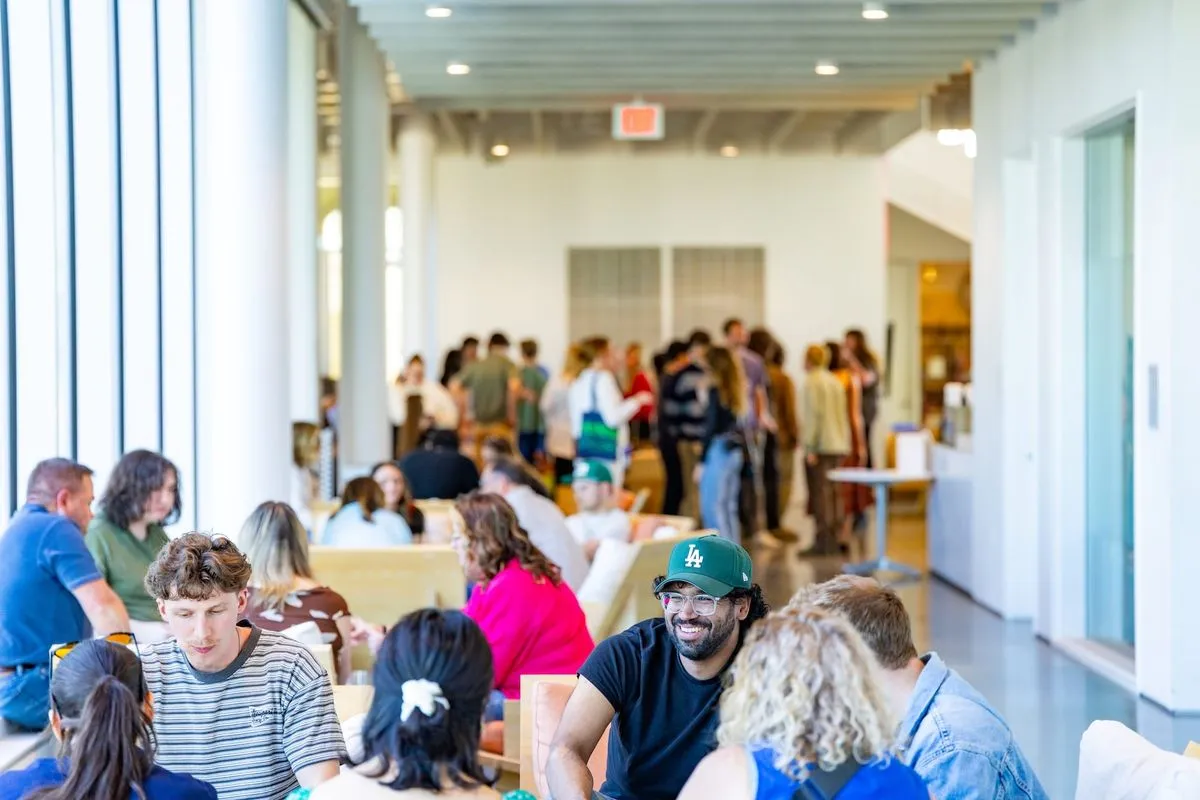
Thanks to Bloomberg Connects, you can explore the vast city based on personal interests. The post Mexico City: A Guide to the Capital’s Art and History appeared first on Artnet News .
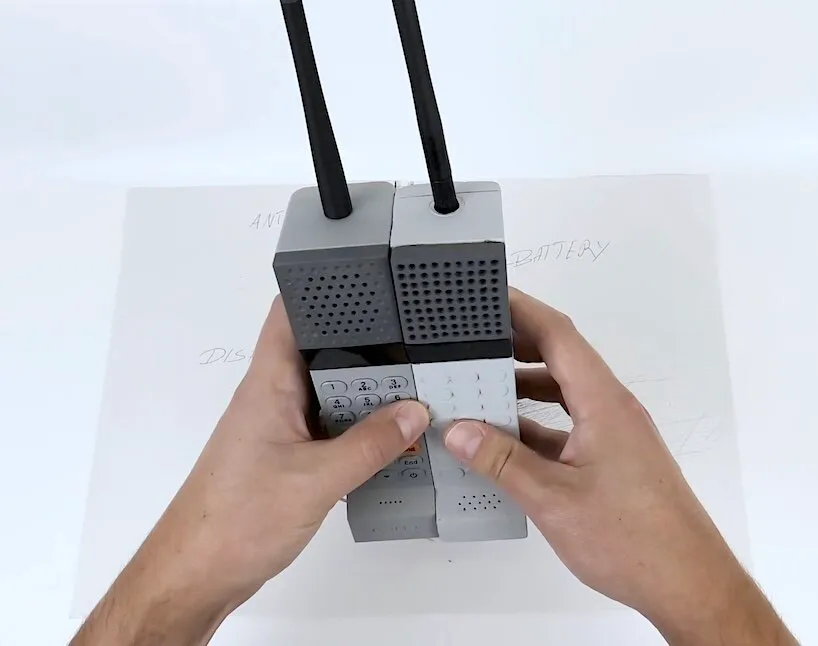
designer kevin noki recreates the 1980s brick phone as a 3D-printed bluetooth handset with 19 physical keys, allowing users to answer iphone calls without the usual smartphone distractions. Iñaki Laguardia October 16, 2026 4 min prefer designboom on googleADHD ONE REVISITS THE 1980S BRICK PHONEAs smartphones become increasingly difficult to put down, Cologne-based designer and maker Kevin Noki has taken a rather unconventional approach to digital detox: building a handset that looks straight out of the 1980s. Named ADHD ONE, short for Anti Distraction Handset Device, the project revisits the oversized brick phones of early mobile communication, complete with a physical keypad, compact display, and unmistakably chunky silhouette. Unlike most contemporary devices, however, its purpose is to offer fewer features rather than more. The concept is relatively straightforward. Instead of replacing a smartphone, ADHD ONE connects to an iPhone via Bluetooth, allowing users to receive and answer calls while keeping the original device out of sight.
the italian photographer reflects on the changing spaces of club culture, from italian discotheques to the improvised dance floors of contemporary nightlife. Giovanna Silva October 16, 2026 5 min prefer designboom on googleThe following text is reproduced from NIGHTSWIMMING: Discotheques from the 1960s to the Present, a book by photographer Giovanna Silva, and shared with designboom courtesy of the author. NIGHTSWIMMING – Giovanna SilvaI started photographing discotheques when Monditalia commissioned a project from me on the architecture of Italian nightlife for the 2014 Venice Architecture Biennale. I must admit this was a completely unknown subject to me, which I am just beginning to get familiar with now, when the exhibition in Venice has closed and our project has become a book. My unfamiliarity with the topic surely gave me an unconventional and detached eye, but required an extra effort and the restraint of all my compulsiveness.
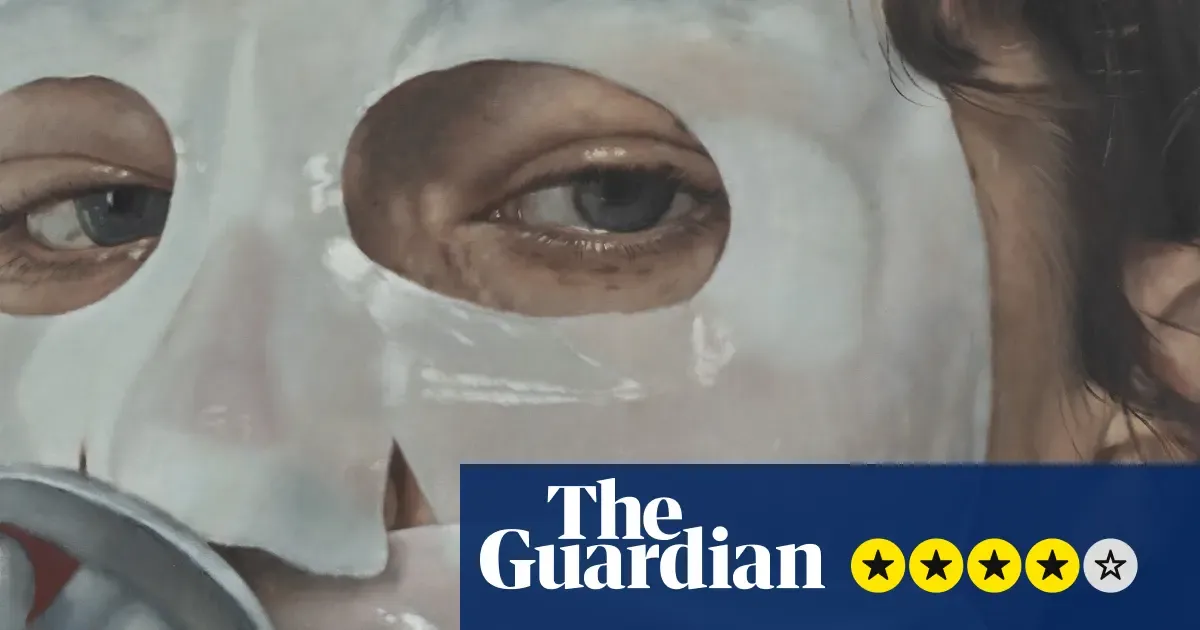
It might feel like Issy Wood is staring right back at you, glaring out of every canvas, making hard, uncomfortable, unflinching eye contact. But she’s not. The young British painter is staring at herself, lost in soul-searching rumination. You’ve just walked in at the wrong time. This display at the National Portrait Gallery – the first in a new series of presentations looking at contemporary artists’ use of portraiture – is Wood’s first big public foray into capturing her own face. She’s painted self-portraits before, but never at this scale, never this big and personal. For years now, her focus has mainly been on external stimuli: Diet Coke cans, antiques, clocks, ceramics, leather coats. The stuff of midnight doomscrolling, obsessive research, fetishistic desire. Seeing her close-cropped, soft-focus approach to everyday ephemera over the years has been like spying on someone’s internet tabs, peeking into the diary of a bored, sad, overtired, caffeine-wired young overachiever. She never really needed to paint her face because her work was always so obviously personal and diaristic. But she’s done it anyway, and the results are tense and heightened.
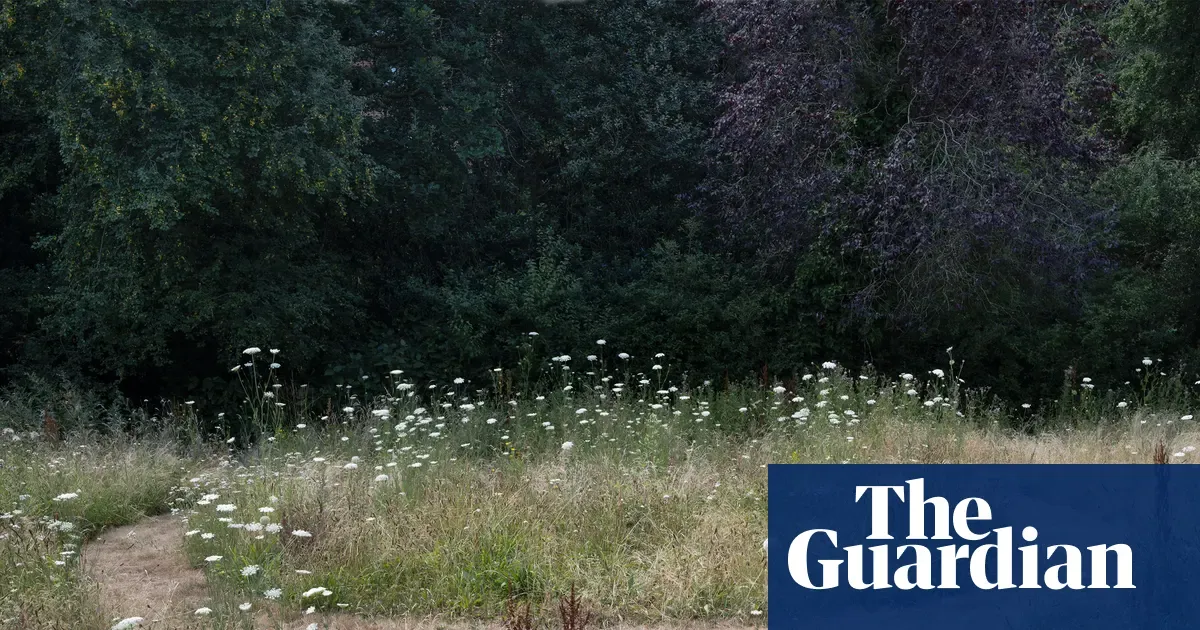
In 1983, an open-topped truck unloaded an unusual cargo in Kensington Gardens: 83 hunks of turf cut from Cae’n y Coed, a wooded hillside in the Ffestiniog valley. The ring of turf measuring eight metres in diameter that was removed from the park beside the Serpentine Gallery in west London to make space for the Welsh sods was then trucked from London to north Wales. So began Sod Swap, a piece of sculptural defiance by David Nash, which has had an unexpected and epic afterlife. More than 40 years later, photographic artist Mike Perry restaged the work as Reverse Sod Swap, exchanging exactly the same amount of turf between Springfield Park in Hackney, east London, and pastureland in Pembrokeshire, with strikingly different results. With twin works acquiring new relevance in a time of extinction and climate crises, the sod swapping is now the subject of a new book. It all began, says Nash, who is 80 and still working with wood and trees, with his own “bloody-mindedness”. He was invited to contribute to a new Serpentine gallery show of British sculpture.
Stories from a pioneering journalist and art worker, John Yau on Valerio Adami, and books of warp and weft for your reading list.
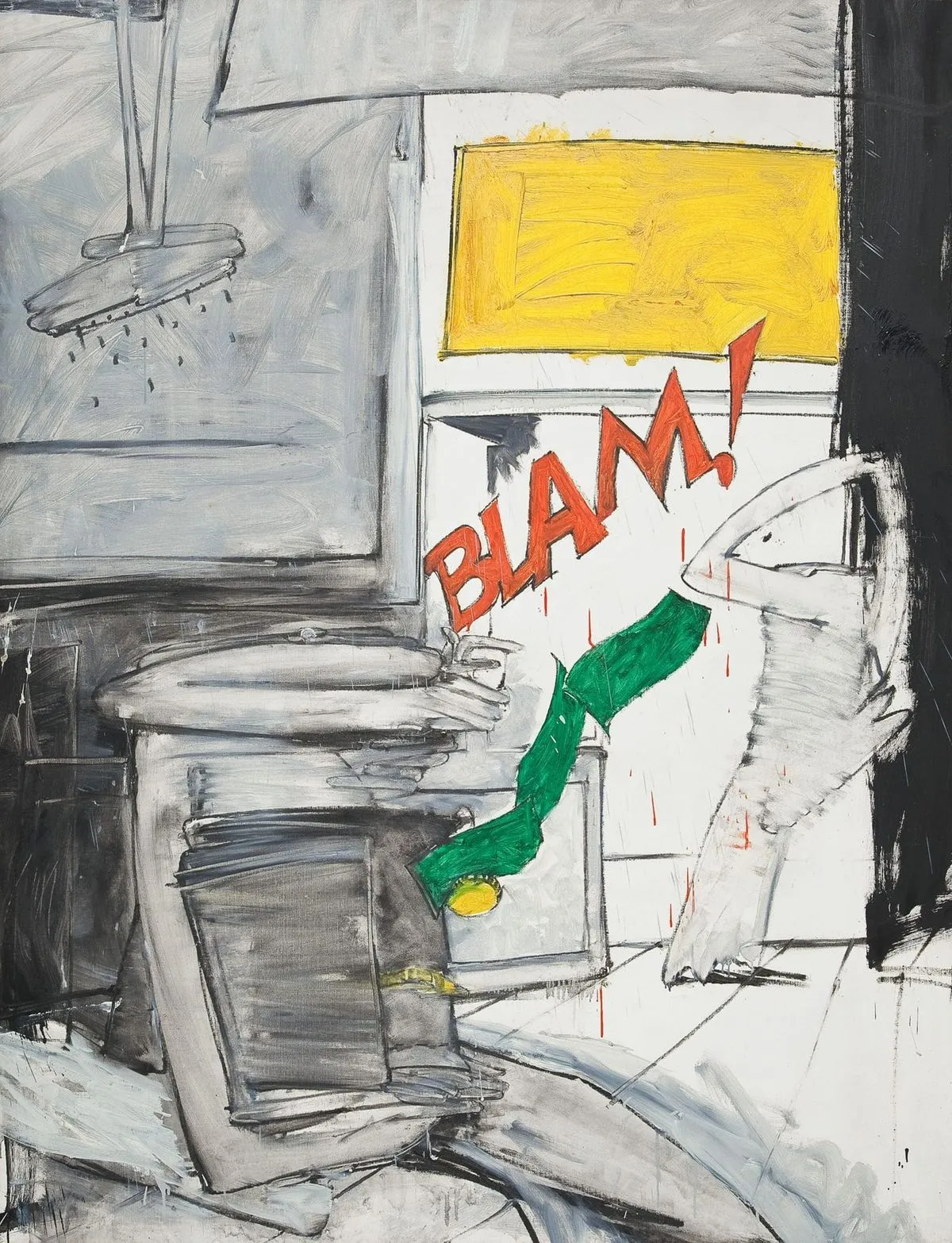
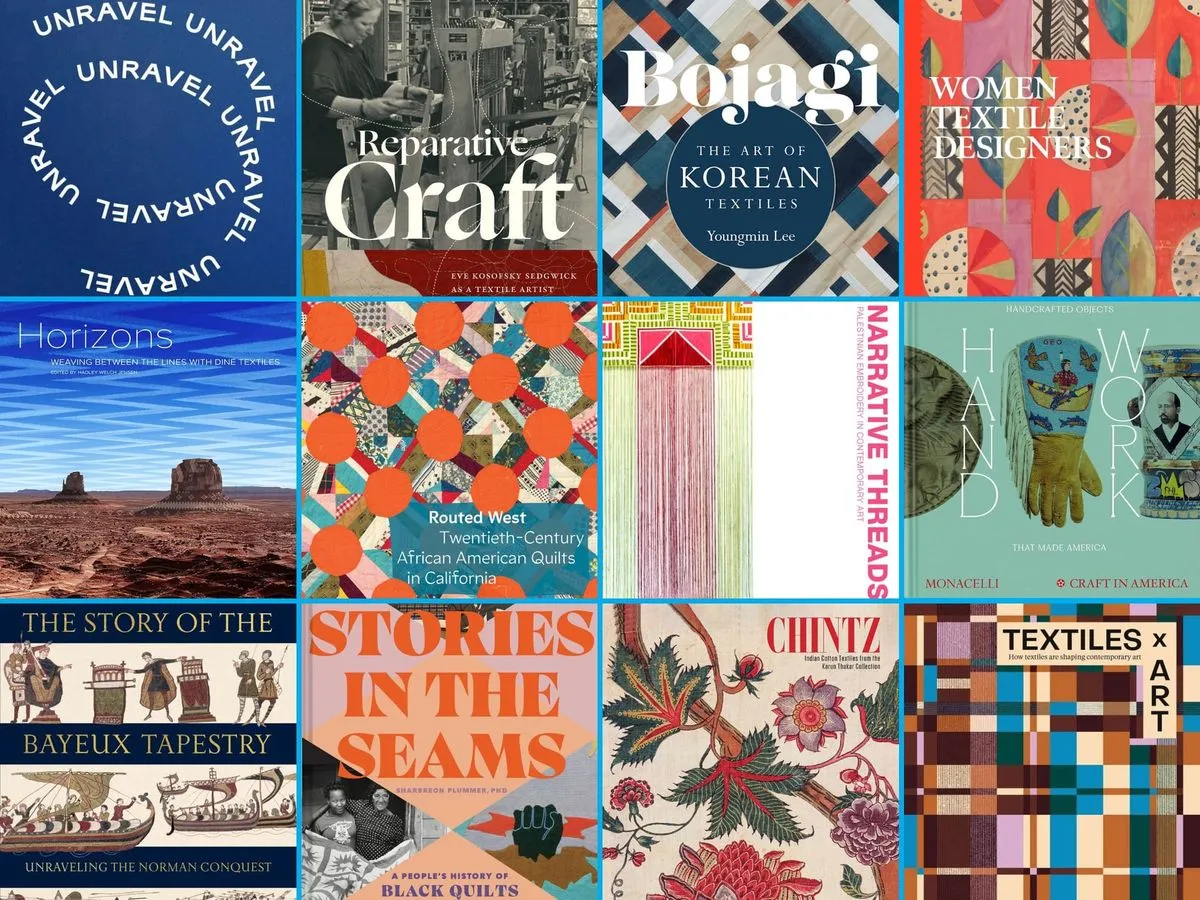
At age 98, Joan Kron has lived many lives. She invented plastic surgery journalism, helped Andy Warhol make his first perfume, hosted the Velvet Underground’s first Philly concert, and commissioned Roy Lichtenstein’s “Super Sunset Billboard.”That 1967 artwork, a remake of which is on view in the late Pop artist’s exhibition at the Whitney, is one of countless projects she has wrangled into being from behind the scenes. In an exclusive interview today, the indefatigable Kron regales reporter Isabella Segalovich with a slice of those riotous stories, with more to come in her memoir titled The Renegade Housewives of Pop Art — I’ll be first in line at the bookstore. Also today: WPA-era murals by Black artists in Harlem are finally restored, the art world descends on a champagne-soaked Frieze London, we recommend books on the rich histories of textile art, and critic John Yau finds echoes of Pop art in the paintings of Valerio Adami.—Lakshmi Rivera Amin, associate editor
Applications are now open for the 2027–2028 academic year.
Graduate applications are now open at the School of Art at the University of Arkansas for the 2027-2028 academic year. Applications will be accepted through January 15, 2027. The School of Art, housed in the Fulbright College of Arts and Sciences, has four tuition-free graduate programs and offers graduate assistantships, stipends and scholarships, as well as access to funding for fellowships, research and travel grants and residencies. The school offers over $3.5 million in student support annually, which includes scholarships, conferences, research and travel funding. As the first graduate-level art education program offered in the state of Arkansas, the M. A. in Art Education is designed for students who are seeking to deepen their knowledge of theory and practice in art education. The program trains art educators to use interdisciplinary, collaborative teaching and research to benefit students across Arkansas and the world. Students will learn the practice of art education across a range of educational sites, such as schools, museums and communities. The M. A.
A Nazi kneels down on frozen snow, staring at an endless Antarctic horizon. Another holds a gun to his head, ready to end his own life. I direct a small waddling penguin up to them, trying to imagine what it could be thinking. Dismay, perhaps. Likely bewilderment. But then a faint smile seems to break out across its beaky face, as if amused by these silly humans and their misguided belief that they could ever best this howling, harsh landscape. For most games, the idea of playing as a penguin observing Nazis losing the plot near the south pole would be weird enough. But Penguin Colony, developed by Origame Digital, pushes further. This is an audacious, frequently brilliant retelling of HP Lovecraft’s 1936 novella At the Mountains of Madness, in which eldritch horrors are just as common as Nazis. Further weirdness abounds: the many collectibles scattered about this place are not shiny gold objects à la Super Mario or Sonic. Rather, they are words. So tottering about as a semiaquatic bird, you have a unique mission: collect human language. Unnerving, discordant … Penguin Colony.
I remember learning to read with dull stories about Jane going up a hill, but my earliest thrilling reading memories are of series like The Baby-Sitters Club and Sweet Valley High. In the highly gendered reading days of the 1980s, I knew those books were for girls, but I devoured them. My favourite book growing up
Besides the girls of The Baby-Sitters Club, I loved books about survival and perseverance, especially Gary Paulsen’s The Island, in which a boy discovers a secluded island and ventures there to learn about the natural world. The book that changed me as a teenager
One of last year’s surprise highlights was The Velvet Underground & Rowan, the debut album by the wacky, hyperliterate London duo Worldpeace DMT. That irreverent album title summed up their approach to their references: Leo Fincham and Rowan Miles – also of the Femcels – buttressed nods to Fleetwood Mac and the Beach Boys with a palette straight out of NME circa 2011. If it isn’t a coup to make the sound of Grouplove and Darwin Deez sound cool and urbane in 2025, I don’t know what is. Stick Around for Tea album artwork. Photograph: PRThis year, Worldpeace DMT have changed tack, perhaps in response to suggestions that they’re at the forefront of an emergent genre called “laptop twee”. The duo’s August mixtape Flowers Powers mostly eschewed plunderphonics and heavy sampling in favour of live instrumentation that ran the gamut from Spiritualized to outlaw country; Stick Around for Tea, their second album, brings back a shade of the goofy, Sung Tongs-esque sound design that made their debut such a joy, while pulling Fincham and Miles’ songwriting to the fore.
Stick Around for Tea seems, loosely, to be a concept album about childhood.
Originating in 1980s Brazil, baile funk began as a bass-heavy blend of syncopated folk rhythms and hip-hop-influenced sampling, and has since developed into regional styles ranging from the hyperpop freneticism of D. Silvestre to DJ K’s eerie and cacophonous bruxaria and the house-sampling sound of MC Lan. Coming together by sharing baile funk edits on SoundCloud, producers JLZ, VHOOR, Mu540 and DJ RaMeMes began releasing their own version in 2017 as Weird Baile. Now compiling two decades of their lo-fi productions as Collected Rips 2004-2024, Weird Baile establish their sound as a curious blend of Brazilian and British dancefloors. Weird Baile Collected rips 2004-2024 album artworkSparse, harsh and artfully arranged, the Weird Baile signature strips baile funk down to its essentials: vocals, bass and rhythm. Opener Aquecimento Do Ih Caraca embodies this ethos with its industrial sub-bass, chopped-up shouted vocals and percussive beatboxing, producing two minutes of menacing intensity.
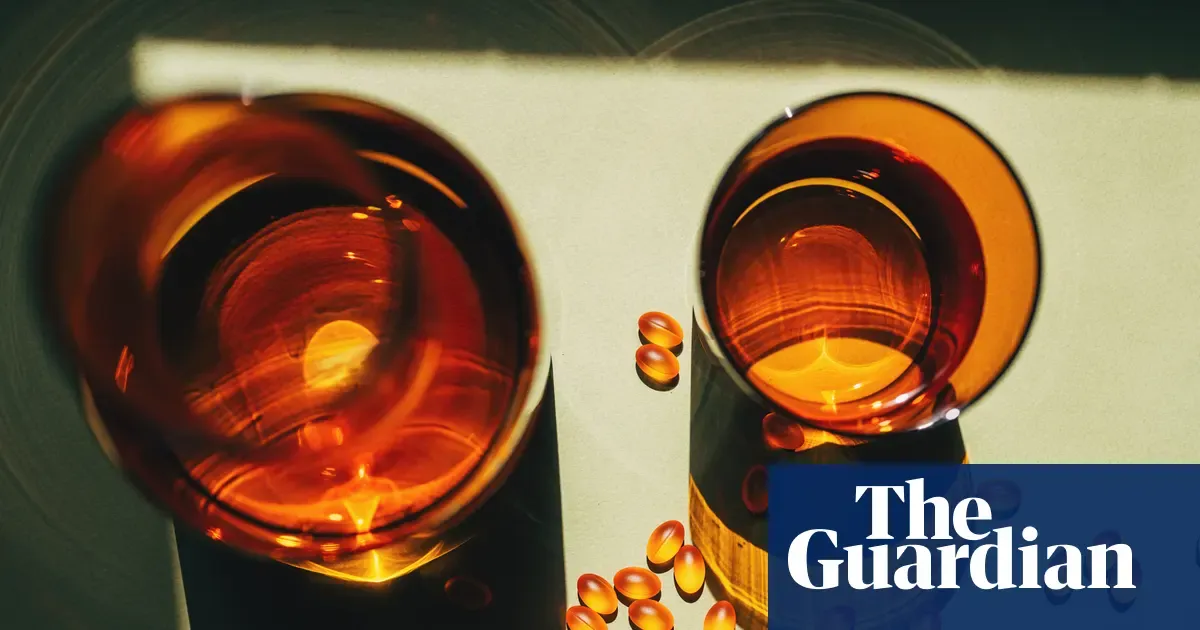
When Xand van Tulleken set off on a journey into the wild west of wellness, he didn’t expect to discover anything new about vitamin D. Of all the supplements that line our shelves and social media feeds, it ought to be the least controversial; even the NHS website, which is hardly a wellspring of quackery, advises that everyone should consider taking a daily dose during autumn and winter, when we risk becoming deficient (D is the vitamin we get mostly from sunlight, and which helps keep our bones strong). The tiggerish TV doctor and twin brother to Chris (he’s the one who wrote Ultra-Processed People about the food industry) qualified at a time of high excitement in vitamin D circles; in the early 2000s, big studies were linking it not just to bone health but cancer, heart disease and dementia. “The range of potential problems to be solved was dizzying,” Van Tulleken writes in Make Me Well. But – spoiler alert – it turns out evidence even of the benefits of the most medically endorsed supplement shrivels under scrutiny.
Leaving the important stuff to chance isn’t Shygirl’s style. First aid kit, wind-up radio, batteries: earlier this morning, the singer filled her online shopping basket in preparation for impending disaster. She had read a news article advising households to put together an emergency kit. “I’m that kind of person,” she says, grinning. She woke her boyfriend, who was asleep in bed next to her. “I was like: babe, we’re sorted! I’ve got the water purifying tablets, everything!”It’s a sticky September afternoon in east London, and the singer, whose real name is Blane Muise, introduces herself as “Shy” and slides into the booth opposite me at an Italian trattoria. She first burst on to the club scene with the naughty, pulsating Want More in 2016, and in the decade since, the singer, rapper and DJ has applied the same rigour to her career as she has to her emergency prepping, going from cult underground artist to rising pop star, opening arenas for Beyoncé and Charli xcx, winning a Mobo award in 2024, and appearing in Madonna’s recent Confessions II – The Film, in which she shared a toilet stall with Arca and Richard E Grant.
The subdued auction nonetheless held surprising moments, including the stunning $2.5 million sale of a David Hockney iPad drawing. The post Sotheby’s Notches $61M at London Contemporary Sale, Buoyed by $12.9M de Kooning appeared first on Artnet News .
Nearly half a million books will be distributed across prisons in England, Wales, Scotland and Northern Ireland this autumn, in a campaign backed by bestselling thriller writer Lee Child. The initiative, delivered by the Reading Agency charity as part of its Quick Reads programme, will see copies of 11 short books distributed, with titles selected with input from prisoners as well as staff. A book will be distributed to every cell across the prison estate, as well as stock sent to prison libraries. Child, the UK’s first prison reading laureate, said the initiative was intended to address the “revolving door” – people leaving prison but struggling to cope outside and returning to custody. “If we can stop one in 10 of those people from coming back, that would be a major achievement,” he said. “It would be good for society as a whole, not just for that individual prisoner and their future employer.”Ministry of Justice statistics for 2024-25 show that 65% of initial-assessment results across public prisons in England, based on tests taken when people entered custody, were at entry levels 1-3, below the standard expected of a typical GCSE student.
Genesis Facade and Great Hall artists announced, a new leader for the Armenian Museum of America, Bernie Sanders weighs in on the AI art debate, and more.
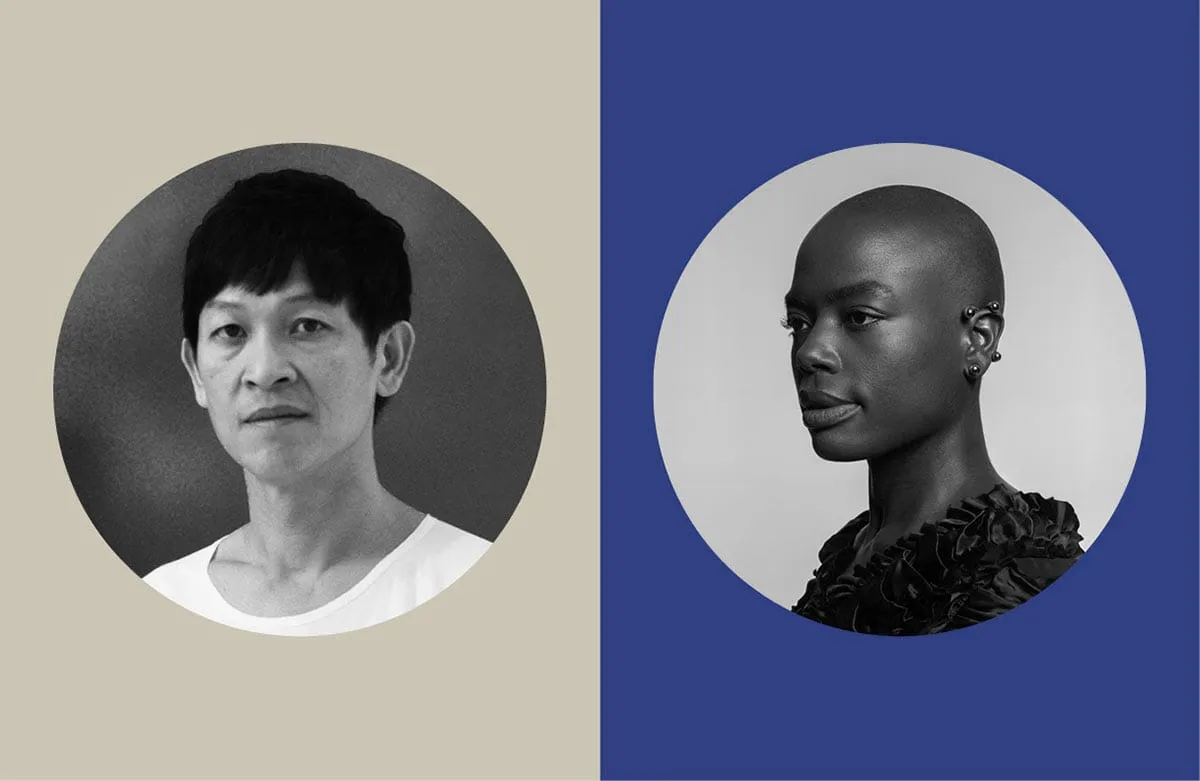
Left: Portrait of Danh Vo by Nick Ash; right: portrait of Sandra Mujinga by Tove Sivertsen (photos courtesy Metropolitan Museum of Art)
Titles on contemporary Diné weavers, Black American quilting in California, the Bayeux Tapestry, artists including Cecilia Vicuña and Olga de Amaral, and more.
A ~patchwork~ of books to read this month (edit Hyperallergic)
A New Deal-era sculpture by John Rhoden was also included in the city's restoration project.
A panel in Vertis Hayes's "Pursuit of Happiness" (1937) (photo Nicholas Knight, all images courtesy NYC Health + Hospitals)