Upper endoscopy patients who inhale cannabis may need more anesthesia than edible users - Medical Xpress
This story deserves to be shared
Send it to someone who'd care, or post it on your networks.
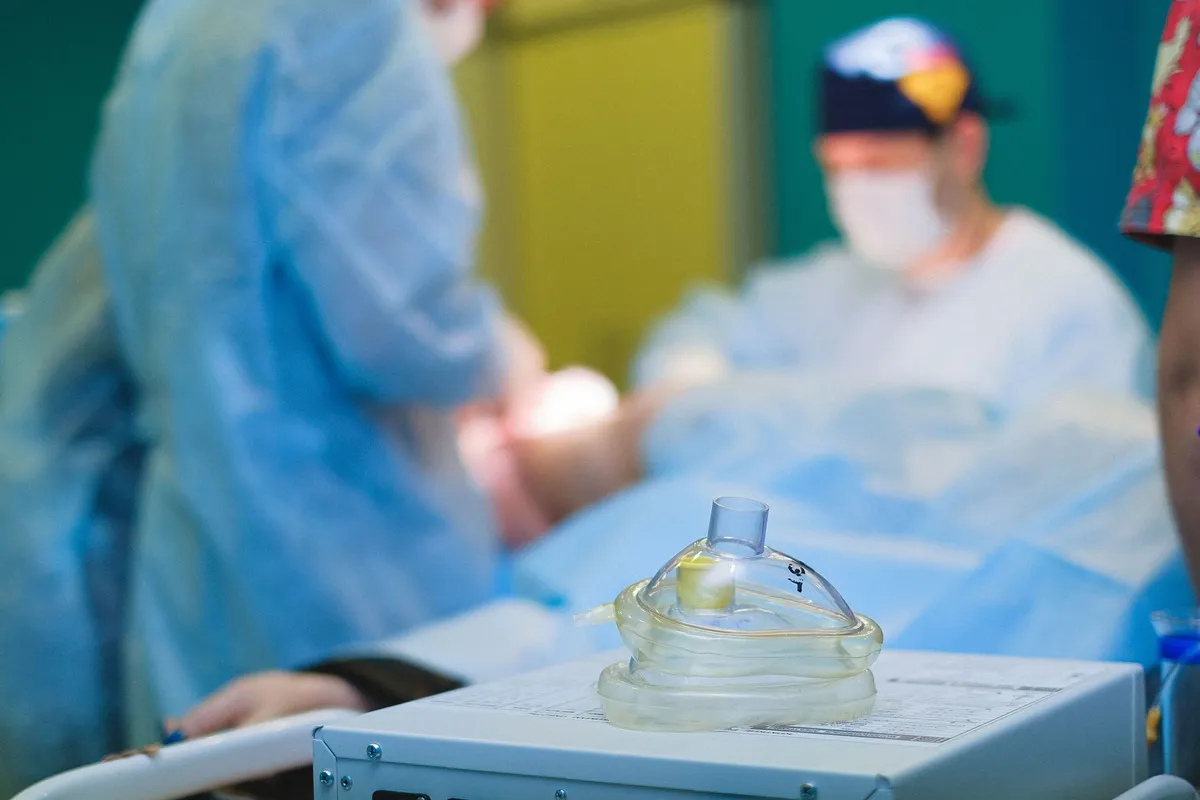
Patients who smoke or vape cannabis may need more anesthesia during an upper endoscopy than those who use edibles or do not use cannabis, according to a new study presented at the Anesthesiology 2026 annual meeting.
This article is an excerpt. To read the full content, visit the original source. Medical Xpress
Related articles
Anesthesia choice makes no difference for patient recovery after major surgery, landmark UK trial finds - Medical Xpress
Choice of general anesthetic for major surgery can continue to be based on patient and clinician preference, according to the largest-ever trial comparing the two main techniques used in the NHS. The VITAL trial, led by the University of Warwick and The Royal Marsden NHS Foundation Trust, involved 2,507 patients across 49 NHS hospitals and compared total intravenous anesthesia (TIVA), delivered through a continuous infusion of the drug propofol, with the more traditional method of using volatile anesthetic gases, such as sevoflurane or isoflurane, inhaled through a mask during surgery. The findings are published in the journal JAMA.

Mysterious brain activity under anesthesia challenges what we know about consciousness - Science Daily
Even when a person is fully unconscious under general anesthesia, their brain may still be doing something remarkable: processing language, recognizing patterns, and even anticipating which words will come next. Researchers at Baylor College of Medicine have discovered that the brain retains surprisingly sophisticated abilities during anesthesia, despite the absence of conscious awareness. The findings, published in the journal Nature, challenge traditional assumptions about the relationship between consciousness and thinking. They could also provide new insights into how the brain processes memories and language, potentially leading to advances in technologies that help people communicate after neurological injuries.

Evaluating Adherence to iRefer Guidelines and Barriers to Implementation Among Non-consultant Hospital Doctors in a Model 3 Hospital: A Mixed-Methods Study - Cureus
Background The Royal College of Radiologists' (RCR) iRefer guidelines are an established evidence-based clinical decision support tool intended to optimise diagnostic imaging referrals, reduce unnecessary radiation exposure, and improve radiology workflow efficiency. In Ireland, imaging referrals also carry statutory weight: Statutory Instrument (S.I.) No. 256 of 2018 places defined duties on referrers regarding the justification of medical exposures, and Health Service Executive (HSE) guidance requires referrers to have access to iRefer or an equivalent decision support tool. Awareness and use of iRefer among non-consultant hospital doctors (NCHDs) in smaller, high-turnover hospital settings are poorly described. Aim To evaluate awareness, utilisation, and accessibility of the iRefer guidelines among NCHDs in a Model 3 hospital and to identify the systemic, technological, and cultural barriers preventing routine use. Methods A sequential explanatory mixed-methods design was employed. Phase 1 comprised an in-person, anonymous cross-sectional audit questionnaire developed by the authors for this study, administered to NCHDs to assess awareness, decision-making sources, and guideline

Bangladesh battles massive outbreaks of dengue and measles - Outbreak News Today
Dengue feverAccording to the Directorate General of Health Services (DGHS) in Dhaka, at least six dengue patients died and 2,088 others were hospitalised in the past 24 hours, bringing the total cases and deaths to 112,400 and 348, respectively. September has been the deadliest month of the year so far, logging 43,774 hospital admissions and 148 deaths. Significant outbreaks are hitting the Dhaka area and the Chattogram, Khulna, and Barishal divisions due to high population density and inadequate waste management. Typically a monsoon-season illness (June to September), dengue transmission in Bangladesh is increasingly shifting and extending into late autumn due to unseasonal rains and climate shifts. Currently, 6,026 dengue patients are undergoing treatment at hospitals across the country. Bangladesh’s record dengue fever season in 2023 with Dr. Md Rafiul HasanMeaslesThe large measles outbreak in Bangladesh has yet to be contained. Sonce mid-March, the country reported 203,000 suspected measles cases, including 23,000 confirmed cases have been reported. At least 1,196 people have died, with children under five accounting for 94% of reported deaths.

New research shows how microplastics and water interactions could lead to cell damage - The Spokesman-Review
LOS ANGELES — Scientists have found microplastics in virtually every part of the human body. Yet many questions remain about what exactly these infinitesimal flecks of synthetic polymers do to human health, and how they might cause disease. A new paper looking at the chemical reactions between water and disintegrating plastic offers a potential hypothesis for how microplastics might make us sick.
0 comments
No comments yet. Be the first to share your thoughts!