Mysterious brain activity under anesthesia challenges what we know about consciousness - Science Daily
This story deserves to be shared
Send it to someone who'd care, or post it on your networks.

Even when a person is fully unconscious under general anesthesia, their brain may still be doing something remarkable: processing language, recognizing patterns, and even anticipating which words will come next.
Researchers at Baylor College of Medicine have discovered that the brain retains surprisingly sophisticated abilities during anesthesia, despite the absence of conscious awareness. The findings, published in the journal Nature, challenge traditional assumptions about the relationship between consciousness and thinking. They could also provide new insights into how the brain processes memories and language, potentially leading to advances in technologies that help people communicate after neurological injuries.
This article is an excerpt. To read the full content, visit the original source. Science Daily
Related articles
Anesthesia choice makes no difference for patient recovery after major surgery, landmark UK trial finds - Medical Xpress
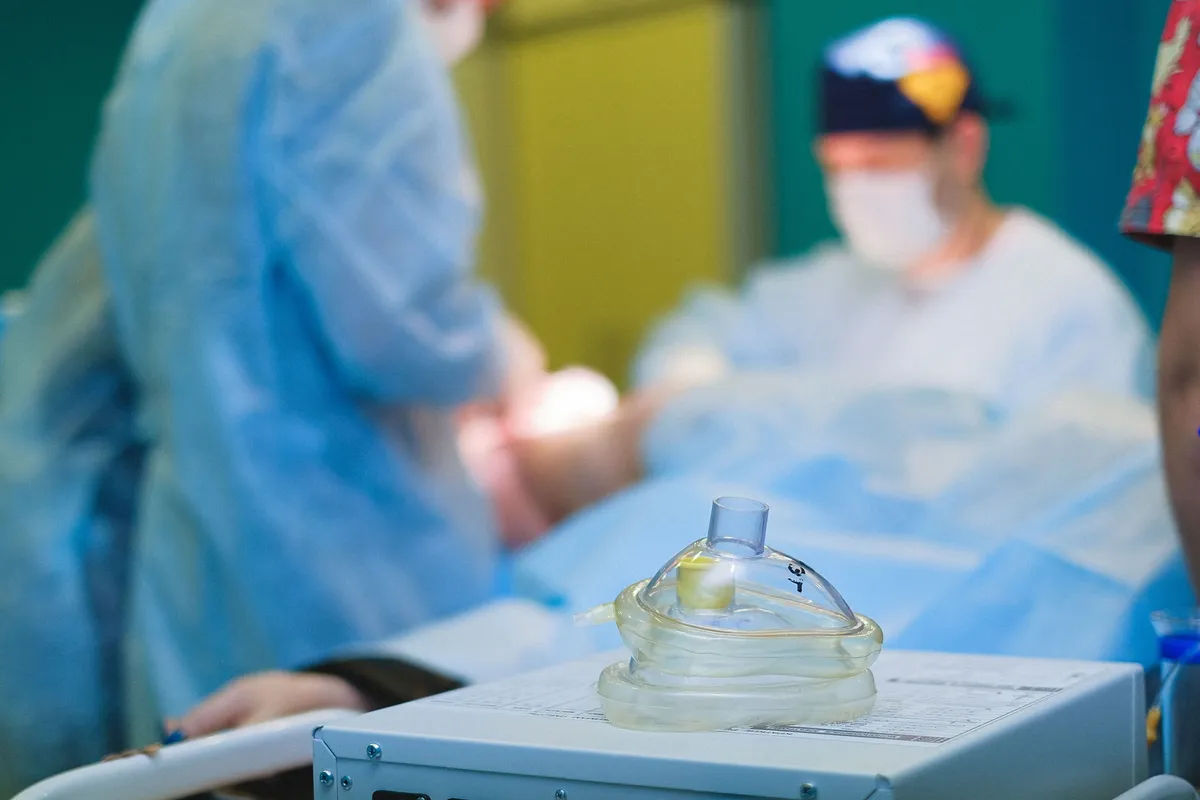
Choice of general anesthetic for major surgery can continue to be based on patient and clinician preference, according to the largest-ever trial comparing the two main techniques used in the NHS. The VITAL trial, led by the University of Warwick and The Royal Marsden NHS Foundation Trust, involved 2,507 patients across 49 NHS hospitals and compared total intravenous anesthesia (TIVA), delivered through a continuous infusion of the drug propofol, with the more traditional method of using volatile anesthetic gases, such as sevoflurane or isoflurane, inhaled through a mask during surgery. The findings are published in the journal JAMA.
Research Reveals How Anesthesia Changes Brain Signaling - Technology Networks

Kefah Mokbel: Can Whole-Genome Sequencing-Based ctDNA Monitoring Help Personalize Adjuvant Treatment? - Oncodaily
“Beyond Detecting Cancer Recurrence: Can Whole-Genome Sequencing-Based ctDNA Monitoring Help Personalize Adjuvant Treatment? An exciting new study published in The Oncologist highlights the clinical potential of Signatera Genome, a whole-genome sequencing (WGS)-based, tumor-informed circulating tumor DNA (ctDNA) assay, not only for detecting molecular residual disease (MRD), but also for potentially informing adjuvant treatment decisions.
0 comments
No comments yet. Be the first to share your thoughts!