Strawberry Moon 2026: Tonight's full moon is the lowest, and one of the smallest 'micromoons' all year - Live Science
This story deserves to be shared
Send it to someone who'd care, or post it on your networks.
This article is an excerpt. To read the full content, visit the original source. Live Science
Related articles
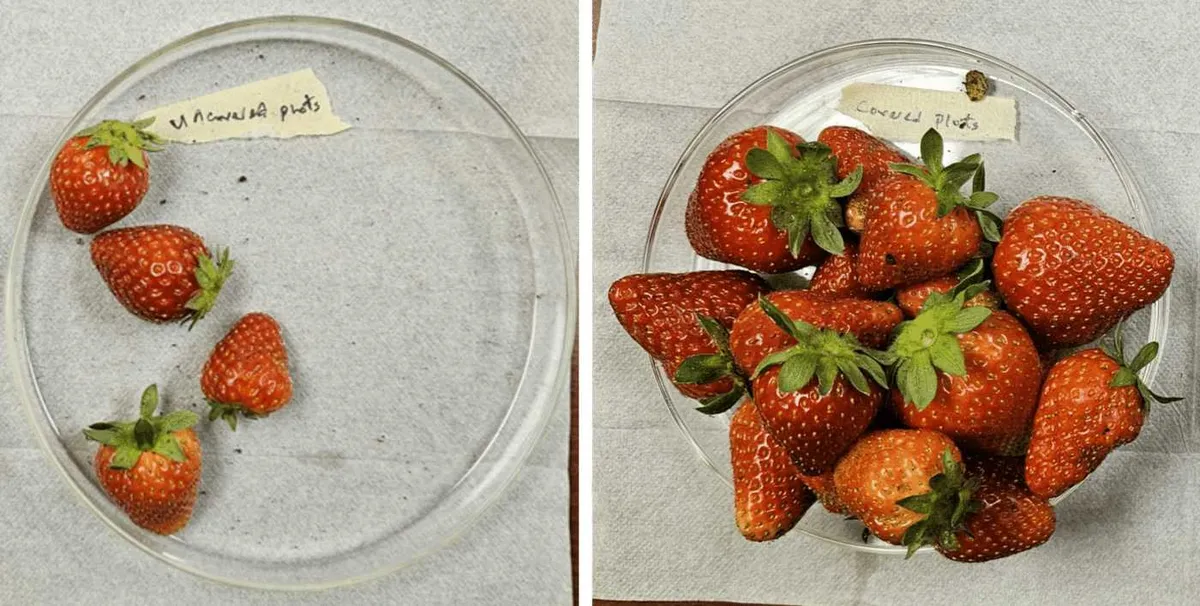
Drape Some of This 'Plant Armor' Fabric Over a Strawberry Patch to Triple Yields with Less Pesticides - Good News Network
(Left) uncovered strawberry yield (right) yield from strawberries grown with Plant Armor – credit Gabriel Olawuyi, released by NCSU A new textile used to cover strawberry plants more than tripled fruit yields in field tests, without negatively impacting plant health.
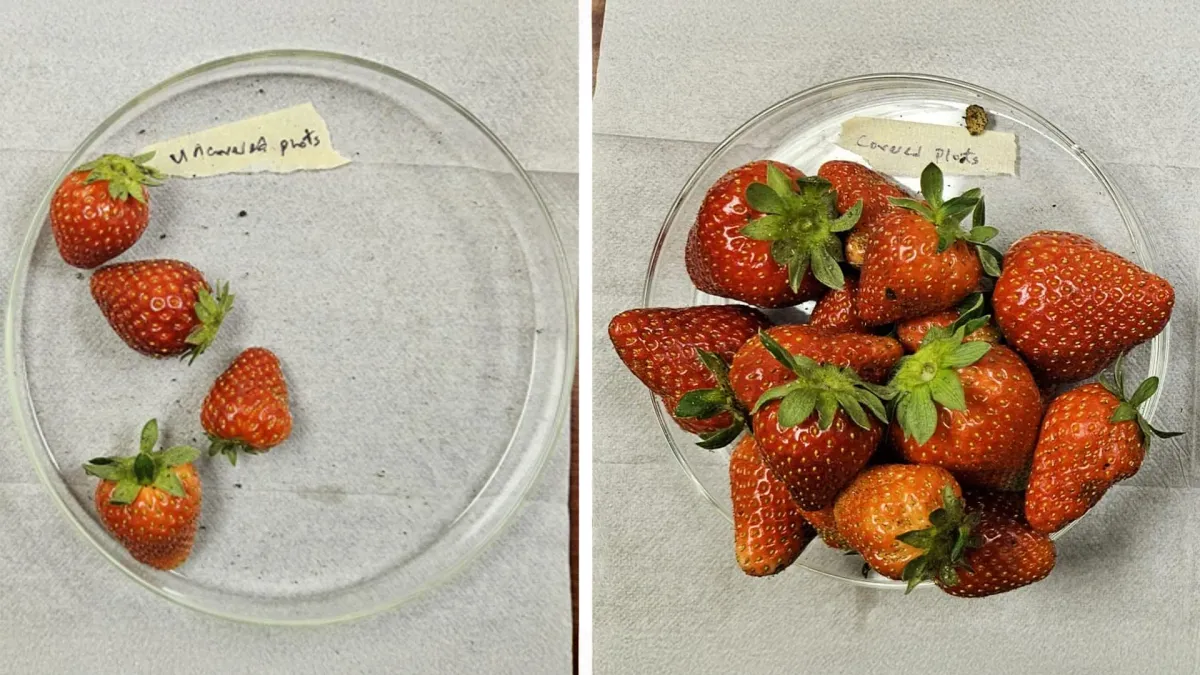
New “plant armor” more than triples strawberry yields - Science Daily
A newly developed textile covering helped strawberry plants produce more than three times as much fruit in tunnel field trials, while showing no harmful effects on plant health. Researchers say the technology may also offer a way to reduce water use and reliance on pesticides in strawberry production. The fabric, called Plant Armor, is designed to be placed directly over strawberry plants. Its three dimensional structure creates a barrier that keeps insects from reaching the plants, while the layered material still allows sunlight, rain, and air to pass through.
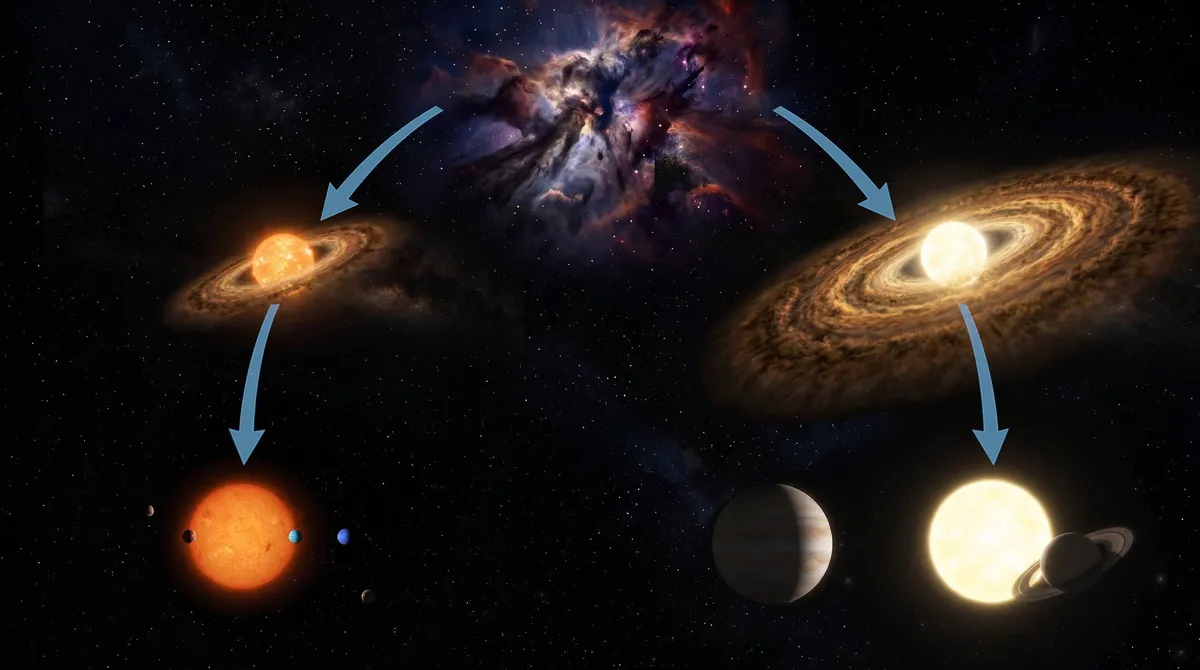
Some Planetary Systems Are Born for Chaos. Astronomers Think They Know Why - ZME Science
Illustration of the genetic link between stellar properties and planetary system architectures. Credit: INAF / Universitat de València / image generation. For most of human history, planetary systems were a sample size of one. Ours. Then people learned about Mercury, Venus, Mars, Jupiter, and Saturn since antiquity, tracking their movements for generations. Uranus joined the planetary roster in 1781 thanks to the telescope, followed by Neptune in 1846, but every planet we discovered still belonged to the same family orbiting our Sun.
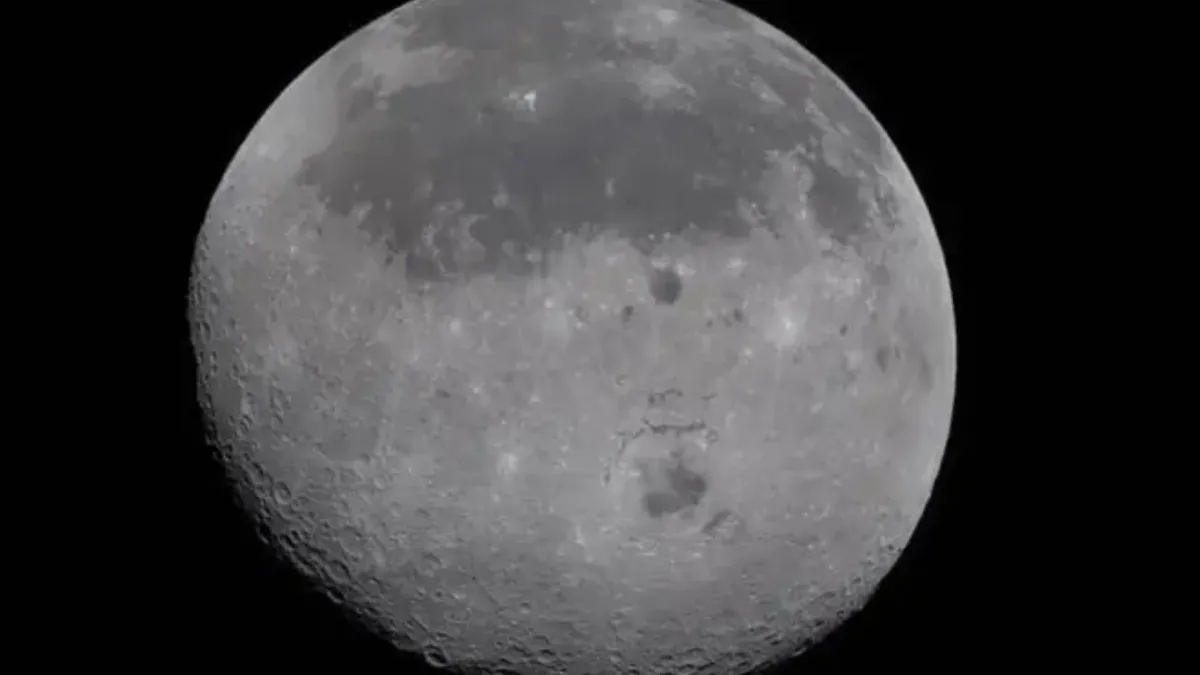
NASA confirms it: the Moon is now smaller - MARCA
08:02CDTA study funded by NASA, and published in The Planetary Science Journal, has determined that the Moon's radius has decreased by about 45 meters. The scientists' analysis concluded that this reduction occurred over the last 400 to 800 million years. Every million years, according to the report's estimates, the Earth’s satellite’s radius would shrink by between 6 and 11 centimeters. In other words, 0.1 micrometers (0.0001 millimeters) per year. Aside from this fact, the research funded by the U. S. space agency has identified more than 10,000 faults on the Moon as a result of studying images from the Lunar Reconnaissance Orbiter, in orbit since 2009. This finding could pose a setback for exploration of the satellite: NASA is considering establishing a lunar base with basic infrastructure in 2032. Until then, efforts are focused on determining possible locations for the installation. The large number of faults detected goes beyond mere scientific curiosity, as it could pose a setback for future crewed missions. The reason is that, unlike the Earth, with 15 major tectonic plates, the Moon has a single plate.
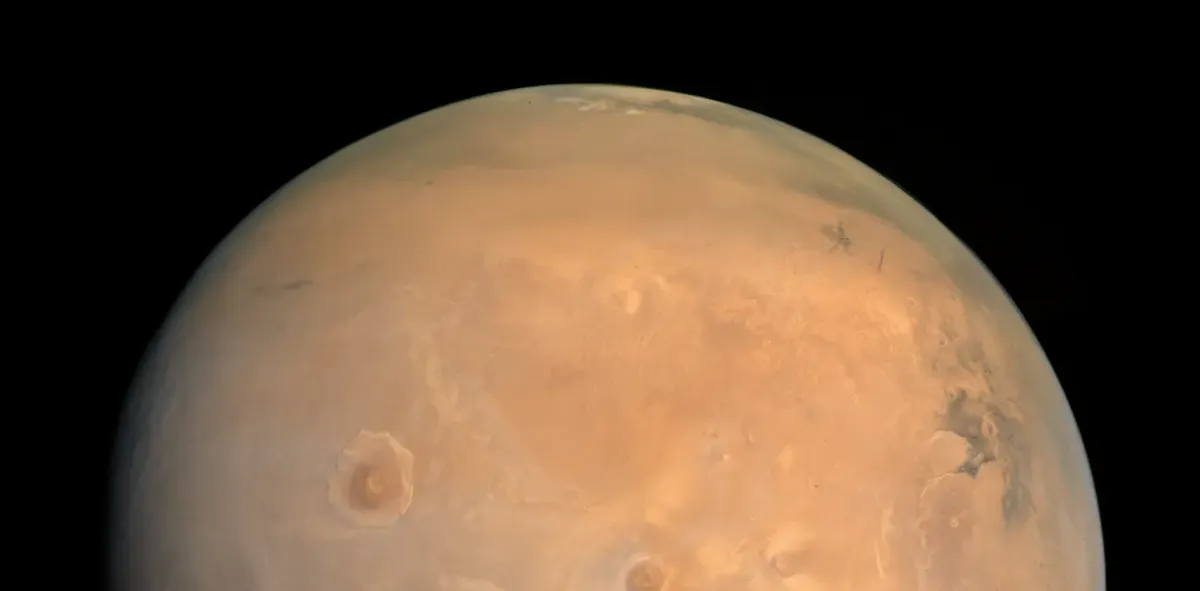
NASA’s Mars orbiter fleet is getting old – here’s how that could affect future exploration - The Conversation
Currently, about 16,000 satellites are orbiting Earth, providing everything from GPS service and weather reports to phone service in remote locations to people across the globe. In contrast, the highest-ever number of active satellites in orbit around Mars, one of the best-explored other planets in our solar system, is eight.
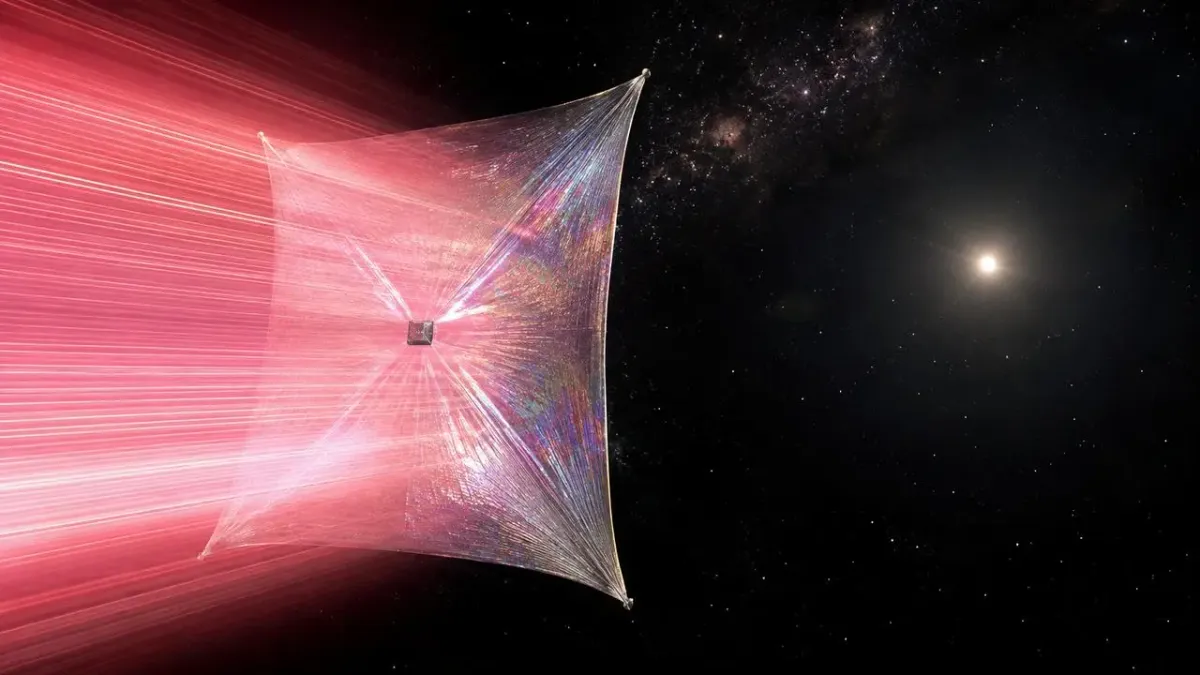
Light-Powered Probes: The Daring New Plan to Reach Distant Stars Faster - Futura, le média qui explore le monde
The only thing we can be sure of about the future is that it will be absolutely fantastic. If what I say seems reasonable to you, then I have failed completely, declared Arthur C. Clarke back in 1964 on the BBC. In the legendary BBC Horizon documentaries more than 60 years ago, Clarke made several predictions—including some about the Internet that proved uncannily accurate.
0 comments
No comments yet. Be the first to share your thoughts!