NASA’s Mars orbiter fleet is getting old – here’s how that could affect future exploration - The Conversation
This story deserves to be shared
Send it to someone who'd care, or post it on your networks.
This article is an excerpt. To read the full content, visit the original source. The Conversation
Related articles
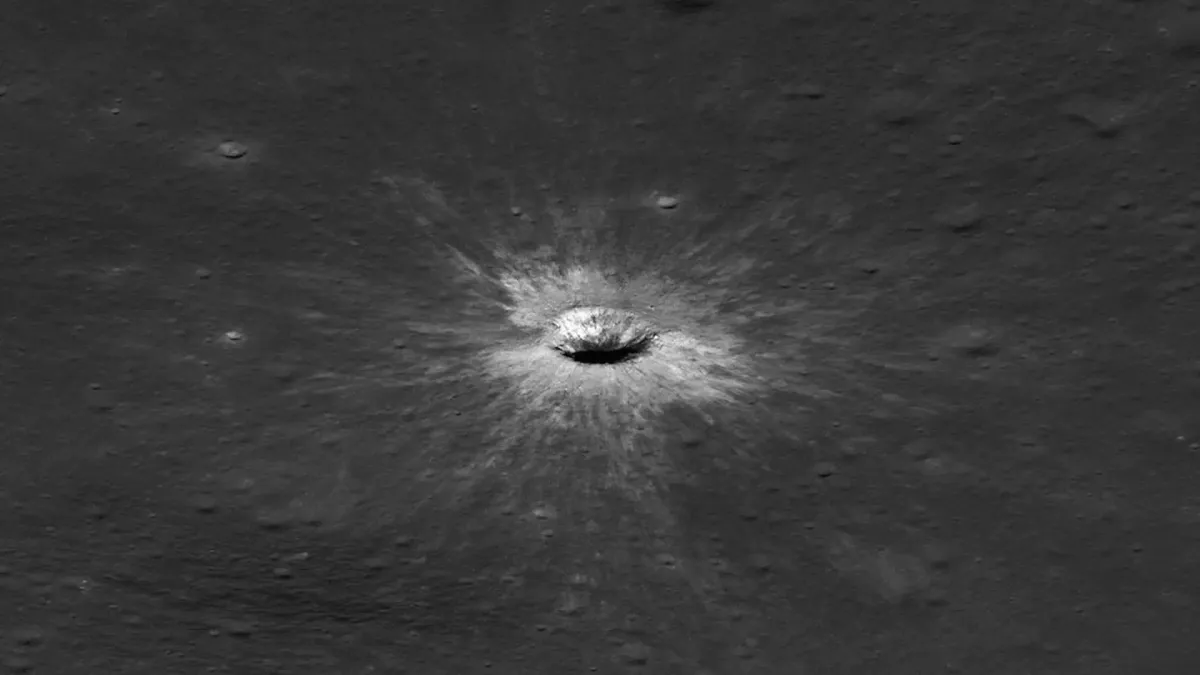
NASA orbiter spots record-sized new crater on the Moon - Futura, le média qui explore le monde
Robert Wagner, an image-processing specialist from Intuitive Machines working with LRO camera data, spotted the anomaly on October 24, 2025, during a routine quality check. Automated software designed to flag surface changes between orbital passes highlighted a distinct shift in wide-angle imagery. While most flagged variations turn out to be false alarms caused by shifting light and shadow, Wagner investigated the signal directly. The feature’s bright ejecta pattern and surrounding disturbance were consistent with a recent impact. Following the verification, the team used LRO’s high-resolution Narrow-Angle Camera to obtain follow-up images at roughly meter-scale resolution. The crater formed on the Moon’s eastern edge when a fragment from an asteroid or comet, estimated to be roughly three to six stories tall, struck the surface. Named in honor of late lunar scientist Thomas McGetchin, the crater carved into the regolith and hurled debris across the landscape. The strike excavated soil and spread bright ejecta across the surrounding area.
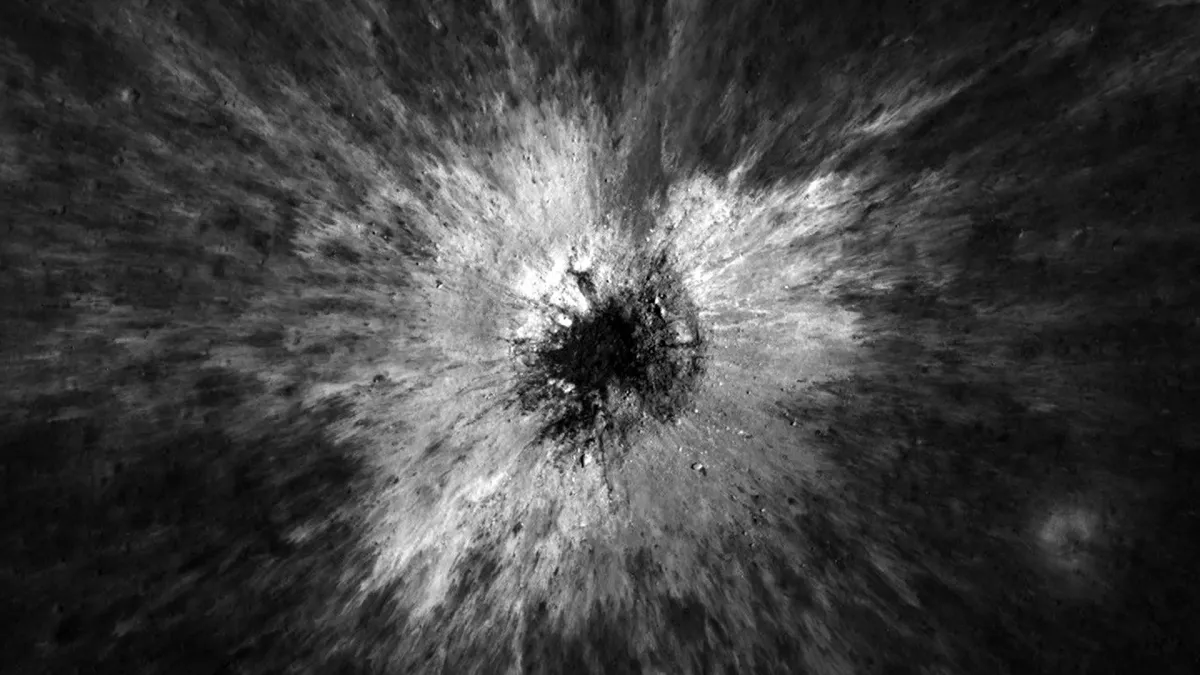
NASA’s Moon orbiter finds a 728-foot crater that wasn’t there before - Science Daily
A routine check of NASA lunar data unexpectedly led to a major discovery. Robert Wagner, a scientist who works with NASA's Lunar Reconnaissance Orbiter (LRO), was examining a large map of the Moon when something unusual stood out on his computer screen. He noticed an unusually bright patch surrounded by a dark halo, a pattern suggesting that material on the lunar surface had recently been disturbed.
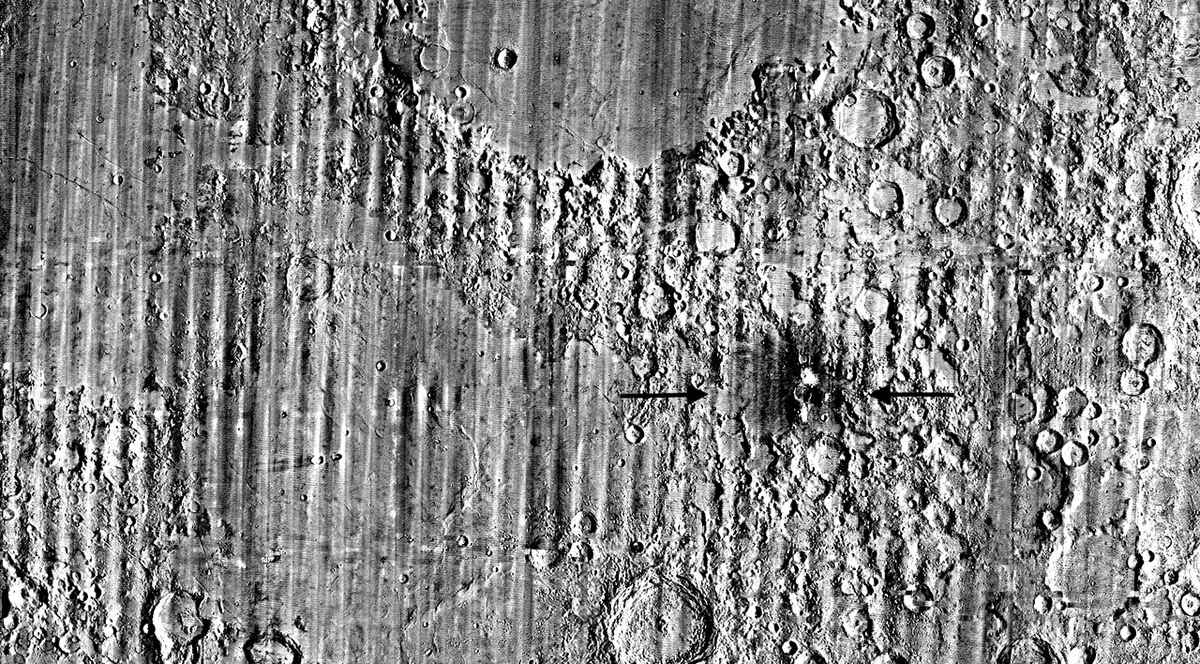
NASA’s Moon Orbiter Spots New, ‘Once-in-Century’ Moon Crater - NASA Science (.gov)
A zoomed-in view of the Moon made from images from NASA’s Lunar Reconnaissance Orbiter Camera. (More information at the bottom of article.) It started as a routine data-quality check. But as Robert Wagner, a scientist with NASA’s Lunar Reconnaissance Orbiter (LRO), scanned a giant Moon map on his computer screen, an unusually large bright spot circled by a dark halo caught his eye, as it implied that surface material in that area had been shaken up.
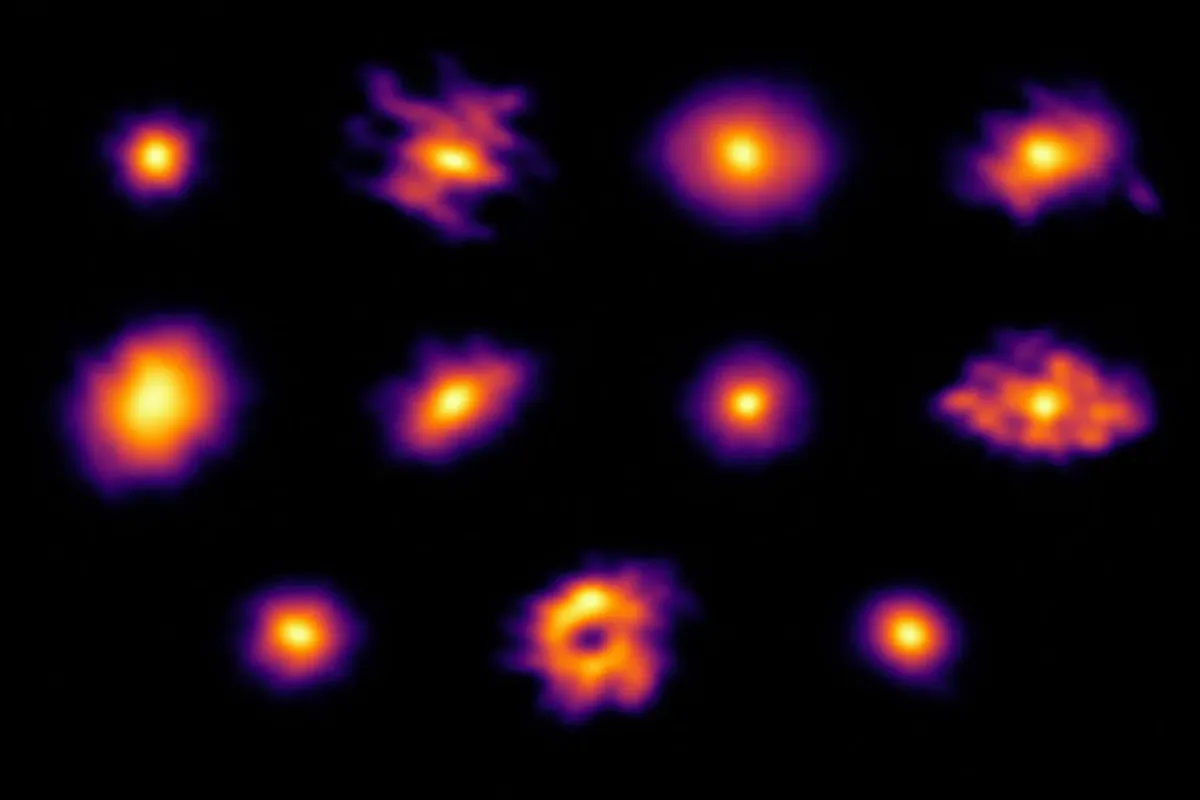
Tiny planet-forming disks reveal a big surprise about how planets are born - Tech Explorist
Hidden gaps in tiny disks could point to planets still forming. Continue reading Tiny planet-forming disks reveal a big surprise about how planets are born on Tech Explorist .

Scientists discover why some people still can’t taste food after COVID-19 - Science Daily
Scientists have uncovered changes inside taste buds that may help explain why some people struggle to taste food more than a year after recovering from COVID-19. The findings point to disruptions in the molecular signals responsible for detecting certain flavors, along with physical abnormalities in the structure of taste buds. The study, published in Chemical Senses, offers the first direct biological evidence connecting persistent taste problems reported by patients to measurable changes within their taste cells.
0 comments
No comments yet. Be the first to share your thoughts!