Tiny planet-forming disks reveal a big surprise about how planets are born - Tech Explorist
This story deserves to be shared
Send it to someone who'd care, or post it on your networks.
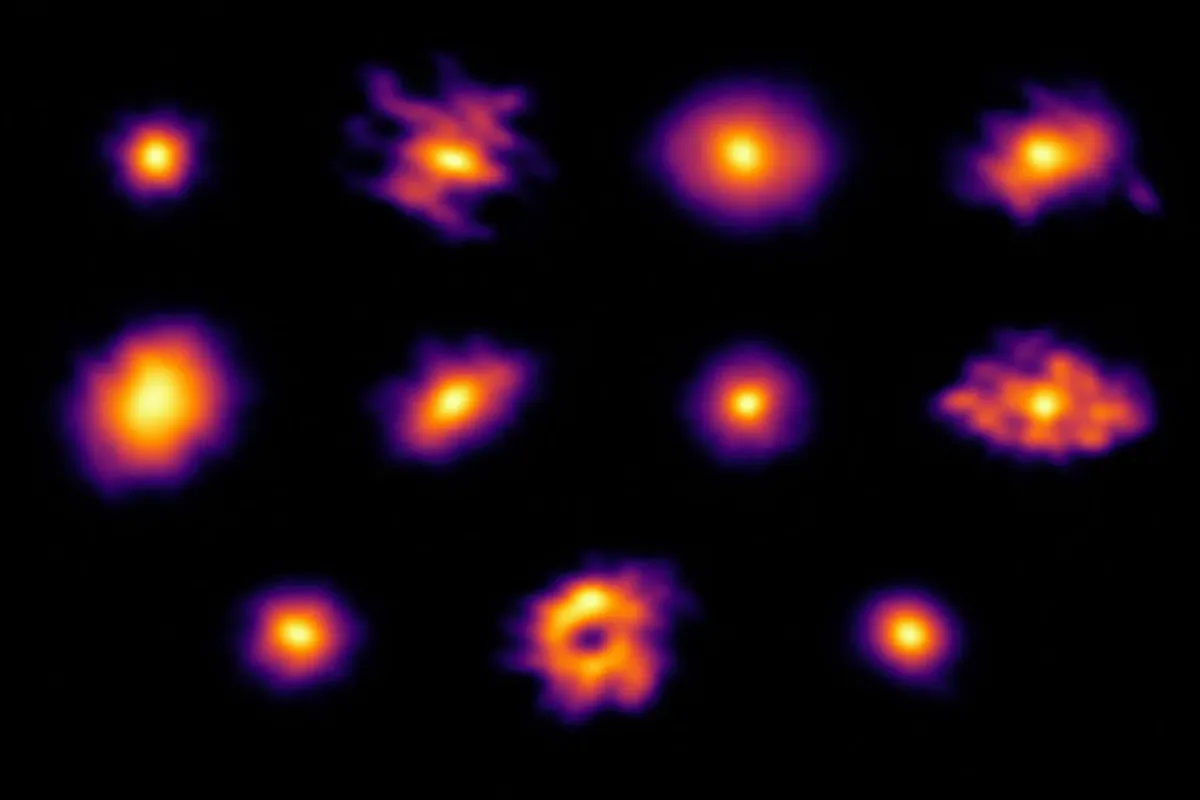
Hidden gaps in tiny disks could point to planets still forming. Continue reading Tiny planet-forming disks reveal a big surprise about how planets are born on Tech Explorist .
This article is an excerpt. To read the full content, visit the original source. Tech Explorist
Related articles

Africa Is Breaking Apart Faster Than We Thought, Forming a New Ocean - ScienceAlert
Geologists have discovered that the African continent will split apart sooner than we thought. An active rift has reached a "critical threshold" and will soon break apart, forming a new ocean. That said, 'soon' is a relative term – it'll still take a few million years more, but that's a blink of an eye on a geological scale. "We found that rifting in this zone is more advanced, and the crust is thinner, than anyone had recognized," says Christian Rowan, a geoscientist at Columbia University. "Eastern Africa has progressed further in the rifting process than previously thought. "The most intriguing thing about the find is its implications for our own history. The Turkana Rift Zone in Kenya is rich in early hominin fossils, which implies it was a key location for human evolution. But the new find suggests the region may not necessarily have been more important to our ancestors than anywhere else in Africa – instead, it may just be that these geologic processes created very favorable conditions for fossilization.

Scientists discover why some people still can’t taste food after COVID-19 - Science Daily
Scientists have uncovered changes inside taste buds that may help explain why some people struggle to taste food more than a year after recovering from COVID-19. The findings point to disruptions in the molecular signals responsible for detecting certain flavors, along with physical abnormalities in the structure of taste buds. The study, published in Chemical Senses, offers the first direct biological evidence connecting persistent taste problems reported by patients to measurable changes within their taste cells.
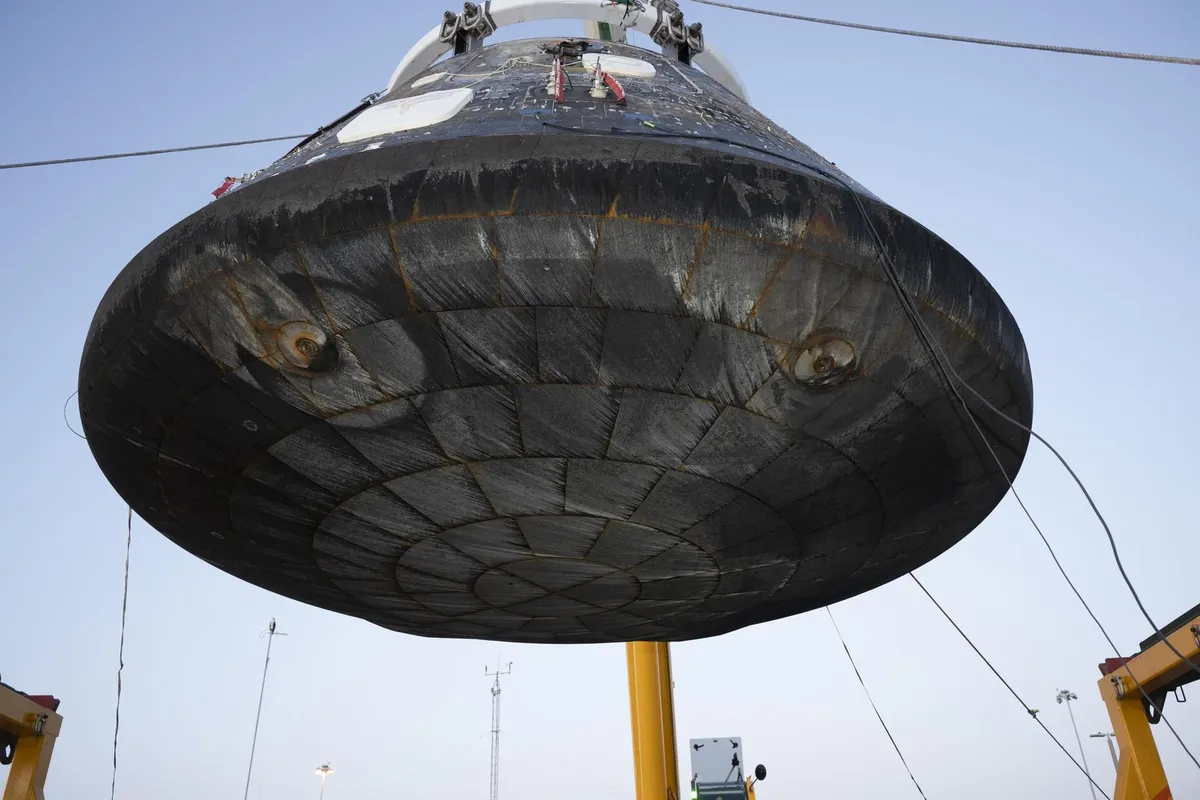
Studies confirm performance of Artemis 2 heat shield - SpaceNews
The Orion heat shield after the Artemis 2 mission, with far less char loss than experienced on Artemis 1. Credit: NASA/Kevin Davis WASHINGTON — Detailed engineering studies have confirmed that the Orion heat shield on the Artemis 2 mission performed as expected, without the erosion seen on Artemis 1.
0 comments
No comments yet. Be the first to share your thoughts!