Light-Powered Probes: The Daring New Plan to Reach Distant Stars Faster - Futura, le média qui explore le monde
This story deserves to be shared
Send it to someone who'd care, or post it on your networks.
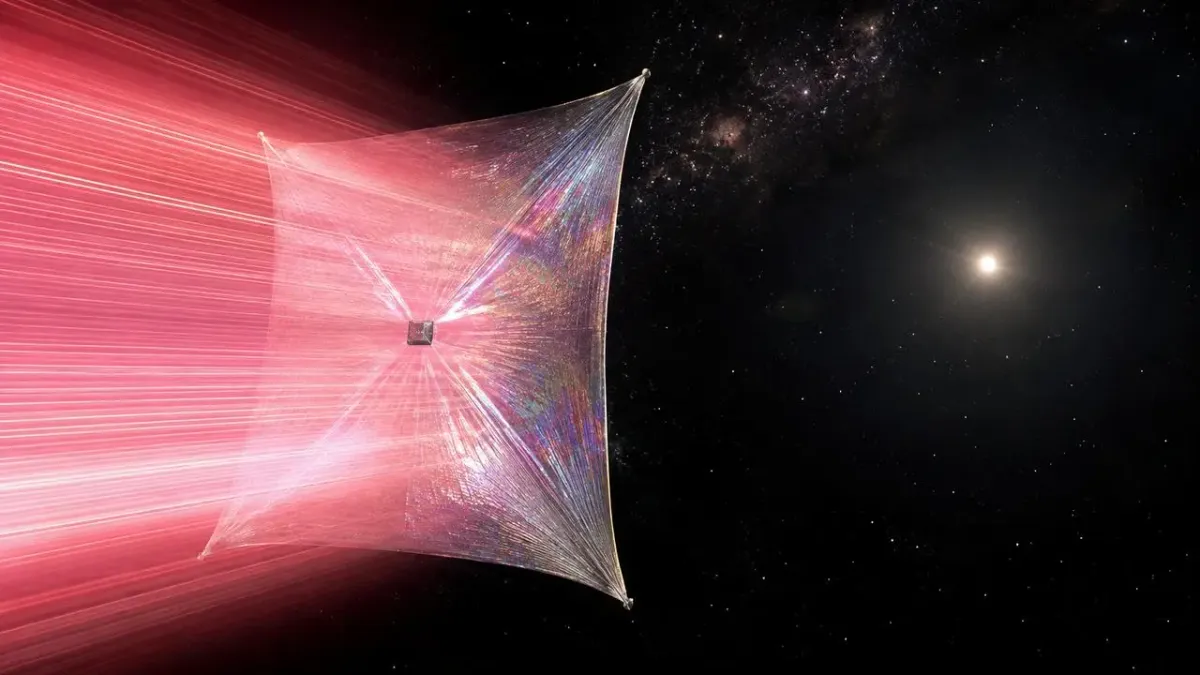
The only thing we can be sure of about the future is that it will be absolutely fantastic. If what I say seems reasonable to you, then I have failed completely,
declared Arthur C. Clarke back in 1964 on the BBC. In the legendary BBC Horizon documentaries more than 60 years ago, Clarke made several predictions—including some about the Internet that proved uncannily accurate.
This article is an excerpt. To read the full content, visit the original source. Futura, le média qui explore le monde
Related articles
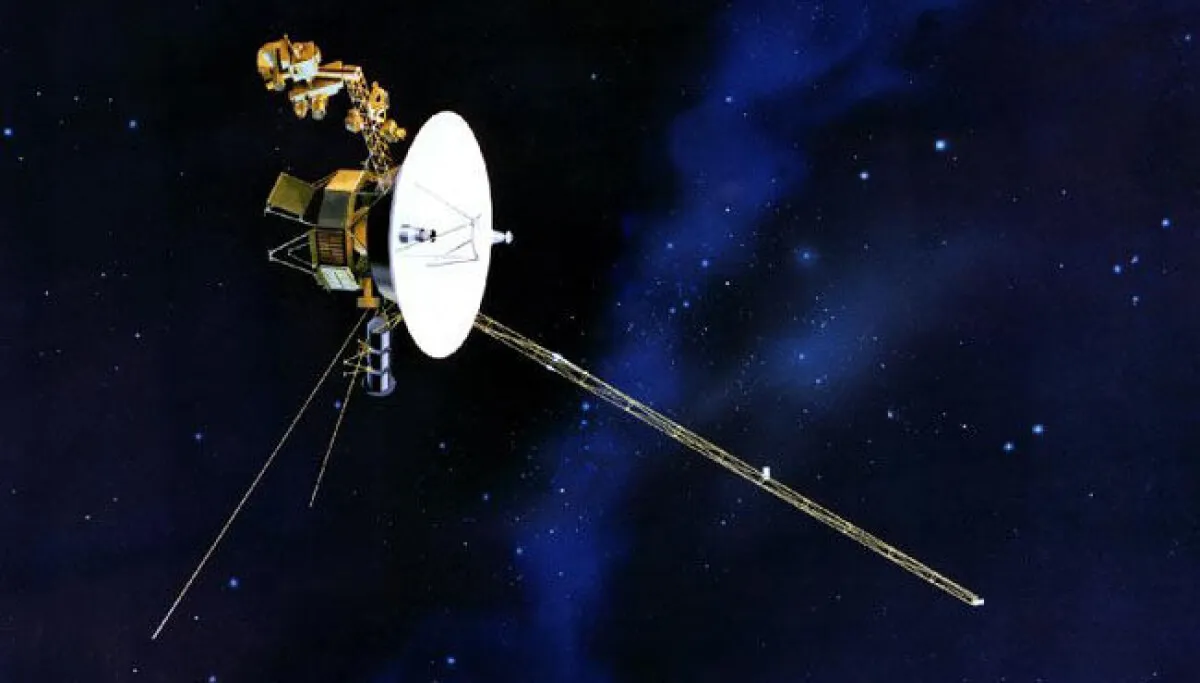
Dr Garry Hunt talks to us about the astonishing Voyager probes - The Register
Voyager imaging team member joins The Reg's Kettle podcast to talk about his role in the mission as probe approaches light day's distance from Earth It's been nearly half a century since the Voyager probes launched from Earth on a mission to explore the outer solar system, and they're still running. You can listen to the latest episode of The Kettle on this page, Spotify, Apple Podcasts, or YouTube. You can also subscribe on those platforms to be notified when a new episode goes live.

Sydney Astronomers Pinpoint The Most Distant Fast Radio Burst Ever Detected - Eurasia Review
Astronomers led by University of Sydney researchers have detected FRB 20240304B, the most distant fast radio burst ever recorded, which originated when the Universe was only about three billion years old and more than doubles the previous distance record. MeerKAT radio observations combined with James Webb Space Telescope infrared imaging identified the host as a small, metal-poor galaxy undergoing intense star formation, supporting the idea that at least some FRBs come from young magnetars.
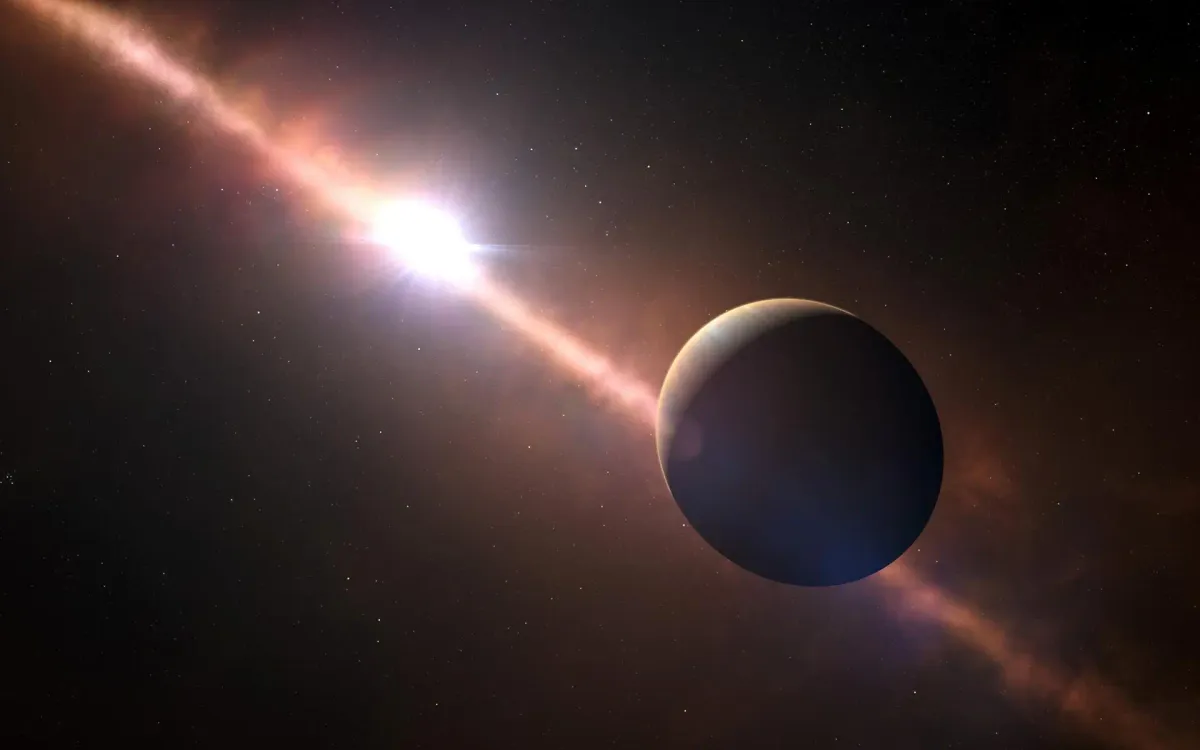
A mysterious radio signal from a distant exoplanet has stunned scientists - Futura, le média qui explore le monde
Powerful dishes isolate a distant planetary signal A research team led by Kevin N. Ortiz Ceballos analyzed four observing sessions conducted between February 2025 and May 2026. They used the 64-dish MeerKAT radio telescope in South Africa to scan the young Beta Pictoris star system.
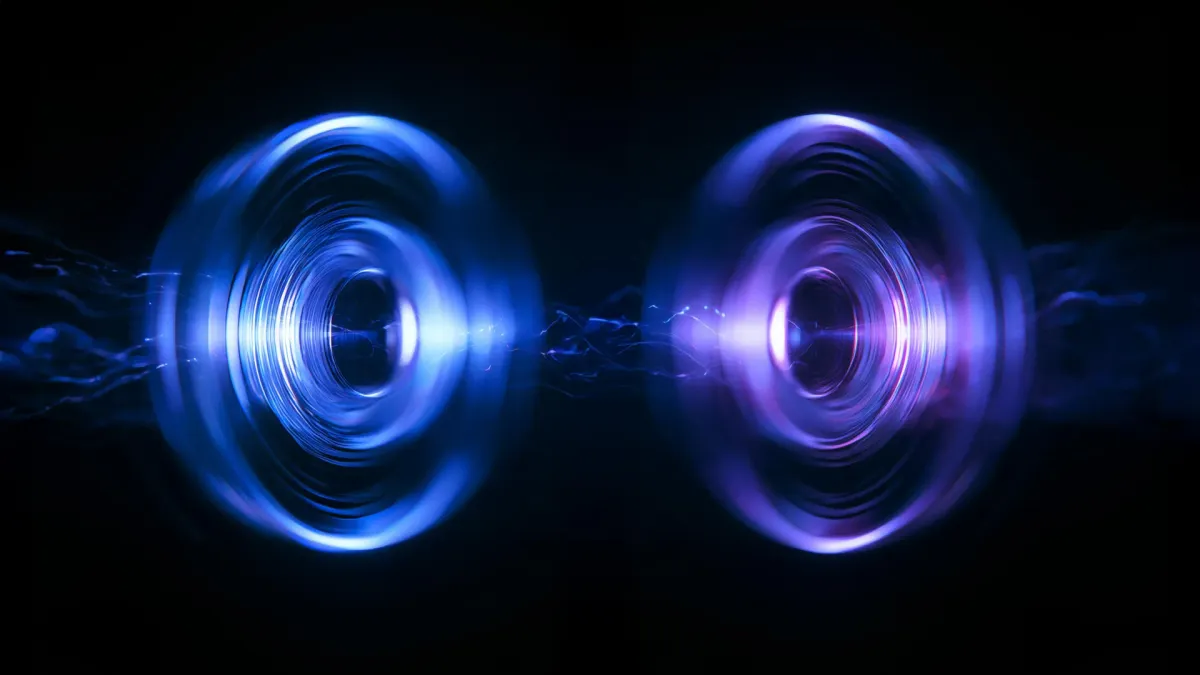
Distant time crystals can somehow fall into the same rhythm - Science Daily
Physicists at TU Dortmund University showed in January 2024 that a continuous time crystal could persist inside a semiconductor, with its oscillations remaining stable for hours. Now, in a new study published inNature Communications, Prof. Alex Greilich and his colleagues have found that multiple time crystals can emerge within the same material and synchronize their electron-nuclear spin oscillations. Time crystals are unusual physical systems whose internal behavior repeats in a regular rhythm over time, even though they are not being driven by a repeating external signal.
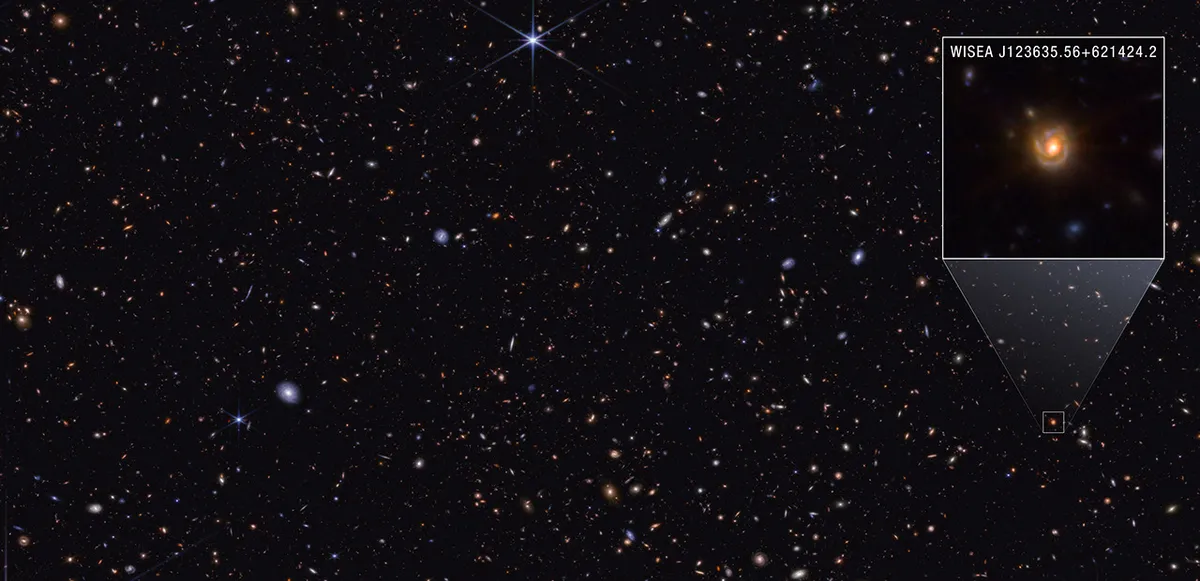
NASA Webb Explores Family Tree of Newly Discovered Distant Objects - NASA Science (.gov)
Since their discovery by NASA’s James Webb Space Telescope in 2022, little red dots (LRDs) have been the subject of great interest to astronomers. Understanding the nature of these extremely distant, compact red sources has been a puzzling scientific endeavor. One popular theory is that little red dots are supermassive black holes known as active galactic nuclei, although they display characteristics unlike nearby active galactic nuclei. While they appear abundant at high redshift early in the universe, they rapidly decrease in number at lower redshifts. (The higher the redshift, the greater the distance the light has traveled across the universe.) This perplexing shift in number raises the question: What happens to little red dots as the universe matures?
0 comments
No comments yet. Be the first to share your thoughts!