Sydney Astronomers Pinpoint The Most Distant Fast Radio Burst Ever Detected - Eurasia Review
This story deserves to be shared
Send it to someone who'd care, or post it on your networks.

Astronomers led by University of Sydney researchers have detected FRB 20240304B, the most distant fast radio burst ever recorded, which originated when the Universe was only about three billion years old and more than doubles the previous distance record.
MeerKAT radio observations combined with James Webb Space Telescope infrared imaging identified the host as a small, metal-poor galaxy undergoing intense star formation, supporting the idea that at least some FRBs come from young magnetars.
This article is an excerpt. To read the full content, visit the original source. Eurasia Review
Related articles

Scientists pinpoint key hotspot driving tau propagation in dementia - News-Medical
Diseases such as Alzheimer's and frontotemporal dementia are considered neurodegenerative tauopathies, in which tau proteins in the brain misfold and lead to cognitive decline. Until now, it has been unclear how misfolded tau recruits other seemingly healthy tau and causes it to misfold and clump. A new study led by Northwestern University researchers, in collaboration with researchers with the University of California, Santa Barbara, found that tau vulnerable to misfolding carries a single dominant hotspot. That site binds the matching site on a neighboring tau, or on a tau at the end of an existing fibril, and the incoming tau then misfolds to match. The hotspot is hydrated by water that is wrapping over and protecting a hydrophobic site, and releasing that water is what pulls the two together. This finding could help scientists diagnose tauopathies, block misfolded tau from converting other normal tau to misfolded shapes, and design therapeutic solutions in the future.

Human teeth pinpoint when lead began poisoning medieval town - Popular Science
Lead mining began during the 7th century in Derbyshire, England. Magpie Mine was the last facility to operate in the region. It opened in 1735 and finally closed in 1954. Thanks to some medieval human teeth, archaeologists have pinpointed when lead production first expanded across Europe during the Middle Ages. By examining dental enamel collected from graves located in central England, researchers now know the post-Roman society started mining and smelting again during the mid-7th century. As the team explains in a study published today in the journal Antiquity, the consequences of exposure to the toxic were stark—but distributed unequally among locals.
A mysterious radio signal from a distant exoplanet has stunned scientists - Futura, le média qui explore le monde
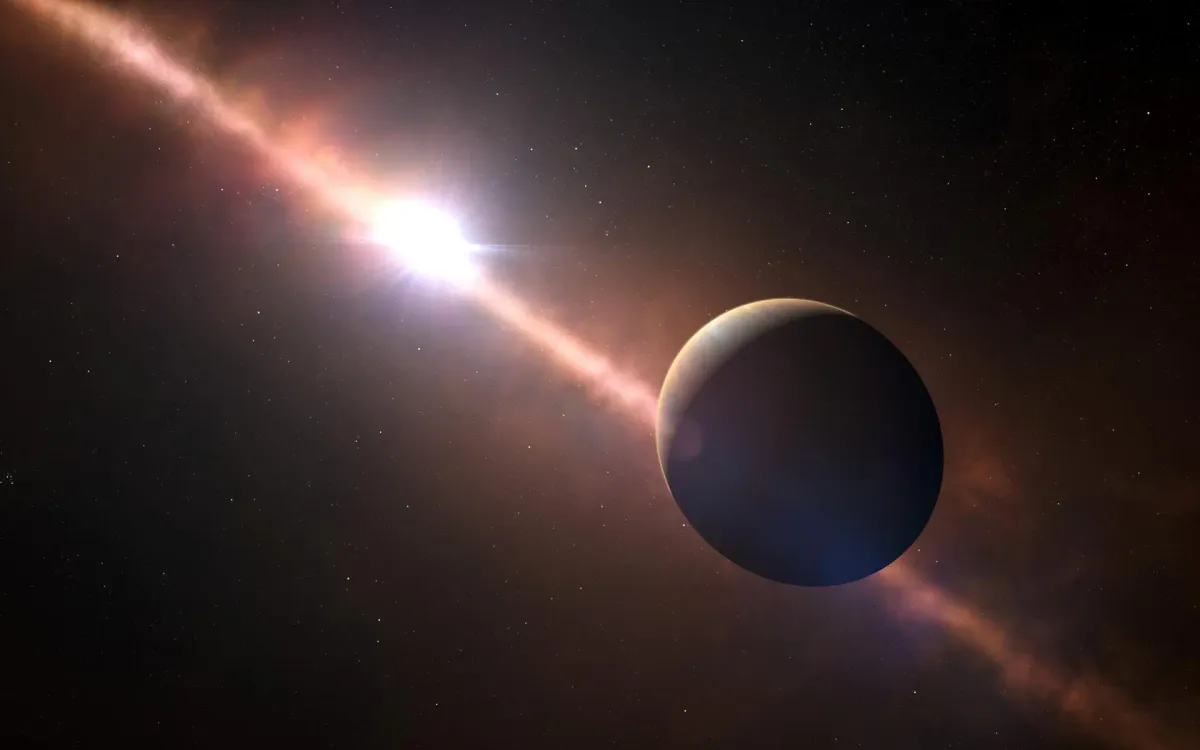
Powerful dishes isolate a distant planetary signal A research team led by Kevin N. Ortiz Ceballos analyzed four observing sessions conducted between February 2025 and May 2026. They used the 64-dish MeerKAT radio telescope in South Africa to scan the young Beta Pictoris star system.

Sharks can hear nearly 250 feet away and pinpoint the source - Science Daily
The ocean is filled with sound, and for sharks, those sounds can reveal what is happening well beyond their field of view. Noise produced by prey, predators, and other animals may provide important information about the surrounding environment. Yet scientists have had little direct evidence showing just how far a shark swimming freely in the ocean can hear, or whether it can tell where a distant sound originated. A new study from Florida Atlantic University is beginning to answer those questions. Researchers studying blacktip sharks (Carcharhinus limbatus) used an underwater speaker, a drone, and wild sharks swimming naturally in coastal waters. They found that the animals could detect sounds from substantial distances and abruptly turn away from the source, even when it was nearly 250 feet away.
Scientists Pinpoint a Possible “Sweet Spot” for Life’s Origins 4.33 Billion Years Ago - SciTechDaily
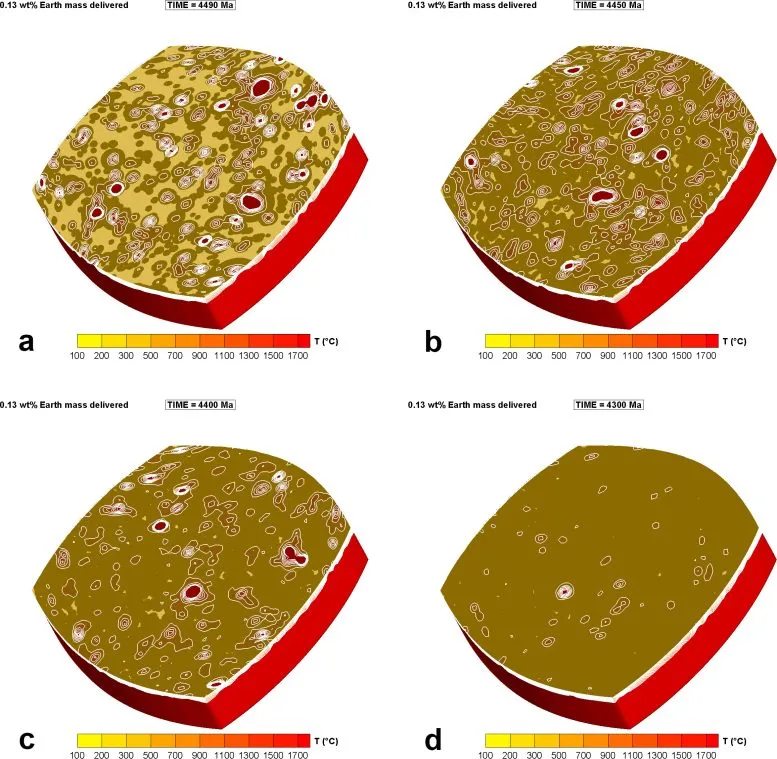
Earth’s violent early bombardment may have helped create the very environments needed for prebiotic chemistry. Credit: ShutterstockBy simulating a billion years of Earth’s history, researchers have identified a possible window for life’s earliest chemistry around 4.33 billion years ago. During its first few hundred million years, Earth was a hostile target. Asteroids, comets, and leftover planetesimals, smaller bodies remaining from planet formation, relentlessly battered the planet, generating intense heat that could sterilize the shallow crust and destroy chemical precursors to life. For biological systems to take root, their delicate molecules required prolonged periods to form, remain intact, and interact. Researchers are particularly interested in finding when this stability emerged for the RNA World, a proposed early stage in biological history before DNA assumed its modern genetic role. Because RNA can hold genetic information and perform some of the chemical work needed for replication, scientists consider it a leading candidate for an early biological system.
0 comments
No comments yet. Be the first to share your thoughts!