Sea level rise is speeding up and scientists now know exactly why - Science Daily
This story deserves to be shared
Send it to someone who'd care, or post it on your networks.
This article is an excerpt. To read the full content, visit the original source. Science Daily
Related articles
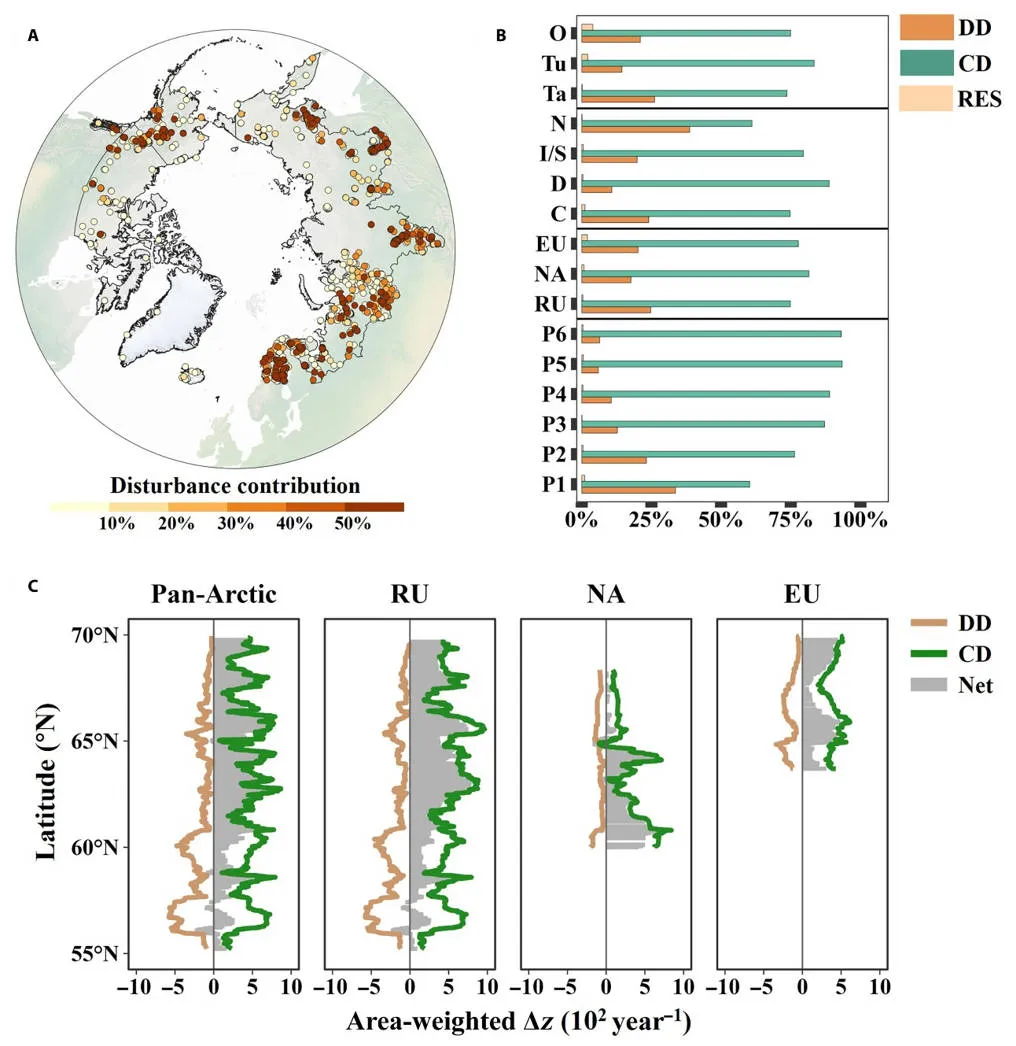
Human activity erodes climate-driven Arctic greening | Newswise - Newswise
Arctic vegetation helps regulate high-latitude carbon storage, surface energy exchange, biodiversity, and ecosystem resilience. Satellite observations have documented widespread greening as temperatures rise, yet some regions show stagnation or browning because of moisture stress, permafrost thaw, nutrient constraints, and other processes. Human activities add pressure through mining, hydrocarbon development, roads, settlements, and land-cover conversion. Previous assessments have often been geographically fragmented, temporally limited, or too coarse to distinguish localized disturbance from broader climatic effects. Based on these challenges, in-depth research is needed to more accurately separate and quantify the respective contributions of climate forcing and anthropogenic disturbance to Arctic vegetation change. A research team led by Sun Yat-sen University, with collaborators from Duke University, the University of North Carolina at Chapel Hill, and the Aerospace Information Research Institute, Chinese Academy of Sciences, published (DOI: 10.34133/remotesensing.1062) the study on 5 August 2026 in the Journal of Remote Sensing.
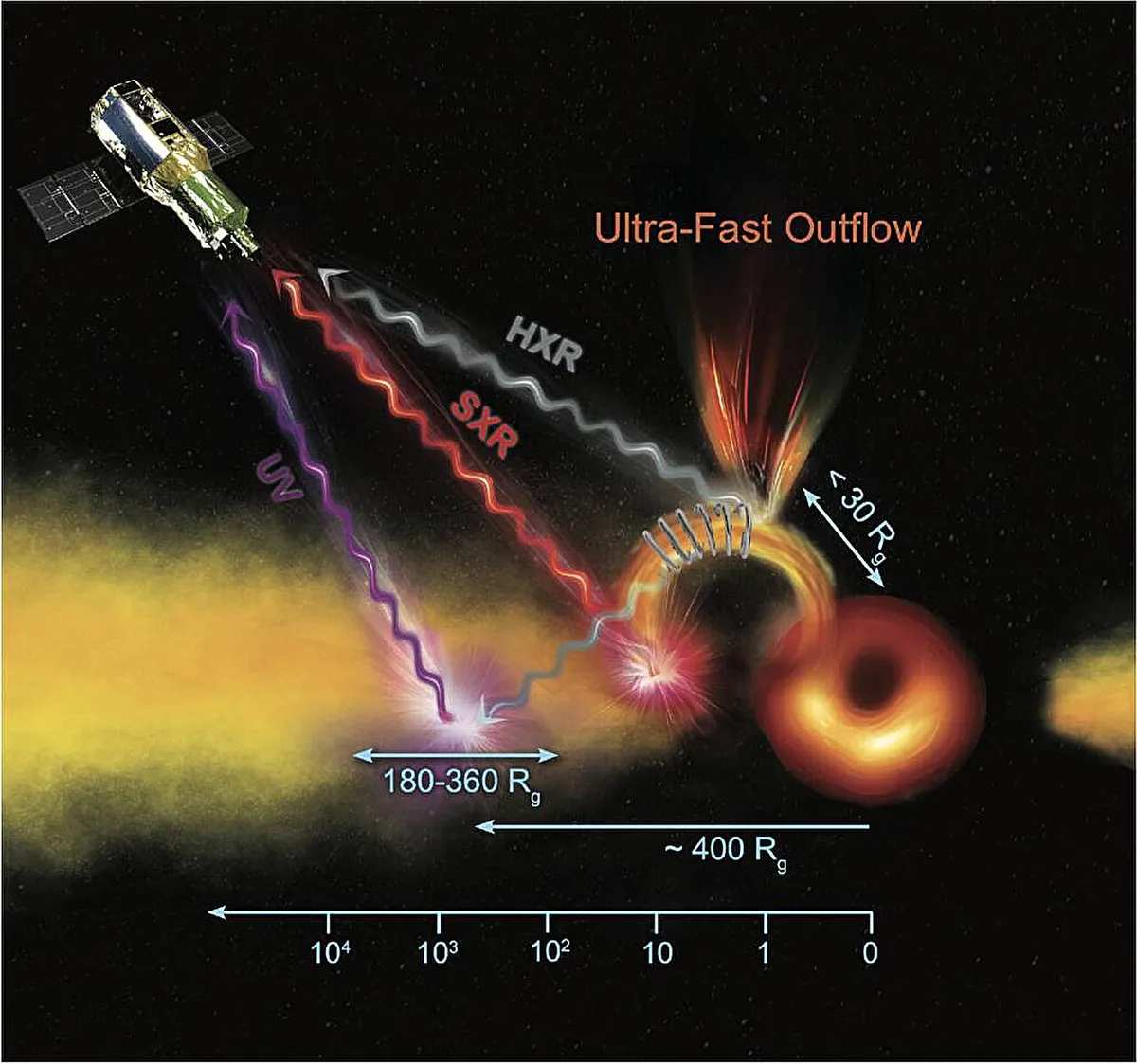
Black hole observations uncover evidence of solar storm–like magnetic eruptions - Phys.org
Schematic illustration of the detected magnetic reconnection event and ensuing processes. Credit: The Astrophysical Journal Letters (2026). DOI: 10.3847/2041-8213/ae8f44 Technion researchers have presented evidence for the existence of solar-storm-like outbursts near supermassive black holes, which can be a million times larger than the sun or more. The phenomenon was discovered in the vicinity of the black hole in the galaxy NGC 3783, and the researchers' findings were published in The Astrophysical Journal Letters.
Quantum Leap For Canadian INRS High-temperature Materials Research - Quantum Zeitgeist
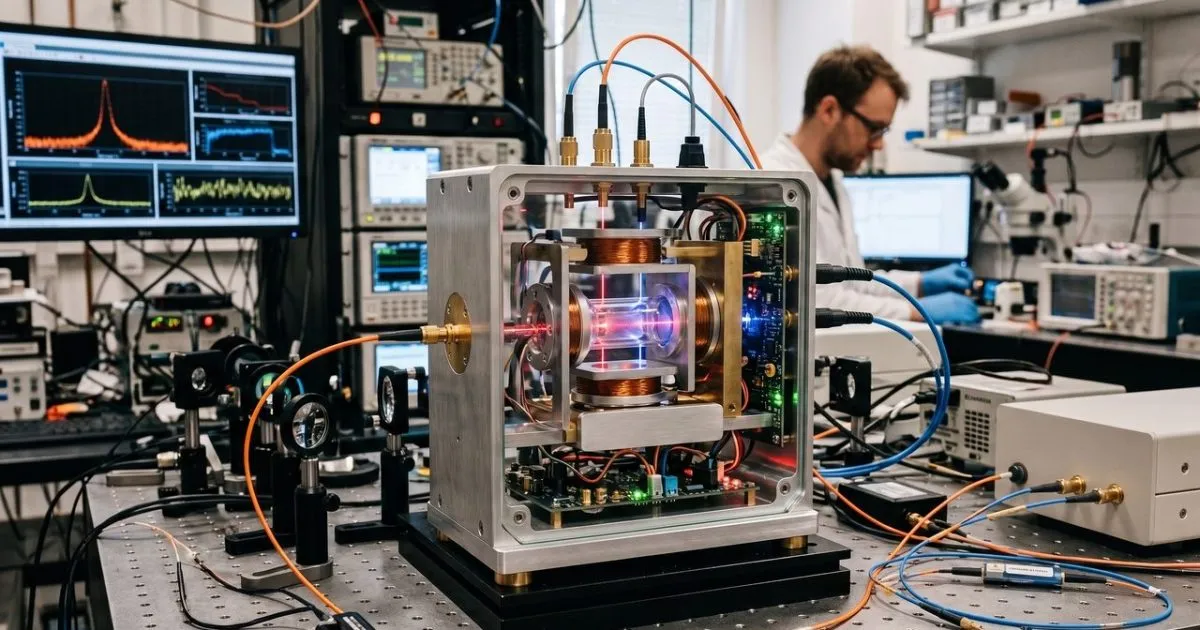
After nearly 40 years since the discovery of cuprates, copper-based compounds promising lossless electricity transmission, the mechanisms behind their superconductivity remain elusive. Researchers at the Institut national de la recherche scientifique (INRS), led by Professor Fabio Boschini, have now published findings in Nature Physics revealing a competition between superconductivity and the pseudogap, a mysterious quantum state. “The pseudogap is one of the greatest mysteries in condensed-matter physics,” says Professor Boschini, a specialist in ultrafast spectroscopy of quantum condensed matter at INRS, adding that understanding its interaction with superconductivity is essential to explaining high-temperature superconductivity. The INRS team used a pulse of light to temporarily suppress superconductivity, observing how the material responded in real time and uncovering previously hidden electronic states.
Curtain-like plasma structures explain solar jets' apparent spinning in simulations - Phys.org
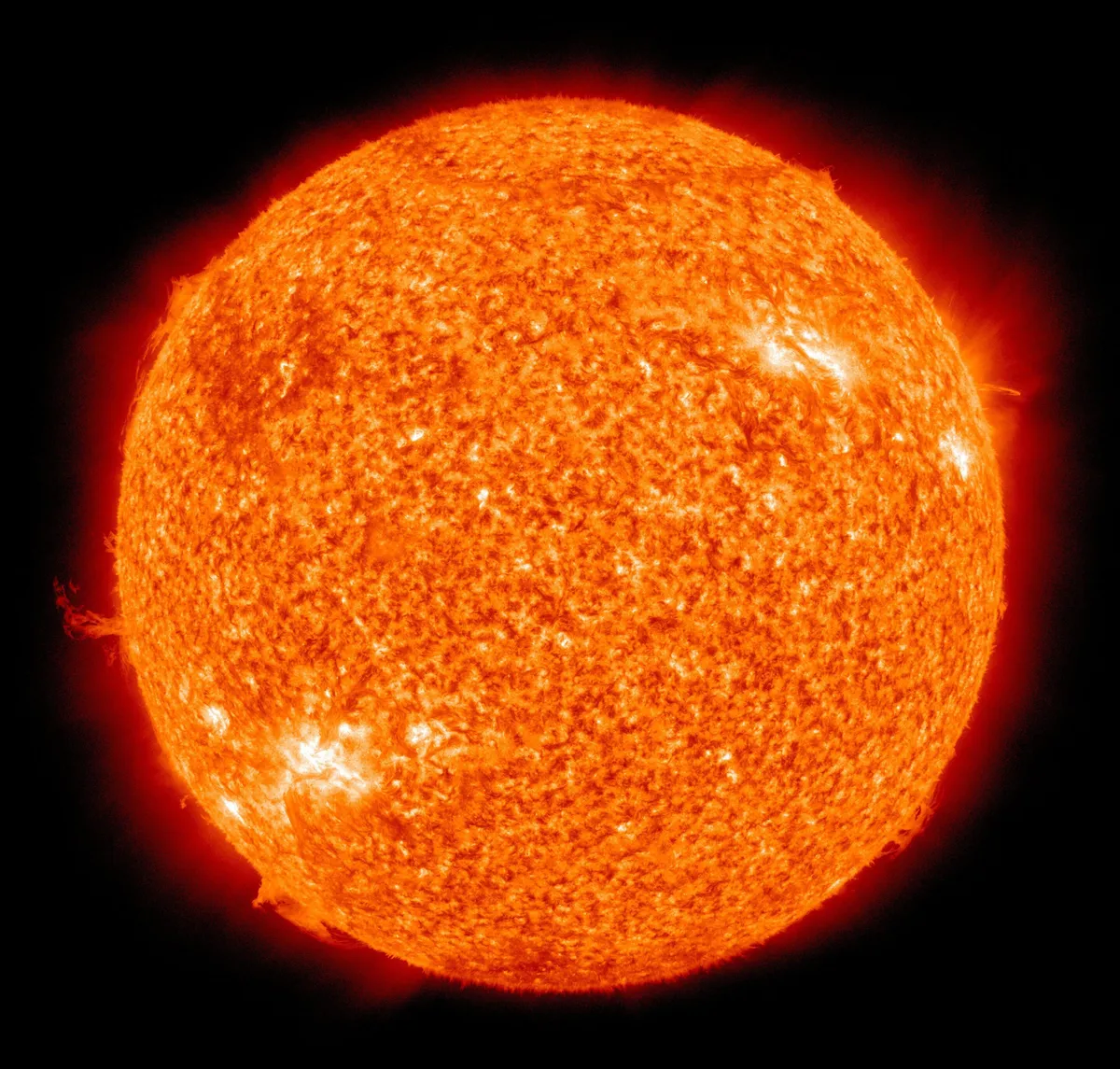
An international team of scientists from the University of Sheffield and the Indian Institute of Astrophysics, led by a postdoctoral research fellow from the University of Newcastle, Australia, has discovered that solar jets called spicules, which are 6–8 Mm long, take the form of warped, denser plasma sheets like pleated drapery. The findings are published in The Astrophysical Journal.
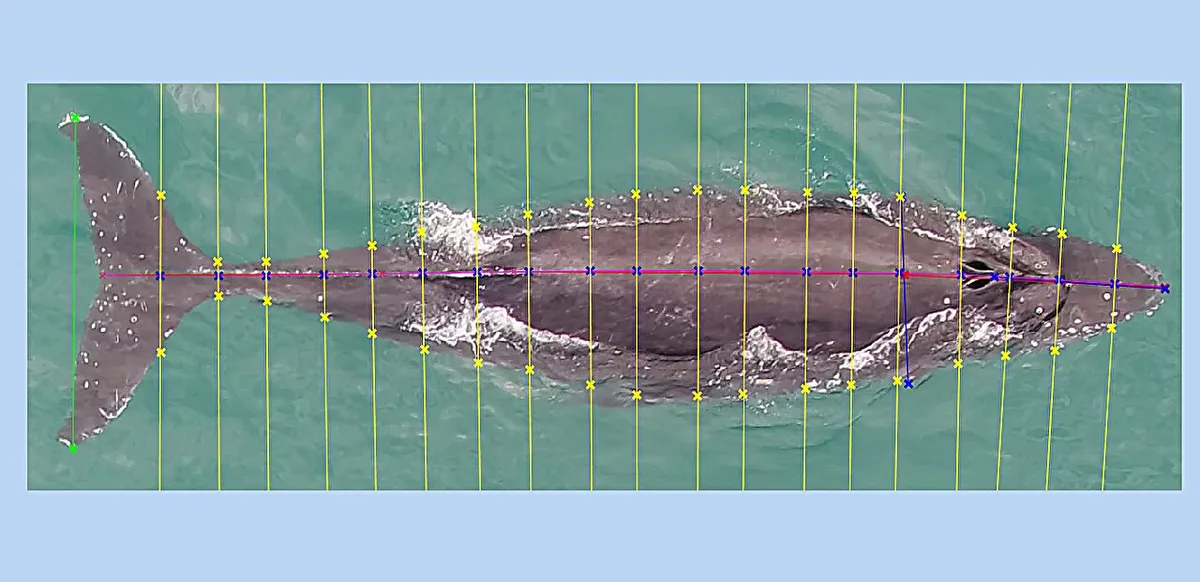
Drone measurements reveal rapid early growth in eastern Australian humpback whales - Phys.org
Eastern Australian humpback whales reach nearly their full adult size quickly, a new Griffith University–led study has found, as shown by the first contemporary growth curves for this recovering whale population. Published in Marine Mammal Science, the study combined drone-based aerial measurements with long-term photo-identification records to track growth across hundreds of whales ranging from newborn calves to adults more than 40 years old.
0 comments
No comments yet. Be the first to share your thoughts!