Human activity erodes climate-driven Arctic greening | Newswise - Newswise
This story deserves to be shared
Send it to someone who'd care, or post it on your networks.
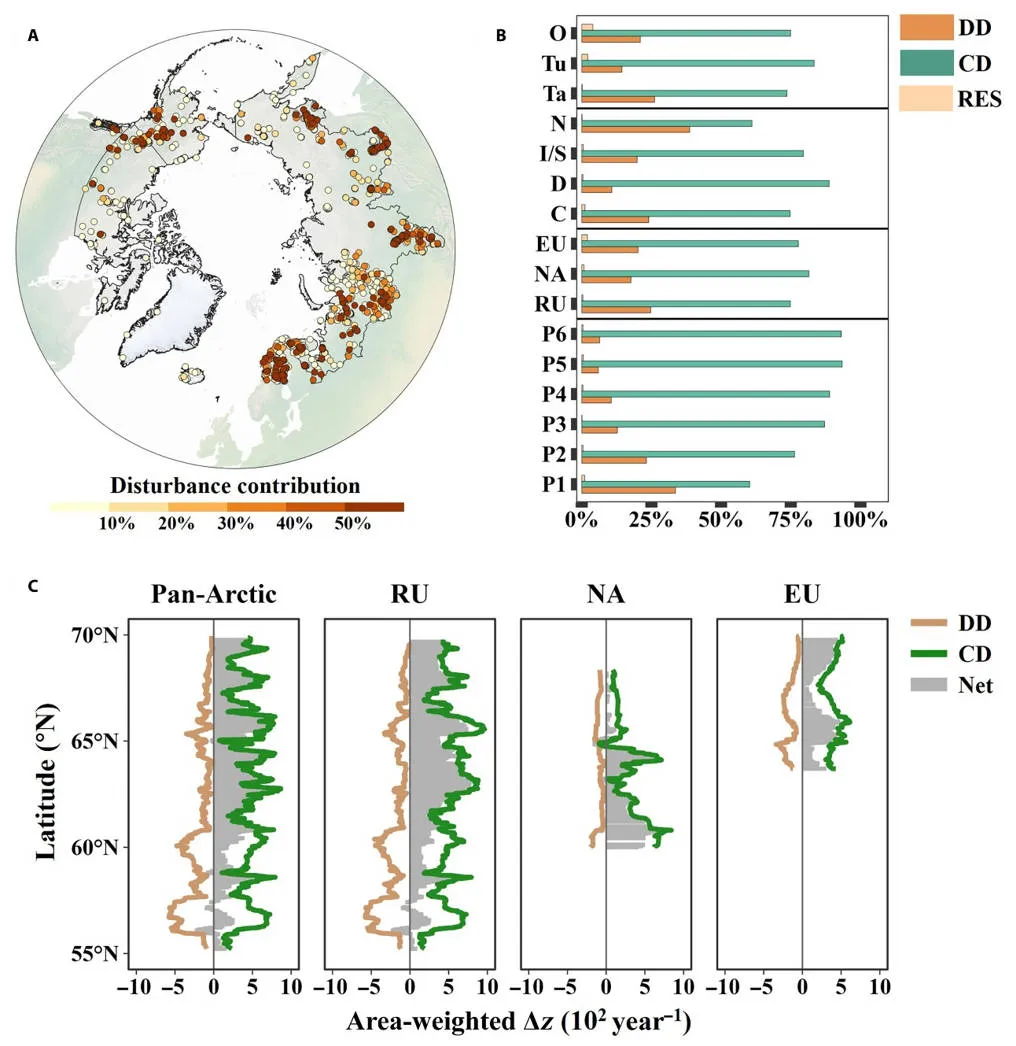
Arctic vegetation helps regulate high-latitude carbon storage, surface energy exchange, biodiversity, and ecosystem resilience. Satellite observations have documented widespread greening as temperatures rise, yet some regions show stagnation or browning because of moisture stress, permafrost thaw, nutrient constraints, and other processes. Human activities add pressure through mining, hydrocarbon development, roads, settlements, and land-cover conversion. Previous assessments have often been geographically fragmented, temporally limited, or too coarse to distinguish localized disturbance from broader climatic effects. Based on these challenges, in-depth research is needed to more accurately separate and quantify the respective contributions of climate forcing and anthropogenic disturbance to Arctic vegetation change. A research team led by Sun Yat-sen University, with collaborators from Duke University, the University of North Carolina at Chapel Hill, and the Aerospace Information Research Institute, Chinese Academy of Sciences, published (DOI: 10.34133/remotesensing.1062) the study on 5 August 2026 in the Journal of Remote Sensing.
This article is an excerpt. To read the full content, visit the original source. Newswise
Related articles
Cleaning the Atmosphere with a CO₂ Conveyor Belt | Newswise - Newswise
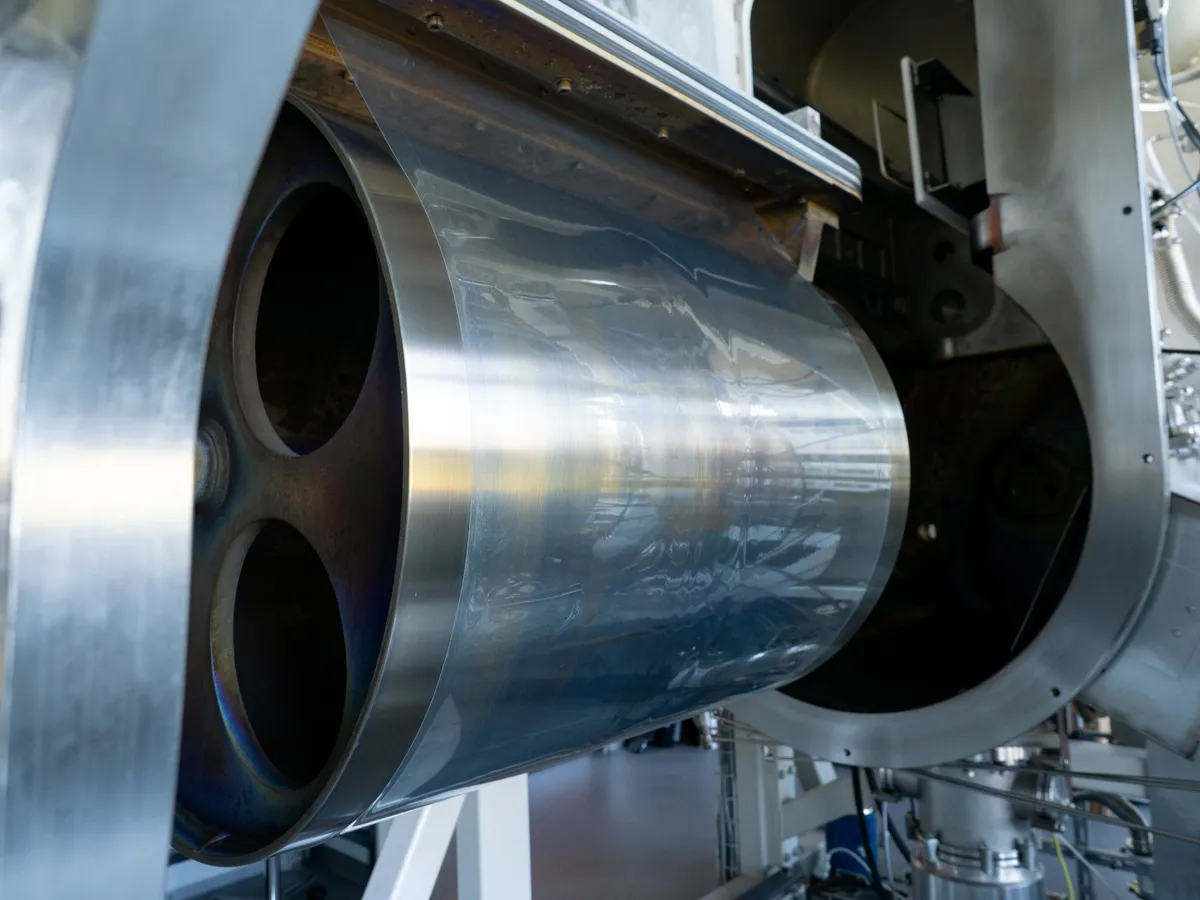
Newswise — Filtering CO₂ directly from the air is considered a key step toward achieving net-zero emissions. So-called direct air capture technologies use fans to blow large volumes of air through porous filter materials. The carbon dioxide is trapped in the adsorber. It is then separated and – often in a vacuum and with the aid of steam – heated so that the CO₂ can be released and “captured.” This works, but it is complex, energy-intensive, and expensive: The concentration of CO₂ in the air is only about 430 ppm (parts per million) – a very low concentration for capture, but already significantly too high for the climate. As a consequence, enormous volumes of air must be moved to extract relevant amounts of the greenhouse gas. Empa’s new approach is therefore deliberately designed differently from existing methods. It focuses not on maximizing storage capacity per cycle, but on speed. “We capture significantly less CO₂ per cycle and compensate for this with faster cycles,” says Empa researcher Sandra Galmarini. Instead of several minutes, a cycle is intended to take less than a second.

Improved yaw model improves GPS Block IIF satellite eclipse-season attitude and clock estimates | Newswise - Newswise
Chinese Academy of SciencesA new assessment shows that all-frequency precise point positioning with ambiguity resolution (PPP-AR) can deliver near-instantaneous centimetre-level positioning when Global Navigation Satellite System (GNSS) observations and modern bias products are used together. The study evaluates Global Positioning System (GPS), Galileo and BeiDou-3 (BDS-3) solutions processed with an uncombined decoupled clock model (DCM) and asks which observational factors best explain remaining differences in converged accuracy. It combines a large-scale International GNSS Service (IGS) analysis with a machine-learning attribution framework based on Random Forest (RF) and XGBoost (XGB). The work is significant because it moves beyond average scores to identify conditions associated with horizontal and vertical accuracy, offering a data-driven complement to conventional GNSS diagnostics in large networks. Chinese Academy of SciencesA research team has mapped how wastewater, so far an overlooked source of potassium fertilizer, offers a potential alternative to conventional potash mining.
Wild carnation genome reveals routes to restore floral scent | Newswise - Newswise
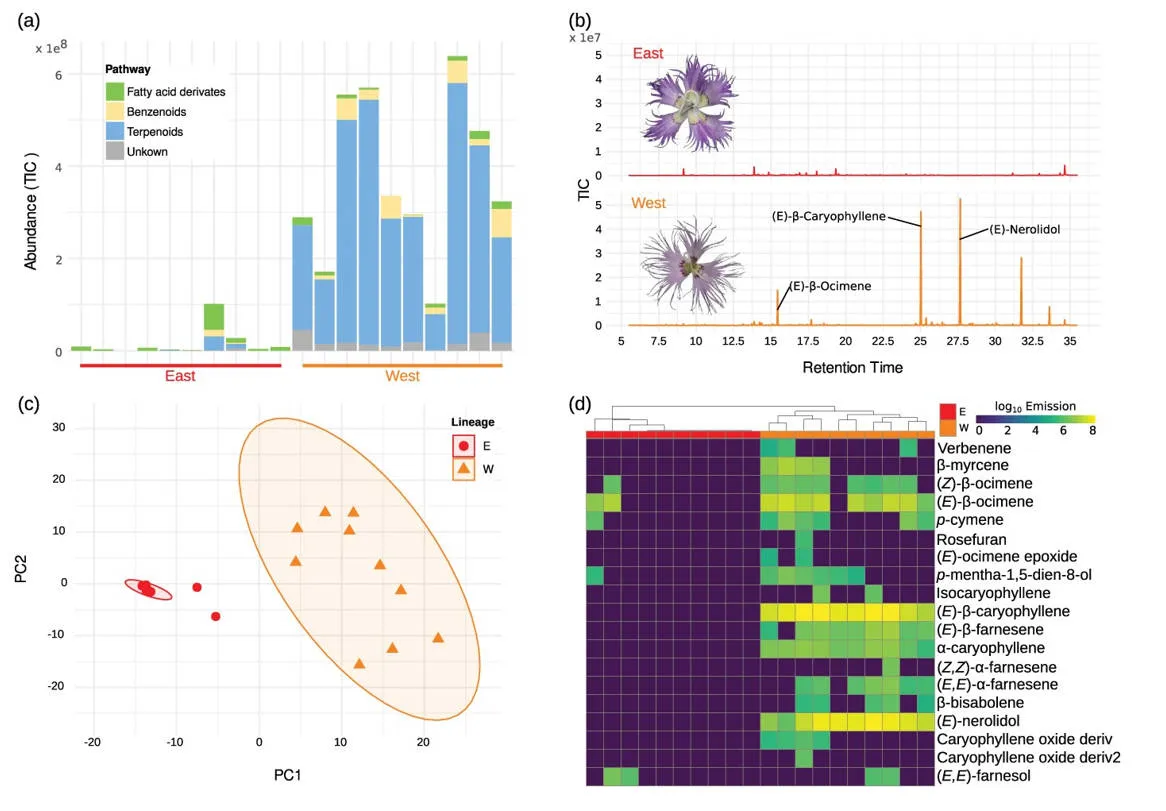
Floral scent is more than an ornamental trait: volatile organic compounds (VOCs) help plants attract pollinators, deter enemies, and communicate with their surroundings. Yet carnation breeding has historically favored flower color, shape, productivity, and longevity, leaving many modern varieties only faintly scented. Understanding this loss has been difficult because high-quality genomes are available mainly for cultivated carnations, whereas their fragrant wild relatives remain poorly represented. Without those wild reference genomes, researchers cannot clearly separate domestication-related changes from deeper species differences or identify useful scent-associated variants. Because of these challenges, deeper research is needed into how domestication reshapes fragrance pathways and how wild genetic diversity can support scent restoration. Published (DOI: 10.1093/hr/uhag130) on April 7, 2026, in Horticulture Research, the study was conducted by researchers at the University of Seville, the University of Salzburg, and the University of Vienna. The team generated an 876-megabase pseudo-chromosome assembly of diploid D.
Feeding and fasting reveal appetite-linked genes in Siberian sturgeon | Newswise - Newswise
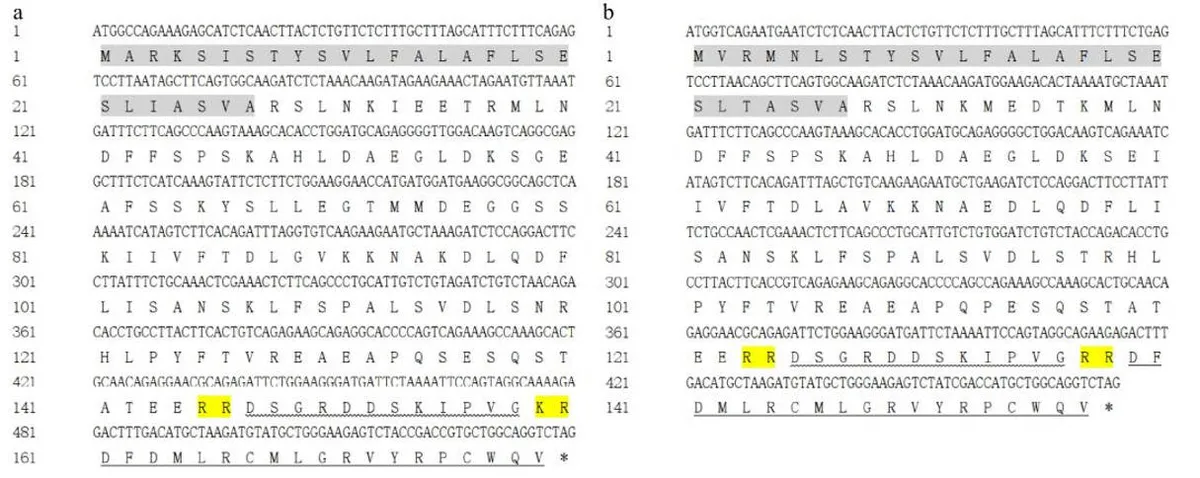
Newswise — Fish rely on signals from the brain and other organs to balance food intake with their energy needs. One such signal, melanin-concentrating hormone (MCH), was first discovered in salmon and has since been studied across vertebrates. In mammals, MCH generally promotes eating, but studies in fish have produced mixed results: its associated gene appears to respond differently to feeding and fasting in different species. Siberian sturgeon are widely farmed for meat and caviar, yet little was known about their pmch genes, where those genes are active, or how they respond when food becomes available or scarce. A study (DOI: 10.48130/jai-0026-0004) published in Journal of Applied Ichthyology on 30 July 2026 by Zhiqiong Li's & Ni Tang's team, Chengdu Agricultural College, reports two pmch forms whose expression patterns suggest possible roles in appetite regulation and liver energy metabolism. The researchers first isolated and sequenced two pmch transcripts, named pmcha and pmchb, from Siberian sturgeon. Their sequences encode precursor proteins of 179 and 158 amino acids, respectively.
Virus-based tool opens a faster route to studying cowpea genes | Newswise - Newswise
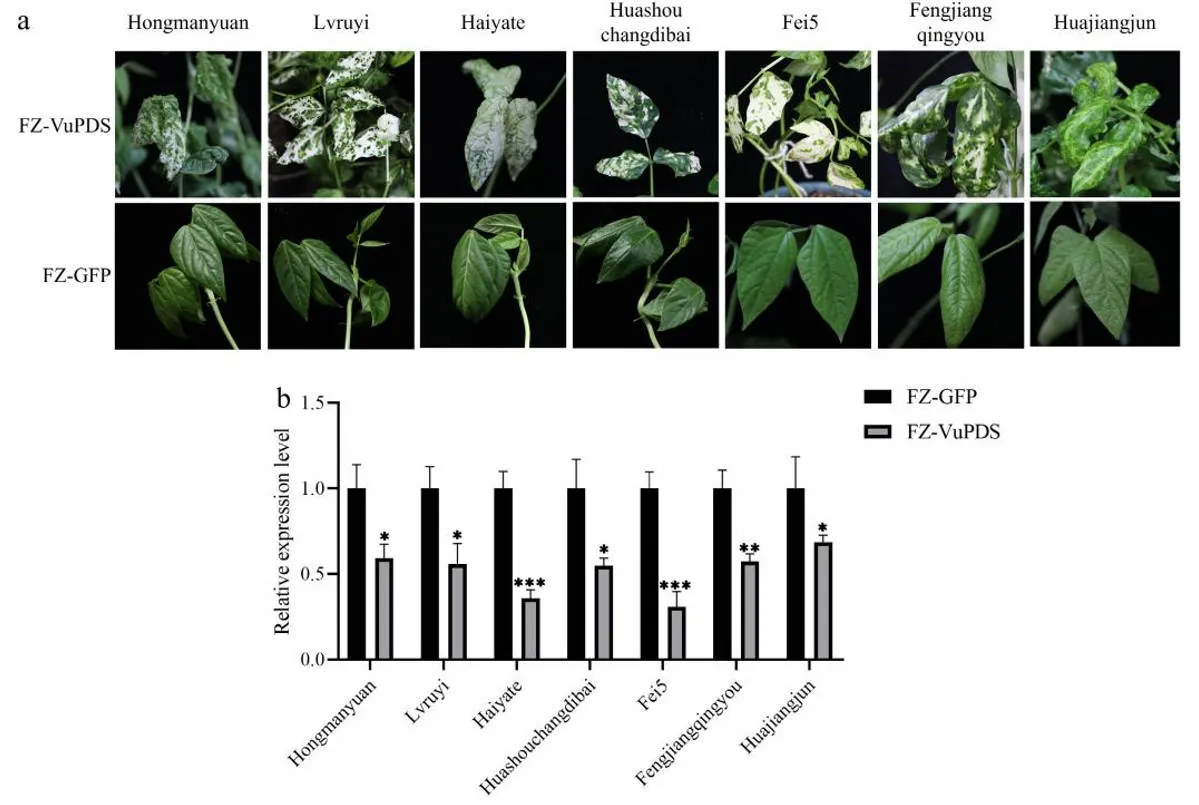
Newswise — Cowpea (Vigna unguiculata) supplies dietary protein, livestock feed, and income in tropical and subtropical regions, while its nitrogen-fixing ability adds agricultural value. Genome sequencing has provided researchers with numerous candidate genes, and genetic transformation has enabled studies of traits such as drought and heat tolerance. However, stable transformation requires extensive preparation and lengthy screening, and its performance depends strongly on plant genotype. Virus-induced gene silencing offers a faster alternative by using viral vectors to trigger the plant’s own gene-silencing machinery. Yet existing approaches have performed inconsistently in cowpea, leaving researchers without a dependable, broadly applicable method for rapidly linking genes to biological functions. A study (DOI: 10.48130/tp-0026-0035) published in Tropical Plants on 08 October 2026 by Ying Zhou's team, Zhejiang University, reports sustained gene silencing across seven cowpea varieties and demonstrates the system's utility for investigating jasmonate regulation during leafminer infestation.
Mapping genetic switches behind rice seedlings’ cold response | Newswise - Newswise
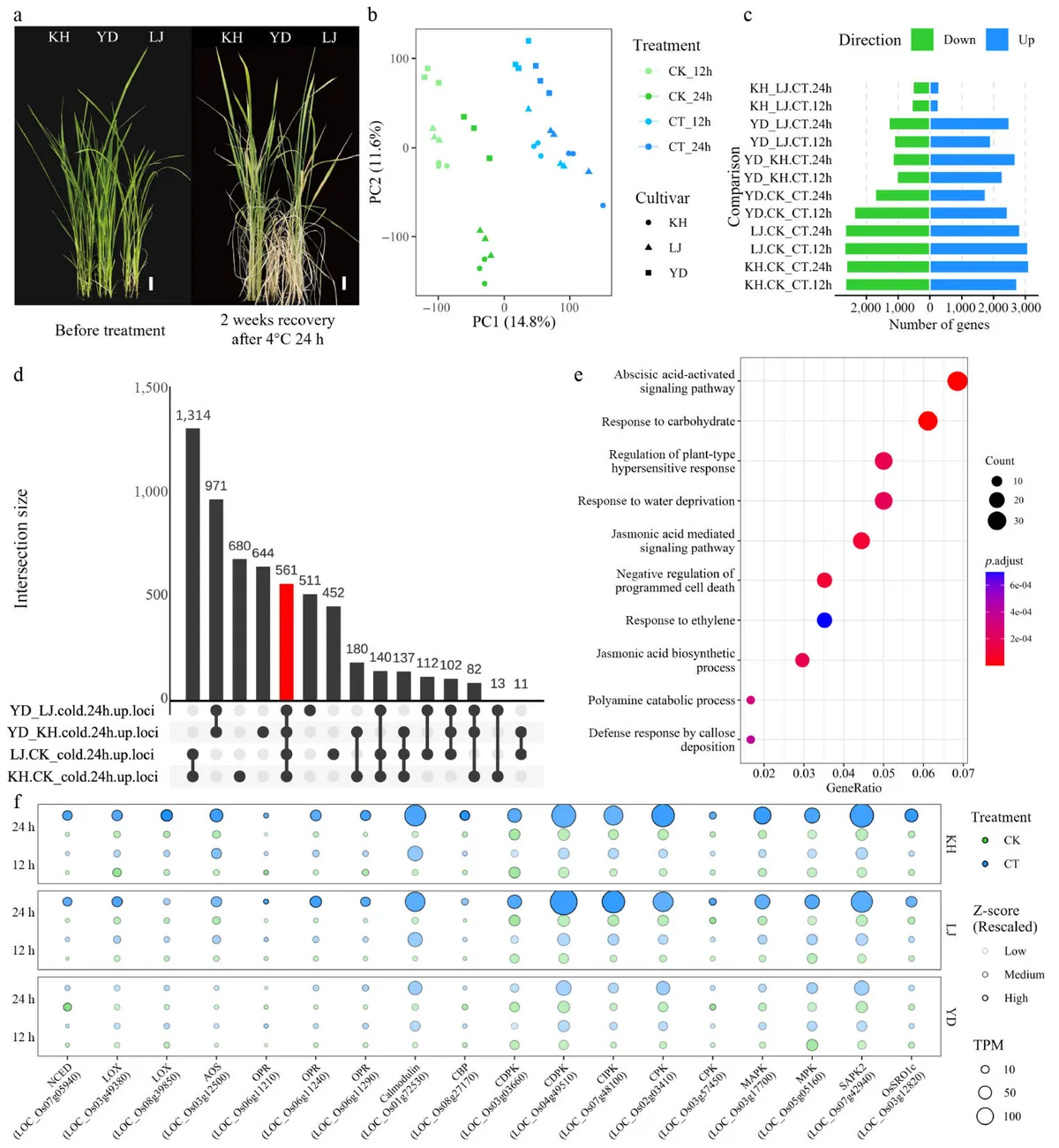
Newswise — Rice originated in subtropical environments, yet its cultivation has expanded into regions where low temperatures threaten growth, development, and yield. Japonica rice generally tolerates cold better than indica rice, and researchers have linked this adaptation to changes in stress-responsive gene expression. Much attention has focused on C-repeat binding factors, a group of transcription factors that help coordinate plant cold responses. However, these proteins may directly regulate only 10%–20% of cold-regulated genes, suggesting that many other regulators operate alongside them. For numerous rice genes, the identities of those regulators and the locations of the DNA sequences they recognize remain unclear. A wider map of these interactions is therefore needed to understand cold adaptation and identify potential targets for crop improvement.
0 comments
No comments yet. Be the first to share your thoughts!