RNA Mutations Gave Synthetic Cells New Functions - Technology Networks
This story deserves to be shared
Send it to someone who'd care, or post it on your networks.
This article is an excerpt. To read the full content, visit the original source. Technology Networks
Related articles
Different DNA, similar functions: Regulatory convergence in gliding mammals - EurekAlert!
image: On the left, GACNEs are unevenly distributed across the genome, forming distinct hotspots. On the right, the Manhattan plots highlight these clustered regions and their associations with genes involved in the Wnt signaling pathway. At the bottom, functional enrichment analysis shows the biological functions associated with genes near GACNE hotspots. Gliding has evolved independently six times in living mammals, making it a classic example of convergent evolution. Why does nature repeatedly produce similar complex adaptive traits? When distantly related species evolve similar features, do they rely on the same genetic changes, or can different genetic changes lead to similar outcomes?
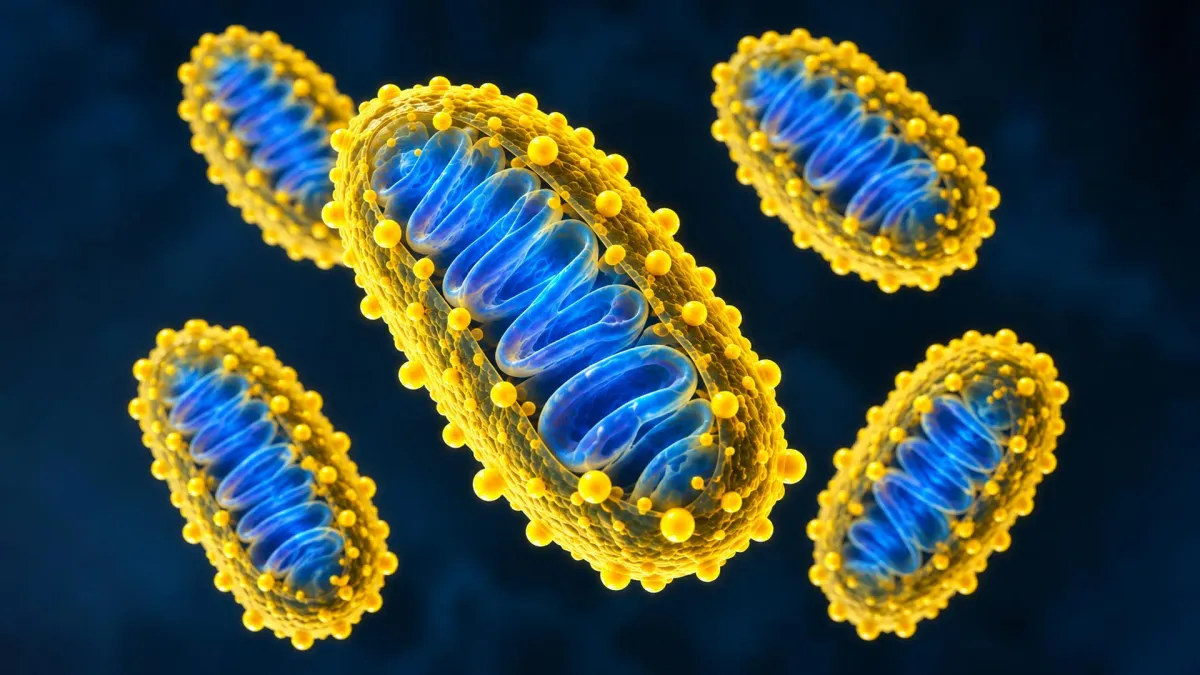
Scientists just gave the powerhouses of our cells a high-tech upgrade - Science Daily
Scientists have developed a way to coat mitochondria, the tiny structures that produce energy inside our cells, with advanced materials without interfering with their function. The achievement could eventually help researchers develop new approaches to treating diseases caused by malfunctioning mitochondria. The research was conducted by IRCCS Fondazione Istituto Neurologico Carlo Besta (FINCB) and Politecnico di Milano through their joint BraiNs laboratory, established in 2023. The collaboration combines the mitochondrial biology expertise of Dr. Valeria Tiranti (FINCB), a researcher in the Medical Genetics and Neurogenetics Complex Unit (SC) and head of the Fondazione Mariani Centre for Paediatric Mitochondrial Diseases, with the chemistry and materials engineering expertise of Professor Pierangelo Metrangolo (Politecnico di Milano).
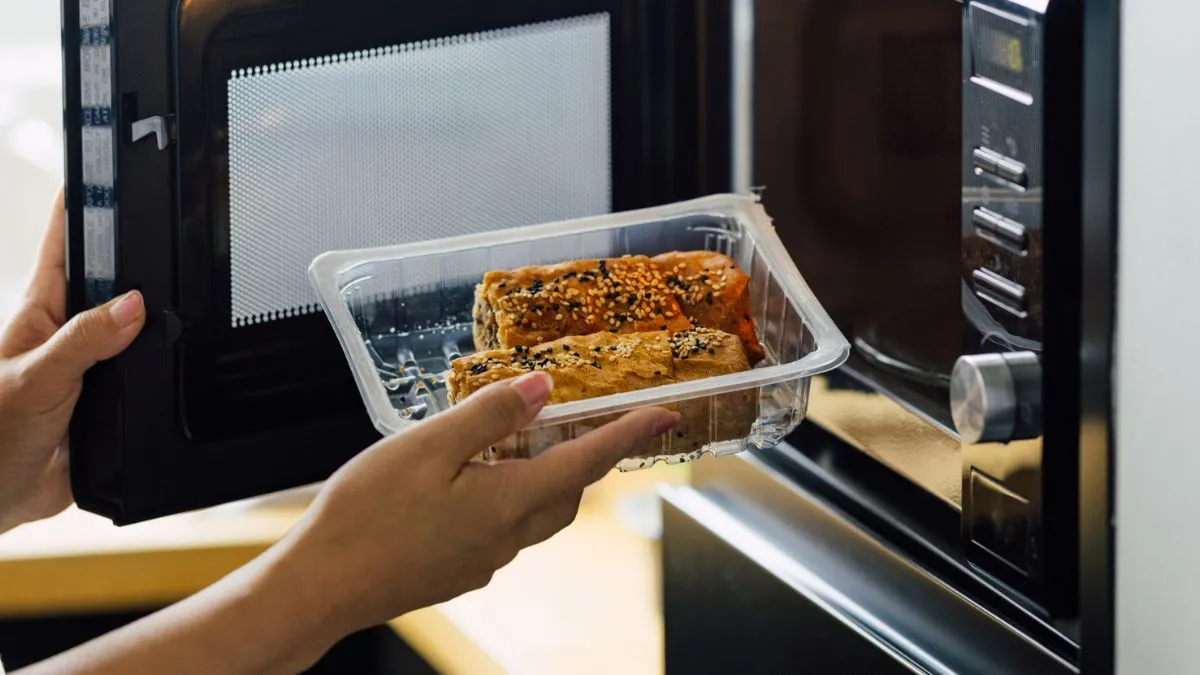
Scientists Gave People BPA For 5 Days. Their Insulin Sensitivity Changed - ScienceAlert
A ubiquitous industrial chemical commonly used in food and beverage packaging may quietly mess with the body's insulin sensitivity when ingested. Bisphenol A (BPA) is one of the highest-volume chemicals produced worldwide. Since the 1960s, it has been used to manufacture an unfathomable number of plastic packages and epoxy resins, which coat the insides of many food and beverage cans. By some estimates, BPA is so widely consumed that it is present in the urine of more than 90 percent of the US population. But is that safe? US health guidelines might say yes, but the first experimental evidence in humans has now found that ingesting BPA, even at low doses, may reduce insulin sensitivity in the short term. Plastic bottles can contain BPA. (fotoblend/pixabay)"Given that diabetes is a leading cause of death in the US, it is crucial to understand even the smallest factors that contribute to the disease," said senior author and diabetes researcher Todd Hagobian when presenting the preliminary results at the Scientific Sessions of the American Diabetes Association in 2024.
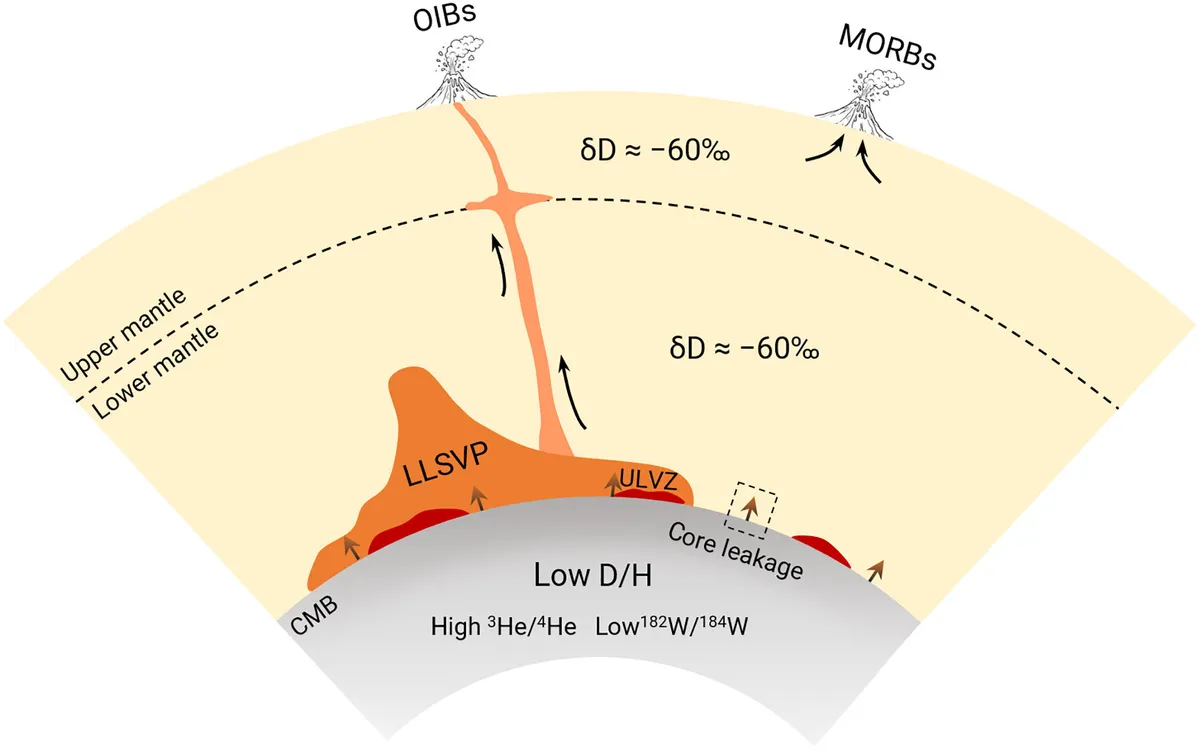
Earth's core may have been leaking hydrogen for billions of years - Phys.org
Schematic model for the origin of isotopic anomalies in ocean island basalts. Credit: Science Advances (2026). DOI: 10.1126/sciadv.aei4756 When Earth formed billions of years ago, its metallic core was wrapped in a global ocean of molten rock, which eventually cooled and crystallized to form the mantle. Today, when deep-rooted mantle plumes rise toward the surface and produce volcanic eruptions, the resulting lava can contain hydrogen from deep inside the planet.
0 comments
No comments yet. Be the first to share your thoughts!