Scientists Gave People BPA For 5 Days. Their Insulin Sensitivity Changed - ScienceAlert
This article is an excerpt. To read the full content, visit the original source. ScienceAlert
Related articles

New chip-scale gyroscope measures rotation with unprecedented sensitivity - Phys.org
Researchers developed an integrated Brillouin laser ring gyroscope that measures rotation as slow as 37 degrees per hour. This image shows a conceptual schematic of the chip-based gyroscope. Researchers have developed a chip-scale optical ring-laser gyroscope that can measure rotation as slow as 37 degrees per hour. This record sensitivity, approaching Earth's rotation rate of 15 degrees per hour, could eventually be useful for precision navigation and orientation systems, particularly where GPS is unavailable. Gyroscopes measure how an object rotates, helping determine its orientation and movement.

Scientists Gave People 2 Nearly Identical Meals. One Triggered Much More Insulin. - ScienceAlert
You've probably heard a bit about ultra-processed foods by now, and if so, you likely know they're not the healthiest things you can eat. These industrially manufactured foods are increasingly being linked to heightened risk of disease, and research suggests they may affect how we think and harm our mental health. In light of all the concerning associations scientists are finding, it's easy to assume that ultra-processed foods are unhealthy because they're packed full of nutritionally poor ingredients – but what if there's more to it than that? "We know that the majority of ultra-processed foods are high in fat, they're high in sugar, they're low in fiber, and they're low in protein," says neuroscientist Alex DiFeliceantonio from Virginia Tech. "But if we artificially hold all of those things constant, is there something about the processing that leads to a different outcome? "The answer, it seems, is yes, according to a surprising finding reported in Nature Metabolism. Ultra-processed foods seem to produce a different metabolic response, even when nutrients and calories are matched.
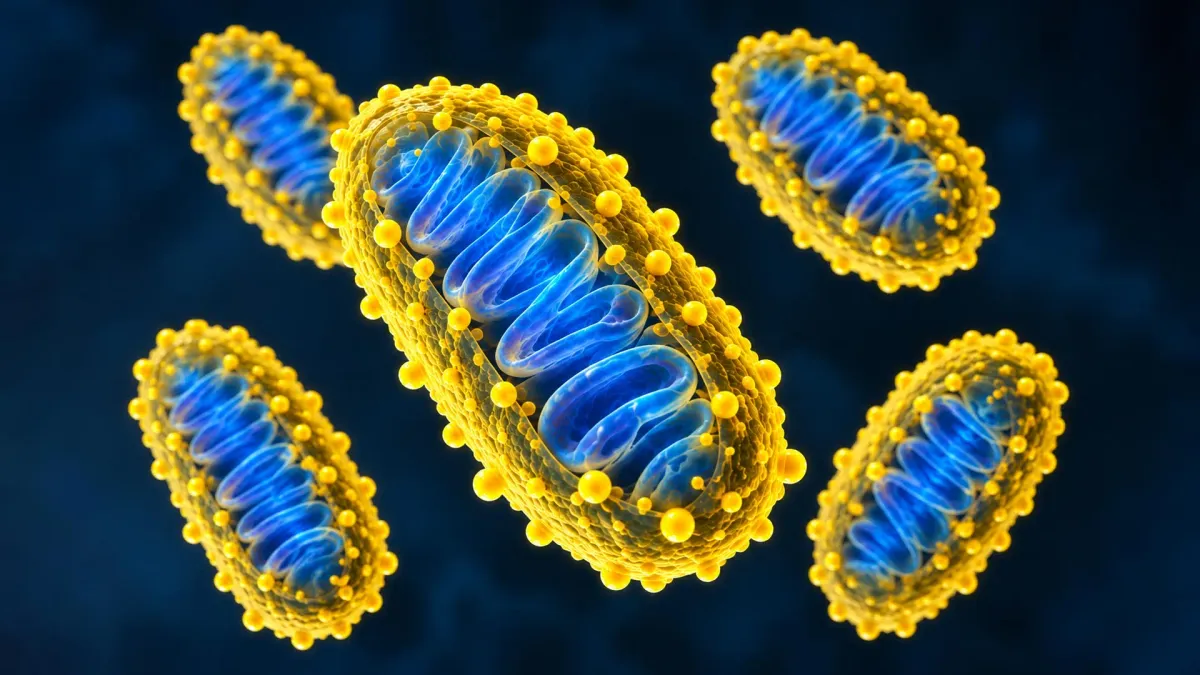
Scientists just gave the powerhouses of our cells a high-tech upgrade - Science Daily
Scientists have developed a way to coat mitochondria, the tiny structures that produce energy inside our cells, with advanced materials without interfering with their function. The achievement could eventually help researchers develop new approaches to treating diseases caused by malfunctioning mitochondria. The research was conducted by IRCCS Fondazione Istituto Neurologico Carlo Besta (FINCB) and Politecnico di Milano through their joint BraiNs laboratory, established in 2023. The collaboration combines the mitochondrial biology expertise of Dr. Valeria Tiranti (FINCB), a researcher in the Medical Genetics and Neurogenetics Complex Unit (SC) and head of the Fondazione Mariani Centre for Paediatric Mitochondrial Diseases, with the chemistry and materials engineering expertise of Professor Pierangelo Metrangolo (Politecnico di Milano).
0 comments
No comments yet. Be the first to share your thoughts!