Earth's core may have been leaking hydrogen for billions of years - Phys.org
This story deserves to be shared
Send it to someone who'd care, or post it on your networks.

Schematic model for the origin of isotopic anomalies in ocean island basalts. Credit: Science Advances (2026). DOI: 10.1126/sciadv.aei4756
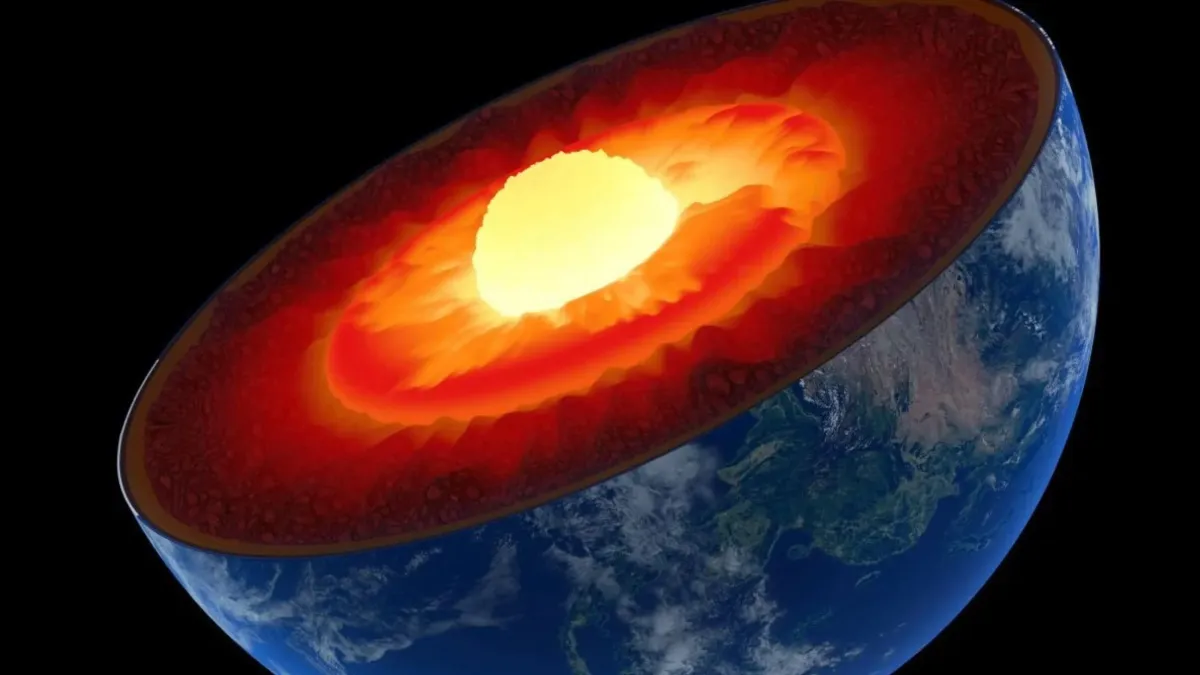
When Earth formed billions of years ago, its metallic core was wrapped in a global ocean of molten rock, which eventually cooled and crystallized to form the mantle. Today, when deep-rooted mantle plumes rise toward the surface and produce volcanic eruptions, the resulting lava can contain hydrogen from deep inside the planet.
This article is an excerpt. To read the full content, visit the original source. Phys.org
Related articles
Earth's Core Is Leaking All Sorts of Materials That Have Been Trapped Since Our Planet's Birth - ScienceAlert
Our early Earth was a heavy metal album cover: a molten ball covered in a global lava ocean, spewing lethal gases while being pelted by the flaming space-rocks of our Solar System's violently chaotic afterbirth. Over the next 4.5 billion years of hectic cosmo-geological time, it has settled down a bit, allowing humans, lemurs, and others to emerge. A vision of this hellish ancient reality remains, (hopefully) never to be glimpsed by human eyes: our molten metallic core, blazing about as hotly as the surface of the Sun. But our core constantly sends chemical messengers up through its layers, including the space-borne ingredients of its birth, locked away for about one-third the lifetime of the Universe. This includes the hydrogen that was drawn in from the giant cloud of gas and dust that formed the Sun, which continues to ooze up from the core and turns into water in the mantle and crust – not a splashy-sloshy water, but a water trapped in minerals. Early Earth may have looked something like this.
Sunken WWI sub is leaking TNT into the North Sea - Popular Science
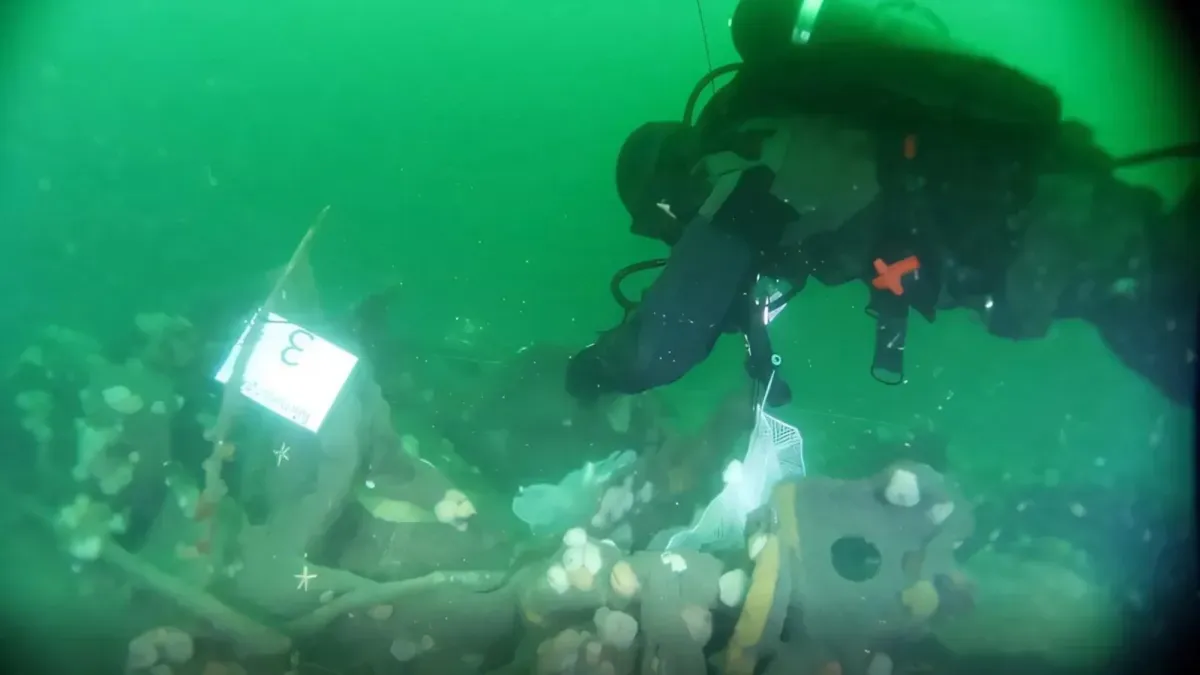
Researchers required assistance from Danish naval divers to examine the submarine. A World War I submarine that sank nearly 110 years ago has been leaking explosive pollutants into the North Sea for decades. What’s more, ocean researchers say the problem may worsen over time—not only near the German vessel itself, but at thousands of similar shipwrecks.
This German submarine sank in 1917. It’s still leaking TNT - Science Daily
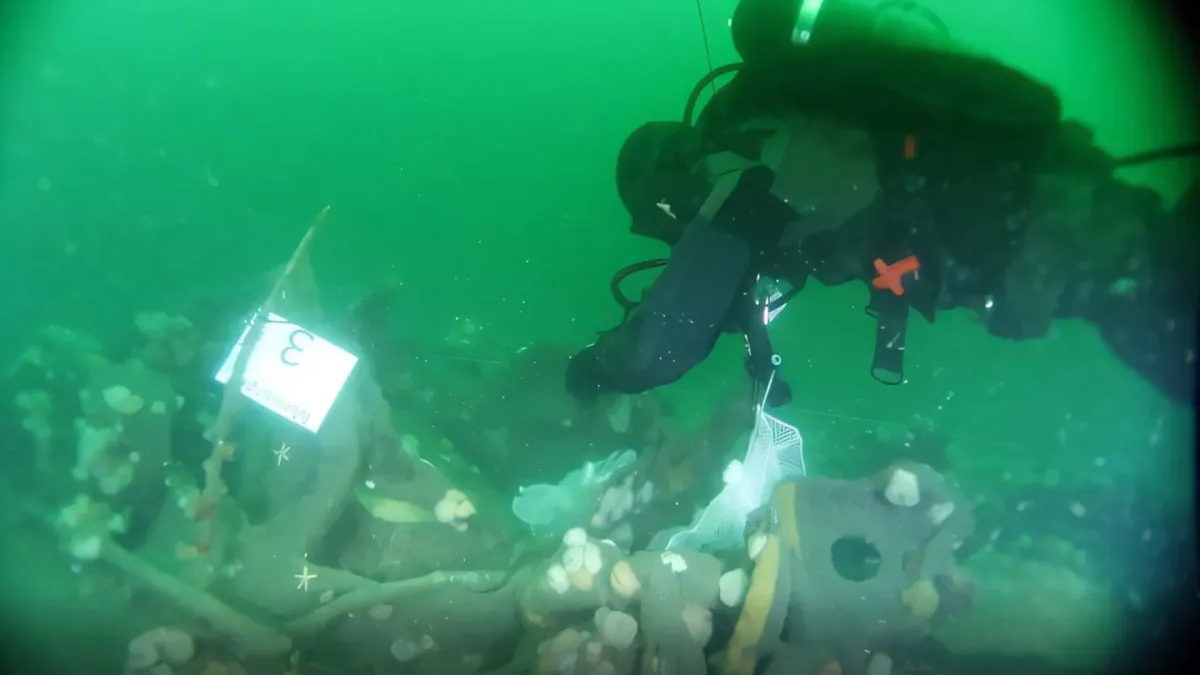
In April 1917, the German submarine UC-30 was making its way through waters near Rømø after abandoning a mission to Ireland because of engine problems. The vessel had turned back toward Germany and was close to reaching home. UC-30 was carrying 18 mines and six torpedoes, leaving the submarine packed with explosives. On April 19, it struck a British mine and sank. All 27 crew members died.
0 comments
No comments yet. Be the first to share your thoughts!