Different DNA, similar functions: Regulatory convergence in gliding mammals - EurekAlert!
This story deserves to be shared
Send it to someone who'd care, or post it on your networks.
image: On the left, GACNEs are unevenly distributed across the genome, forming distinct hotspots. On the right, the Manhattan plots highlight these clustered regions and their associations with genes involved in the Wnt signaling pathway. At the bottom, functional enrichment analysis shows the biological functions associated with genes near GACNE hotspots.
Gliding has evolved independently six times in living mammals, making it a classic example of convergent evolution. Why does nature repeatedly produce similar complex adaptive traits? When distantly related species evolve similar features, do they rely on the same genetic changes, or can different genetic changes lead to similar outcomes?
This article is an excerpt. To read the full content, visit the original source. EurekAlert!
Related articles
Adaptive molecular convergence more common than previously thought, distant jellyfish relatives reveal - Phys.org
A new study has found that adaptive molecular convergence—the process by which distantly related or unrelated species evolve the same genomic changes—is not as rare as previously thought.

SpaceX Sent 6,300 Pounds to the Space Station. The Strangest Cargo Was Grown in a Lab - Inc.com
The spacecraft delivered materials and equipment for new research studies to the station.
Integrating hippopotamus optimization algorithm into machine learning frameworks for predicting suspended sediment concentrations - Nature
ORCID: orcid.org/0000-0001-8061-88361, Yaser Mehri2, Ali Abdolrazaq Sabbar3, Mohammad Javad Nahvinia3 & … Mohammad Hosein Omid2 We’re sharing this article early to provide faster access to peer-reviewed, accepted research. It is citable and carries a permanent DOI. This version is subject to further edits and will be replaced automatically by the final Version of Record. All legal disclaimers apply.
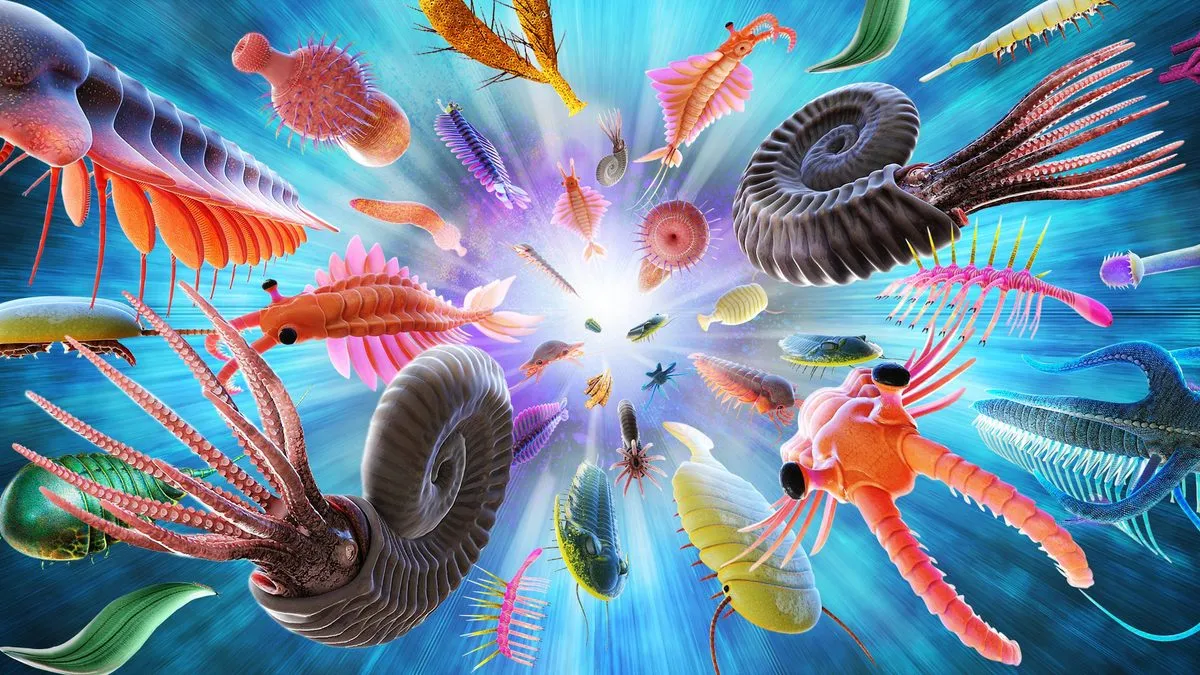
Did an eruption of poop trigger the biggest explosion of life and diversity Earth has ever seen? - BBC Wildlife Magazine
The history of life on Earth doesn’t start with the Cambrian Explosion. However, this was the point in time that nearly all major animal groups appeared, proliferated, and diversified. It wiped out 90% of life on Earth, turned the oceans into graveyards – and it very nearly ended life on our planet entirely
0 comments
No comments yet. Be the first to share your thoughts!