Rapid PCR Test Detects Drinking Water Contamination - EMJ
This story deserves to be shared
Send it to someone who'd care, or post it on your networks.
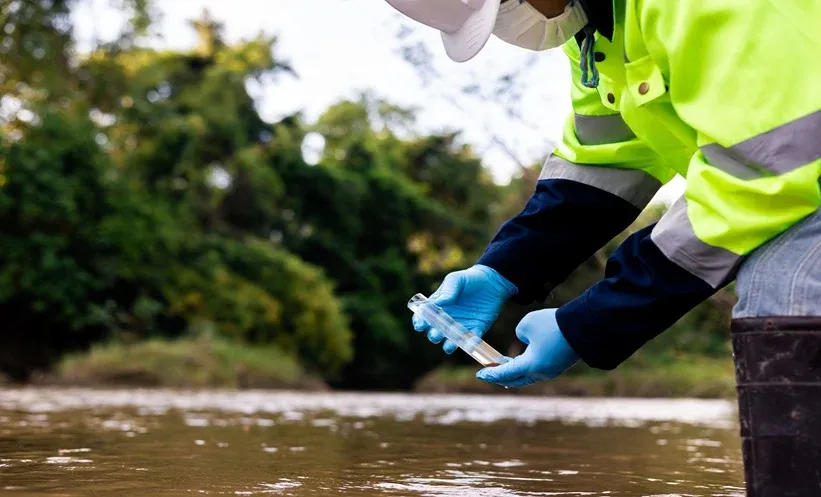
A NEW molecular diagnostic method could significantly reduce the time required to detect faecal contamination in drinking water, according to research demonstrating that intestinal enterococci can be identified within just 3–4 hours.
The real-time reverse transcription polymerase chain reaction (RT-PCR) assay demonstrated a sensitivity of 94.6%, compared with 89.2% for conventional culture methods, which typically require 24–48 hours. The findings suggest that rapid molecular testing could support earlier identification of potential contamination events and improve public health protection.
This article is an excerpt. To read the full content, visit the original source. EMJ
Related articles

New imaging technique detects subtle skin changes in scleroderma patients - News-Medical
Scleroderma (systemic sclerosis) is a rare, chronic, autoimmune disease that causes the body to produce too much collagen, leading to the hardening and thickening of the skin and internal organs. For more than 50 years, physicians have relied on manually pinching the skin to assess its thickness, a subjective approach that remains central to the diagnosis of systemic sclerosis, assessment of disease extent and progression, and monitoring of response to treatment. Despite being the accepted standard practice, doctors can score the same patient differently based on their own unique touch and judgement, making it difficult to accurately track changes in skin thickening over time or assess a patient's response to treatment. For the first time, researchers at Boston University Chobanian & Avedisian School of Medicine and the Boston University Department of Biomedical Engineering have developed and tested a camera-based technique called spatial frequency domain imaging (SFDI) to assess skin changes in scleroderma patients. SFDI works by shining patterns of harmless light on the skin, without touching it, and measuring how the light bounces back.
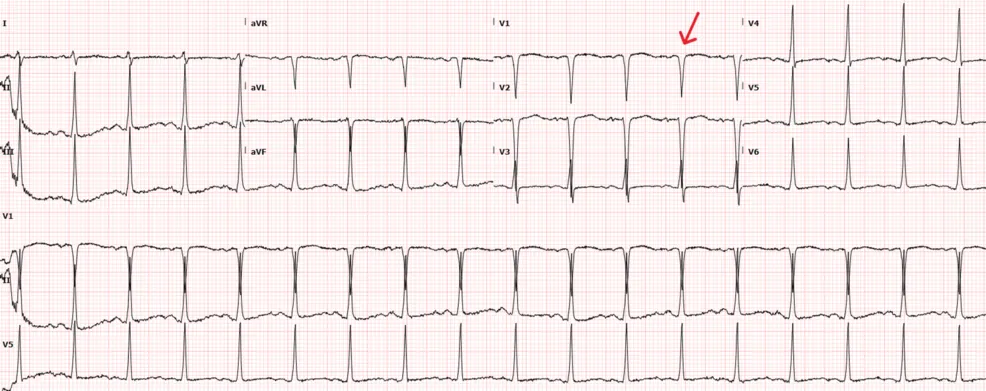
Point-of-Care Ultrasound Detection of Acute Myocardial Dysfunction Following Bupropion Overdose: A Case Report - Cureus
Bupropion overdose is associated with significant morbidity and mortality due to severe neurologic and cardiovascular toxicity, including seizures and life-threatening arrhythmias. Early recognition of electrocardiographic, clinical, and echocardiographic abnormalities is critical for prompt intervention and prevention of clinical deterioration. We present a case of a 21-year-old female who presented to the emergency department following an intentional polysubstance overdose involving suspected bupropion ingestion. The initial electrocardiogram (EKG) demonstrated sinus tachycardia. However, during continued monitoring, the patient developed QRS widening and seizures. Treatment included benzodiazepines, calcium, and sodium bicarbonate. Point-of-care ultrasound (POCUS) revealed a reduced ejection fraction (EF) of less than 30%, which was later confirmed on formal transthoracic echocardiography. These findings prompted escalation of care, intubation for airway protection and deep sedation, and transfer to the intensive care unit (ICU). During admission, she developed torsades de pointes (TdP), resulting in cardiac arrest. Despite her critical presentation, repeat echocardiography upon
0 comments
No comments yet. Be the first to share your thoughts!