Point-of-Care Ultrasound Detection of Acute Myocardial Dysfunction Following Bupropion Overdose: A Case Report - Cureus
This story deserves to be shared
Send it to someone who'd care, or post it on your networks.
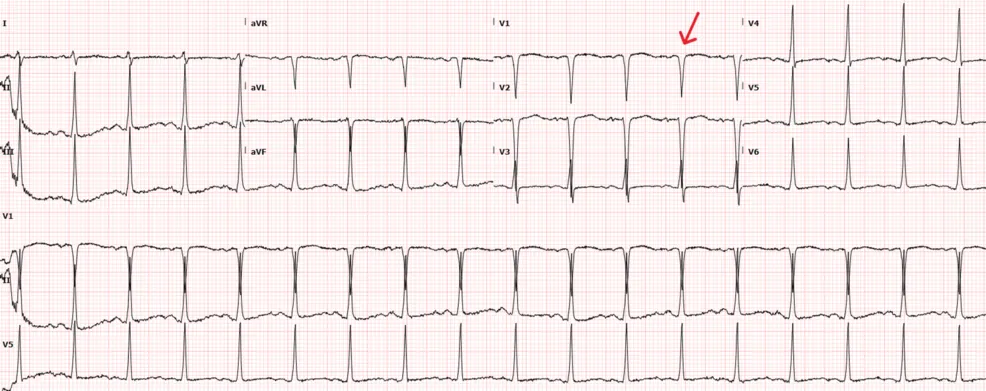
Bupropion overdose is associated with significant morbidity and mortality due to severe neurologic and cardiovascular toxicity, including seizures and life-threatening arrhythmias. Early recognition of electrocardiographic, clinical, and echocardiographic abnormalities is critical for prompt intervention and prevention of clinical deterioration. We present a case of a 21-year-old female who presented to the emergency department following an intentional polysubstance overdose involving suspected bupropion ingestion. The initial electrocardiogram (EKG) demonstrated sinus tachycardia. However, during continued monitoring, the patient developed QRS widening and seizures. Treatment included benzodiazepines, calcium, and sodium bicarbonate. Point-of-care ultrasound (POCUS) revealed a reduced ejection fraction (EF) of less than 30%, which was later confirmed on formal transthoracic echocardiography. These findings prompted escalation of care, intubation for airway protection and deep sedation, and transfer to the intensive care unit (ICU). During admission, she developed torsades de pointes (TdP), resulting in cardiac arrest. Despite her critical presentation, repeat echocardiography upon
This article is an excerpt. To read the full content, visit the original source. Cureus
Related articles

Clinical Outcomes According to Revascularization Strategy in Patients With Late-Presenting ST-Segment Elevation Myocardial Infarction: A Retrospective Cohort Study - Cureus
Background: Timely reperfusion remains the cornerstone of management in ST-segment elevation myocardial infarction (STEMI). However, a substantial proportion of patients continue to present beyond the recommended reperfusion window, particularly in low- and middle-income countries. The outcomes associated with delayed coronary revascularization in these late presenters remain incompletely defined. This retrospective observational study aimed to compare one-year mortality and left ventricular ejection fraction (LVEF) changes according to treatment strategy among STEMI patients presenting more than 12 hours after symptom onset. Methods: We conducted a retrospective observational cohort study including consecutive patients admitted with STEMI more than 12 hours after symptom onset between January 2020 and December 2025 at Mohammed VI University Hospital, Marrakech, Morocco. Patients were stratified according to treatment strategy into delayed percutaneous coronary intervention (PCI), conservative medical management, and coronary artery bypass grafting (CABG). The primary endpoint was one-year all-cause mortality, and the secondary outcome was change in LVEF. Mortality comparisons were

European Medical Journal | HIV linked to early signs of heart dysfunction - European AIDS Treatment Group
European Medical Journal news storyPeople living with HIV may experience subtle changes in heart muscle function even when conventional measures of cardiac performance remain normal, according to findings from a systematic review and meta-analysis. Researchers identified significantly impaired global longitudinal strain (GLS) among people with HIV compared with HIV-uninfected individuals, despite preserved left ventricular ejection fraction (LVEF) in both groups. The findings suggest that speckle-tracking echocardiography (STE) could provide additional information about early myocardial dysfunction in this population. Read the full news story here.
Automated Breast Ultrasound Tied to Fewer False-Positives in Dense Breasts - Oncology Nursing News
News|Articles|October 15, 2026 ABUS matched handheld ultrasound on cancer detection in women with dense breasts while lowering recall and short-interval follow-up rates. Automated breast ultrasound (ABUS) detected breast cancer at a rate similar to handheld ultrasound (HHUS) in women with dense breasts while producing fewer abnormal interpretations, fewer false-positive initial assessments, and fewer recommendations for short-interval follow-up, according to an observational study published in the October 2026 issue of the Journal of the American College of Radiology. The analysis, drawn from more than 25,000 supplemental screening examinations in US community practice, was not designed to establish sensitivity or specificity, and ABUS may not be appropriate for every patient with dense breast tissue. According to the investigators and an accompanying news release, this is the first study to directly compare the screening performance of the 2 modalities in clinical practice in the United States. Why does supplemental ultrasound screening matter for patients with dense breasts?
Automated vs Handheld Ultrasound for Breast Cancer Screening - The ASCO Post
A new study by Rauscher et al in the Journal of the American College of Radiology has found that automated breast ultrasound (ABUS) and handheld ultrasound (HHUS) had similar cancer detection rates in women with dense breasts, whereas ABUS had a lower false-positive rate. These data demonstrate that ABUS is a viable alternative to HHUS and can expand supplemental ultrasound screening capacity at radiology clinics, according to investigators. There is increasing demand for ultrasound screening in addition to mammography following the enactment of state laws and federal rules requiring radiology clinics to inform women with dense breasts about the limitations of mammography. Because dense tissue and lesions both appear white on a mammogram, abnormalities can more easily go undetected.
0 comments
No comments yet. Be the first to share your thoughts!