Automated Breast Ultrasound Tied to Fewer False-Positives in Dense Breasts - Oncology Nursing News
This story deserves to be shared
Send it to someone who'd care, or post it on your networks.
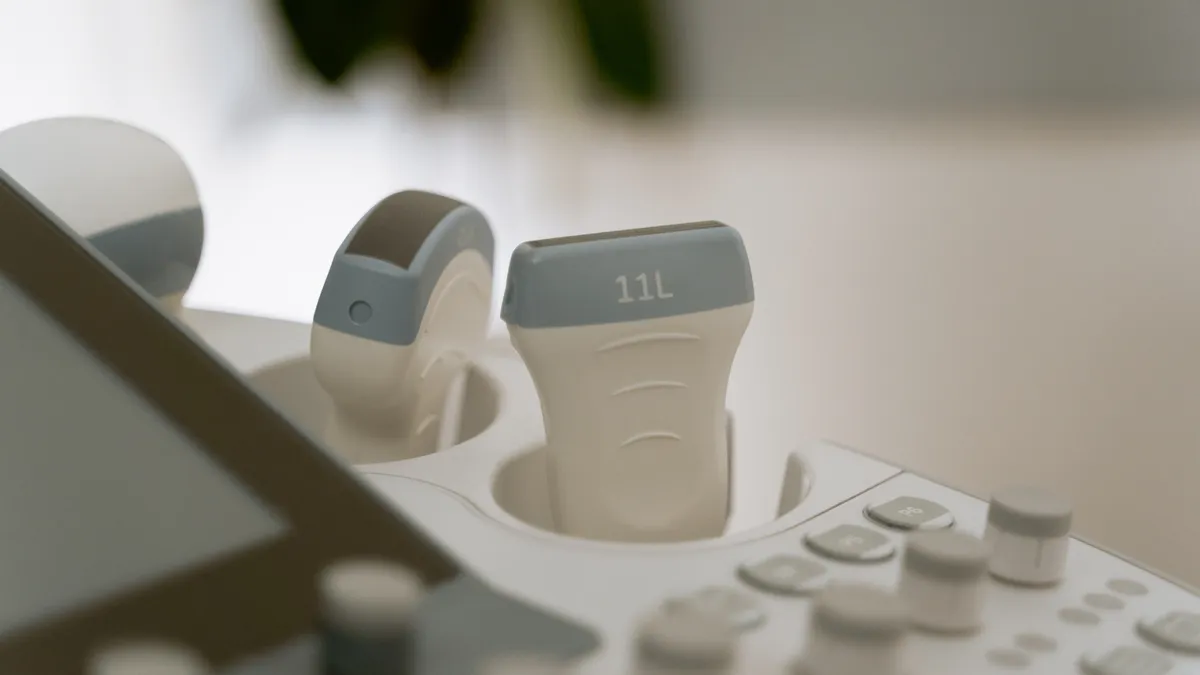
News|Articles|October 15, 2026 ABUS matched handheld ultrasound on cancer detection in women with dense breasts while lowering recall and short-interval follow-up rates. Automated breast ultrasound (ABUS) detected breast cancer at a rate similar to handheld ultrasound (HHUS) in women with dense breasts while producing fewer abnormal interpretations, fewer false-positive initial assessments, and fewer recommendations for short-interval follow-up, according to an observational study published in the October 2026 issue of the Journal of the American College of Radiology. The analysis, drawn from more than 25,000 supplemental screening examinations in US community practice, was not designed to establish sensitivity or specificity, and ABUS may not be appropriate for every patient with dense breast tissue. According to the investigators and an accompanying news release, this is the first study to directly compare the screening performance of the 2 modalities in clinical practice in the United States. Why does supplemental ultrasound screening matter for patients with dense breasts?
This article is an excerpt. To read the full content, visit the original source. Oncology Nursing News
Related articles
Automated vs Handheld Ultrasound for Breast Cancer Screening - The ASCO Post
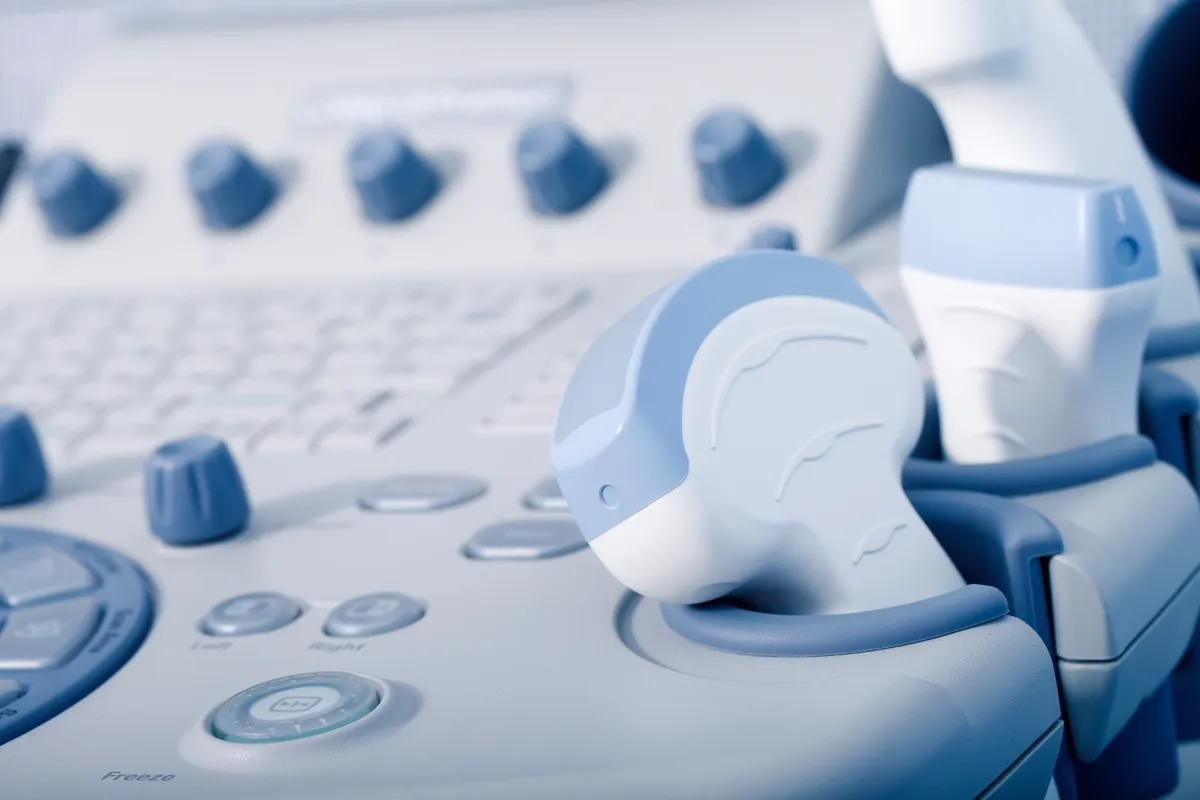
A new study by Rauscher et al in the Journal of the American College of Radiology has found that automated breast ultrasound (ABUS) and handheld ultrasound (HHUS) had similar cancer detection rates in women with dense breasts, whereas ABUS had a lower false-positive rate. These data demonstrate that ABUS is a viable alternative to HHUS and can expand supplemental ultrasound screening capacity at radiology clinics, according to investigators. There is increasing demand for ultrasound screening in addition to mammography following the enactment of state laws and federal rules requiring radiology clinics to inform women with dense breasts about the limitations of mammography. Because dense tissue and lesions both appear white on a mammogram, abnormalities can more easily go undetected.

Bioengineer.org | Viral blips during HIV therapy are common and rarely signal treatment failure, Swedish study finds - European AIDS Treatment Group
Bioengineer.org news storyFor people living with HIV, modern antiretroviral therapy can suppress the virus to levels below what standard laboratory tests can detect. Yet some patients on long-term treatment experience a curious phenomenon: a single test result showing a small, transient amount of virus in the blood, followed by an immediate return to undetectable levels. These events, known as viral blips, have puzzled clinicians and researchers for years, raising questions about whether they represent harmless statistical noise, brief bursts of viral production from hidden reservoirs, or early warnings of impending treatment failure. A new nationwide Swedish study, published in BMC Infectious Diseases, offers one of the most comprehensive answers to date. Drawing on the Swedish national InfCareHIV cohort, researchers analyzed data from 4,210 treatment-naïve adults who began antiretroviral therapy from 1 January 2007 onward, with follow-up data extracted through 30 September 2020. The median observation time was 5.5 years, with some individuals followed for as long as 13.7 years.
0 comments
No comments yet. Be the first to share your thoughts!