Pleural Metastasis in Epithelioid Angiosarcoma - Cureus
This story deserves to be shared
Send it to someone who'd care, or post it on your networks.
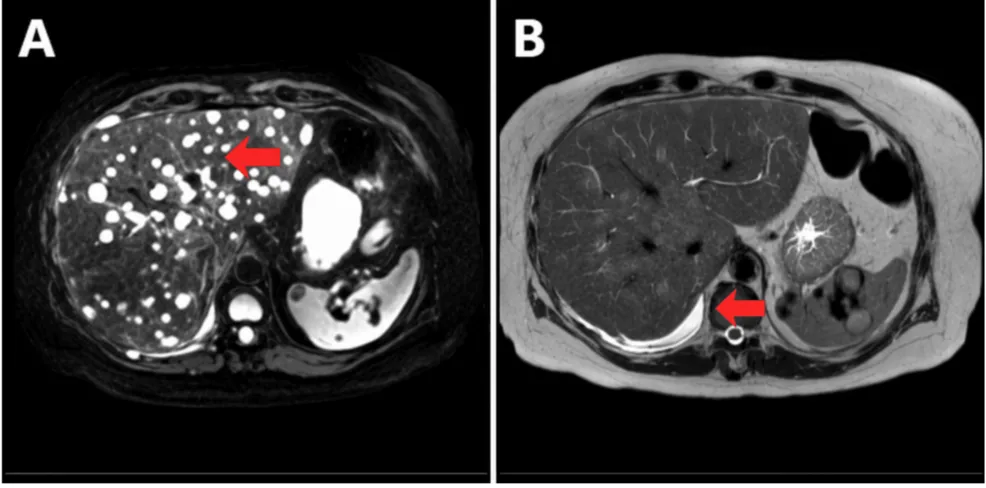
Epithelioid angiosarcoma (EAS) is a rare, highly aggressive endothelial cell malignancy characterized by a propensity for rapid metastatic spread and an exceptionally poor prognosis. Diagnosing EAS remains a major clinical and histopathological challenge due to its atypical cellular morphology, mimicry of poorly differentiated carcinomas or mesotheliomas, and insidious, nonspecific clinical presentation, which frequently leads to diagnostic delays. Given the scarcity of literature on this entity, expanding the current clinical knowledge base is essential to facilitate early identification. In this report, we present the case of a 60-year-old woman with a history of pituitary adenoma resection who presented with progressive chest pain, weight loss, and symptomatic anemia, which initially suggested a non-ST-segment elevation myocardial infarction (NSTEMI), given the presentation of precordial pain and the results of the cardiac biomarker evaluation, but was later identified as metastatic disease. Imaging and biopsy revealed a rare metastatic EAS involving the liver, spleen, and pleura, prompting palliative care, video-assisted thoracoscopic surgery (VATS), and pleurodesis. This case
This article is an excerpt. To read the full content, visit the original source. Cureus
Related articles

Mechanical Pressure Triggers Cancer Cell Death, Revealing Potential New Defense Against Metastasis - Inside Precision Medicine
Credit: Artur Plawgo / Getty Images / Science Photo Library The physical pressure that cancer cells encounter as tumors grow may do more than impede their movement. New research suggests that prolonged confinement can activate a molecular self-destruct mechanism in invasive cancer cells, potentially limiting their ability to spread to other parts of the body. The findings, published in Developmental Cell, reveal an unexpected connection between the mechanical forces within tumors and a form of programmed cell death called necroptosis. Researchers at the Chinese Academy of Sciences in Shanghai say the discovery could eventually lead to biomarkers for predicting metastatic risk and new approaches to preventing cancer spread.
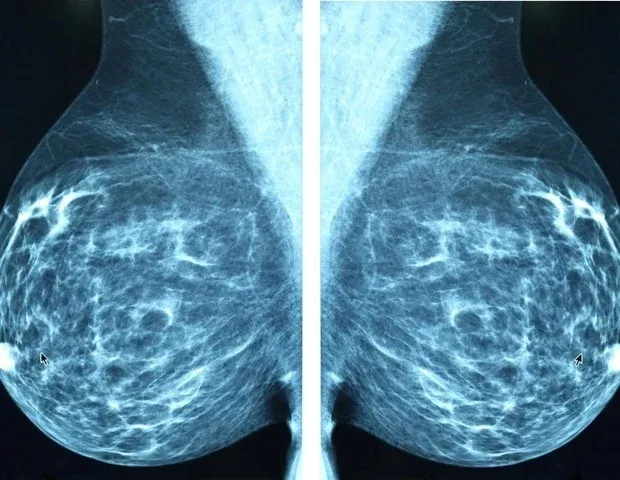
Researchers use mitochondrial uncouplers to target breast cancer metastasis - News-Medical
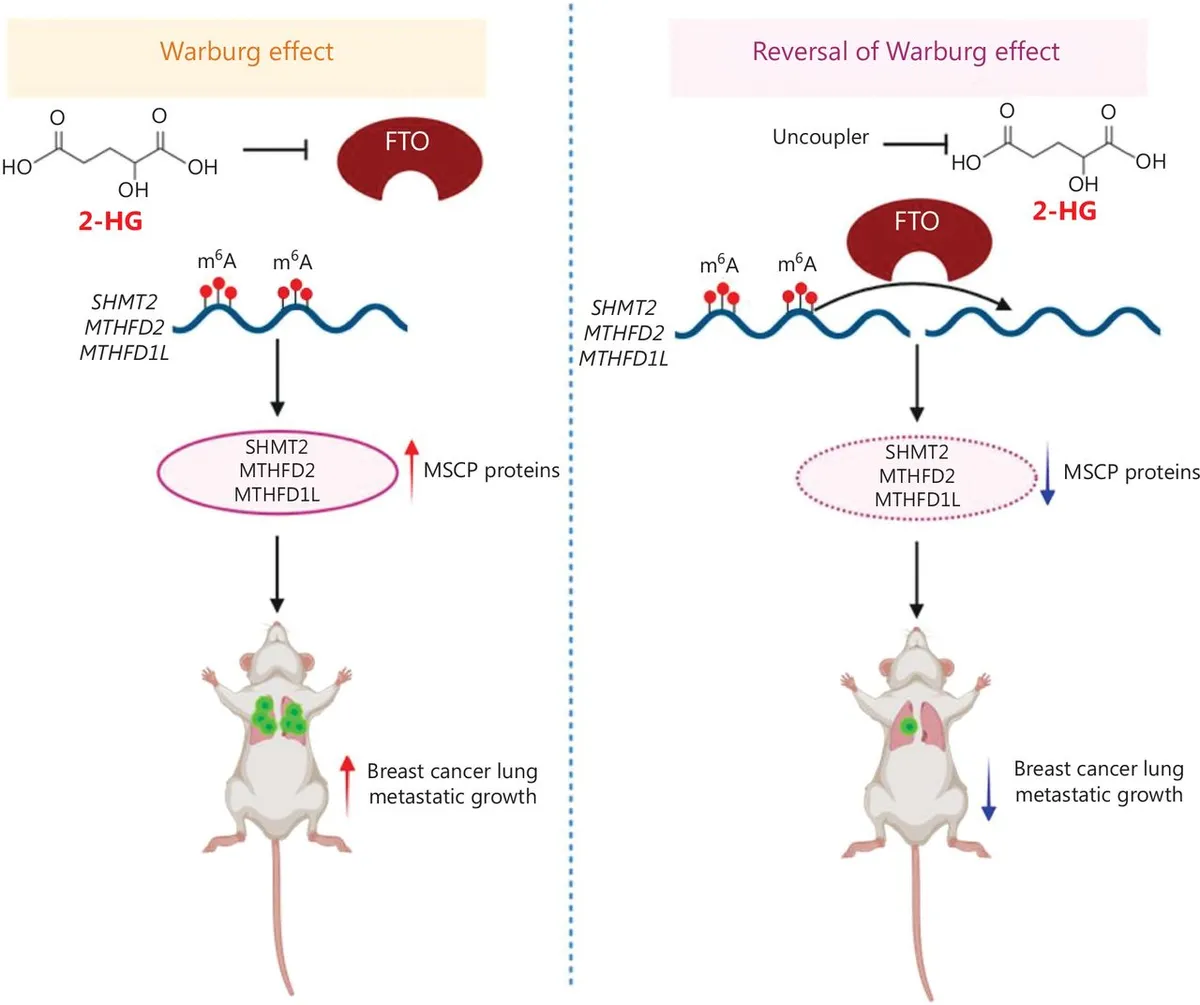
Mitochondrial serine catabolic pathway (MSCP), also called serine, glycine, and one-carbon metabolism, is essential for cancer cells to produce amino acids, one-carbon units, and reducing equivalents. The pathway is frequently upregulated in tumors: serine hydroxymethyltransferase 2 (SHMT2) and methylenetetrahydrofolate dehydrogenase 2 (MTHFD2) are among the most overexpressed metabolic enzymes in human cancers, and their activity supports cancer cell proliferation, redox balance, and metastasis. Cancer cells rely on MSCP when the electron transport chain (ETC) is impaired, yet no effective therapy selectively targets this pathway. Fat mass and obesity-associated protein (FTO), an m⁶A demethylase, can be inhibited by 2-hydroxyglutarate (2-HG). FTO expression is associated with favorable prognosis and is downregulated in breast cancer, yet there is currently no effective way to reactivate FTO in cancer. Given these challenges, there is a need for in-depth research on therapies that safely reactivate respiration and target MSCP in metastatic breast cancer. Researchers at Stanford University School of Medicine, with collaborators at The Second Hospital of Jilin University and
Mitochondrial Uncouplers Turn Off Serine Metabolism and Breast Cancer Lung Metastasis | Newswise - Newswise
Newswise — Mitochondrial serine catabolic pathway (MSCP), also called serine, glycine, and one-carbon metabolism, is essential for cancer cells to produce amino acids, one-carbon units, and reducing equivalents. The pathway is frequently upregulated in tumors: serine hydroxymethyltransferase 2 (SHMT2) and methylenetetrahydrofolate dehydrogenase 2 (MTHFD2) are among the most overexpressed metabolic enzymes in human cancers, and their activity supports cancer cell proliferation, redox balance, and metastasis. Cancer cells rely on MSCP when the electron transport chain (ETC) is impaired, yet no effective therapy selectively targets this pathway. Fat mass and obesity-associated protein (FTO), an m⁶A demethylase, can be inhibited by 2-hydroxyglutarate (2-HG). FTO expression is associated with favorable prognosis and is downregulated in breast cancer, yet there is currently no effective way to reactivate FTO in cancer. Given these challenges, there is a need for in-depth research on therapies that safely reactivate respiration and target MSCP in metastatic breast cancer.

Examining the Oral Steroid Burden in Asthma and COPD - HCPLive
Patients with asthma and chronic obstructive pulmonary disease (COPD) often receive systemic corticosteroids from multiple specialties, and that cumulative exposure is rarely tracked in 1 place. At the same time, the options for reducing reliance on oral steroids have grown, with approvals of dupilumab and mepolizumab for eosinophilic COPD and of depemokimab, a twice-yearly anti-interleukin (IL)-5 agent, for severe asthma.1-4 Clinicians outside pulmonology increasingly manage these patients when specialty access is limited. On October 6, 2026, Mollie Chartoff, FNP-BC, a nurse practitioner on the advanced COPD team at Vanderbilt Lung Institute in Nashville, Tennessee, moderated a virtual clinical forum for advanced practice providers on asthma and COPD. Participants included nurse practitioners and physician assistants in pulmonology, allergy and asthma, dermatology, oncology, and interventional pain practices in Tennessee, Texas, Missouri, and North Carolina. The discussion covered biomarkers, oral corticosteroid (OCS) exposure, biologic selection, and access barriers.

PAH Combination Therapy and Escalation: Clinical Forum Perspectives - HCPLive
Treatment of pulmonary arterial hypertension (PAH) now spans 5 therapeutic pathways, and the options within them continue to expand. Recent developments include FDA approval of a once-daily single-tablet combination of macitentan and tadalafil, supported by the phase 3 A DUE trial, and a September 2026 European Respiratory Society (ERS) guideline update recommending add-on sotatercept for patients who remain at intermediate-low, intermediate-high, or high risk.1,2 How clinicians sequence oral, inhaled, parenteral, and injectable therapies in practice increasingly depends on risk assessment, payer requirements, and patient preference. In September 2026, Marc Simon, MD, MS, director of pulmonary vascular disease and the Pulmonary Hypertension Comprehensive Care Center at the University of California, San Francisco (UCSF), moderated a clinical forum in San Francisco. Participants included pulmonologists, advanced heart failure and critical care cardiologists, and a nurse practitioner from UCSF, Kaiser Permanente, and California Pacific Medical Center. The discussion covered initial combination therapy, risk reassessment, escalation beyond dual therapy, and long-term monitoring.
0 comments
No comments yet. Be the first to share your thoughts!