Researchers use mitochondrial uncouplers to target breast cancer metastasis - News-Medical
This story deserves to be shared
Send it to someone who'd care, or post it on your networks.

Mitochondrial serine catabolic pathway (MSCP), also called serine, glycine, and one-carbon metabolism, is essential for cancer cells to produce amino acids, one-carbon units, and reducing equivalents. The pathway is frequently upregulated in tumors: serine hydroxymethyltransferase 2 (SHMT2) and methylenetetrahydrofolate dehydrogenase 2 (MTHFD2) are among the most overexpressed metabolic enzymes in human cancers, and their activity supports cancer cell proliferation, redox balance, and metastasis. Cancer cells rely on MSCP when the electron transport chain (ETC) is impaired, yet no effective therapy selectively targets this pathway. Fat mass and obesity-associated protein (FTO), an m⁶A demethylase, can be inhibited by 2-hydroxyglutarate (2-HG). FTO expression is associated with favorable prognosis and is downregulated in breast cancer, yet there is currently no effective way to reactivate FTO in cancer. Given these challenges, there is a need for in-depth research on therapies that safely reactivate respiration and target MSCP in metastatic breast cancer.
Researchers at Stanford University School of Medicine, with collaborators at The Second Hospital of Jilin University and
This article is an excerpt. To read the full content, visit the original source. News-Medical
Related articles

Mitochondrial Uncouplers Turn Off Serine Metabolism and Breast Cancer Lung Metastasis | Newswise - Newswise
Newswise — Mitochondrial serine catabolic pathway (MSCP), also called serine, glycine, and one-carbon metabolism, is essential for cancer cells to produce amino acids, one-carbon units, and reducing equivalents. The pathway is frequently upregulated in tumors: serine hydroxymethyltransferase 2 (SHMT2) and methylenetetrahydrofolate dehydrogenase 2 (MTHFD2) are among the most overexpressed metabolic enzymes in human cancers, and their activity supports cancer cell proliferation, redox balance, and metastasis. Cancer cells rely on MSCP when the electron transport chain (ETC) is impaired, yet no effective therapy selectively targets this pathway. Fat mass and obesity-associated protein (FTO), an m⁶A demethylase, can be inhibited by 2-hydroxyglutarate (2-HG). FTO expression is associated with favorable prognosis and is downregulated in breast cancer, yet there is currently no effective way to reactivate FTO in cancer. Given these challenges, there is a need for in-depth research on therapies that safely reactivate respiration and target MSCP in metastatic breast cancer.
Spermidine combined with resistance exercise ameliorates myocardial injury and mitochondrial dysfunction via AMPK-SIRT1-PGC-1α in D-galactose-induced aging rats - Nature
Kunda Yang1, Lili Sun2, Yu Cheng1, Kunxiang Liang1, Nixi Huang1, Yunshuang Liu1, Yewenqian Zhang1, Chuangye Liu1 & … Lina Peng2 We’re sharing this article early to provide faster access to peer-reviewed, accepted research. It is citable and carries a permanent DOI. This version is subject to further edits and will be replaced automatically by the final Version of Record. All legal disclaimers apply.
Pleural Metastasis in Epithelioid Angiosarcoma - Cureus
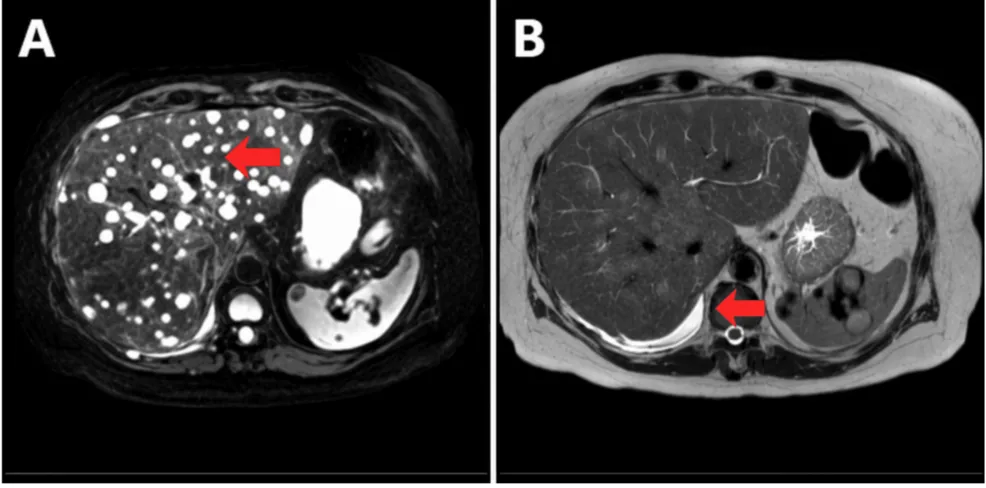
Epithelioid angiosarcoma (EAS) is a rare, highly aggressive endothelial cell malignancy characterized by a propensity for rapid metastatic spread and an exceptionally poor prognosis. Diagnosing EAS remains a major clinical and histopathological challenge due to its atypical cellular morphology, mimicry of poorly differentiated carcinomas or mesotheliomas, and insidious, nonspecific clinical presentation, which frequently leads to diagnostic delays. Given the scarcity of literature on this entity, expanding the current clinical knowledge base is essential to facilitate early identification. In this report, we present the case of a 60-year-old woman with a history of pituitary adenoma resection who presented with progressive chest pain, weight loss, and symptomatic anemia, which initially suggested a non-ST-segment elevation myocardial infarction (NSTEMI), given the presentation of precordial pain and the results of the cardiac biomarker evaluation, but was later identified as metastatic disease. Imaging and biopsy revealed a rare metastatic EAS involving the liver, spleen, and pleura, prompting palliative care, video-assisted thoracoscopic surgery (VATS), and pleurodesis. This case

Mechanical Pressure Triggers Cancer Cell Death, Revealing Potential New Defense Against Metastasis - Inside Precision Medicine
Credit: Artur Plawgo / Getty Images / Science Photo Library The physical pressure that cancer cells encounter as tumors grow may do more than impede their movement. New research suggests that prolonged confinement can activate a molecular self-destruct mechanism in invasive cancer cells, potentially limiting their ability to spread to other parts of the body. The findings, published in Developmental Cell, reveal an unexpected connection between the mechanical forces within tumors and a form of programmed cell death called necroptosis. Researchers at the Chinese Academy of Sciences in Shanghai say the discovery could eventually lead to biomarkers for predicting metastatic risk and new approaches to preventing cancer spread.

Japan launches spacecraft to mysterious moons of Mars in a bold mission to bring home soil samples - CFJC Today Kamloops
If successful, bits of dust, soil and rocks from Phobos will arrive on Earth in 2031. “There’s a lot of adrenaline and a lot of excitement and a lot of wow,” said NASA astrophysicist Tom Statler, who’s involved with the project. Japan has an edge going in, with two asteroid sample returns already under its cosmic belt. Phobos is a lumpy, potato-shaped rock just 14 miles (22 kilometers) or so across. Examining pieces of it can explain how Mars’ moons — and possibly moons elsewhere — came to be. Dubbed MMX for Martian Moons Exploration, the $578 million mission features a hefty 5-ton spacecraft that should reach Mars by late next summer. It will sync up with Phobos’ tight orbit around the red planet, before ejecting the French-German rover that’s named Idefix after the white terrier in the Asterix comics. No bigger than a microwave oven, Idefix will plop onto Phobos by itself, bouncing for several minutes before coming to a halt in the moon’s extraordinarily low gravity. The four-wheeled rover is designed to right itself if it lands upside down. All bets are off, though, if it sinks into soft soil or gets wedged between rocks, said the French Space Agency’s Julien Baroukh.
0 comments
No comments yet. Be the first to share your thoughts!